
Is Health Massage Worth It for Pain, Stress, and Everyday Wellness?
Why Is Health Massage Becoming Part of Everyday Wellness?
Health massage is no longer seen only as a spa service. In daily wellness use, it often sits next to stretching, sleep care, hydration, and better habits inside a wider Health & Wellness routine. The main point is to use it for clear reasons: comfort, body awareness, stress relief, and short-term support. It should not be treated as a quick cure for every body problem.
Pain Is a Common Starting Point
Pain is one of the main reasons people start looking at massage more seriously. The CDC National Center for Health Statistics reported in November 2024 that 24.3% of U.S. adults had chronic pain in 2023, while 8.5% had high-impact chronic pain that often limited life or work activities. This does not mean massage can fix chronic pain. It does explain why gentle hands-on care gets steady interest from people who want more comfort in daily life.
Stress Relief Is Often the Real Goal
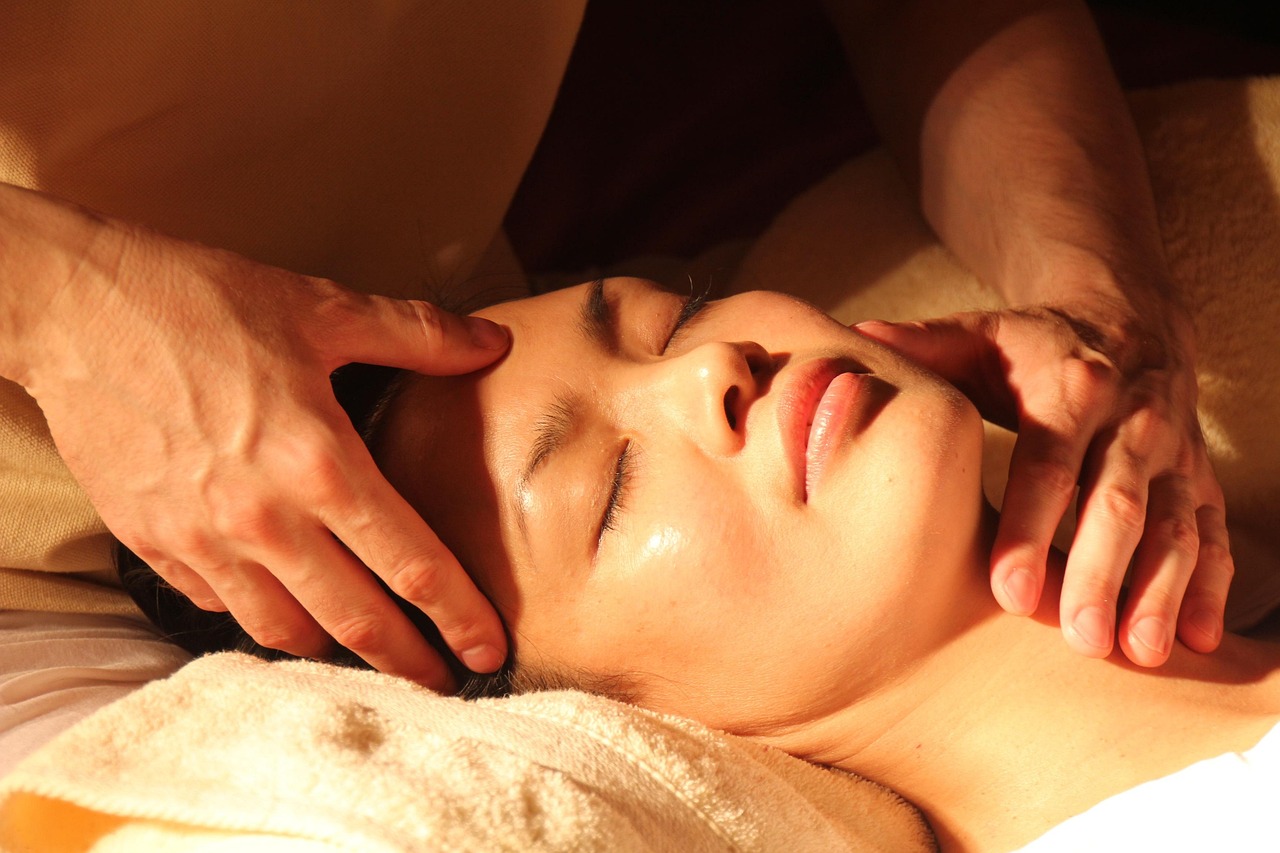
Many sessions begin with tight shoulders, but the real reason is often stress. The American Psychological Association reported in its 2023 Stress in America findings that health, money, and the economy were among the top significant stress sources for adults. A quiet room, steady pressure, and one hour away from screens can help after a full workweek. For many users, that simple break is the part they come back for.
Massage Fits a Practical Self-Care Routine
The American Massage Therapy Association reported in its 2025 consumer survey that 79% of surveyed people said their last massage was mainly for health, wellness, or stress-related reasons. AMTA is an industry association, so that survey is better read as consumer insight, not medical proof. Even so, it shows a clear buying habit in everyday wellness. People are not only booking massage for luxury; they are also using it as part of basic self-care.
What Does Science Say Health Massage Can and Cannot Do?
The direct answer is that the evidence is mixed, but still useful. Massage has better support for short-term comfort than for long-term disease treatment. It works best when expectations are clear, pressure is right, and medical care is not skipped when symptoms look serious.
Short-Term Relief Has the Strongest Support
The National Center for Complementary and Integrative Health says research reviews have found weak evidence that massage may help low-back pain, especially in the short term. It also notes that a 2015 Cochrane review found massage may offer short-term relief, although the evidence was not high quality. This is useful information for buyers and users. It is not a reason to promise too much.
Neck and Shoulder Results Need Careful Expectations
Neck and shoulder tightness is common for people who sit at desks, drive often, work retail shifts, or handle warehouse work. NCCIH says massage may provide short-term benefits for neck or shoulder pain, but some reviews found the evidence uncertain. So if your neck feels better for a week after a session, that can be a real result. If the pain keeps coming back, it is also worth checking posture, workload, sleep, and clinical advice.
Massage Is Supportive, Not a Cure
Mayo Clinic describes massage as integrative medicine that works on soft tissues such as muscles, tendons, ligaments, connective tissue, and skin. It lists possible benefits such as reduced stress, less pain and muscle tightness, greater relaxation, and immune system support. The wording matters here. Massage may support comfort, but it should not replace diagnosis or treatment when a health issue needs proper care.
Which Type of Health Massage Should You Choose?
The right massage style depends on your goal, your body, and your health history. Someone who wants quiet stress relief after travel may need a different session from someone with calf tightness after weekend running. Matching the method to the situation is more useful than simply asking for the strongest pressure.
Swedish Massage for General Relaxation
Swedish massage is often the easiest first choice. It usually uses light to medium pressure, long strokes, and a steady rhythm. Choose it when you feel tense but not injured, when sleep has been poor, or when you need your nervous system to slow down. It is also a good option if you are new to massage and do not want heavy pressure.
Deep Tissue Work for Targeted Tightness
Deep tissue massage works on deeper layers and firm tight spots. It can be useful for people with repetitive strain, sports soreness, or long-term muscle guarding. More pressure does not always mean better results. Sharp pain, breath-holding, or bruising means the work is too much, and a skilled therapist should adjust when you say so.
Gentle Methods for Sensitive Bodies
Some people do better with slower and lighter work. This may include older adults, people recovering from illness, or anyone who feels easily overloaded by touch. Gentle massage can still be useful when it is done with care. A lighter session that leaves you relaxed and able to move is better than a hard session that makes you sore for three days.
How Can You Make Each Session Safer and More Useful?
A good session starts before the therapist touches your back. Small details matter, including medications, recent injuries, pressure preference, and your goal for that day. A few minutes of clear talk can make the appointment safer and more useful.
Clear Health Details Before Touch
Tell the therapist about recent surgery, blood thinners, pregnancy, cancer treatment, skin infections, numbness, swelling, fever, or unexplained pain. The U.S. Bureau of Labor Statistics notes that most states regulate massage therapy and require a license or certification, though rules vary by state. That is why it is worth choosing someone properly trained for your area and your need. It also helps the therapist avoid work that may not be suitable for your condition.
Pressure That Matches Your Body
Pressure should feel useful, not punishing. Use plain words such as lighter on the neck, more work on the calves, or avoid the lower back today. If you usually stay quiet to be polite, set the tone at the start. A simple line like this pressure is a bit much is enough, because therapists expect feedback and cannot read your body perfectly.
Aftercare That Keeps Results Comfortable
After a massage, keep the next few hours simple. Drink water if you are thirsty, take a short walk, and do not jump straight into a hard workout. Mild soreness can happen, especially after focused work. Strong pain, dizziness, unusual swelling, or bruising that worries you is different, and in that case you should contact a health professional. See also: baby&kids.
When Should You Avoid or Delay Health Massage?
Massage is safe for many people, but not for every situation. Sometimes the better wellness decision is to wait. If something feels medically unclear, get checked first and book the session later. That short pause can help avoid a bigger problem.
New Injuries and Unexplained Pain
Delay massage if you have a fresh sprain, suspected fracture, open wound, sudden severe pain, or pain that appeared without a clear reason. Massage can irritate tissue that should be reviewed by a clinician first. For example, a hot swollen calf after travel is not a massage issue. It is a reason to seek care promptly.
Medical Conditions That Need Clearance
People with clotting risks, severe osteoporosis, active infection, uncontrolled blood pressure, advanced heart disease, or cancer treatment plans should ask a clinician before booking. Mayo Clinic notes that massage may be used with standard treatment in medical centers, but that setting also includes screening. At home or in retail wellness spaces, you need to share that safety information yourself. If the therapist does not ask any health questions, that is a sign to slow down.
Pregnancy and Sensitive Life Stages
Prenatal massage can be comfortable when it is done by someone trained for pregnancy. It still needs care with positioning, pressure, and health history. The same point applies to older adults or people with fragile skin. The right session may be shorter, slower, and more supportive than a standard deep tissue appointment.
How Can Health Massage Fit a Home Wellness Plan?
Massage works best when it is part of a plan you can actually keep. A monthly appointment may help, but daily habits decide how your body feels between sessions. On busy weeks, simple routines are usually easier to maintain than perfect plans.
Simple Tools Between Appointments
At home, you can use small wellness products in a sensible way: a massage ball for the feet, a warm pack for tight shoulders, a foam roller for large muscle groups, or unscented massage oil for light self-massage. Keep the pressure moderate and stop if the area feels worse. Two minutes on a sore spot is usually smarter than pressing hard for fifteen minutes. The goal is comfort and movement, not forcing the tissue.
Movement, Sleep, and Hydration
The World Health Organization recommends that adults aim for 150 to 300 minutes of moderate-intensity aerobic activity each week, or 75 to 150 minutes of vigorous activity. Massage cannot replace movement, sleep, or basic hydration. Think of it as a helper that may reduce tightness. When the body feels less stiff, walking, stretching, chores, and normal training may feel easier.
A Schedule Based on Your Body
There is no perfect massage schedule for everyone. Some people book every two weeks during a stressful season, then move to once a month. Others use massage only after travel or intense training blocks. Track three simple things after each session: pain level, sleep that night, and how long the benefit lasts, because real notes are more useful than vague memory.
FAQ
Q1: Is health massage good for everyday stress? A: It can be. Massage may help you relax, ease muscle tightness, and give you a quiet break from daily pressure. If stress feels hard to manage or comes with panic, depression, or sleep loss, professional mental health support is still important.
Q2: How often should you get a health massage? A: Start with one session and see how your body responds over the next few days. For general wellness, many people choose every 3 to 6 weeks. For targeted tightness, a short series may help, but ongoing pain should be checked by a clinician.
Q3: Should massage hurt to work? A: No. Firm pressure can feel strong, but it should not feel sharp, burning, or frightening. You should be able to breathe normally and relax into the work. Pain is a sign to ask for less pressure.
Q4: Can health massage help with back pain? A: It may help some people with short-term comfort, especially when muscle tension is part of the problem. Evidence for long-term back pain relief is limited. It is better to combine massage with movement, better work habits, and medical guidance when needed.
Q5: What should you do before your first massage? A: Pick a licensed or properly certified therapist, share your health history, name your main goal, and speak up about pressure. Avoid booking when you have fever, fresh injury, open skin, or unexplained severe pain.