
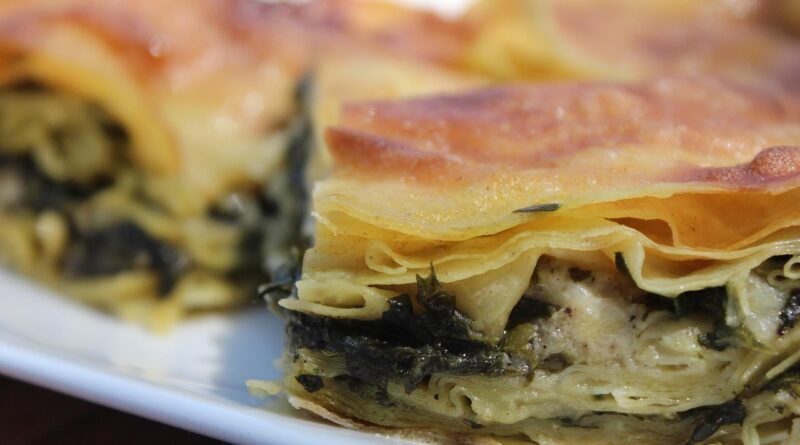
Is Turkish Food the Next Must-Have Category for Global Grocery Buyers?
Why Does Turkish Food Fit Modern Grocery Demand?
Turkish food sits in a useful spot for grocery buyers. It is easy enough to explain, but it still brings something different to the shelf. In the Food & Beverages market, that balance helps. Shoppers may not know every regional dish from Anatolia, but they usually know yogurt, grilled meats, flatbreads, olives, dried fruits, coffee, tea, nuts, and spice blends. That makes the first sales conversation much easier.
Strong Identity Built on Daily Meals
Turkish cuisine is not just restaurant food. A large part of it comes from normal home meals, such as lentil soups, bulgur pilaf, stuffed vegetables, yogurt sauces, pickled vegetables, breakfast spreads, and tea served through the day. That daily-use base works well for FMCG because it supports repeat buying. A jar of pepper paste or a pack of bulgur can move past a one-time trial and become a regular pantry item.
Shelf-Friendly Products With Repeat Use
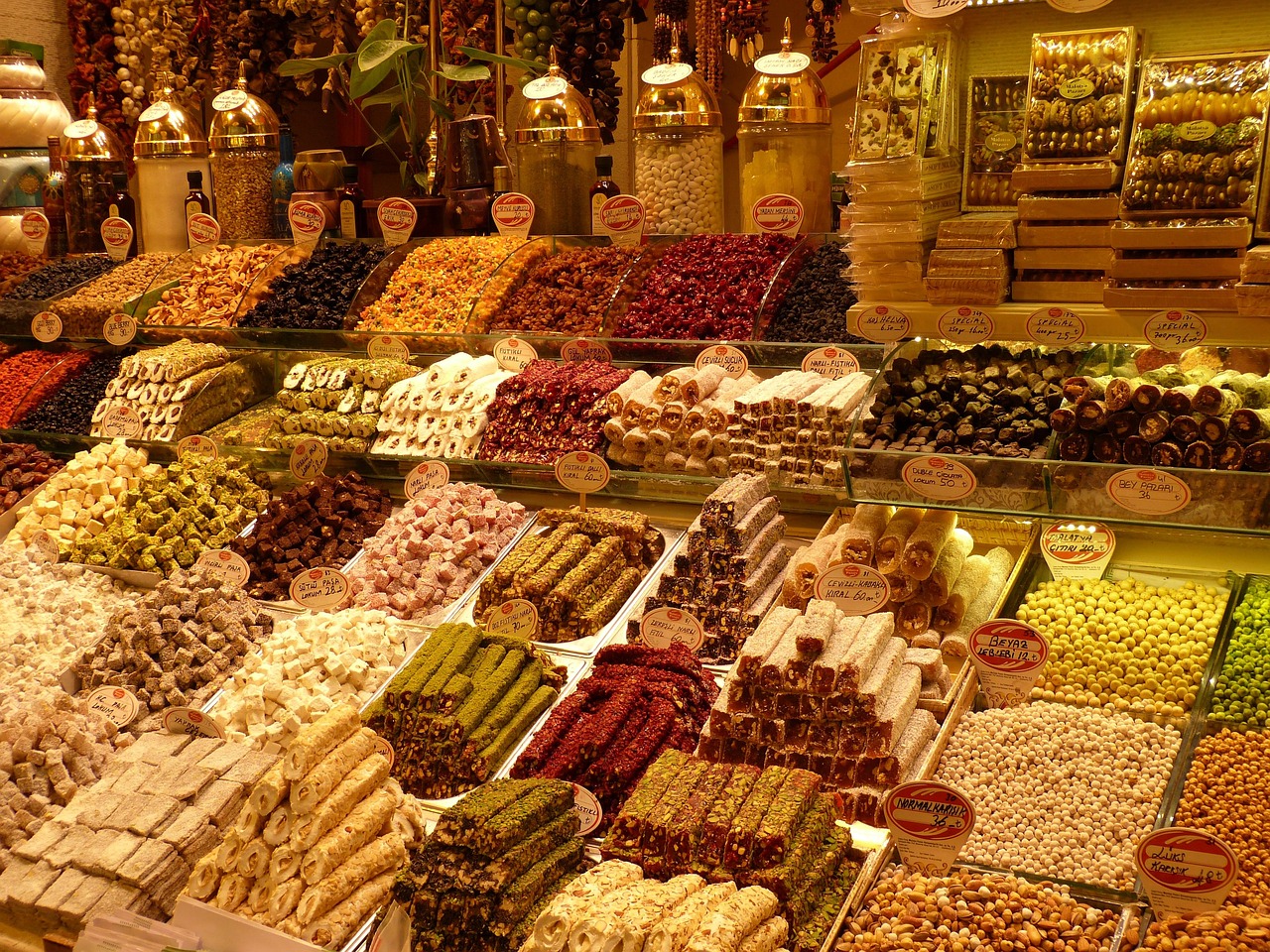
Many Turkish food products travel well and fit standard grocery aisles. Dried figs, apricots, hazelnuts, pistachios, delight, tahini, molasses, spices, legumes, pasta, biscuits, wafers, coffee, and tea all have clear shelf roles. They also do not require shoppers to cook a full Turkish meal from scratch. A parent can pack dried apricots in a lunchbox, a café can serve Turkish coffee as a higher-value hot drink, and a home cook can stir pepper paste into soup.
Cultural Proof That Sells Without Heavy Hype
Food culture gives the category a real backstory, but it does not need to be overplayed. UNESCO added Turkish coffee culture and tradition to its Representative List of the Intangible Cultural Heritage of Humanity in 2013. UNESCO also lists the ceremonial keşkek tradition and shared flatbread culture connected with Türkiye and neighboring countries. These points do not replace product quality, but they give importers and retailers a simple way to explain heritage on shelf talkers, catalog pages, and seasonal displays. Source: UNESCO Intangible Cultural Heritage, 2011 to 2016 inscriptions.
Which Turkish Food Categories Work Best for FMCG Buyers?
The right entry point depends on the channel. A supermarket may want snacks and basic pantry items, while a distributor may look first at bulk nuts, dried fruit, and ingredients. A convenience store may test single-serve sweets or ready-to-drink options. It is safer to begin with products shoppers can use without a recipe card, then add more regional items once the range has some movement.
Dried Fruits, Nuts, and Sweet Snacks
Dried fruits and nuts are among the easier Turkish food categories to sell because they already fit global snacking and baking habits. Türkiye is widely known for hazelnuts, figs, apricots, raisins, and pistachios. A November 2025 Focus Business Türkiye report from the Ministry of Trade stated that Türkiye ranked first worldwide in annual production of apricots and figs, and produced more than half of the world’s hazelnuts. For buyers, those figures point to a simple fact: this is not a small niche with unclear supply.
Grains, Pulses, Pasta, and Bakery Staples
Bulgur, lentils, chickpeas, wheat flour, pasta, semolina, biscuits, and cakes work well for shoppers who care about value and pantry use. Turkish Food Exporters reported cereals, pulses, oil seeds, and related products exports of 12.4 billion dollars for January to December 2025, plus 5.8 billion dollars for January to June 2026. That scale matters when you need steady supplier networks, not only good samples at a trade show. Source: Turkish Food Exporters homepage data, accessed July 2026.
Sauces, Pickles, Spices, and Ready Meal Kits
For retailers looking for flavor discovery, smaller items can do good work on shelf. Sumac, isot pepper, dried mint, red pepper flakes, pomegranate molasses, pepper paste, tomato paste, pickled peppers, and stuffed grape leaves can make a Turkish set feel active without taking too much space. They can also give better margin room than basic staples. The key is not to build a confusing wall of products, so keep the first range tight, add plain usage notes, and make the set easy to shop.
What Do Public Trade Numbers Say About Supply Strength?
Food buyers should be careful with broad claims. “Turkish food is popular” is not enough for a sourcing plan. Public trade numbers are more useful because they show that Türkiye has a large agricultural and food-processing base. Several product groups already move through export channels, which can lower launch risk for importers, private label buyers, and foodservice distributors.
Export Scale Across Food and Drinks
The Turkish Food and Drink Industry Associations Federation reported that Türkiye’s agriculture, food, and beverage sector exported 27.6 billion dollars in 2024, up 4 percent from the previous year. Imports fell to 18.2 billion dollars, creating a 9.4 billion dollar trade surplus. The federation said its bulletin was based on TurkStat foreign trade data. Source: TGDF Foreign Trade Bulletin, January 31, 2025.
Product-Level Signals for Buyers
Product data often helps more than a national headline. TGDF’s 2024 bulletin named hazelnut kernels, wheat flour, and sunflower oil among leading export products by value. It also reported Iraq, Germany, and Russia as top agriculture, food, and beverage export markets for Türkiye in that period. For a buyer, the takeaway is practical: Turkish suppliers already serve nearby and European markets, so documentation, labeling, and logistics experience may be easier to find.
Production Trends That Need Careful Planning
Supply still needs close planning. TurkStat’s 2024 crop statistics showed vegetables up 5.6 percent and fruits, beverage, and spice crops up 2.1 percent compared with 2023, while cereals and other field crops fell 5.0 percent. That mixed result is common in agriculture, but it tells buyers to ask about crop year, origin region, carryover stock, and alternative grades. A low price does not help if the supplier cannot repeat it next season. Source: TurkStat Crop Production Statistics, 2024.
How Can You Position Turkish Food on Retail Shelves?
Positioning should make the product feel useful, not strange. Many shoppers like global flavors, but they still buy in a hurry. The National Restaurant Association’s 2025 culinary forecast highlighted global cuisines, bold flavor, wellness, and sustainability as menu drivers. Retail is not foodservice, but the signal still matters: people want flavor when the reason to try it is clear.
A Simple Good-Better-Best Range
A good Turkish food range can start with value staples, then move into higher-value items. Good might include bulgur, lentils, tea, and basic spices. Better might include pepper paste, pomegranate molasses, dried figs, and Turkish coffee. Best could be organic dried fruit, single-origin hazelnuts, artisan delight, or gift-ready coffee sets. This price ladder helps you serve different budgets without making the category look crowded.
Pairing Notes That Make Products Easy to Try
Small pairing notes can help shoppers try the product. Keep the wording short and practical, because most people will only give the label a few seconds. A few examples work better than a long story:
- Serve Turkish coffee with a small sweet bite after dinner.
- Add sumac to onions, grilled chicken, or chickpea salad.
- Use pomegranate molasses in salad dressing or roasted vegetables.
- Pair dried figs with cheese, nuts, or breakfast oats.
- Stir pepper paste into soup, stew, beans, or pasta sauce.
Packaging That Explains Use in Ten Seconds
Good packaging answers three questions fast: what is it, how does it taste, and how do you use it? For example, “mildly tart spice for salads and grilled meat” is easier for shoppers than a long regional description. Add allergen details, storage advice, and recipe icons where space allows. A small map of Türkiye can also help, and shoppers do notice when a product feels grounded. See also: baby&kids.
What Should Importers Check Before Placing Orders?
A good product photo is not enough. Turkish food imports still need the same checks as any food and beverage program. The points below are basic, but missing one can cause delays, rejected shipments, or slow sales after launch.
Certificates, Lab Tests, and Market Rules
Ask for current certificates, ingredient lists, allergen statements, nutrition panels, shelf-life studies, and lab tests where needed. Nuts, dried figs, dried apricots, spices, and seeds may need extra checks for contaminants, moisture, pesticide residue, or sulfites, depending on your market. For the United States, label rules differ from the European Union, and private retailers may add their own standards. One certificate should not be treated as approval for every buyer.
MOQ, Lead Time, and Seasonal Risk
Minimum order quantity can change the full business case. A full container may work for a national distributor, but it may be too much for a first test in specialty retail. Ask about mixed pallets, trial orders, and seasonal windows. Dried fruit and nuts follow crop cycles, while coffee, tea, biscuits, and packaged pantry goods may offer steadier production. Even so, packaging material lead time can still cause delays, especially before holiday demand.
Pricing That Reflects More Than Unit Cost
Compare landed cost, not only factory price. Freight, insurance, duties, testing, relabeling, warehousing, damage rate, payment terms, and retailer margin all matter. A cheap jar becomes expensive if glass breakage is high. A higher-priced pack may still make sense if it reduces returns and looks better on shelf. If the product is new to your customers, leave room for sampling and promotions, because trial rarely happens by itself.
How Can Turkish Food Become a Long-Term Category Instead of a One-Time Trial?
The goal is not to place a few exotic products on a shelf and hope they sell. A long-term Turkish food category needs repeat use, clear merchandising, steady supplier work, and feedback from real buyers. It should feel like a useful pantry extension, not a souvenir from a trip.
Start With Familiar Formats
Choose formats shoppers already know, such as snack bags, resealable dried fruit packs, spice jars, coffee tins, tea boxes, sauces, dips, and ready meal kits. Familiar formats lower the barrier to trial. The flavor can be new, but the pack should be easy to understand. For online stores, show the product beside common foods, such as yogurt, bread, rice, salad, or roasted vegetables.
Build Baskets Around Meals
Turkish food sells better when products connect with each other. Bulgur can sit near lentils, spices, and tomato paste. Coffee can pair with delight, and dried figs can sit with nuts and cheese-board items. A breakfast set might include tea, honey, tahini, grape molasses, olives, and biscuits. These baskets help shoppers build a meal and help retailers raise average order value without pushing heavy discounts.
Track Real Store Feedback
There is no reliable public data source that measures global retail sales of Turkish food as one single category. That means your own sell-through data matters. Track which SKUs get repeat orders, which labels confuse shoppers, and which flavors need demos. A practical first test might be 8 to 12 items across snacks, pantry, and beverages. Then cut slow movers quickly and keep the range useful, not crowded.
FAQ
Q1: Is Turkish Food a Good Fit for Mainstream Grocery Stores? A: Yes, if you start with familiar items such as dried fruit, nuts, coffee, tea, bulgur, spices, biscuits, and sauces. These products are easy to explain and can support repeat purchase.
Q2: Which Turkish Food Products Are Best for First-Time Importers? A: Dried apricots, figs, hazelnuts, Turkish coffee, tea, bulgur, lentils, pepper paste, and pomegranate molasses are strong starting points because they have clear uses and established export channels.
Q3: Does Turkish Food Need Special In-Store Education? A: Some items do, but the message should stay simple. Short usage notes, pairing ideas, recipe cards, and small tastings usually work better than long cultural explanations.
Q4: What Risks Should Buyers Watch in Turkish Food Sourcing? A: Watch crop-year changes, moisture, allergens, sulfites, contaminant testing, packaging lead time, label rules, and landed cost. For nuts and dried fruits, lab checks are especially important.
Q5: Can Turkish Food Work for Private Label? A: Yes. Pantry staples, snacks, dried fruit, nuts, coffee, tea, and sauces can fit private label well, but buyers should confirm MOQ, packaging options, certifications, and repeat supply before launch.