

Why Does French Food Still Win on Global Grocery Shelves?
French food has a steady place on global grocery shelves. It feels familiar, a little premium, and easy to give as a gift, but it can still sit in a weekday basket beside coffee, snacks, sauces, and pantry staples. For more product ideas across fast-moving categories, visit the Food & Beverages section. The mistake is to sell French cuisine only as white-tablecloth dining. On a retail shelf, it works better when flavor, origin, and daily use are explained in plain language.
Why Does French Food Feel Premium Without Feeling Distant?
The pull starts with culture, but the buying decision still happens fast. Many shoppers do not know the full history of Burgundy, Normandy, or Provence. Even so, a label that says butter biscuit, sea salt caramel, Dijon mustard, or farmhouse cheese gives a quick cue. It tells the shopper the product has a place, a method, and a clear reason to be on the shelf.
A Social Meal with Clear Rituals
France.fr notes that the gastronomic meal of the French was added to UNESCO’s Intangible Cultural Heritage list in 2010, with fresh products, paired flavors, wine matching, table setting, and meal rituals all named as part of the practice. For retail, the point is practical: French food sells a small eating moment, not only calories. A jam can suggest breakfast, a terrine can suggest an easy appetizer, and a box of butter cookies can feel right for a coffee break. (france.fr)
Fresh Products from Local Terroir
Terroir is often linked with wine, but the same idea also helps butter, cheese, lentils, salt, vinegar, and fruit preserves. Buyers do not need a long story on every pack. A short line such as “made with milk from Normandy” or “style inspired by Provence herbs” can help shoppers picture the product. The wording still needs care. If a protected place name is used, the product must match the rule behind that name.
Everyday Pleasure Beyond Fine Dining
Many shoppers want French flavor, but they do not want a chef’s schedule. That is why shelf-stable sauces, frozen bakery, chocolate biscuits, mustards, soups, and ready-to-heat meals matter. A buyer planning an import range should think by eating occasion: breakfast, office snack, lunch upgrade, cheese board, dinner shortcut, and gifting. This keeps the range useful, not just good-looking.
Which French Food Categories Travel Best?
Export-friendly French products usually have three things in common: known product cues, clear packaging, and a shelf life that fits the route. Chilled cheese may feel more authentic, but it asks more from logistics. Biscuits and condiments are easier to scale. A good range often uses both, instead of betting on one side only.
Bakery Staples with Strong Recognition
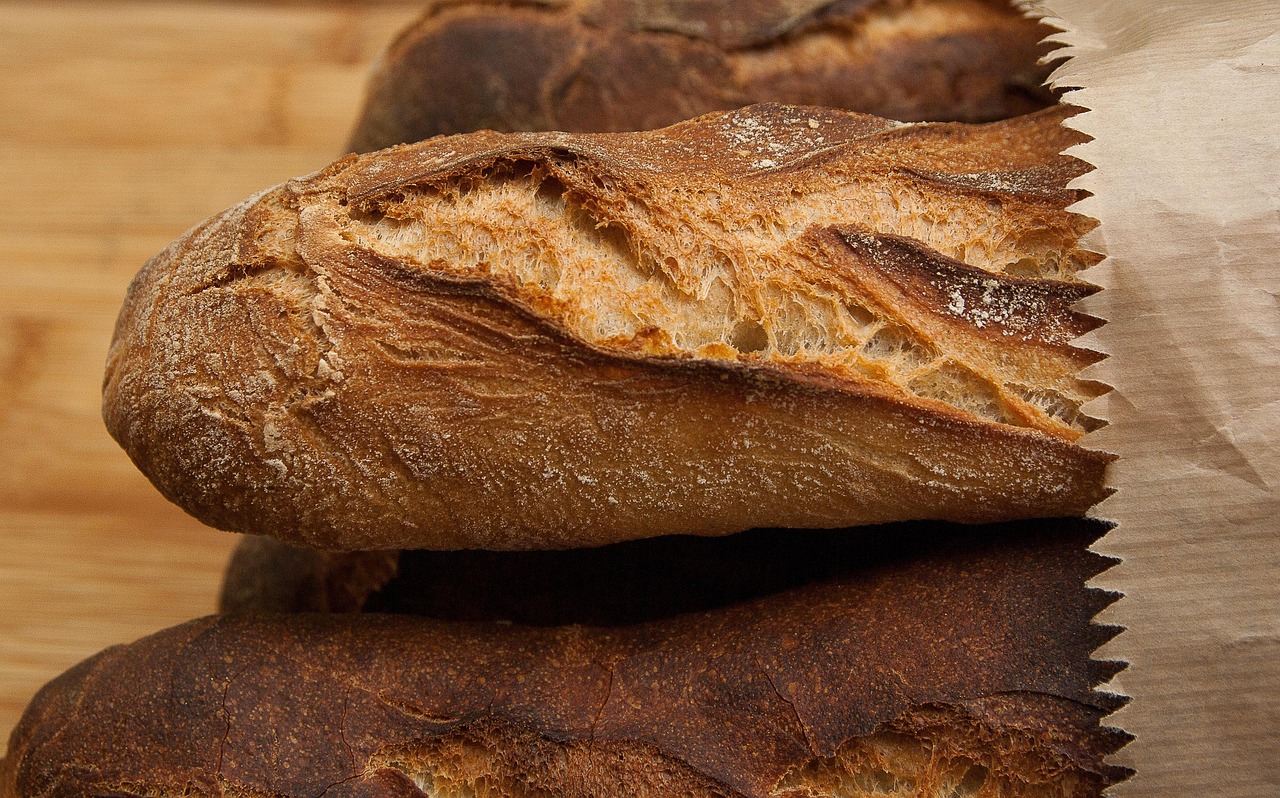
Baguette culture gives French bakery a head start, even when the item is not a fresh baguette. In 2022, UNESCO inscribed the artisanal know-how and culture of baguette bread, calling it the most popular type of bread enjoyed in France throughout the year. That helps explain why croissants, brioche, crêpes, galettes, and bake-at-home breads feel clearly French abroad. For FMCG, frozen par-baked items and ambient bakery snacks are usually easier to handle than fresh bread. (ich.unesco.org)
Cheese, Dairy, and Chilled Assortments
Cheese gives a range credibility, but it also brings temperature control, labeling work, and shorter date codes. Softer cheeses can be harder to manage than hard cheeses during long transit. Butter and cream-based products can work well when the cold chain is steady. For a first listing, buyers often start with smaller cheese portions, mixed packs, or a few famous profiles. Creamy, nutty, blue, goat, and washed rind styles are easy for shoppers to understand.
Sauces, Pantry Items, and Ready Meals
Mustard, vinaigrette, herbs, bouillon, soups, pâté, canned vegetables, fish spreads, and fruit preserves carry French cues with lower logistics risk. Ready meals can also work if the pack shows a clear plate idea. “Duck confit with potatoes” is easier to understand than a vague premium meal. The pack should answer a simple shopper question. What is dinner tonight?
How Do French Regions Shape Product Choice?
Regional identity helps avoid a flat “French” range where every item feels the same. A shelf with several regions can look richer, but it should not turn into a geography lesson. Use the region when it helps the shopper choose a flavor. If it does not help the sale, keep the message shorter.
Brittany and Normandy for Dairy Comfort
Brittany and Normandy are useful cues for butter biscuits, salted caramel, cream, apples, cider flavors, and dairy-led desserts. These products often feel warm and comforting rather than formal. A simple display with coffee, tea, or breakfast products can work better than a separate gourmet corner. In many stores, shoppers walk past that corner unless they already planned to buy a gift.
Provence and the South for Herb Notes
Provence suggests herbs, tomato, olive notes, garlic, fish stews, and summer cooking. This is strong for marinades, crackers, spreads, pasta sauces, and vegetable jars. The trick is to keep the design under control. Too many lavender fields and old villages on a label can look touristy. One clean herb cue and a serving suggestion usually works better.
Alsace, Burgundy, and Bordeaux for Pairing Stories
Some regions help because they point shoppers toward a meal. Alsace can support charcuterie, pickles, pastry, and white wine meal ideas. Burgundy and Bordeaux bring stronger links with sauces, beef dishes, mushrooms, and wine-linked entertaining. Even when alcohol is not in the SKU, the region can still guide the shopper toward a meal style.
What Do Public Data Say About Demand?
Public data will not tell you which SKU will win next month, but it does show the size and quality of the opportunity. French food belongs to a large, mature market at home and also has a strong export story abroad. That mix is useful for buyers who need both brand appeal and commercial logic. It gives French food room in both premium and regular grocery plans.
A Large and Mature Food Market
The International Trade Administration reported that France had food retail sales of about $394 billion in 2024 and consumer-oriented imports of about $53 billion. This background matters because France is a demanding market with strong grocery standards. Products that perform in France often arrive with serious quality expectations. For overseas buyers, that can support premium pricing, but it also raises the bar for claims, packaging, and consistency. (trade.gov)
Export Strength with Premium Pressure
FranceAgriMer reported that France kept its sixth-place rank among global exporters of agricultural and agri-food products, with a 4.3 percent market share, slightly lower than in 2023. The reading is mixed, but still solid. France remains a major supplier, while other origins keep pushing for space. Retailers should not buy French origin alone; they still need the right pack size, price point, and category role. (franceagrimer.fr)
Wine and Spirits as Category Anchors
The French Wine and Spirits Exporters Federation reported that French wine and spirits exports reached €15.6 billion in 2024. For a non-alcohol food range, this still matters because wine culture supports cheese, crackers, preserves, chocolate, pâté, and gift packs. A store does not need to sell wine to borrow the occasion. A “French aperitif” shelf with savory biscuits, olives, mustard, and spreads can feel natural. (fevs.com) See also: baby&kids.
How Can You Sell French Food Without Making It Feel Too Fancy?
The risk with French food is making it look too polished. If every item looks like a luxury gift, shoppers may save it for “someday” and buy a cheaper snack today. A better route is premium but usable. The product should feel good enough for guests and easy enough for Tuesday.
Plain Language on Pack
Use French names when they add charm, then explain them quickly. “Rillettes” may need “slow-cooked pork spread.” “Madeleines” may need “soft shell-shaped sponge cakes.” Do not make the shopper work too hard. A few French words can help the pack, but a full front panel that feels like a language test will slow the sale.
Pairing Ideas for Weeknight Use
Pairing suggestions should be specific and short. For example, mustard belongs with roasted chicken, fig jam with brie, sea salt butter cookies with coffee, and lentils with sausage or mushrooms. These details may look small, but they reduce hesitation at the shelf. They also help store staff place products near the right neighbors in-store.
Smaller Formats for Trial
Trial size matters in export. A 90 g biscuit box, mini jam set, small cheese wedge, or single-serve dessert can lower the risk of the first purchase. Once shoppers trust the flavor, larger family packs or gift tins can follow. This is useful in markets where French food is admired but not bought every week.
What Should Buyers Check Before Importing French Food?
Good sourcing is not only about taste. Buyers also need to check legal names, shelf life, documents, and how the product looks after transport. A strong label cannot fix a weak route plan. This is where the buying file matters as much as the tasting table.
Origin Labels and Legal Names
France’s INAO manages official quality and origin signs such as PDO, PGI, Label Rouge, and organic references. These signs can add trust, but they are not decoration. If a product uses a protected name, the supplier should provide documents that match the claim. Buyers should check the exact wording before artwork is printed. (inao.gouv.fr)
Shelf Life and Cold Chain Reality
Ask for remaining shelf life on arrival, not only total shelf life at production. A chilled dessert with 35 days total life may be fine for nearby markets but difficult for long-distance shipping. Frozen bakery can be easier to move, but freezer burn and carton strength still matter. Route testing should be done before a large order. A perfect spreadsheet will not show every handling problem.
Ingredient Lists and Local Compliance
Labels need local language, allergen rules, nutrition panels, and import documents that match the destination market. Some ingredients common in France may need extra review elsewhere. For a niche product or small producer, reliable public data may not be available. In that case, note it in the buying file and ask the supplier for proof instead of guessing.
FAQ
Q1: What Is the Best French Food Category for a First Import Range? A: Biscuits, condiments, jams, and shelf-stable spreads are often easier than chilled cheese because they show French cues with lower logistics risk.
Q2: Is French Food Only for Premium Shoppers? A: No. It can work for premium gifting, but everyday items such as mustard, butter cookies, soups, and ready meals can reach regular grocery shoppers.
Q3: How Important Is Regional Origin on French Food Packaging? A: It helps when it explains flavor or trust. Normandy for dairy, Provence for herbs, and Burgundy for rich sauces are clearer than a generic French flag.
Q4: Should Buyers Use French Product Names on Labels? A: Yes, but pair them with simple English. A French name plus a clear product description helps shoppers buy with confidence.
Q5: What Is the Biggest Risk When Selling French Food Abroad? A: The main risk is making the range look too formal or confusing. Clear use cases, honest origin claims, and practical pack sizes usually sell better.