
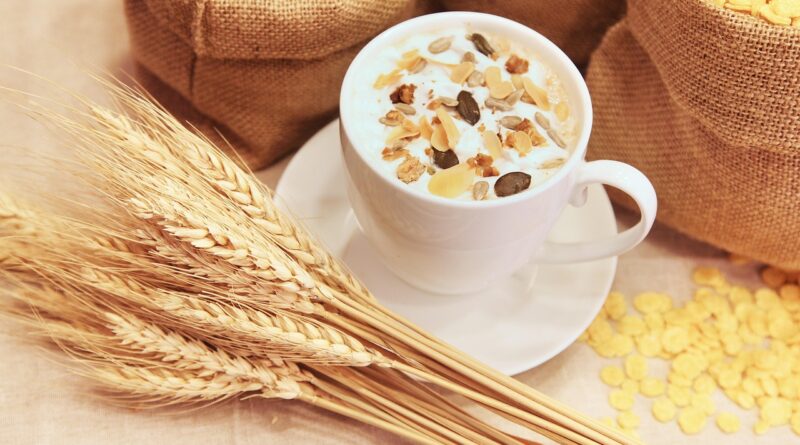
What Breakfast Food Do Busy Shoppers Actually Want?
Why Does Breakfast Food Still Matter in Modern FMCG?
Breakfast food keeps a steady place in the Food & Beverages aisle because people buy it around habit, time, comfort, and repeat use. A shopper may test a dinner sauce once, but cereal, oat cups, breakfast bars, or drinkable yogurt can go back into the basket every week if they work on a busy morning. For importers, distributors, and retail buyers, this is still a category worth checking line by line.
Breakfast Is a Daily Habit
USDA’s What We Eat in America analysis of NHANES 2017 to March 2020 found that 85% of U.S. adults consumed breakfast on the intake day. Among breakfast consumers, the meal supplied about 21% of daily energy intake, along with useful shares of vitamin A, folate, iron, and vitamin D. The point is not complicated: breakfast may be fast, but it still takes up a real place in the customer’s daily diet. (ncbi.nlm.nih.gov)
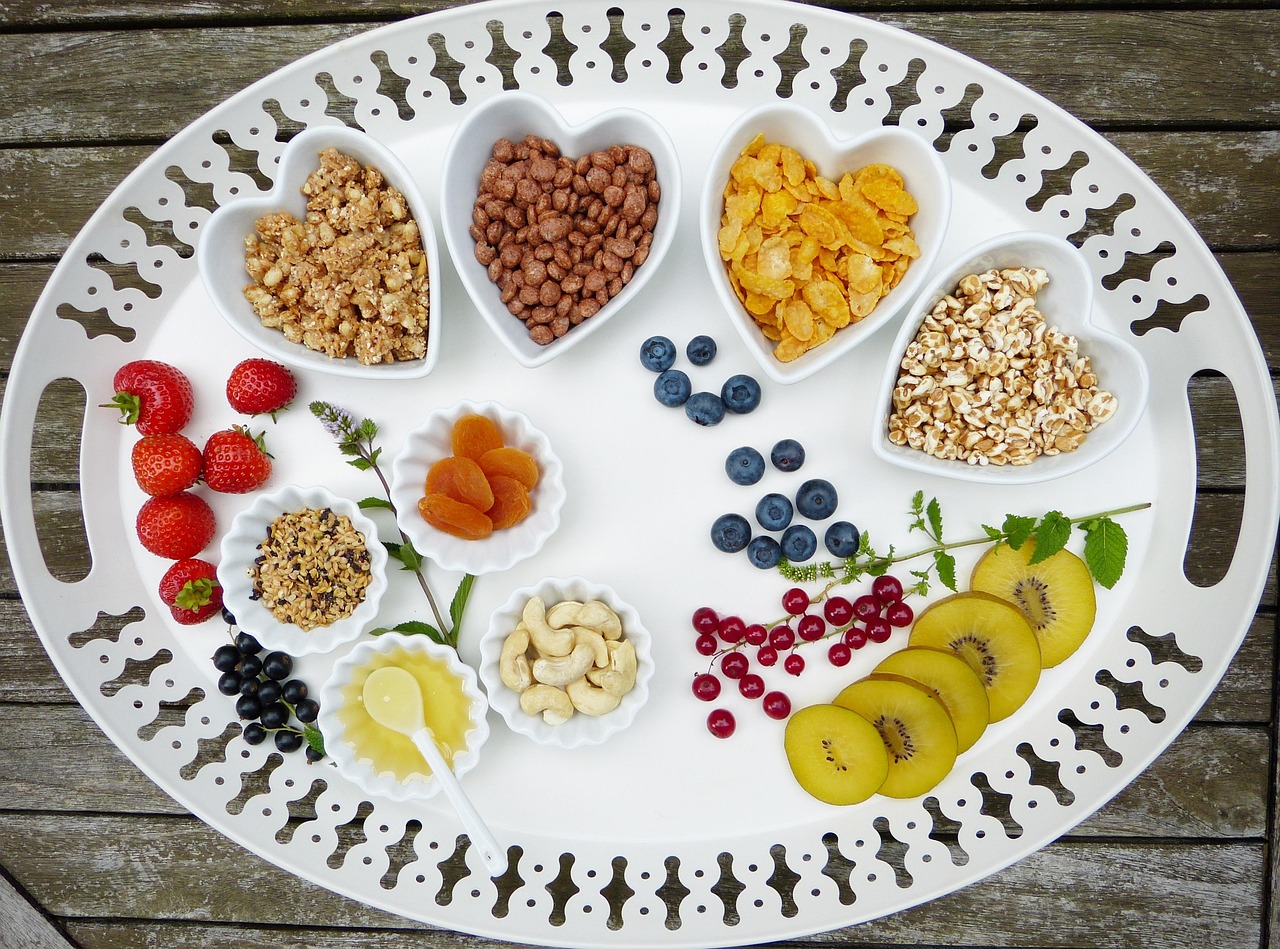
Morning Time Pressure Shapes Choice
Morning food is not usually chosen in a slow, relaxed way. A parent may be packing lunch, a commuter may be checking the time, and a student may be eating while walking out the door. Circana’s Future of Morning report, released in November 2024, said 90% of U.S. morning meals are prepared in less than 15 minutes. That is why products with a short prep route often work better: open, heat, pour, mix, or grab. (circana.com)
Global Demand Still Has Room
Breakfast is not only a North American supermarket category. Research and Markets reported that the global breakfast cereals market reached $39.16 billion in revenue in 2024, with 5.30 billion kilograms in consumption volume. For FMCG buyers, the figures point to a mature market, but not a dead one. Hot cereal, ready-to-eat cereal, and related breakfast formats still have room when the product and channel match. (researchandmarkets.com)
What Should a Good Breakfast Food Deliver?
A good breakfast product does not have to do everything. In stores, the item that keeps moving usually does three things well: it tastes good, feels acceptable from a nutrition angle, and does not slow people down in the morning. If the pack also sits well on shelf and ships without problems, the buyer has a much easier job.
Fast Preparation With Real Satiety
Speed can put the product into the cart, but satiety is what helps bring the shopper back. A sweet cereal that leaves someone hungry at 10 a.m. may sell once, then sit unfinished in the pantry. Better breakfast options combine quick use with oats, whole grains, nuts, dairy, eggs, beans, seeds, or protein-rich ingredients. That may be an oat cup with milk powder, a breakfast biscuit with fiber, or a high-protein granola that does not taste like cardboard. Nobody wants cardboard at 7:15 a.m.
Balanced Nutrition Without a Lecture
Shoppers do look at nutrition cues, but most of them do not want a lesson in the aisle. The 2026 IFIC Food & Health Survey reported taste at 88% and price at 78% as the strongest U.S. food and beverage decision drivers, with convenience at 61% moving ahead of healthfulness at 56%. This matters in breakfast because a product can mention protein, whole grain, or lower sugar, but it still needs to taste right, feel easy, and make sense on price. (ific.org)
Taste That Feels Familiar
The safer breakfast launches usually begin with a base people already know. Oats can take cocoa, apple cinnamon, matcha, coconut, or dates without making the product feel too far from normal breakfast. Granola can move from classic honey into sesame, almond, or tropical fruit, and pancake mixes can add whole grain or protein without asking shoppers to learn a new eating habit before coffee. In retail, familiar first and new second is often the better route.
Which Breakfast Food Categories Sell Best Across Channels?
There is no one breakfast item that fits every market. A hotel buyer, a convenience store operator, an online grocery seller, and a neighborhood supermarket will not build the same shelf. Even so, some categories move across channels because they match how people actually eat in the morning.
Ready-to-Eat Cereal and Granola
Ready-to-eat cereal remains a basic breakfast shelf item because it is simple, easy to portion, and works for families. Granola gives the range a higher-value feel and can be used as breakfast, topping, or snack. For import buyers, breakage, bag sealing, carton strength, and humidity control need close checking before shipment. A good cluster product loses value quickly if it arrives as dust.
Oatmeal and Hot Cereal
Oatmeal and hot cereal fit shoppers who want warmth, fiber, and a filling meal. Single-serve cups work for offices, convenience stores, hotels, and online multipacks, while larger pouches fit value retail and family pantry use. For export, plain or lightly flavored bases can be easier to place than very sweet versions. Local distributors can then sell them to both health-focused shoppers and mainstream shoppers without changing the product too much.
Breakfast Bars and Drinkable Options
Bars, shakes, and dairy-based drinks serve shoppers who do not sit down for breakfast. Circana noted that beverage-only mornings sourced from home or retail have grown since 2020, and that coffee, tea, water, energy drinks, and protein shakes now play a bigger morning role. Buyers should not view these only as drinks or snacks. Many customers use them as a breakfast replacement or as something to hold them until a later meal. (circana.com)
How Can You Judge Breakfast Food Quality on the Label?
Label checking is where buyers can avoid costly mistakes. Front-pack claims may help the first sale, but the Nutrition Facts panel and ingredient list decide whether the product can pass repeat checks from retailers, parents, and health-aware shoppers.
Added Sugar and Serving Size
Sugar needs a close look because breakfast products can hide it behind a healthy-looking pack. The FDA’s updated healthy claim framework, announced in December 2024, requires qualifying foods to contain food group amounts and meet limits for added sugars, saturated fat, and sodium. The agency also noted that highly sweetened cereals and highly sweetened yogurts are examples of items that may not qualify under the updated claim. For buyers, this means serving size and added sugar should be checked before any large order. (fda.gov)
Protein, Fiber, and Whole Grain Clues
Protein, fiber, and whole grains are useful selling points when the numbers are clear and believable. IFIC’s 2026 survey found that U.S. consumers named fresh, good source of protein, good source of nutrients, low in sugar, and natural among the top ways they define healthy food. For breakfast products, these cues should be easy to see on the front pack and supported by the label. If the front pack says one thing and the Nutrition Facts panel suggests another, retailers will notice.
Short Ingredient Lists and Clear Claims
Short ingredient lists do not always mean a product is better, but they do make the buying decision easier. If a breakfast biscuit needs a long list of stabilizers, colors, and sweeteners to taste acceptable, some shoppers will stop and think. Clear claims such as whole grain oats, no artificial colors, source of fiber, or 10g protein per serving are easier to understand than broad wellness wording. They also give store staff and online listings a cleaner message to work with. See also: baby&kids.
What Breakfast Food Works Better for Export and Retail?
Export buyers need to look past flavor. Shelf life, carton cube, pallet pattern, temperature needs, label compliance, and local breakfast habits all affect the final result. A product can taste good and still be a weak import choice if it breaks, melts, expires too soon, or needs too much explanation for the shopper.
Shelf-Stable Packs for Lower Risk
Shelf-stable breakfast food is usually the easier first step for cross-border FMCG. Cereal, granola, oats, breakfast biscuits, powdered drink mixes, and nut-based bars avoid cold-chain cost and suit longer shipping routes. They also let retailers test demand without the same pressure from short expiry windows. For a new market, that lower risk can matter more than having the most interesting product on day one.
Refrigerated and Frozen Products for Premium Stores
Frozen waffles, pancakes, breakfast sandwiches, and chilled drinks can support a higher retail price, especially in urban supermarkets and premium channels. The trade-off is tighter logistics and less room for handling mistakes. Before listing, buyers should ask for real temperature data, shelf-life evidence, thawing tolerance, and packaging tests. If the cold chain is weak, even a strong brand can look poor by the time it reaches the freezer door.
Small Formats for Trial Purchases
Small formats help when a product enters a new market. Single cups, mini cereal boxes, trial-size granola pouches, and assorted packs lower the first-purchase barrier for shoppers. They also work well in online grocery because people can add breakfast items to a basket without feeling they are taking a large risk. For distributors, small packs can also give useful early sales feedback before moving into bigger cartons.
How Should Buyers Build a Breakfast Food Range?
A useful breakfast range should feel planned, not random. Buyers need products for value shoppers, health-focused shoppers, families, commuters, and people who just want something simple with coffee. The shelf does not have to be large, but each item should have a clear job.
Good-Better-Best Price Ladders
Start with a good-better-best ladder. The good tier may be basic oats or family cereal, while the better tier can add whole grain, fruit, nuts, or portion packs. The best tier may use higher protein, cleaner labels, premium ingredients, or special flavors. This setup helps retailers avoid a shelf where every product fights at the same price point.
Local Flavor With Familiar Bases
Local taste matters in breakfast, especially when buyers are building an import range. Chocolate, honey, banana, strawberry, and cinnamon travel well, but regional flavors can make a line feel closer to the market. Think coconut in tropical markets, date in Middle Eastern channels, sesame or red bean in parts of Asia, or lower sweetness in markets where dessert-style breakfast is not common. Keep the base familiar and let the flavor accent do the local work.
Merchandising by Morning Mission
Group products by use case, not only by product type. A morning energy block can hold coffee, oat cups, and protein bars, while a family breakfast block can hold cereal, pancake mix, and shelf-stable milk. A better-for-you block can place low-sugar granola, whole grain oats, and nut mixes together. Shoppers usually think by need, and the shelf should make that choice easier.
FAQ
Q1: What Is the Most Practical Breakfast Food for Retail Buyers? A: Shelf-stable oats, cereal, granola, and breakfast bars are practical first choices because they are easy to ship, easy to display, and already familiar to many shoppers.
Q2: Is High-Protein Breakfast Food Always Better? A: Not always. Protein helps satiety and has strong shopper appeal, but taste, price, sugar level, texture, and serving size still decide whether people buy it again.
Q3: How Much Should Convenience Matter in Breakfast Food Selection? A: A lot. Public market data shows most morning meals are made quickly, so products that take less than 15 minutes, or need no prep at all, fit daily life better.
Q4: Are Sweet Breakfast Products Bad for the Category? A: No, but sweetness needs control. A sweet product can work if the serving size is clear, the taste is good, and the added sugar level does not conflict with retailer or consumer expectations.
Q5: What Should Importers Check Before Buying Breakfast Food in Bulk? A: Check shelf life, carton strength, moisture protection, label claims, nutrition facts, local compliance, minimum order quantity, and whether the flavor fits the target shopper.