

Is Diet Food Really Healthy or Just Clever Marketing
Why Does Diet Food Deserve a Fresh Look?
Diet food is not just a small shelf with plain crackers and zero-calorie drinks anymore. It now shows up in snacks, ready meals, dairy, beverages, sauces, and breakfast products across the wider Food & Beverages aisle. The hard part is sorting the useful items from the regular processed food with pale packaging and big front-pack claims.
The need is clear in the market data. In a February 2026 report using NHANES data from August 2021 to August 2023, the CDC National Center for Health Statistics reported that 40.3% of U.S. adults aged 20 and older had obesity, 9.7% had severe obesity, and another 31.7% were overweight. That is why shoppers are looking for easier meals and better snacks, not magic products. (cdc.gov)
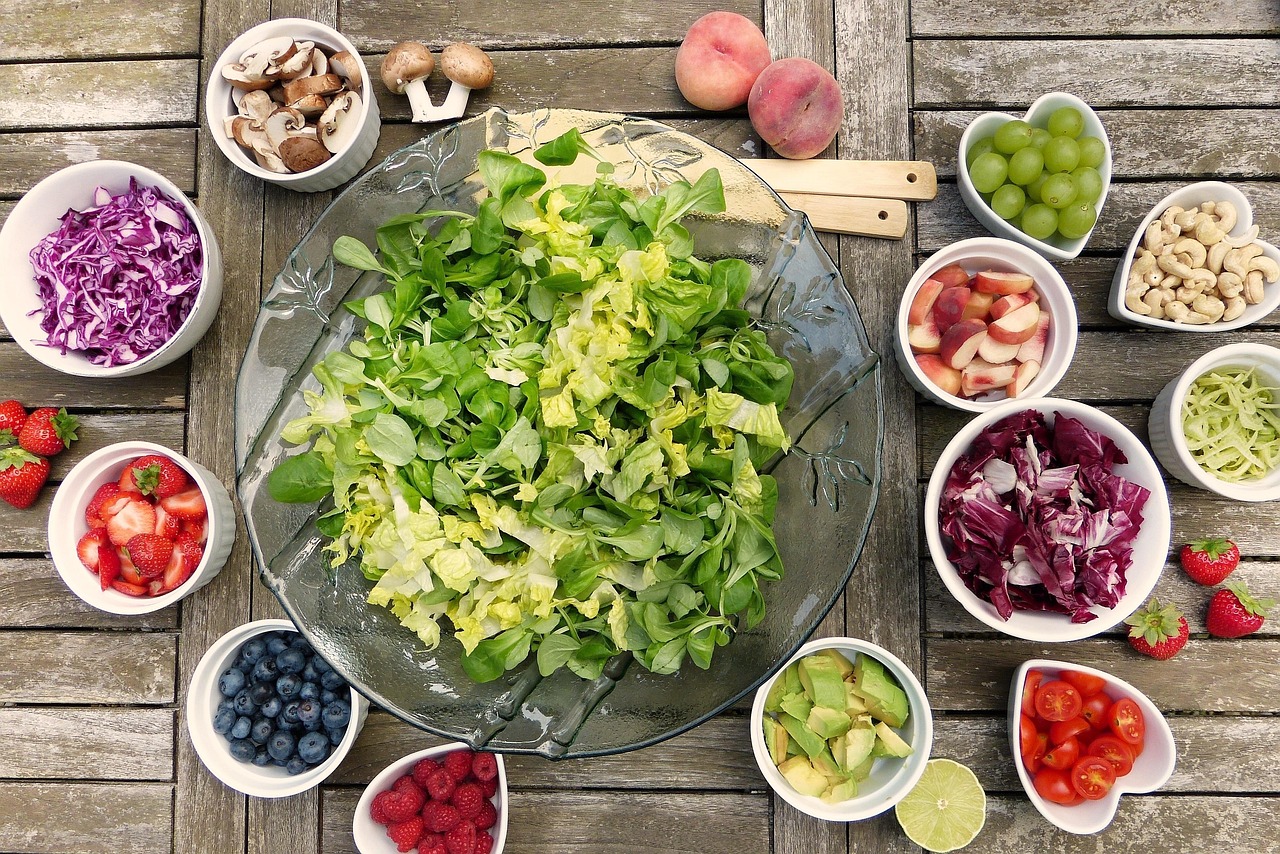
What Diet Food Usually Means
Most diet food follows one or more basic routes: fewer calories, less sugar, reduced fat, higher protein, more fiber, smaller portions, or lighter carbs. These points are not bad on their own, and some products use them well.
The issue starts when one good number hides a poor product. A cookie can be low fat and still carry plenty of sugar, while a sugar free drink may offer little beyond flavor. It is better to judge the whole pack, not just the claim printed in the biggest type.
Why Shoppers Keep Reaching for It
People buy diet food because workdays are full and meals are not always planned. A shopper may need a 3 p.m. snack that does not spoil dinner, a lunch that travels well, or a drink that feels less plain than water.
Convenience matters, but taste decides repeat sales. Nobody buys cardboard-flavored bars for long, even when the label looks clean and the calorie number is low.
The Real Test on the Label
A useful diet product should pass a quick label check. Does it give protein, fiber, fruit, vegetables, dairy, whole grains, or healthy fats, and does the serving size match how people really eat it?
Added sugars and sodium also need to make sense for the role of the product. If most answers are yes, the product has a better chance of earning space in the cart.
What Should Good Diet Food Do for You?
Good diet food should make a normal day easier, not turn eating into a numbers exercise. The better products help people feel fed, keep taste in the routine, and make personal goals easier to follow. A good item does not have to be perfect. It just needs to do its job in a clear way.
Steady Energy From Real Nutrients
The World Health Organization states in its healthy diet guidance, updated in 2026, that adults should eat at least 400 grams of fruit and vegetables per day, limit free sugars to less than 10% of total energy, and keep salt below 5 grams per day. For diet food, that points to a simple rule: lighter products should still move the buyer toward fruit, vegetables, legumes, nuts, whole grains, or other nutrient-dense ingredients. (who.int)
A low-calorie label is not enough if the product has little food value. Buyers should look for ingredients that can support a meal or snack, not just fill a marketing slot.
Less Sugar Without a Flat Taste
Low sugar can help in beverages, yogurts, cereals, sauces, and snack bars. Even so, the product still has to taste good enough for regular use.
Better recipes use fruit, cocoa, cinnamon, vanilla, cultured dairy notes, roasted grains, or nutty flavors to keep the taste balanced. If a yogurt needs candy-like sweetness to feel edible, it is probably not the best daily choice.
Portions That Fit Normal Days
A diet food portion should work in the hand, in a lunchbox, or beside a work laptop. A 100-calorie pack can help some shoppers, but it can also feel pointless if hunger comes back ten minutes later.
The better portions balance calories with staying power. For example, a snack with protein and fiber usually does more work than a tiny sweet bite with little nutrition.
Which Label Claims Can You Trust?
Front labels are written to sell. Back labels give the plainer facts. This does not mean every brand is trying to mislead buyers. It means the front of the pack has limited space, so the strongest claim usually gets the best position. The rest of the pack needs to support that claim.
Calories Need Context
Calories matter for weight management, but they do not explain the full value of a product. A 90-calorie drink and a 180-calorie Greek-style yogurt are not doing the same job in a day.
One may mainly provide hydration and flavor, while the other may bring protein, calcium, and fullness. When comparing products, ask what the shopper gets for the calories, not only how low the number is.
Added Sugar Tells a Clearer Story
The U.S. Food and Drug Administration requires Nutrition Facts labels to show added sugars, and the Daily Value for added sugars is 50 grams on a 2,000-calorie diet. That gives buyers a simple reference point. (fda.gov)
If one small serving uses up a large part of that number, it may fit better as an occasional treat. It should not be treated as a daily diet food hero just because the front label sounds light.
Sodium and Fat Still Matter
Reduced calorie meals often use salt to carry flavor, and low-fat foods sometimes use sugar or starch to rebuild texture. That is why sodium, saturated fat, and the ingredient list need to be read together.
A frozen bowl with vegetables, lean protein, and moderate sodium can be useful. A low-calorie meal with a salty finish and very little protein may leave the shopper looking through the pantry later.
How Does Diet Food Fit Into Weight Management?
Diet food can support weight goals when it helps build a pattern people can repeat. It is less useful when it relies on strict rules, guilt, or one-product fixes. In real buying, weight management usually comes from daily choices that cut excess without making meals feel empty.
Protein Helps Meals Feel Complete
The USDA and HHS Dietary Guidelines for Americans, 2025 to 2030, place nutrient-dense foods at the center, including protein, dairy, vegetables, fruits, healthy fats, and whole grains. For shoppers, protein-rich diet food can help when it fits into a balanced plate. (odphp.health.gov)
The same product is less useful when it only adds protein powder to a sugary base. Buyers should check the full recipe, not just the protein callout.
Fiber Makes Snacks Work Harder
Fiber is one of the practical strengths in diet food. It can come from oats, beans, lentils, vegetables, fruit, seeds, or whole grains. See also: baby&kids.
A snack with 4 or 5 grams of fiber often feels more useful than a puffed snack that disappears in three bites. It is not flashy, but a good bean soup cup can beat many trend-led diet snacks.
Small Swaps Beat Extreme Rules
Small swaps are easier to repeat. Choose sparkling water instead of a sugary soda at lunch, or pick a higher-protein yogurt instead of a frosted pastry on a rushed morning.
A lighter dressing can also work when the salad still has chicken, chickpeas, eggs, or nuts. These changes are not dramatic, and that is why many shoppers can keep them going.
What Should Brands and Buyers Look for in Diet Food?
For FMCG buyers, diet food is not only about the nutrition panel. Trust, repeat purchase, shelf life, price, and kitchen use all matter. A product can win a first trial and still lose repeat orders if the texture is strange, the claim feels pushed, or the pack is hard to use.
Short Ingredient Lists Build Confidence
The 2024 IFIC Food and Health Survey reported that U.S. consumers most often defined a healthy food as fresh at 39%, a good source of protein at 37%, and low in sugar at 35%. That mix is useful when selecting products. (ific.org)
Shoppers want food that feels familiar and useful. A scientific-looking label with fancy wording will not carry the product if the food itself does not make sense.
Shelf Life Should Not Replace Food Quality
Diet food in FMCG often needs a long shelf life, especially for export, warehouse storage, and online retail. That requirement is normal in trade, but shelf stability should not become an excuse for weak nutrition.
Retort soups, canned fish, unsweetened tea, whole grain crackers, nut mixes, and shelf-stable protein drinks can all meet real needs. The recipe still has to be built with care.
Packaging Must Match Daily Habits
Packaging has a direct effect on repeat buying. Single-serve snacks can help portion control, but too much packaging can feel wasteful and may put off some buyers.
Resealable bags suit nuts or granola, while clear serving marks help sauces and beverages. For offices, gyms, school bags, and travel, easy opening and low mess matter more than many brands admit.
How Can You Build a Better Diet Food Basket?
A good basket is not a random mix of low-calorie products. It should include meals, snacks, beverages, and a few flexible extras. Think of it as a backup system for busy days, not a punishment plan. The right basket helps people avoid a hungry, expensive, and often salty decision at the last minute.
Start With Breakfast and Snacks
Breakfast and snacks are where many people lose structure. Useful diet food options include plain or low-sugar yogurt, oats, eggs, whole grain crispbread, fruit cups packed without syrup, cottage cheese, roasted chickpeas, and portioned nuts.
For snacks, it helps to pair two benefits. Protein plus fiber, or crunch plus healthy fat, usually works better than a low-calorie item with no staying power.
Pair Beverages With Food Goals
Beverages can add sugar, calories, caffeine, or sodium without much notice. A better diet beverage should do one clear job.
It may hydrate, replace a sugary drink, add protein, or support a meal without becoming dessert. Unsweetened tea, sparkling water, low-sugar dairy drinks, and lightly flavored electrolyte drinks can all fit, depending on the shopper and the day.
Keep One Treat in the Plan
A basket with no pleasure in it usually breaks quickly. Keep one planned treat, such as a dark chocolate square, a mini ice cream, or a small pack of baked chips.
This is not a loophole; it is a pressure valve. Diet food works better when normal life is still allowed, including movie nights and the odd office birthday cake.
- Choose products that offer protein, fiber, or real food ingredients.
- Check added sugars, sodium, and serving size before trusting a front-pack claim.
- Avoid products that promise detox, spot fat loss, or results no public authority can verify.
- Buy items you can repeat in normal routines, not just products that look strict.
FAQ
Q1: Is Diet Food Always Low in Calories? A: No. Some diet food is lower in calories, but other products focus on protein, fiber, reduced sugar, or portion control. Always compare serving size and nutrients.
Q2: Can Diet Food Help With Weight Loss? A: It can help when it replaces higher-calorie choices and keeps you full. It will not work well if the rest of the daily diet stays unbalanced.
Q3: What Is the First Label Number to Check? A: Start with serving size, then check calories, protein, fiber, added sugars, sodium, and saturated fat. Serving size changes the meaning of every other number.
Q4: Are Sugar-Free Diet Foods Better? A: Sometimes. Sugar-free drinks or snacks may reduce added sugar, but they still need to taste good and fit your broader eating pattern.
Q5: What Diet Food Is Best for Busy Workdays? A: Look for portable foods with protein and fiber, such as low-sugar yogurt, nuts, fruit, whole grain crackers, tuna packs, roasted legumes, or balanced ready meals.