
Kitchen appliances essentials for a practical home kitchen
What kitchen appliances essentials really mean
Kitchen appliances essentials are the tools that support the daily work of storing food safely, preparing ingredients, cooking meals, reheating leftovers and cleaning up with less friction. The right list is not the same for every household. A studio apartment, a family kitchen and a shared rental all have different space limits, cooking routines and budgets. A practical essentials list should start with repeatable needs, not trendy devices. For more home setup ideas, see the Household Essentials section.
A useful way to judge any appliance is to ask three questions. Does it solve a task you do several times a week? Does it fit the kitchen without blocking counter space, storage or ventilation? Can it be maintained safely over several years? If the answer is yes, it may deserve a place. If the answer depends on one recipe, one season or one novelty feature, it is probably optional.
The core appliances most households use every week
Most kitchens rely on a small group of appliances before any specialty equipment becomes useful. These are not always the most expensive items, but they support the highest-frequency tasks. When planning a new kitchen or replacing older equipment, start with food storage, primary cooking, reheating and cleaning.
Refrigerator and freezer
A refrigerator is usually the anchor of a home kitchen because it keeps perishable food ready for daily meals. Capacity should match shopping habits rather than the largest model that fits the wall. A person who shops twice a week may need less cold storage than a household that buys bulk groceries or freezes cooked meals. Adjustable shelves, clear drawers and reliable door seals matter more than decorative features when the goal is everyday function.
Measure height, width, depth, hinge swing and delivery path before purchase. A refrigerator that technically fits the opening can still block a cabinet, island or walkway when the doors open. Also consider the freezer layout. Upright shelves make small packages easier to see, while deep drawers can work well for bulk meat, frozen vegetables or prepared meals if they are organized with bins.
Cooktop, range or oven
A primary cooking appliance can be a freestanding range, a built-in cooktop with a wall oven, or a compact countertop oven for smaller households. The right choice depends on the meals cooked most often. Households that boil, sauté and simmer daily may prioritize burner control and easy-clean surfaces. People who roast, bake or prepare sheet-pan meals need oven capacity, even heating and safe clearance around hot surfaces.
Gas, electric and induction options each have trade-offs. Gas offers visible flame control but requires proper ventilation and attention to combustion safety. Electric coil and smooth-top models are common and widely compatible with cookware. Induction can heat quickly and keep the surrounding surface cooler, but it requires magnetic cookware and an appropriate electrical setup. These practical details often matter more than promotional feature lists.
Microwave or fast reheating appliance
A microwave is not only for convenience food. It is useful for reheating leftovers, softening ingredients, steaming vegetables and reducing food waste when cooked portions can be reused quickly. In a compact kitchen, a microwave with a modest footprint may be more practical than a large multi-function model. In a larger kitchen, an over-the-range unit can save counter space, but installation, ventilation and height should be considered carefully.
Dishwasher or an efficient cleaning setup
A dishwasher can be an essential appliance for households that cook frequently, share meals or manage many dishes each day. It can reduce cleanup time and keep counters from becoming storage for dirty cookware. However, it is not equally essential in every home. Some apartments lack space or plumbing, and some smaller households manage well with a deep sink, drying rack and disciplined handwashing routine.
If choosing a dishwasher, look beyond the number of cycles. Rack design, noise level, filter access, drying performance and compatibility with everyday plates and pans all affect real usefulness. A quiet dishwasher may matter in an open-plan home, while a quick wash cycle may matter more in a busy family kitchen.
Small appliances that earn their counter or cabinet space
Small appliances can make cooking easier, but they are also the fastest way to overcrowd a kitchen. The strongest candidates either replace repetitive manual work or combine several functions without becoming difficult to clean. Before buying one, decide where it will live. If an appliance is heavy, awkward or buried in a closet, it may not be used often enough to justify the cost.
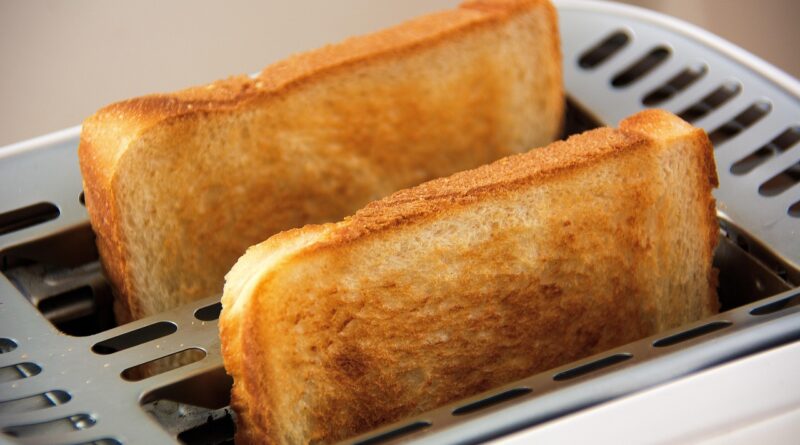
- Toaster or toaster oven: A basic toaster works for bread and bagels, while a toaster oven can reheat crisp foods, toast small batches and handle simple baking without using a full oven.
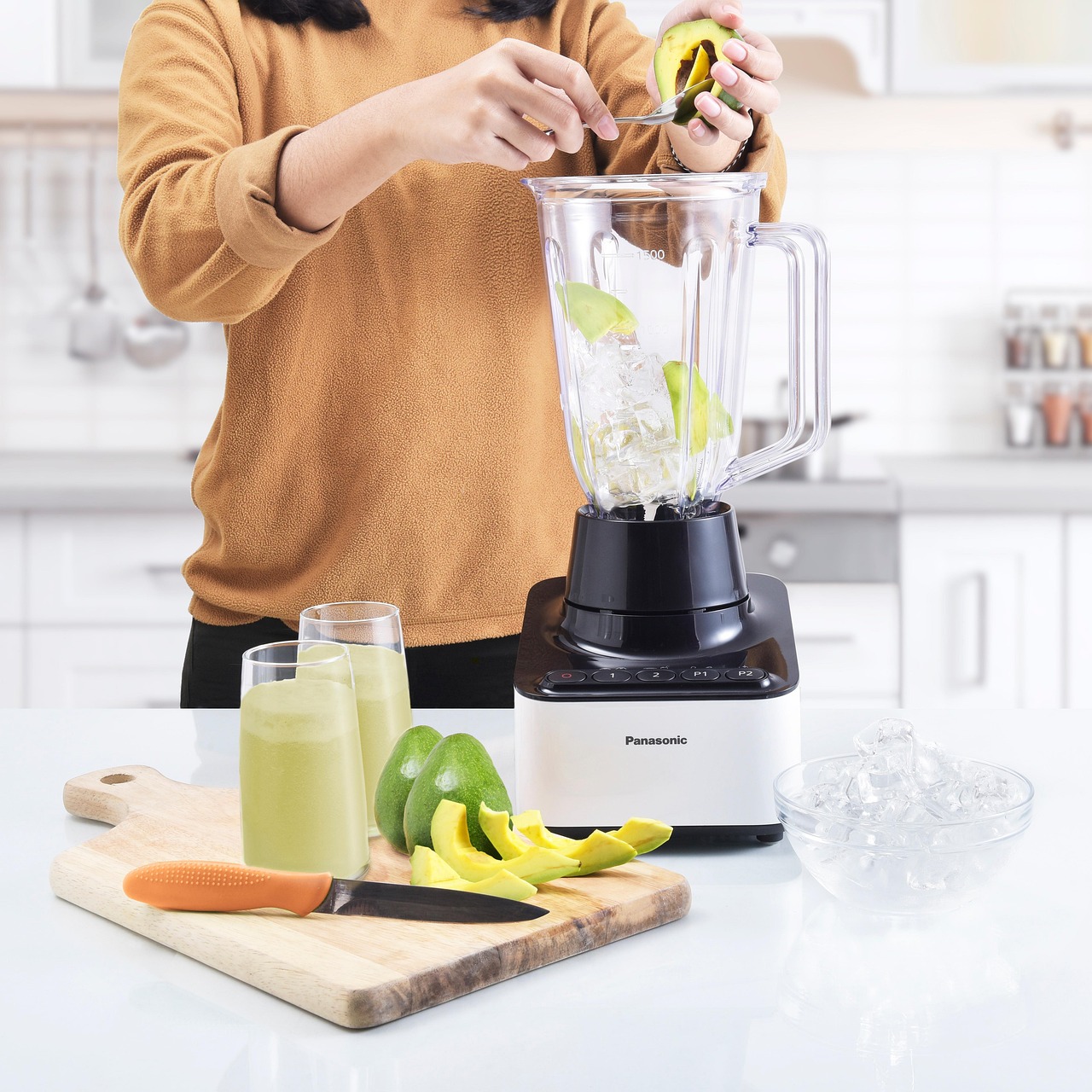
- Blender or immersion blender: A countertop blender is useful for smoothies, sauces and soups. An immersion blender saves storage space and is easier to clean for small batches.
- Rice cooker or multi-cooker: A rice cooker is valuable in homes that prepare rice or grains often. A multi-cooker can add pressure cooking, slow cooking and steaming, but only if those modes match actual meals.
- Electric kettle: A kettle is efficient for tea, instant oatmeal, French press coffee and speeding up water heating before cooking.
- Food processor: This earns its space when chopping, shredding, slicing or making dough happens regularly. For occasional prep, a sharp knife and cutting board may be enough.
- Hand mixer or stand mixer: A hand mixer suits occasional baking and takes little space. A stand mixer is heavier and more expensive, so it makes sense mainly for frequent baking or dough work.
A practical buying framework before you upgrade
Appliance shopping often becomes confusing because product pages emphasize long feature lists. A better framework starts with the kitchen task, then narrows the appliance by space, safety, energy use, maintenance and realistic frequency of use. This helps prevent overspending on features that sound impressive but do not change daily cooking.
| Decision factor | What to check | Why it matters |
|---|---|---|
| Task frequency | How often the appliance will be used in a normal week | Daily tools deserve better quality than occasional gadgets |
| Kitchen fit | Counter depth, cabinet clearance, door swing, cord reach and ventilation space | A good appliance becomes frustrating if it blocks movement or airflow |
| Capacity | Household size, portion habits and batch cooking needs | Oversized appliances waste space, while undersized ones create repeated work |
| Cleaning | Removable parts, filter access, dishwasher-safe components and surface materials | Difficult cleaning reduces long-term use and can create hygiene issues |
| Energy and water use | Current labels, operating modes and automatic shutoff features where available | Efficient appliances can reduce waste over years of use |
| Service and lifespan | Warranty terms, replacement parts and availability of local service | Repairability can be more valuable than a short list of extra settings |
Budget should be planned by role. Spend more where performance and reliability affect daily meals, such as refrigeration and primary cooking. Spend cautiously on specialty devices unless they replace takeout, reduce repetitive prep or support a specific dietary routine. A lower-priced appliance used every morning can be a better purchase than a premium device used twice a year.
Safety, efficiency and maintenance checks
Kitchen appliances combine heat, electricity, water and moving parts, so safe setup matters as much as features. Always read the manufacturer manual before first use, especially for clearance, load limits, cleaning methods and parts that should not go into water or a dishwasher. If an appliance needs a gas line, dedicated circuit, built-in ventilation or permanent installation, a qualified professional should handle the work.
Countertop heat appliances need stable surfaces and open space around vents. Avoid placing air fryers, toaster ovens, electric grills or pressure cookers under low cabinets while they are releasing heat or steam. High-wattage appliances should not be run through light-duty extension cords. Cords should be kept away from sinks, hot burners and sharp drawer edges.
Efficiency also depends on use. A refrigerator works best when door seals are clean, airflow is not blocked and the temperature is checked periodically with an appliance thermometer. Dishwashers perform better when filters are cleaned as directed and spray arms are not blocked by tall utensils. Ovens and cooktops remain more predictable when spills are cleaned before they carbonize into stubborn residue. See also: baby&kids.
Maintenance is easier when it follows regular habits. Wipe small appliances after each use, deep-clean removable parts weekly if they are used often, descale kettles and coffee equipment when mineral buildup appears, and inspect plugs or cords during routine cleaning. If a product behaves abnormally, such as sparking, overheating, smelling burnt or shutting off unexpectedly, stop using it until the cause is identified.
How appliance needs change by household type
Apartment or small kitchen
Small kitchens benefit from fewer, more flexible appliances. A compact refrigerator, reliable microwave, two-slice toaster or toaster oven, electric kettle and one multi-use prep appliance can cover many daily needs. The biggest risk is counter crowding. If every appliance must be moved before cooking, the kitchen will feel inefficient even if the equipment is useful.
Family kitchen
Family kitchens often need capacity and durability more than novelty. A larger refrigerator, dependable range, dishwasher with flexible racks, microwave and a few time-saving small appliances can reduce daily pressure. The best choices are usually easy to clean, simple enough for multiple adults to use and sturdy enough for frequent cycles.
Batch cooking and meal prep
For households that cook in batches, freezer space, a large oven, food processor, rice cooker, slow cooker or pressure multi-cooker may become more important. The goal is not to own every time-saving device, but to support a repeatable system: prep ingredients, cook multiple portions, cool safely, store clearly and reheat without quality loss.
Rental and shared spaces
Renters and shared households should prioritize portable appliances, clear ownership and easy cleaning. Avoid built-in commitments unless approved by the property owner. In shared kitchens, simpler appliances with obvious controls are often better than complicated models that require careful setup every time.
Common mistakes that make kitchens less efficient
The most common mistake is buying by trend instead of routine. A new appliance may promise convenience, but if it duplicates equipment already in the kitchen or solves a rare problem, it adds clutter. Another mistake is ignoring dimensions. Countertop appliances can look small online but become bulky when cords, handles, lids and ventilation space are considered.
Many households also underestimate cleaning. If a blender has many hard-to-reach parts, a juicer creates heavy pulp waste, or a grill plate requires careful scrubbing after every meal, the appliance may be used less over time. Ease of cleaning is not a minor feature; it is often the difference between a daily essential and a cabinet filler.
A third mistake is treating smart features as a substitute for core performance. Timers, app controls and preset programs can be useful, but they do not compensate for uneven heating, poor build quality, weak seals or awkward controls. Start with the fundamentals: safe operation, consistent performance, suitable size and maintainable parts.
Frequently asked questions
What are the most essential kitchen appliances for a first home?
Most first homes need a refrigerator, a primary cooking appliance, a microwave or reheating option and a basic cleaning setup. After that, a toaster, kettle, blender or rice cooker can be added based on actual cooking habits. It is usually better to start with fewer reliable items and add appliances after routines become clear.
Is an air fryer an essential kitchen appliance?
An air fryer can be very useful for people who often cook frozen foods, vegetables, small proteins or crisp leftovers. It is not essential for every kitchen, especially if a convection oven or toaster oven already covers the same tasks. Its value depends on frequency of use, available counter space and willingness to clean the basket regularly.
Should small appliances stay on the counter?
Only appliances used daily or several times a week usually deserve permanent counter space. Less frequent tools can be stored in a cabinet, pantry shelf or appliance garage. Keeping counters clear improves prep space, cleaning speed and the feeling of order in the kitchen.
How can I choose between a single-purpose appliance and a multi-function one?
Choose a single-purpose appliance when it performs a frequent task very well, such as making toast or boiling water. Choose a multi-function appliance when several modes will genuinely be used and the controls are simple enough for daily cooking. A multi-function device is not a space saver if most of its functions go unused.
When should an old appliance be replaced?
Consider replacement when an appliance becomes unreliable, unsafe, difficult to repair or noticeably inefficient for your current needs. Warning signs include damaged cords, failing door seals, inconsistent heating, unusual smells, recurring leaks or repeated service problems. For built-in, gas or high-power appliances, get professional advice before continuing use.