
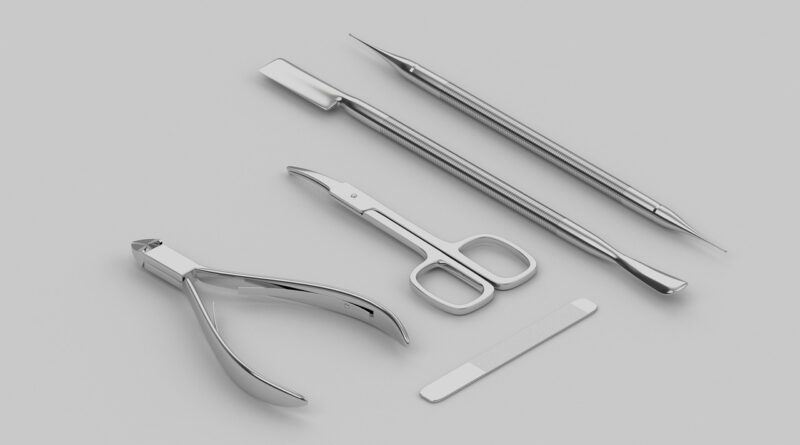
A practical home essentials tool kit for everyday household fixes
What a home essentials tool kit is meant to do
A home essentials tool kit is not a contractor’s toolbox, and it is not a full emergency supply cache. It is a compact, easy-to-reach set of tools and consumables for ordinary household jobs: tightening loose hardware, hanging lightweight items, opening packages, replacing batteries, labeling cords, making temporary repairs, and handling minor problems safely until a professional is needed.
The best kit balances three practical needs: repair, safety, and replenishment. That makes it useful for apartments, family homes, dorms, first homes, and any household trying to organize household essentials without filling a garage or closet with rarely used equipment.

Public preparedness guidance from Ready.gov and FEMA includes simple items such as flashlights, batteries, first-aid supplies, manual can openers, and wrenches or pliers as part of household readiness. Consumer Reports has also advised starting with the basics and adding specialized tools only when the need becomes clear. That approach fits a home essentials tool kit because most households use dependable basics far more often than specialty gear.
For broader household supply planning, visit the Household Essentials section.
The core tools for small repairs and assembly
The core kit should cover common tasks without becoming too heavy, crowded, or confusing. If a tool is hard to identify, unsafe for a typical user, or needed only once every few years, it usually belongs in secondary storage rather than the everyday kit.
| Tool | Best everyday use | Buying note |
|---|---|---|
| Claw hammer | Driving small nails, removing picture hooks, light assembly | A medium-weight hammer is easier for most households than a heavy framing hammer. |
| Multi-bit screwdriver | Furniture assembly, cabinet hardware, battery compartments, outlet covers | Choose one with common Phillips, slotted, and square bits. |
| Precision screwdriver set | Eyeglasses, toys, electronics covers, small appliances | Keep it in a case so tiny bits do not disappear. |
| Adjustable wrench | Loose nuts, furniture bolts, some plumbing connections | A 6- or 8-inch wrench is enough for most indoor tasks. |
| Slip-joint and needle-nose pliers | Gripping, bending wire, pulling small fasteners, reaching tight spots | Comfortable handles matter more than extra size. |
| Tape measure | Furniture placement, curtains, rugs, replacement parts | A 12- or 16-foot tape is sufficient for most rooms. |
| Level | Hanging shelves, frames, hooks, and curtain rods | A compact level is easier to store; phone apps can help but are not always convenient. |
| Utility knife with spare blades | Opening cartons, trimming materials, cutting tape | Use a retractable knife and store replacement blades safely. |
| Hex key set | Flat-pack furniture, handles, bikes, small fixtures | Include both metric and SAE sizes if possible. |
| Flashlight or headlamp | Power outages, under-sink work, breaker panels, nighttime leaks | A headlamp keeps both hands free during repairs. |
A cordless drill is useful, but it is not mandatory for a starter kit. It becomes more worthwhile if you regularly assemble furniture, install shelves, or maintain an older home. If you include one, store the charger with it, label the battery, and keep a modest bit set nearby. For renters, a drill may cause problems if the lease restricts wall holes, so removable hooks and hand tools may be the more practical choice.
Protective items should sit with the tools, not in a distant closet. Safety glasses, cut-resistant or work gloves, and a simple dust mask are inexpensive additions that make small jobs safer. They are especially useful when cutting packaging, clearing broken glass, handling rough wood, or checking dusty spaces.
Consumables that make the kit more useful
Consumables are what turn a box of tools into a kit that can actually finish a job. These fast-moving household essentials get used up, misplaced, or borrowed. A practical setup keeps small quantities in the main kit and stores backup stock on a labeled shelf or in a nearby cabinet.
- Tapes: Painter’s tape for temporary marking, masking tape for labeling, duct tape for short-term holding, electrical tape for labeling or low-risk insulation tasks, and plumber’s tape for threaded plumbing connections. Electrical tape should not be treated as a permanent repair for damaged wiring.
- Fasteners: Assorted screws, wall anchors, picture hangers, nails, washers, and furniture pads. Sort them in small compartments and label by type.
- Cable management: Zip ties, hook-and-loop straps, cord labels, adhesive clips, and spare charging cables. These reduce clutter and make troubleshooting easier.
- Adhesives: General-purpose glue, removable mounting strips, felt pads, and small tubes of clear household sealant. Check expiration dates because old adhesives often fail.
- Batteries: Keep the sizes used by flashlights, remotes, toys, thermostats, and some alarms. Store batteries in original packaging or a battery organizer so terminals do not contact metal objects.
- Cleaning and handling supplies: Microfiber cloths, paper towels, disposable gloves, small trash bags, disinfecting wipes, and resealable bags for loose parts.
- Basic first-aid supplies: Adhesive bandages, gauze, antiseptic wipes, tweezers, cold packs, and any household-specific medical items recommended by a medical professional.
Avoid overpacking. A small kit that can be carried to the problem is more useful than a large box that stays buried. Keep only enough consumables for a few tasks, then restock from the refill area. That reflects how household products are usually used: in small quantities, often quickly, and often when someone is already dealing with a leak, outage, loose part, or messy repair.
Safety and emergency items that belong nearby
Some safety items are too important to hide inside a toolbox, but they should still be planned alongside it. The U.S. Fire Administration has warned that residents may have less than two minutes to escape a home fire after a smoke alarm sounds. The Consumer Product Safety Commission has also stated that working smoke alarms can significantly reduce the risk of dying in a home fire. These points do not make a tool kit a fire safety plan, but they do show why household readiness should go beyond screwdrivers and tape.
Keep smoke alarms and carbon monoxide alarms installed where required by local code and manufacturer instructions. The American Red Cross and fire safety organizations commonly advise alarms on every level of the home, outside sleeping areas, and inside bedrooms. Test alarms according to the maker’s instructions and replace units when they reach the end of their rated life.
A small fire extinguisher may be appropriate in kitchens, garages, laundry areas, or workshops, but it should not create false confidence. Fire safety organizations generally emphasize escape first. Use an extinguisher only when the fire is small, the exit is clear, the correct extinguisher is available, and the user has been trained or is confident following the instructions. Otherwise, leave and call emergency services.
Ready.gov and FEMA recommend household emergency supplies such as water, nonperishable food, a flashlight, batteries, a first-aid kit, a whistle, a dust mask, sanitation items, a manual can opener, local maps, chargers, and basic tools. These do not all need to live in the everyday tool bag. A cleaner system is to create three zones: an everyday repair kit, a safety station for alarms and fire items, and an emergency supply bin for longer outages or evacuation needs.
How to tailor the kit to your household
A practical kit should reflect the home, the people using it, and the rules of the property. A one-bedroom rental, a suburban house, and a multigenerational home should not have identical kits.
For apartments and rentals
Renters should prioritize reversible fixes: removable hooks, felt pads, furniture sliders, drain hair tools, cord organizers, and a copy of maintenance contact information. Avoid drilling into walls, modifying plumbing, or changing electrical components unless the lease and local rules allow it. Painter’s tape and a marker are also useful for labeling boxes, shelves, and cords during moves. See also: baby&kids.
For single-family homes
Homeowners may need more repair depth. Consider a caulk gun, spare hose washers, weatherstripping, a stud finder, a socket set, a small pry bar, and basic knowledge of utility shutoff locations. If the home has gas, water, or other shutoff points, learn the correct procedure from the utility provider or a qualified professional before storing a shutoff tool. A tool used incorrectly can create risk rather than solve a problem.
For families, pets, and older adults
Homes with children should keep sharp tools, batteries, adhesives, and chemicals locked or out of reach. The CPSC has long emphasized child-resistant storage for hazardous household products. Families may also want cabinet latches, outlet covers where appropriate, corner guards, and a dedicated container for small parts that could become choking hazards.
For older adults or households with mobility needs, choose tools with easy-grip handles, clear labels, and a lightweight storage bag. A stable step stool with a handhold may be safer than improvising with a chair, although any climbing task should be approached cautiously. Add large-print emergency contacts and keep the most-used items between waist and shoulder height.
Storage, maintenance, and replacement schedule
The most common failure of a home essentials tool kit is not the lack of a specialty tool. It is dead batteries, dull blades, dried-out glue, missing tape, or a flashlight that no one can find during an outage. Organization and maintenance are part of the kit, not an afterthought.
Use a tool bag, lidded box, or drawer system depending on the size of the home. A soft-sided bag works well for apartments because it is portable and fits in a closet. A clear bin works well for larger homes because the contents are visible. Use smaller pouches for sharp items, first-aid supplies, batteries, and fasteners. Label compartments in plain language rather than relying on memory.
| Schedule | What to check | Why it matters |
|---|---|---|
| Monthly | Return tools, check flashlight access, remove trash or loose blades | Keeps the kit usable during quick household tasks. |
| Quarterly | Test flashlights, review batteries, inspect gloves and safety glasses | Prevents common failures during outages or repairs. |
| Twice a year | Review alarm maintenance instructions, fire extinguisher gauge, and emergency supplies | Aligns the tool kit with broader household safety planning. |
| Annually | Replace expired first-aid items, dried adhesives, rusty blades, and damaged cords | Removes items that look useful but may fail when needed. |
Keep a simple inventory card inside the lid or bag. List the items that should always be present and leave space for restock notes. If several people use the kit, set a clear household rule: return tools immediately, put empty packaging on the restock list, and do not borrow safety items for unrelated storage.
Common mistakes to avoid
- Buying too much at once: Oversized kits often include weak duplicates and unfamiliar specialty tools. Start with dependable basics.
- Mixing chemicals and tools: Cleaning chemicals, adhesives, batteries, and sharp tools should be separated and stored according to their labels.
- Ignoring instructions: Follow manufacturer directions for fire extinguishers, alarms, power tools, adhesives, and first-aid products.
- Using temporary repairs as permanent solutions: Tape, sealant, and clamps can buy time, but structural, electrical, gas, and major plumbing issues need qualified help.
- Forgetting accessibility: The kit should be reachable during a leak, outage, or small repair. If it is behind seasonal storage, it is not ready.
The practical goal is not to own every tool. It is to reduce friction when ordinary household problems appear. A well-kept home essentials tool kit saves time, helps prevent small issues from spreading, and gives the household one shared place for the items people reach for again and again.
Frequently asked questions
What should be in a home essentials tool kit?
Start with a hammer, multi-bit screwdriver, pliers, adjustable wrench, tape measure, level, utility knife, hex keys, flashlight, work gloves, safety glasses, tape, batteries, fasteners, labels, cleaning cloths, and basic first-aid supplies. Add specialty tools only after you know you will use them.
Is a pre-made tool kit enough?
A pre-made kit can be a useful starting point, especially for renters or first homes. However, many kits need upgrades such as better tape, spare blades, batteries, picture-hanging hardware, gloves, and a flashlight. Check the quality of the screwdriver bits, pliers, and wrench before relying on them.
Where should I keep the kit?
Store it in a dry, easy-to-reach place such as a hall closet, utility cabinet, laundry area, or kitchen-adjacent drawer. Avoid extreme heat, damp basements, or locations children can access if the kit contains blades, batteries, adhesives, or small parts.
How often should I replace consumables?
Review consumables every three to six months. Replace dead batteries, dull blades, dried glue, expired first-aid products, brittle tape, and missing fasteners. If an item is used often, keep a small refill supply nearby rather than overloading the main kit.
Do renters need a different home essentials tool kit?
Yes. Renters should focus on reversible, lease-friendly items such as removable hooks, felt pads, cord labels, a small screwdriver set, a flashlight, tape, and a basic hardware organizer. For plumbing, electrical, appliance, or wall changes, check the lease and contact property maintenance when required.