
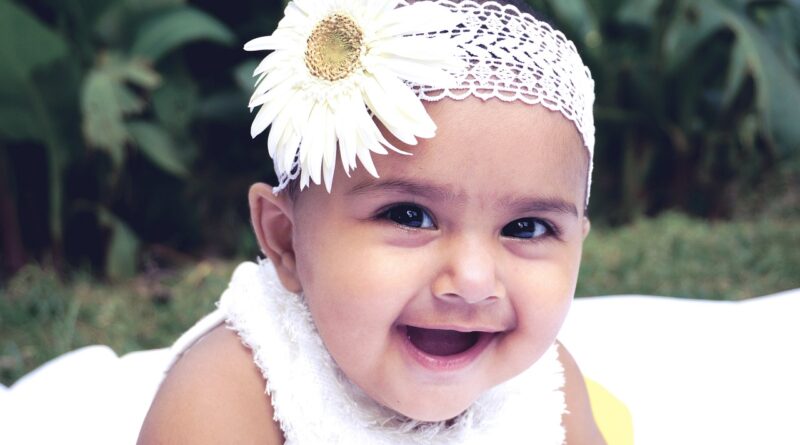
How to choose baby girl clothes for comfort, safety and everyday value
What matters most when choosing baby girl clothes
Good baby girl clothes do more than look sweet in a product photo. They need to feel soft against sensitive skin, go on and off without a struggle, hold up to frequent washing, and suit the baby’s real daily routine. For sleepwear and layered outfits, safety is as important as styling. The American Academy of Pediatrics advises dressing infants for the room temperature, generally with no more than one extra layer than an adult would wear, and checking for overheating signs such as sweating, flushed skin, or a hot chest. (publications.aap.org)
For parents, that usually means buying fewer decorative pieces and more dependable basics. For retailers and category editors, it means presenting baby girl clothing by use case, fabric, fit, care, and compliance cues instead of relying only on style language. You can explore more related category coverage in baby and kids insights.
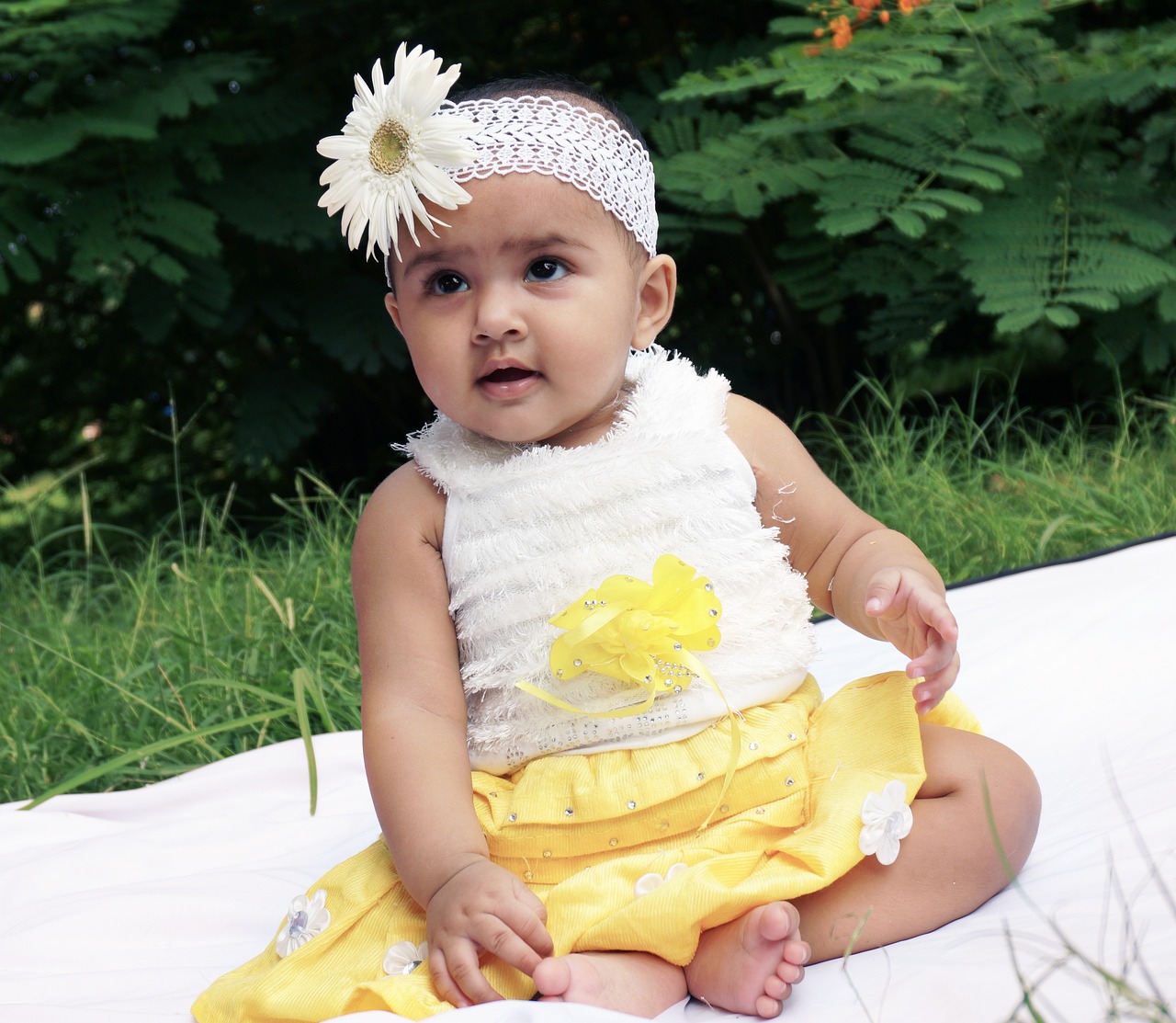
Build the wardrobe around daily use, not special outfits
The most useful baby wardrobe starts with how often each garment will be worn. Newborns and infants may need several changes a day because of spit-up, diaper leaks, feeding messes, and weather changes. Occasion dresses, ruffled sets, and photo outfits can be charming, but they rarely solve the everyday dressing problem. A practical assortment starts with bodysuits, sleepers, leggings, soft layers, and a smaller number of dressier pieces.
| Garment type | What to check | Why it matters |
|---|---|---|
| Bodysuits | Envelope necks, crotch snaps, soft seams | Fast diaper changes and less pulling over the head |
| Footed sleepers | Easy zippers or snaps, snug but flexible fit | Useful for naps, nights, and cool indoor temperatures |
| Leggings or bloomers | Stretch waistband, no rough elastic | Comfort when crawling, sitting, or being carried |
| Cardigans and light jackets | No neck drawstrings, smooth inner finish | Layering without overheating or irritation |
| Dresses and rompers | Diaper access, secure trims, soft lining | Better comfort for special outings and photos |
| Hats, socks, and bibs | Correct size, gentle stretch, easy care | Small items are useful but easy to lose or outgrow |
Age labels are a starting point, not a fit guarantee. A three-month size from one brand may fit like a newborn size from another. Height, weight, torso length, and diaper bulk often explain fit better than age alone. For gifting, it is usually safer to size up slightly for daytime clothing. Sleepwear should stay closer to the intended fit because overly loose sleep garments can create safety and performance issues.
Fabric choices that balance softness, durability and washability
Fabric is one of the clearest quality signals in baby girl clothes. Cotton-rich knits remain popular because they are soft, breathable, familiar to shoppers, and generally easy to launder. A small amount of elastane or spandex can improve stretch and recovery in leggings, ribbed bodysuits, and cuffs. Viscose from bamboo, modal, and other regenerated fibers can feel very soft, but care instructions, shrinkage behavior, and durability still need to be checked instead of assuming softness means better performance.
Labels deserve more attention than product photos. In the United States, the Federal Trade Commission says most textile and wool products must carry labels showing fiber content, country of origin, and the identity of the manufacturer or another responsible business; separate care labeling rules require cleaning instructions for clothing. For baby apparel, these details help shoppers compare comfort, maintenance, and value more objectively. (ftc.gov)
Chemical safety claims also need careful wording. OEKO-TEX STANDARD 100 is a widely recognized textile label for products tested for harmful substances, and its Product Class I applies to baby articles with the strictest requirements in that system. That does not automatically mean a garment is organic, more durable, or ethically produced. Product listings should state exactly what a certification covers and avoid broader claims that are not supported. (oeko-tex.com)
Safety and compliance checks should come before styling details
Baby girl apparel often includes bows, appliqués, ruffles, buttons, tulle, lace, sequins, and novelty trims. These details can add visual appeal, but they should not be the first quality signal. The safer question is whether every trim is secure, smooth, washable, and appropriate for the child’s stage of movement. A decorative bow that looks attractive in a product image may be a poor everyday choice if it scratches the neck, twists under the chin, or loosens after washing.
The U.S. Consumer Product Safety Commission notes that children’s products intended for children under three that present choking, aspiration, or ingestion hazards because of small parts are banned hazardous substances. CPSC guidance also recognizes that certain clothing attachments, such as buttons and zipper pulls, have specific treatment under the small-parts framework, but it recommends voluntary testing for attachments on garments up to and including size 2. (cpsc.gov)
Drawstrings deserve a separate check. CPSC has determined that hood and neck drawstrings on children’s upper outerwear in sizes 2T to 12 present a substantial product hazard, and waist or bottom drawstrings in sizes 2T to 16 are limited by specific criteria. This is especially relevant for toddler jackets, hoodies, sweatshirts, and outer layers marketed in baby and little-girl assortments. (cpsc.gov)
Sleepwear is another category where the rules differ from normal daytime clothing. CPSC guidance explains that children’s sleepwear is subject to flammability and fit-related requirements, and it cautions that garments described as loungewear or similar items may still be treated as sleepwear depending on their use and marketing. Tight-fitting children’s sleepwear in sizes larger than 9 months has specific hangtag and permanent label expectations, while infant sleepwear sized 9 months and under is treated differently under those sleepwear provisions. (cpsc.gov)
Size, season, and care labels affect real value
Value in baby girl clothes is not simply the lowest unit price. A cheap garment that shrinks, pills, stains permanently, or becomes hard to fasten after a few washes may have a higher cost per wear than a slightly better-made basic. Parents and caregivers should look for reinforced snaps, smooth zipper guards, washable fabrics, and seams that do not twist after laundering.
Season also changes what good means. In warm weather, breathable bodysuits, short rompers, and easy layers are often more useful than elaborate dresses. In cooler months, thin layers usually work better than one bulky garment because they can be added or removed as indoor and outdoor temperatures change. For sleep, the AAP’s overheating guidance is especially important: more layers are not automatically safer, and caregivers should check the baby’s chest or back rather than relying only on cold hands or feet. (publications.aap.org) See also: Buying Guides.
Care labels are part of the value calculation. Machine-washable garments with stable color, simple closures, and fabrics that tolerate frequent washing are better suited to everyday baby use. Items that require hand washing, special drying, or delicate handling can still work for photos or events, but they should not dominate a starter wardrobe.
What retailers and content teams should watch in baby girl clothing assortments
For retail sites, marketplaces, and baby apparel content teams, the opportunity is to move beyond generic descriptions such as cute, adorable, or princess style. Those words describe appearance, but they do not answer the questions that drive confident purchases: What is the fabric? How does it fasten? Is the waistband gentle? Does the dress allow diaper changes? Is the decoration sewn securely? Can it be machine washed? Is it sleepwear or daytime wear?
A stronger category page or product article can organize baby girl clothes by life stage and use case. Newborn assortments should emphasize easy dressing, diaper access, soft seams, and simple laundering. Older infant assortments can add mobility features such as stretch, reinforced knees, and non-restrictive shapes. Toddler assortments can introduce more outerwear, dresses, and occasion pieces while keeping drawstring, trim, and fastener safety visible.
It is also useful to separate facts from style interpretation. A statement such as 95% cotton and 5% elastane is factual if it matches the label. A statement such as breathable, organic, hypoallergenic, non-toxic, or safer for sensitive skin needs clearer evidence. If the proof is a recognized textile certification, name the certification and product class. If the proof is only a brand preference or editorial judgment, use more careful language.
A practical buying checklist
- Start with use: Decide whether the garment is for sleep, daycare, outings, photos, gifting, or daily home wear.
- Check the fabric label: Look for fiber content, care instructions, and whether any certification is clearly identified.
- Feel the inside: Inner seams, tags, elastic, and appliqué backing matter more to the baby than the outside print.
- Test fasteners: Snaps, zippers, and buttons should feel secure and easy for caregivers to use repeatedly.
- Limit rough decoration: Tulle, sequins, lace, and large bows are better for short wear than all-day comfort.
- Use layers carefully: Layer for temperature, but avoid overbundling and check for overheating.
- Buy by growth stage: Prioritize close fit for sleepwear, flexible room for daytime clothing, and practical sizing for gifts.
Frequently asked questions
What fabric is best for baby girl clothes?
There is no single best fabric for every situation, but cotton-rich knits are a practical everyday choice because they are soft, familiar, and easy to wash. Stretch blends can improve fit in leggings and cuffs. For shoppers who care about tested chemical limits, a clearly stated textile certification such as OEKO-TEX STANDARD 100 Product Class I can add useful information, as long as the claim is not extended beyond what the certification covers.
How many baby girl outfits should parents buy?
The answer depends on laundry frequency, climate, and the baby’s age. A smaller wardrobe of washable bodysuits, sleepers, leggings, and light layers is usually more useful than many decorative outfits. If laundry is done less often, add more basics rather than more occasion pieces.
Are dresses practical for newborns?
Dresses can be practical for photos, visits, and special occasions, but they are not always the easiest daily option for newborns. For everyday wear, bodysuits, sleepers, and rompers usually make diaper changes and carrying easier. If buying a dress, look for a soft lining, secure trims, and easy access at the bottom.
Should baby sleepwear be loose or snug?
Sleepwear should follow the garment’s safety labeling and intended use. CPSC guidance treats children’s sleepwear differently from daytime clothing, and tight-fitting sleepwear has specific labeling expectations in relevant sizes. Caregivers should also avoid overheating and dress infants for the room temperature rather than adding layers automatically.
Are bows, buttons, and ruffles safe on baby clothes?
They can be acceptable when designed and attached properly, but they should be checked carefully. Avoid loose trims, scratchy backing, long cords, heavy decorations, or anything that may detach after washing. Comfort, security, and care performance should come before decorative impact.