

Helmet buying guide for choosing the right type, fit, and safety standard
A practical helmet buying guide starts with the intended activity. Choose a helmet made for the way you ride or play, then check the safety label, fit, coverage, and replacement guidance. A bicycle helmet is not automatically suitable for skateboarding, a skate helmet is not a motorcycle helmet, and a snow-sport helmet is built for different impact conditions than a road cycling helmet. Price, color, vents, lights, and brand features can help narrow the options, but they should come after the safety standard and fit check. U.S. consumer guidance from the Consumer Product Safety Commission, motorcycle helmet advice from the National Highway Traffic Safety Administration, and independent lab work such as Virginia Tech Helmet Lab ratings all point to the same practical conclusion: the right helmet is the one that matches the risk, stays correctly positioned, and is replaced when its protective structure may be compromised.
Start with the activity before comparing features
Many shoppers treat helmets as interchangeable. They are not. Different sports and transport uses involve different speeds, surfaces, fall patterns, and impact locations. That is why safety organizations publish separate standards for bicycles, motorcycles, skateboarding, snow sports, and other activities.
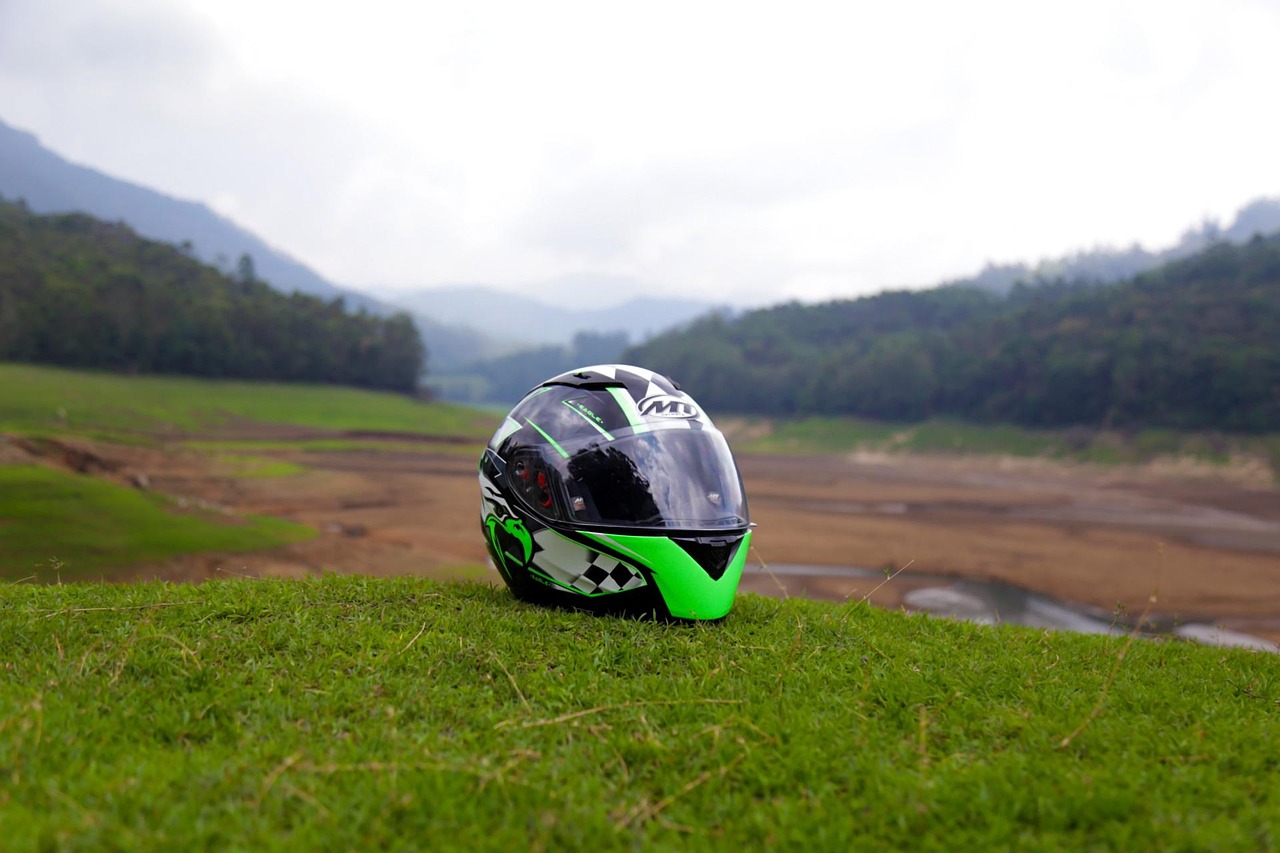
For U.S. shoppers, the CPSC’s public helmet guidance is especially useful because it explains which helmet type is intended for which activity. The practical takeaway is straightforward: do not buy by shape alone. A rounded skate-style shell may look tougher than a vented bike helmet, but the label inside the helmet matters more than the silhouette.
| Activity | Common label or standard to check | What it means for shoppers |
|---|---|---|
| Bicycling and many standard e-bike rides | CPSC bicycle helmet standard, 16 CFR Part 1203 | Look for a permanent label showing compliance for bicycle use. This is the baseline for bike helmets sold in the U.S. |
| Skateboarding and trick roller skating | ASTM F1492 | Choose a skate helmet rather than assuming a bike-only helmet is enough. Some helmets carry both CPSC and ASTM F1492 labels. |
| Motorcycling | DOT and FMVSS No. 218 | Check the DOT symbol and required certification labeling. Avoid novelty helmets that do not meet the motorcycle standard. |
| Skiing and snowboarding | ASTM F2040 or Snell RS-98 | Buy a snow-sport helmet rather than reusing a bike or skate helmet unless the manufacturer specifically certifies it for that use. |
If a helmet is marketed as “multi-sport,” read the certification label carefully. Multi-sport is a marketing term unless the helmet lists the specific standards it meets. A helmet suitable for casual cycling and recreational skating may not be suitable for aggressive skatepark use, downhill mountain biking, motorcycle riding, or snow sports.
Understand safety labels before you judge price
A safety label is not decoration. It identifies the minimum test requirement the helmet is designed to meet. For bicycle helmets in the United States, the relevant federal standard is CPSC 16 CFR Part 1203. For motorcycle helmets, NHTSA tells buyers to look for DOT labeling showing compliance with Federal Motor Vehicle Safety Standard No. 218. For skateboarding and trick roller skating, ASTM F1492 is the label shoppers commonly need to identify. For recreational snow sports, ASTM F2040 and Snell RS-98 are commonly referenced standards.
These labels do not mean every helmet performs identically. A standard is usually a pass/fail threshold, not a ranking from weak to strong. Independent testing can add useful context after the basic certification check is complete. For example, Virginia Tech Helmet Lab publishes bicycle helmet ratings that assess performance across multiple impact scenarios and consider both linear acceleration and rotational velocity. Those ratings can help compare bike helmets that already meet required certification, but they should not replace the label check.
Be cautious with vague claims. Phrases such as “protective,” “professional style,” “urban,” “extreme,” or “inspired by racing” do not prove compliance with a standard. The helmet should have a visible, durable manufacturer label that identifies the applicable certification. If listing photos, packaging, or a product page hide the label information, treat that as a reason to slow down rather than a reason to guess.
Fit is the safety factor you control most
A certified helmet can still underperform if it moves around on your head. Fit is not just about comfort; it affects whether the helmet stays in the correct position during a fall. Before buying online, measure the circumference of your head with a soft tape measure, usually around the widest part above the eyebrows and ears. Compare that number with the brand’s size chart, not with another brand’s size label, because helmet shapes vary.
When trying on a helmet, aim for a snug fit without sharp pressure points. The helmet should sit level, not tilted back. For a bicycle-style fit check, the front edge should sit low enough to protect the forehead while still allowing clear vision. The side straps should form a stable “V” around the ears, and the chin strap should be close enough that the helmet moves when you open your mouth, without choking or pinching.
Motorcycle helmets need an even more deliberate fit test because the shell, liner, cheek pads, and retention system work together. NHTSA advises riders to check fit carefully and watch for pressure points before riding. A motorcycle helmet that feels slightly snug at first may settle as padding compresses, but pain, forehead hot spots, or easy side-to-side rotation are warning signs.
For children, fit changes quickly as they grow. Do not buy a helmet with “room to grow” if that means it shifts during use. A helmet that is too large can slide back, expose the forehead, or rotate during a fall. Use the included pads or fit system only within the manufacturer’s instructions, and replace the helmet when it can no longer be adjusted securely.
Features can help, but they should not override the basics
Once you have confirmed the correct activity standard and fit, features become useful. The aim is to match features to your riding or sport conditions, not to pay for extras that distract from fit, coverage, and certification.
Rotational impact systems
Many modern bicycle, snow, and some skate-style helmets advertise rotational impact systems, including Mips or brand-specific alternatives. These systems are designed to help manage angled impacts, which are common in real falls. Independent testing programs such as Virginia Tech’s bicycle helmet ratings consider rotational velocity as part of their assessment. Still, a rotational system is not a substitute for the correct helmet type, certification, or fit.
Coverage and shell shape
Coverage should match the activity. Mountain bike helmets often extend lower at the back of the head than lightweight road helmets. Skate helmets often use a rounder shape with fuller side and rear coverage. Motorcycle helmets add facial and jaw protection depending on whether you choose a full-face, modular, or open-face design. More coverage can improve protection for certain impact patterns, but it may also affect heat, weight, and visibility.
Ventilation and weight
Ventilation matters because people are more likely to wear helmets that remain comfortable. Road cycling helmets often prioritize airflow and low weight. Skate and commuter helmets may trade some ventilation for coverage, durability, or integrated accessories. Snow-sport helmets may use adjustable vents because conditions change throughout the day. The best choice is not necessarily the helmet with the most vents; it is the helmet you can wear properly for the full activity.
Visibility and accessories
For commuting, reflective details, bright colors, and integrated rear lights can improve visibility, but they do not replace bike lights or safe riding behavior. Visors can help with sun, rain, glare, or trail debris, but make sure they do not block your field of view. For snow sports and motorcycle riding, confirm that goggles or face shields fit cleanly with the helmet and do not break the seal or push the helmet out of position.
Know when a helmet should be replaced
Many helmets are designed to absorb impact by deforming internal foam. That damage may not be obvious from the outside. As a conservative buying and ownership rule, replace a single-impact helmet after a crash in which it takes a significant hit, even if the outer shell looks normal. CPSC consumer guidance also identifies cracks, worn straps, missing pads, and missing parts as reasons to replace a helmet. See also: baby&kids.
Replacement timing based on age alone is less universal. Some manufacturers recommend a specific service life, often several years, while others emphasize inspection and replacement after impact, visible damage, or material deterioration. Heat, sunlight, sweat, solvents, storage conditions, and repeated use can all affect straps, buckles, pads, shells, and liners over time. The safest approach is to follow the helmet maker’s replacement guidance and inspect the helmet regularly.
For multi-impact helmets, do not assume “multi-impact” means unlimited impacts. It usually means the helmet is designed for more than one moderate impact under a relevant standard, but the protection is still limited. After a hard fall, visible denting, cracked foam, loose shell bonding, or strap damage, replace it or contact the manufacturer for guidance.
A practical helmet buying checklist
Use this checklist before adding a helmet to your cart or before removing tags after delivery.
- Match the activity. Confirm that the helmet is certified for biking, skating, motorcycling, snow sports, or the specific activity you plan to do.
- Read the label. Look for standards such as CPSC 16 CFR Part 1203, ASTM F1492, DOT/FMVSS No. 218, ASTM F2040, or other standards relevant to your use.
- Measure your head. Use the brand’s size chart and check head shape as well as circumference.
- Check stability. The helmet should sit level and remain stable when you shake your head gently.
- Adjust straps correctly. Buckles and side straps should keep the helmet from sliding forward, backward, or sideways.
- Look for comfort under real conditions. Consider heat, sweat, eyewear, hair, hoods, goggles, or communication devices.
- Inspect build quality. Check shell bonding, foam, strap stitching, buckles, retention dials, pads, and label clarity.
- Avoid unknown novelty helmets. If a helmet does not show the required standard for the activity, do not treat it as protective equipment.
- Plan for replacement. Keep the manual, note the purchase date, and replace after impact or visible damage.
For more consumer product explainers, visit the Buying Guides section.
Common buying mistakes to avoid
The most common mistake is buying the most attractive helmet instead of the most appropriate one. A stylish commuter helmet may be fine for urban cycling if it has the correct bicycle certification and fit, but that does not make it suitable for a motorcycle, downhill bike park, or skatepark session.
Another mistake is buying only by price. Expensive helmets may add lighter materials, better ventilation, improved adjustment systems, brand-specific rotational technology, or integrated accessories. Those features can be valuable, but price alone does not prove better protection for your exact use. Conversely, a lower-priced helmet that meets the correct standard and fits well may be a sensible choice for everyday use.
Shoppers also overlook return policies. A helmet is difficult to judge until it is on your head for several minutes. If you buy online, choose a seller with a clear return process for unused helmets. Do not ride in a helmet you are unsure about simply because returning it is inconvenient.
Frequently asked questions
Can one helmet work for biking and skateboarding?
Sometimes, but only if the helmet is certified for both uses. Look for both a bicycle certification, such as CPSC 16 CFR Part 1203 in the U.S., and a skateboarding or trick roller skating certification such as ASTM F1492. If the helmet lists only one standard, assume it is intended only for that activity.
Is a more expensive helmet always safer?
No. Higher prices can reflect lighter weight, ventilation, fit systems, brand positioning, materials, or accessories. Safety starts with the correct standard, fit, and condition. Independent test ratings can help compare some categories, especially bicycle helmets, but price by itself is not a safety rating.
Should I replace a helmet after dropping it?
A small drop from a table may not damage every helmet, but a hard impact onto a rigid surface can compromise foam or shell structure. Inspect carefully for cracks, dents, loose components, or compressed foam. If the helmet took a meaningful impact or you are unsure, follow the manufacturer’s guidance and replace it when in doubt.
How tight should a helmet feel?
It should feel snug and stable, not painful. It should not slide when you shake your head, and the front should not tip up to expose your forehead. Pressure points, numbness, or a helmet that rotates easily are signs that you need a different size or shape.
Do kids need a different helmet than adults?
Children need helmets that match their activity, head size, and age. The helmet should fit now, not later. For very young riders, use helmets designed and labeled for their age range, and never let children wear bike helmets on playground equipment because straps can create an entanglement hazard.
The bottom line
The best helmet choice is not the one with the most aggressive styling or the longest feature list. It is the helmet certified for your activity, sized for your head, adjusted so it stays in place, comfortable enough that you will actually wear it, and replaced when impact or wear may have reduced its protection. Use standards as the starting point, fit as the deciding factor, and features as support for your real-world use.