

How to choose a baby seat for travel, feeding and floor time
Match the baby seat to the job
Choose a baby seat by use case first, not by style, price or how compact it looks. A car seat is built for crash protection during vehicle travel. A high chair or feeding booster is for meals. A bath seat is only a support aid during closely supervised bathing. A bouncer, floor seat or support cushion may be useful for short periods of awake time, but it should not become a sleep space.
The right choice is the seat that fits the child’s developmental stage, stays within the manufacturer’s height and weight limits, and comes with clear instructions, labels and recall information. This distinction matters because “baby seat” can describe products with very different designs and risks. For families and retailers, the better question is not “Which baby seat is best?” but “Which seat is appropriate for this activity, age range and environment?”
The main baby seat types and what they are for
Before comparing fabrics, folding frames or tray features, identify the product category. A seat designed for one activity should not be used as a substitute for another. The table below summarizes common baby seat categories and the key safety question for each.
| Baby seat type | Primary purpose | Key safety question |
|---|---|---|
| Rear-facing car seat | Vehicle travel for infants and toddlers | Does it fit the child, the vehicle and the installation method? |
| Convertible or all-in-one car seat | Longer-term vehicle restraint as the child grows | Can it be used rear-facing until the child reaches the seat’s height or weight limit? |
| High chair or feeding booster | Meals and supervised feeding | Is it stable, correctly assembled and used with the restraint system? |
| Infant bath seat | Support during bathing by a caregiver | Is an adult within arm’s reach at every moment? |
| Infant bouncer seat | Short supervised awake time for babies who cannot sit unassisted | Is it used only on the floor and within the manufacturer’s limits? |
| Floor seat, lounger or support cushion | Short supervised support or play time | Is it kept out of sleep spaces and off beds, sofas and other raised surfaces? |
Age labels are useful, but they are not enough on their own. Babies develop at different speeds, and many seats also have limits for weight, height, head control or the ability to sit independently. Treat those limits as part of the product’s basic safety design, not as optional guidance.
Car seats are travel safety products, not everyday chairs
For travel, the most important baby seat is the car seat. In the United States, the National Highway Traffic Safety Administration advises caregivers to follow both the car seat instructions and the vehicle owner’s manual, including the child’s height and weight limits. The American Academy of Pediatrics recommends that infants and toddlers ride rear-facing as long as possible, until they reach the highest height or weight allowed by the car seat manufacturer.
That guidance affects when families should move to the next stage. Switching from rear-facing to forward-facing should not be based only on age or convenience. If a child still fits within the rear-facing limits of a correctly installed seat, the child generally should continue riding rear-facing. For larger toddlers, convertible and all-in-one seats may provide higher rear-facing limits than infant-only carrier seats.
Installation matters as much as the seat choice. A suitable car seat should sit securely in the vehicle, work with the seat belt or lower anchor system as instructed, and position the harness at the correct height for the child. The harness should be snug, the chest clip should be placed according to the manual, and bulky coats should not be worn under the harness because they can affect fit.
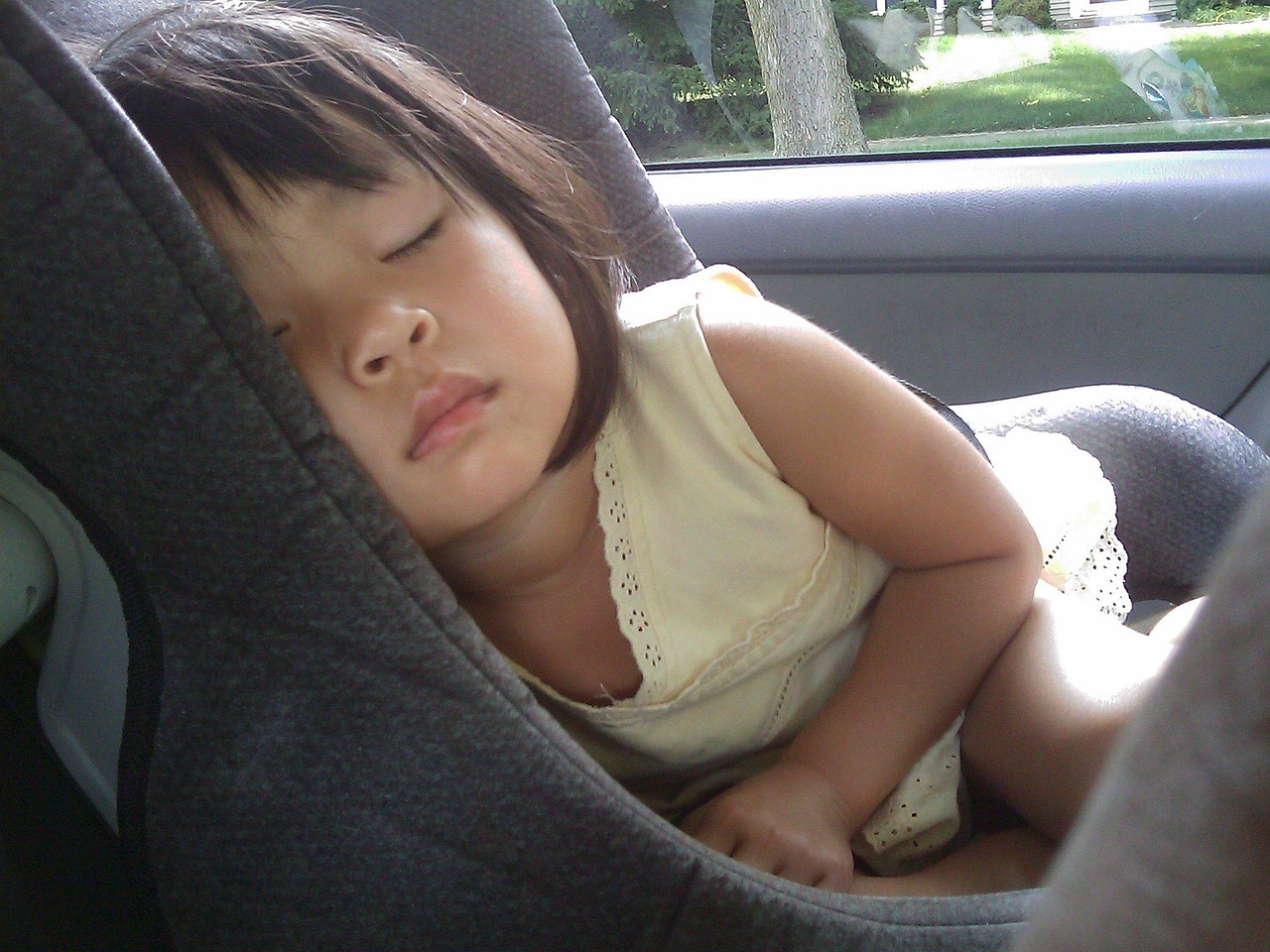
Car seats also have limits outside the vehicle. The AAP’s safe sleep guidance says sitting devices such as car seats, strollers, swings and infant carriers are not recommended for routine sleep at home or in the hospital, especially for very young infants. If a baby falls asleep in a car seat during travel, the practical recommendation is to move the baby to a firm, flat sleep space when the trip ends and it is safe to do so.
Feeding and bath seats need stability, restraints and constant supervision
Feeding seats are familiar products, but the main risks are predictable: falls, tip-overs, tray disengagement and entrapment. The U.S. Consumer Product Safety Commission’s high chair rules are designed to address hazards such as children standing in the seat, tray problems, entrapment between the tray and seat, and tip-over incidents. In daily use, caregivers should use the restraint system, keep the chair on a level surface, lock folding mechanisms and avoid letting a child climb in or out without help.
A feeding booster that attaches to an adult chair needs the same level of attention. It should be secured exactly as the manufacturer describes, used only on a compatible chair, and placed away from counters, tables or walls that a child could push against with their feet. A tray is not a restraint system. If the product includes a harness or crotch restraint, it should be used even for short meals.
Bath seats require even stricter supervision because water changes the risk profile. CPSC guidance defines infant bath seats as products that provide support to the front and back of a seated infant during bathing by a caregiver. Current U.S. requirements for infant bath seats are covered under 16 CFR part 1215, and products manufactured or imported on or after January 4, 2025, must meet the Commission-accepted ASTM F1967-24 version.
The key consumer message is direct: a bath seat is not a safety device and does not replace an adult’s hands-on attention. Babies and toddlers can drown quickly in small amounts of water. A caregiver should stay within arm’s reach, prepare all bathing supplies before placing the baby in water, and take the child out of the tub before answering the door, checking a phone or stepping away for any reason.
Floor seats, bouncers and loungers have different risk profiles
Many families buy a second baby seat for the living room, nursery or play area. This is where product names can become confusing. A bouncer, molded floor seat, soft lounger and infant support cushion may appear in the same online search results, but they are not interchangeable.
CPSC describes an infant bouncer seat as a freestanding product that supports an infant in a reclined position and is intended for babies who have not developed the ability to sit up unassisted, approximately from birth to 6 months. CPSC safety advice for bouncers includes using them on the floor, not on counters or tables, keeping babies restrained, staying near the baby and stopping use when the baby can sit up alone or reaches the manufacturer’s maximum limit.
Soft support products need particular caution. CPSC’s infant support cushion rule, codified at 16 CFR part 1243, applies to products manufactured after May 5, 2025. The category includes products such as infant loungers, infant positioners, dual-use nursing pillows marketed for lounging, and cushions used to support a reclining baby. The rule addresses hazards including suffocation, entrapment and falls, with requirements related to firmness, sidewall angle, maximum incline and warning labels. See also: Buying Guides.
For consumers, the everyday takeaway is that a soft baby seat or cushion should be used only as directed, for supervised awake time, and on an appropriate surface. It should not be placed in a crib, bassinet, play yard, adult bed, sofa or other sleep area. If a baby falls asleep in a floor seat, bouncer or support cushion, move the baby to a firm, flat sleep space designed for infant sleep.
A practical checklist before buying a baby seat
A good baby seat buying process combines fit, safety documentation and daily usability. This is especially important when shopping online, where similar-looking products may be listed under broad terms such as “infant seat,” “baby chair,” “baby lounger” or “portable seat.”
- Confirm the category. Decide whether the product is for travel, feeding, bathing or awake floor time. Do not rely on a generic product title.
- Check age, height and weight limits. These limits should be visible before purchase and should match the baby’s current stage.
- Read the warnings. Look for clear statements about sleep, elevated surfaces, restraints and supervision.
- Review the product date and model number. Durable infant and toddler products should include identifying information that helps with registration and recall notices.
- Register the product when possible. Product registration helps manufacturers contact buyers about recalls or safety notices.
- Search for recalls before using secondhand items. Avoid products with missing parts, unclear history, damaged frames, missing labels or unknown crash exposure in the case of car seats.
- Inspect the restraint system. Harnesses, buckles and attachment straps should work smoothly and should not be frayed, cracked or improvised.
- Consider cleaning without ignoring safety. Removable covers and wipeable surfaces are useful, but comfort features should not add loose padding, pillows or aftermarket inserts unless the manufacturer permits them.
For more product-category reading, visit the baby and kids section for related baby care and family shopping topics.
Common mistakes that make a baby seat less safe
One common mistake is buying for a future stage too early. A seat designed for a baby with strong head control or independent sitting may not support a younger infant safely. Another mistake is continuing to use a seat after the child has outgrown it. Once a baby exceeds the stated height, weight or developmental limit, the product may no longer perform as intended.
A second mistake is using a seat on the wrong surface. Bouncers, floor seats and support cushions are often photographed in cozy rooms, but many are intended only for the floor. Beds, sofas, countertops and tables introduce fall and suffocation risks. Even a short moment on a raised surface can become hazardous if a baby kicks, arches, rolls or if the product shifts.
A third mistake is treating restraints as optional. Harnesses are not only for active toddlers. They help keep younger babies positioned as the product was designed. However, a restraint does not make a product safe for sleep and does not replace supervision.
Finally, avoid assuming that “portable” means “safe anywhere.” A portable baby seat still has a defined use environment. If the manual says floor use only, supervised use only or no sleep, those instructions should guide everyday use.
Frequently asked questions
What is the safest type of baby seat?
There is no single safest baby seat for every situation. The safest option is the product designed for the exact activity: a properly installed rear-facing car seat for travel, a stable high chair or feeding booster for meals, and a supervised floor-use product for short awake periods. No general baby seat should replace a crib, bassinet or play yard for sleep.
Can a baby sleep in a baby seat?
Routine sleep in sitting devices such as car seats, swings, bouncers and similar products is not recommended by the American Academy of Pediatrics. If a baby falls asleep during travel or supervised awake time, move the baby to a firm, flat sleep surface when it is safe and practical.
When should a baby stop using a bouncer seat?
Follow the manufacturer’s stated limit. CPSC guidance for infant bouncer seats emphasizes stopping use when a child can sit up on their own or reaches the product’s maximum weight or other manufacturer limit, whichever comes first.
Is a secondhand baby seat a good idea?
It depends on the product. A used feeding seat or bouncer may be reasonable only if it has all parts, labels and instructions and has not been recalled. A used car seat requires extra caution because crash history, expiration dates, missing labels and unknown storage conditions can affect safety. When in doubt, choose a product with a clear history and verifiable model information.
What should retailers highlight in baby seat listings?
Retail listings should make the category, use case, age range, height and weight limits, restraint details, cleaning instructions and sleep warnings easy to find. Clear product information helps caregivers choose the right seat and reduces the risk of using one product for an unsafe purpose.