
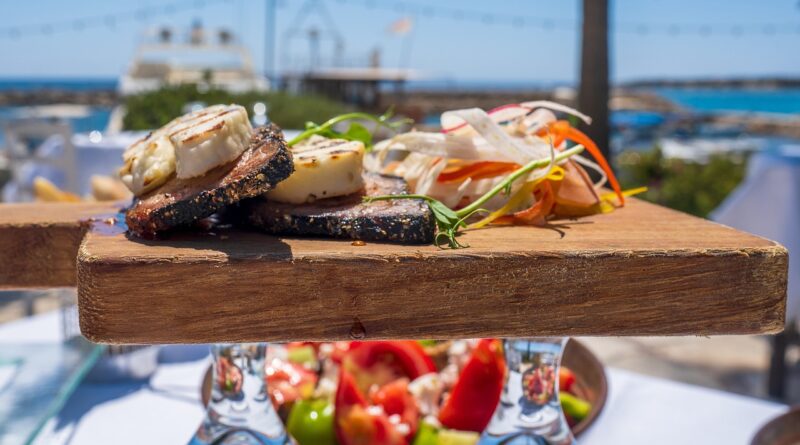
Greek food trends for grocery, foodservice and packaged products
Why Greek food is drawing industry attention
Greek food is no longer just a restaurant shorthand for gyros, souvlaki and holiday menus. For grocery, foodservice and packaged product teams, it now sits at the intersection of Mediterranean-style eating, protein-rich dairy, premium pantry ingredients, shareable snacks and convenient global flavors. The opportunity is practical: Greek flavors and formats can support chilled dips, salads, bowls, frozen meals, ready-to-heat sides, sauces, bakery items and premium cheese programs. The strongest commercial approach is to treat Greek cuisine not as one flavor, but as a flexible food system built around olive oil, legumes, vegetables, herbs, seafood, grains, yogurt and sheep or goat milk cheeses.
That positioning matters because consumers are still balancing value, health cues and convenience. USDA Economic Research Service data updated on July 8, 2026 reported that food away from home represented 56.3% of U.S. food expenditures in 2025, while food at home accounted for 43.7%. The same source showed limited-service and full-service restaurants together represented most food-away-from-home spending. Greek food therefore has room to work both as a menu platform and as a retail meal solution. For more category coverage, visit the Food & Beverages section.
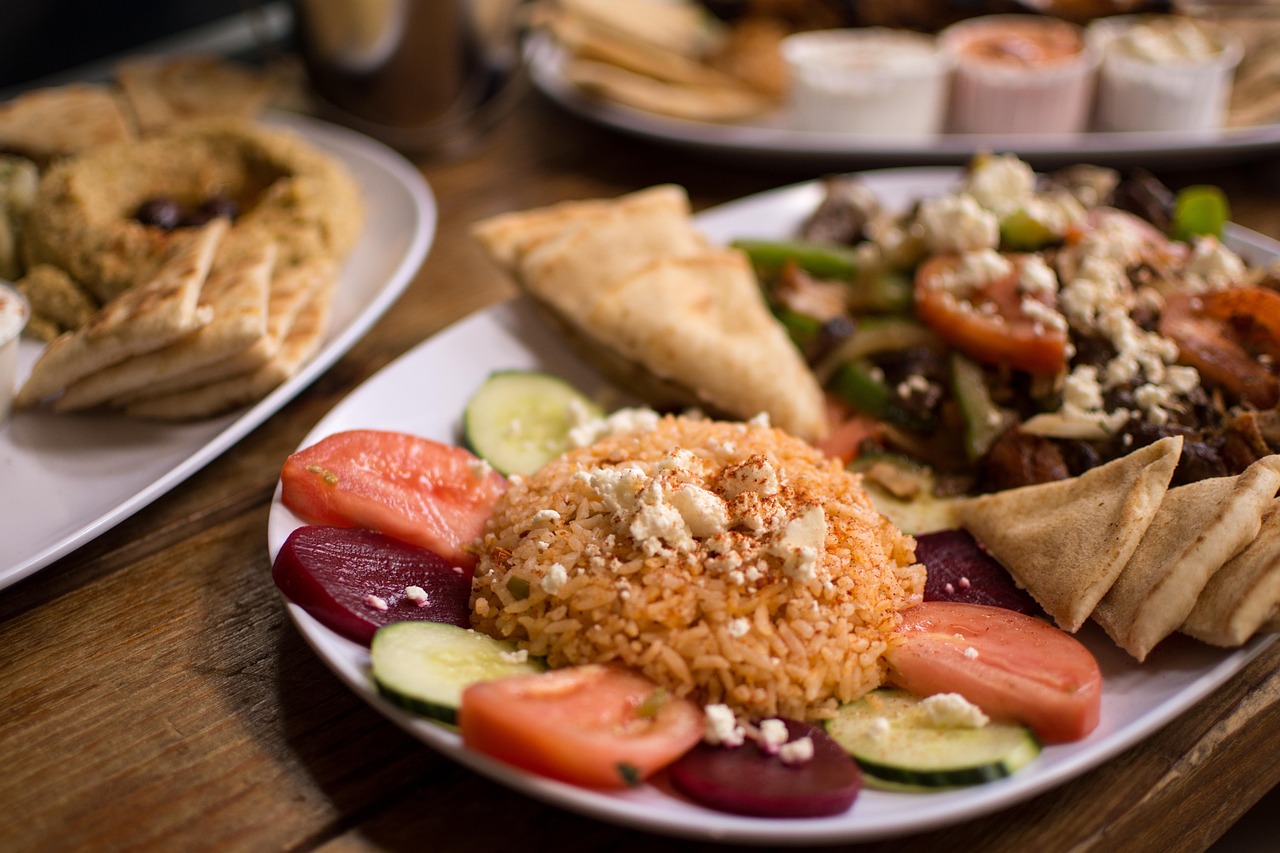
What Greek food means beyond familiar dishes
At its core, Greek food belongs to the broader Mediterranean food culture, but it has its own ingredient logic and regional identity. Olive oil is the dominant fat. Vegetables are used generously, often roasted, stewed, stuffed or served as salads. Legumes such as chickpeas, lentils and beans appear in soups, spreads and one-pot meals. Dairy is important, especially strained yogurt and cheeses made from sheep or goat milk. Herbs such as oregano, dill, mint, parsley and thyme bring freshness without relying on heavy sauces.
For U.S. shoppers and diners, the most recognizable dishes include Greek salad, tzatziki, chickpea spreads often positioned near hummus, moussaka, spanakopita, dolmades, souvlaki, gyro-style meats, baklava and yogurt with honey. From an industry perspective, the opportunity is broader than a fixed dish list. Greek food also works as a format language: mezze for sharing, bowls for assembly, salads for freshness, hand-held wraps for speed, chilled dips for snacking and pantry staples for home cooking.
That flexibility is useful for fast-moving consumer goods because one culinary territory can support several price points. A retailer might carry entry-level Greek-style yogurt, mid-tier hummus and tzatziki, premium extra virgin olive oil, PDO feta, frozen spanakopita and meal kits within the same broader Mediterranean set. Foodservice operators can apply the same logic across lunch bowls, small plates, catering trays and limited-time offers.
Why the timing works for grocery and foodservice
Several public signals support the relevance of Greek food, although none should be treated as a guarantee of category growth. First, the American Heart Association describes a Mediterranean-style diet as one that typically includes fruits, vegetables, grains, beans, nuts and seeds, olive oil as a primary fat source, and low to moderate amounts of dairy, eggs, fish and poultry. Greek food maps naturally onto that pattern, especially when brands emphasize vegetables, olive oil, legumes and seafood rather than only fried or meat-heavy items.
Second, convenience remains important. The National Restaurant Association’s 2026 culinary forecast, based on a survey of hundreds of culinary professionals conducted in October 2025, highlighted comfort, value and flavor escapism as major forces shaping menus. Greek food can meet that brief when it is positioned carefully: familiar ingredients such as chicken, yogurt, flatbread and potatoes can carry more distinctive notes from lemon, oregano, dill, garlic, feta and olive oil.
Third, specialty food buyers are watching global convenience. The Specialty Food Association’s 2025 trend predictions pointed to flexible snacking and convenient global foods as areas of innovation. Greek food fits this environment because it translates well into small portions: dip cups, pita chips, marinated olives, feta snack packs, stuffed grape leaves, tinned seafood pairings, mini pies and chilled mezze trays.
Finally, yogurt remains an important bridge between health-oriented and mainstream consumers. On March 1, 2024, the U.S. Food and Drug Administration announced it would not object to certain qualified health claims connecting regular yogurt consumption with reduced risk of type 2 diabetes, provided the claims are not misleading and meet stated conditions. The FDA also emphasized that the evidence is limited. For Greek yogurt marketers, the key is to keep claims precise, avoid overstatement and focus on product fundamentals such as protein, texture, plain options and lower added sugar.
Core ingredients that carry the Greek food proposition
Greek food performs best in packaged and prepared formats when brands protect the role of core ingredients instead of reducing the cuisine to generic garlic, lemon and oregano. The following ingredient groups are especially important for product development and category planning.
| Ingredient or format | Industry relevance | Execution watchout |
|---|---|---|
| Extra virgin olive oil | Signals Mediterranean quality and supports dressings, marinades, sauces and premium pantry sets. | Crop conditions and global supply can affect cost, so price architecture matters. |
| Feta | Adds salt, tang and authenticity cues to salads, bowls, bakery fillings and snack packs. | In the EU, feta is a protected designation of origin registered for Greek production; labeling rules differ by market. |
| Greek-style yogurt | Provides protein, creamy texture and a base for dips, breakfasts, sauces and desserts. | In the U.S., Greek often describes a strained or thick style rather than guaranteed Greek origin. |
| Legumes | Support plant-forward meals, soups, spreads and value-oriented protein formats. | Flavor and texture need attention because bland bean products weaken the cuisine cue. |
| Herbs and citrus | Dill, oregano, mint, parsley and lemon create freshness across chilled and frozen products. | Fresh notes can fade in shelf-stable formats, so formulation and packaging are critical. |
| Phyllo and grains | Enable spanakopita, savory pies, grain bowls and bakery-led meal solutions. | Frozen and refrigerated products must preserve crispness or pleasant layering. |
Feta deserves special attention because it is both a flavor driver and a legal marker. The European Commission identifies feta as a protected designation of origin, and the original EU registration date is October 15, 2002. The practical implication for global brands is straightforward: do not assume one label strategy works everywhere. In some markets, feta-style products may need careful naming, while in others, shoppers may still expect Greek origin even where rules are less strict.
Product formats with commercial potential
Mezze and snackable trays
Mezze is one of the easiest Greek food ideas to translate into retail. It is modular, visual and portionable. A tray can combine tzatziki, hummus or fava-style yellow split pea spread with olives, cucumbers, roasted peppers, pita and cheese. For convenience stores and grab-and-go coolers, the same idea can become a protein snack kit with yogurt dip, chicken pieces or feta, and vegetables.
Bowls, salads and lunch solutions
Greek salads and grain bowls have clear operational advantages. They can be built from familiar items, customized for meat or vegetarian preferences and sold across quick-service, fast-casual and grocery prepared foods. A base of rice, bulgur, lentils or greens can carry grilled chicken, chickpeas, cucumbers, tomatoes, olives, feta and lemon-herb dressing. The main formulation challenge is sodium management, because olives, feta, cured meats and dressings can quickly push totals upward.
Frozen and chilled comfort foods
Spanakopita, tiropita and moussaka-style casseroles connect Greek food with comfort and convenience. These formats are especially relevant when shoppers want a warm meal without full scratch cooking. The strongest products should protect texture: phyllo needs flakiness, spinach fillings should avoid wateriness, and eggplant or potato layers should not become heavy or greasy.
Premium pantry items
Olive oil, vinegars, oregano, honey, olives, pasta shapes, tomato products and seafood can form a Greek pantry set. This helps retailers extend Greek food from prepared meals into home cooking. It also creates trading-up opportunities, especially when packaging explains region, harvest season, flavor profile or pairing use in plain language. See also: baby&kids.
Authenticity and labeling risks to manage
The main risk in Greek food marketing is over-simplification. A blue-and-white pack design, a few ancient imagery cues and a lemon-garlic flavor profile are not enough for long-term credibility. Consumers who care about origin may check whether feta is actually Greek, whether olive oil origin is clearly stated and whether Greek yogurt is strained or merely thickened. Brands do not need to make every product artisanal, but they do need to be transparent.
Health positioning also requires discipline. Mediterranean-style eating has credible support as an overall dietary pattern, but that does not make every Greek-inspired packaged product automatically healthy. A fried cheese appetizer, heavily salted dip or sugar-rich yogurt dessert may be enjoyable, but it should not borrow broad wellness language without evidence. The FDA’s 2024 yogurt qualified claim is a useful reminder: even when a claim is allowed, wording and context matter.
Cost is another constraint. Greek food often relies on ingredients exposed to agricultural volatility, including olive oil, dairy, nuts and seafood. When input costs rise, brands may be tempted to reduce quality or substitute aggressively. That can damage repeat purchase if the product no longer delivers the expected tang of feta, fruitiness of olive oil or freshness of herbs. A better approach is to build tiers: accessible Greek-inspired items for value shoppers and premium origin-led products for consumers willing to pay more.
A practical playbook for brands and retailers
For teams evaluating Greek food opportunities, the best starting point is the role the product plays in the shopper’s day. Is it solving breakfast, lunch, snacking, entertaining, cooking at home or a quick dinner? Once that job is clear, the right format becomes easier to choose.
- For breakfast: focus on plain or lightly sweetened Greek-style yogurt, honey, nuts, fruit and high-protein positioning without excessive sugar.
- For lunch: build salads and bowls around vegetables, legumes, grains, grilled proteins, feta and lemon-herb dressings.
- For snacking: use mezze logic with dip cups, olives, pita chips, feta, roasted chickpeas and vegetable packs.
- For dinner: consider frozen spanakopita, moussaka-inspired trays, marinated proteins, sauces and ready-to-heat sides.
- For premium pantry: emphasize olive oil origin, harvest information, regionally specific herbs, honey and olives.
Retail merchandising can strengthen the proposition by grouping complementary items rather than isolating them by department. A Greek food feature can connect dairy, bakery, deli, produce, frozen and grocery. For example, a display might pair feta, cucumbers, tomatoes, olives, pita, yogurt dip and olive oil. This encourages basket building and shows shoppers how to assemble a meal rather than leaving them with a single ingredient.
Foodservice operators can use a similar structure. Instead of launching a broad Greek menu, they can test one platform: a mezze appetizer, a grilled protein bowl, a breakfast yogurt item, a seasonal salad or a handheld wrap. Operational simplicity matters because Greek food depends on freshness, texture and balance. A focused launch is easier to execute than a wide menu that strains prep teams.
Frequently asked questions
What are the main ingredients in Greek food?
Common building blocks include olive oil, vegetables, legumes, grains, herbs, lemon, seafood, lamb, poultry, yogurt, honey, olives and cheeses such as feta. The balance varies by region and dish, but freshness, acidity, herbs and olive oil are recurring themes.
Is Greek food the same as Mediterranean food?
No. Greek food is part of the wider Mediterranean tradition, but Mediterranean food also includes many cuisines from Southern Europe, North Africa and the Eastern Mediterranean. Greek cuisine has its own dishes, cheeses, herbs, pastry formats and regional specialties.
Why is Greek yogurt important to the category?
Greek-style yogurt is a high-recognition product that introduces consumers to Greek food through breakfast, snacks, dips and sauces. It also connects with protein demand, but brands should avoid overstating health claims and should distinguish style, processing and origin where relevant.
What should brands watch when using feta?
Feta is legally protected as a Greek protected designation of origin in the European Union. Rules and consumer expectations vary by market, so brands should review labeling requirements before using feta or feta-style language on packaged products.
Which Greek food formats are most suitable for grocery retail?
The strongest candidates are Greek-style yogurt, tzatziki and other dips, feta, olives, salad kits, mezze trays, frozen spanakopita, grain bowls, marinated proteins, olive oil and premium pantry products. These formats are familiar enough for mainstream shoppers while still offering clear flavor differentiation.