
Spanish food explained through dishes, regions and pantry staples
What Spanish food means beyond tapas
Spanish food works on several levels: it is a regional cuisine, a social way of eating and an increasingly visible grocery category. At the table, it may mean paella from Valencia, pintxos in the Basque Country, gazpacho in Andalusia or a simple tortilla española served at room temperature. On retail shelves, it often appears as olive oil, olives, conservas, sherry vinegar, paprika, saffron, rice, wine, cured meats, cheeses and ready-to-share tapas products. For more category context, see our Food & Beverages coverage.
The best way to understand Spanish food is not to treat it as a single national menu. Spain’s climate, coastlines, mountains and agricultural regions have produced very different food traditions. The north is known for seafood, stews and cider. The Mediterranean coast is closely linked with rice dishes, vegetables and olive oil. Central Spain leans into roasts, legumes and preserved foods. The south is associated with gazpacho, fried fish, olives, sherry and Moorish-influenced sweets and spices.
Spanish food also overlaps with the Mediterranean diet, which UNESCO has recognized as intangible cultural heritage. That recognition is about more than nutrition. It refers to a wider culture of cultivation, cooking, preservation, markets, seasonal eating and shared meals. For food businesses, this distinction matters because Spanish products often sell through origin, occasion and story as much as through flavor.
The pantry staples that shape Spanish food
Many well-known dishes start with a relatively small group of ingredients. Olive oil is the key fat in much of Spanish cooking, used for frying, dressing, preserving and finishing. Garlic, onions, peppers, tomatoes and legumes form the base of many everyday meals, while seafood and pork appear in both fresh and preserved formats.
- Olive oil: Extra virgin olive oil is used for salads, toast, vegetables, fish, stews and sauces. Spain is one of the world’s dominant olive oil producers and exporters, making olive oil central to both cuisine and trade.
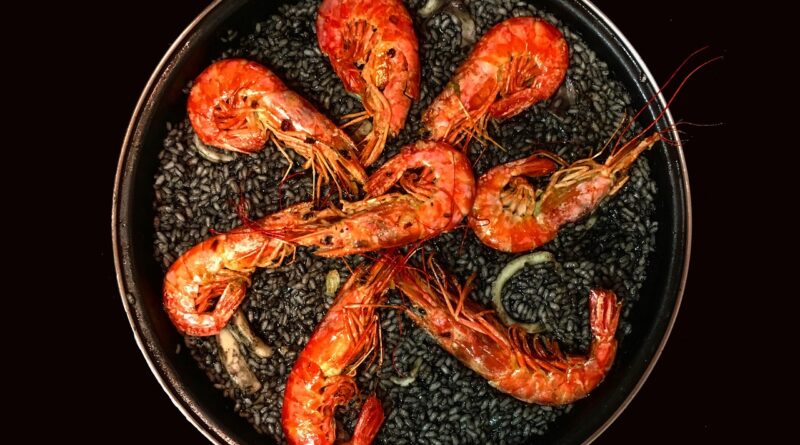
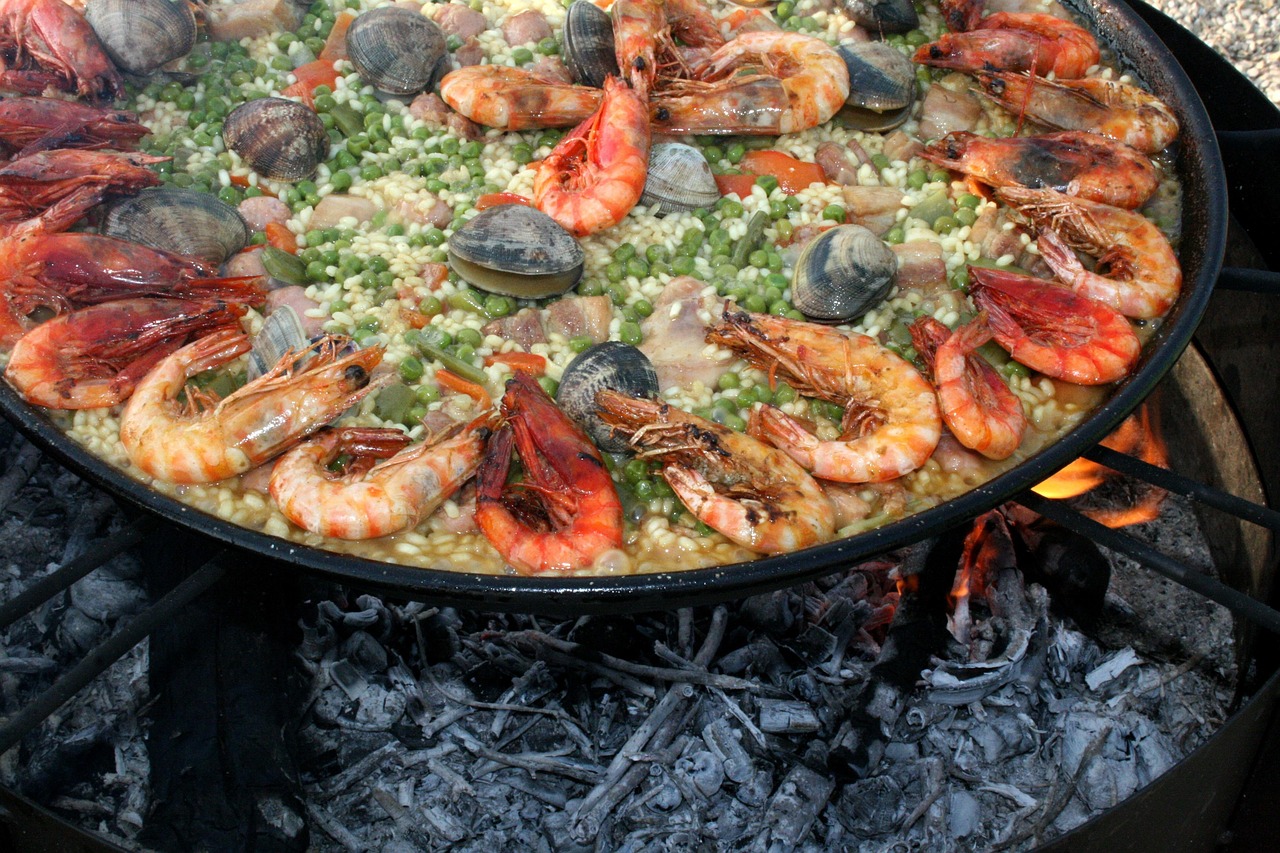
- Rice: Short-grain rice supports paella and other arroz dishes. The value is not only in the rice itself, but in how it absorbs stock, saffron, seafood, meat or vegetables.
- Legumes: Chickpeas, lentils and beans appear in cocido, fabada and many regional stews. They show the practical, filling side of Spanish home cooking.
- Seafood: Spain’s long coastline supports fresh fish as well as premium canned seafood such as mussels, sardines, tuna, anchovies, clams and cockles.
- Pork and cured meats: Jamón, chorizo, lomo and other cured products are important in tapas, sandwiches, stews and grazing boards.
- Wine, vinegar and sherry: Wine is not only a drink category. It also shapes vinegars, reductions, marinades and regional pairing habits.
- Spices and seasonings: Pimentón, saffron, bay leaf and parsley are more characteristic than aggressive chili heat. Spanish food is flavorful, but it is not usually defined by spiciness.
For consumers, these staples make Spanish cooking approachable. For retailers and food brands, they create several shelf-stable and premium-friendly categories, including oils, vinegars, canned seafood, olives, sauces, spice tins, rice packs and entertaining assortments.
Classic Spanish dishes and what they reveal
Famous dishes are useful entry points, but they are not a complete picture of the cuisine. The same dish can vary by region, household and season. A better approach is to look at what each dish says about local ingredients, cooking methods or eating occasions.
| Dish or format | Common association | What it shows about Spanish food |
|---|---|---|
| Paella | Valencia | Rice, stock, saffron and local ingredients cooked for texture as much as flavor |
| Tortilla española | Nationwide | Everyday cooking built from eggs, potatoes, olive oil and timing |
| Gazpacho and salmorejo | Andalusia | Seasonal vegetables, bread, olive oil and cold preparations for hot climates |
| Pintxos | Basque Country | Small-format eating, bar culture and careful assembly of high-impact flavors |
| Fabada | Asturias | Beans, pork and slow cooking suited to cooler northern regions |
| Pulpo a feira | Galicia | Seafood, paprika, olive oil and simple presentation |
| Cocido madrileño | Madrid | Chickpeas, meats and broth served as a structured, hearty meal |
| Churros with chocolate | Many cities | Street snacks, breakfast culture and café occasions |
This range explains why Spanish food works across different consumer moments. It can be rustic and filling, premium and giftable, light and vegetable-driven, or social and snackable.
Why Spanish food matters in the FMCG aisle
Spanish food is not limited to restaurants. It has become a strong fast-moving consumer goods theme because many products travel well, store well and fit current meal habits. Olive oil, olives, tinned seafood, rice, spices, broths, sauces, pickled vegetables and premium snacks all translate naturally into grocery formats.
Official Spanish government communications in 2026 described Spain as a major agri-food exporter, with reported agri-food sales abroad of about €77.6 billion for the 12 months from December 2024 to November 2025. That scale helps explain why Spanish food appears not only in specialty shops but also in mainstream supermarkets, club stores, e-commerce bundles and hospitality supply chains.
Several category signals are especially relevant for buyers and content teams:
- Premium pantry positioning: Olive oil, saffron, smoked paprika, sherry vinegar and conservas can stand out through origin, grade, packaging and usage education.
- Tapas and sharing occasions: Small plates fit entertaining, grazing boards and low-preparation meals. This supports olives, seafood tins, crackers, cheeses, cured meats and ready-to-serve sauces.
- Protected origin cues: EU quality schemes such as PDO and PGI help communicate geographic identity for certain oils, cheeses, hams, vinegars, rice, saffron and other products.
- Convenience without losing authenticity: Paella kits, tortilla-style products, sauces and marinated vegetables work best when they simplify preparation while respecting recognizable ingredients.
- Cross-category merchandising: A Spanish-themed shelf can connect oil, rice, seafood, wine, vinegar, spices and snacks rather than treating each as an isolated product.
The commercial opportunity is strongest when products are not reduced to stereotypes. Consumers may arrive through tapas or paella, but repeat purchase is often driven by everyday usefulness: a better oil for cooking, a tin of mussels for a quick board, paprika for roasted potatoes, or sherry vinegar for salad dressing.
Regional differences that shape flavor and demand
The north and Atlantic coast
Northern Spain includes Galicia, Asturias, Cantabria and the Basque Country. The food often feels cooler-climate and maritime: octopus, hake, cod, shellfish, anchovies, bean stews, cider, cheeses and pintxos. This region helps explain why Spanish conservas have a premium reputation. Canned seafood is not only emergency food; in Spanish food culture, high-quality tins can be served proudly as part of a tapas spread.
The Mediterranean east
Catalonia, Valencia and Murcia show the importance of rice, vegetables, seafood, citrus and olive oil. Valencia is strongly tied to paella and other rice dishes, while Catalan cooking often combines seafood, meats, sauces and vegetables in complex ways. For grocery shelves, this region supports rice, broths, olive oil, seafood, sauces and vegetable preserves. See also: baby&kids.
Central Spain
Castile, Madrid and surrounding areas are associated with roasts, legumes, sheep’s milk cheeses, cured meats and hearty stews. The climate and the history of preservation matter here. Dry-cured products, aged cheeses, beans, chickpeas and rustic breads all reflect food designed for durability and depth.
Andalusia and the south
Andalusia is central to olive oil, gazpacho, salmorejo, fried fish, sherry, olives and many sweets influenced by almonds, honey and spices. It also connects Spanish food to hot-weather eating: cold soups, small plates, bright acidity and dishes that pair well with outdoor dining.
How to choose Spanish food products
Whether building a home pantry or planning a retail assortment, quality depends on matching the product to the use case. A delicate extra virgin olive oil may be best for finishing, while a more economical oil may suit cooking. A premium tin of seafood can be served directly with bread and pickles, while a simpler tuna may be better for salads or sandwiches.
- Check the origin story: Region, variety, producer information and protected designation can help differentiate products.
- Match format to occasion: Tapas assortments, small tins and jarred vegetables suit entertaining; rice, broths and spices support cooking missions.
- Read the ingredient list: Many traditional Spanish products are simple. Oil, seafood, salt, vinegar, peppers or spices should be easy to understand.
- Respect storage needs: Oils should be protected from heat and light. Cured meats and cheeses require the right temperature and legal import compliance in each market.
- Avoid treating all Spanish food as spicy: Heat is only one possible note. Smokiness, acidity, salt, umami and fruitiness are often more important.
For food and beverage businesses, education is part of the product. Short serving suggestions, pairing ideas and regional notes can turn an unfamiliar tin, vinegar or spice into a repeat-purchase item.
Frequently asked questions
Is Spanish food the same as Mexican food?
No. Spanish food comes from Spain and is shaped by Mediterranean, Atlantic, European and regional Iberian traditions. Mexican food has its own Indigenous, Spanish and regional history, with different staple ingredients and techniques. The two cuisines share some language and historical connections, but they should not be treated as interchangeable.
What is the most famous Spanish food?
Paella is probably the most internationally recognized Spanish dish, but it does not represent the entire country. Tortilla española, gazpacho, jamón, churros, patatas bravas, pintxos and conservas are also important entry points.
Is Spanish food healthy?
It can be, especially when built around olive oil, vegetables, legumes, seafood and moderate portions. However, Spanish food also includes fried dishes, cured meats, pastries and rich stews. As with any cuisine, the overall pattern matters more than one dish.
What should beginners buy first?
A practical starter pantry includes extra virgin olive oil, smoked paprika, sherry vinegar, olives, a good tin of seafood, short-grain rice and saffron or a paella seasoning blend. Add bread, eggs, potatoes, tomatoes and peppers, and many simple Spanish-style meals become possible.
Why are conservas important in Spanish food?
Conservas show the Spanish approach to preservation and quality. Mussels, sardines, anchovies, tuna, clams and vegetables can be served directly from the tin or jar, making them useful for tapas, snacks and premium convenience meals.