

Baby bath basics for safer routines and gentler product choices
Why baby bath routines are safety routines first
Bath time is a hygiene task, but for infants it is also a brief, safety-critical care moment. Water depth, temperature, positioning and product choice all need attention. Pediatric and consumer safety sources give the same core advice: never leave a baby unattended in or near bath water, even briefly. The American Academy of Pediatrics notes that young children can drown in very little water, and the U.S. Consumer Product Safety Commission continues to warn about infant bath products that may give caregivers a false sense of security.
For families, the practical goal is a calm routine with everything prepared before the baby touches the water. For baby care brands and retailers, the goal is communication that supports safe use rather than overstating convenience. You can also explore more in baby&kids.
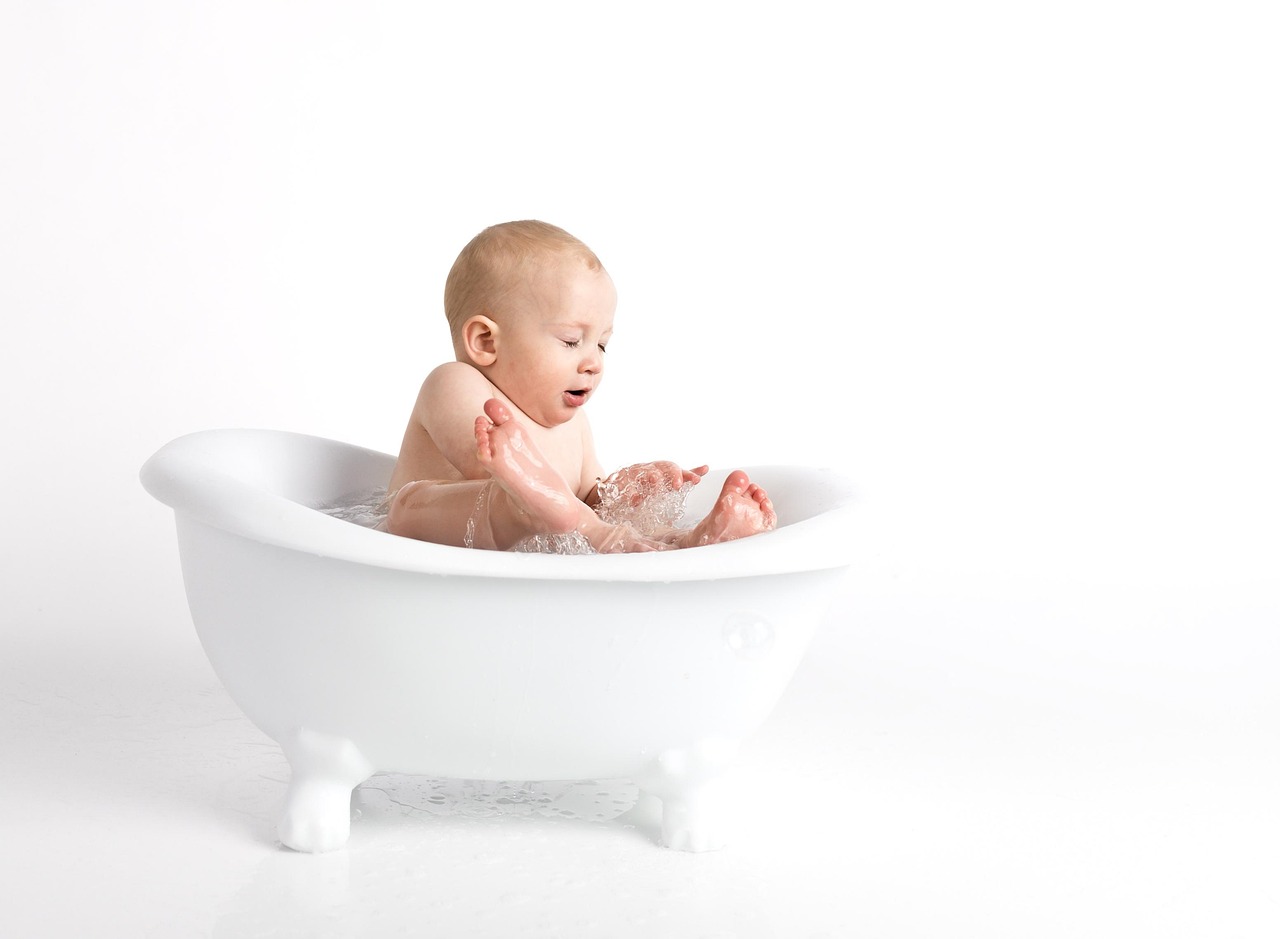
For more baby and kids care topics, visit the baby and kids section.
What caregivers usually want from a baby bath
Most searches for baby bath information combine three needs: how to bathe a newborn, which baby bath products are necessary, and how to avoid common safety mistakes. This creates a mixed search intent. Readers are not only looking for a shopping list; they want a routine they can repeat without stress.
A useful baby bath setup normally answers four questions:
- Where will the baby be washed: a sink insert, infant tub, basin or standard bathtub?
- How will the baby be supported without treating a bath aid as a safety device?
- Which wash, shampoo, towel and rinse tools are genuinely needed?
- How will the caregiver keep one hand on the baby and all supplies within reach?
For the fast-moving consumer goods market, this behavior matters. Baby bath products sit at the intersection of personal care, nursery equipment and parental anxiety. The strongest category message is rarely “more products.” It is usually fewer decisions, clearer instructions and gentler formulas.
The basic baby bath routine for newborns and infants
Pediatric sources such as the American Academy of Pediatrics and Mayo Clinic commonly advise sponge baths for newborns until the umbilical cord stump falls off, which often happens in the first one to two weeks. During this stage, the aim is to keep the baby warm, clean only what needs cleaning and avoid soaking the cord area.
Before the bath
Prepare all supplies first. A simple setup includes a clean towel, washcloth, clean diaper, fresh clothes, mild baby wash or shampoo if needed, and a small cup for rinsing. Once the bath begins, the caregiver should not need to step away to find anything.
During the bath
Use a small amount of water and support the baby’s head and body at all times. Many newborns do not need a full bath every day. Over-bathing can dry the skin, especially when cleansers are used too often. On many days, a gentle wipe of the face, neck folds, diaper area and hands may be enough.
After the bath
Pat the baby dry rather than rubbing. Check skin folds where moisture can remain. If the baby has dry skin, a fragrance-free moisturizer may help, but persistent redness, cracking, rash or oozing should be discussed with a pediatric clinician rather than managed only with over-the-counter products.
Water temperature, depth and supervision matter more than accessories
The most consistent safety message across pediatric guidance is supervision. A caregiver should stay within arm’s reach and keep attention on the baby. Phones, doorbells and quick errands can wait. If the caregiver must leave, the baby should come too.
Water temperature should be warm, not hot. The American Academy of Pediatrics and MedlinePlus advise setting household water heaters so the hottest water at the faucet is no more than 120°F, or 48.9°C, to reduce scald risk. Caregivers should also test bath water with the inside of the wrist or elbow before placing the baby in it, because adult hands may tolerate heat differently.
Water depth should be modest. More water does not make bathing easier or safer. Infants can slip, roll or slump unexpectedly, and products designed to support a seated baby do not replace hands-on supervision.
| Baby bath factor | Practical guidance | Why it matters |
|---|---|---|
| Supervision | Stay within arm’s reach at all times | Drowning can happen quickly and silently |
| Water temperature | Warm, not hot; water heater no higher than 120°F where possible | Helps reduce scald risk |
| Water depth | Use as little water as needed | Reduces risk if the baby slips or slumps |
| Bath aids | Use only as aids, not safety devices | Seats and supports can tip or allow slipping |
How to evaluate baby bath products without overbuying
The baby bath aisle can feel crowded: tubs, seats, slings, rinsing cups, thermometers, shampoos, body washes, lotions, hooded towels and bath toys. Not every item is necessary. The safest and most useful products are those that simplify the routine without reducing caregiver attention.
Baby wash and shampoo
Choose mild products made for infants, especially fragrance-free or low-fragrance options if the baby has sensitive skin. “Natural” and “clean” are marketing terms that can mean different things across brands. More useful signals include a short ingredient list, clear use instructions, age guidance, and avoidance of strong fragrance or a harsh cleansing feel.
A tear-free claim may indicate that the formula is designed to be less irritating to eyes, but it should not encourage careless use around the face. Caregivers should still rinse carefully and avoid getting cleanser directly in the eyes. See also: Buying Guides.
Infant tubs and supports
An infant tub can make positioning easier, especially for new caregivers. However, the U.S. Consumer Product Safety Commission treats infant bath seats and similar products as safety-sensitive durable infant products because misuse and noncompliant designs can create drowning hazards. In 2026, the agency continued issuing warnings about certain baby bath seats that violated mandatory safety requirements. The editorial takeaway is clear: a support product may improve posture, but it must never be marketed or used as a substitute for an attentive adult.
Towels, cloths and rinse tools
Soft washcloths and a dry towel are basic essentials. A hooded towel is convenient but not required. Rinse cups can help keep water away from the face, but any cup should be easy to grip and clean. Products that trap moisture or residue can become unpleasant quickly, so simple shapes are often better than complex designs.
Powders and after-bath extras
Powders are not essential to a baby bath routine. If caregivers use any powder, they should avoid creating airborne clouds that a baby can inhale. Talc-containing cosmetics have also faced increased regulatory attention in the United States because of asbestos-testing concerns. For most families, a gentle cleanser, towel and, when needed, a fragrance-free moisturizer are enough.
What baby care brands and retailers should communicate better
Baby bath content often focuses on softness, bonding and cute design. Those themes are relevant, but they should not crowd out safety language. For brands, retailers and category managers, the stronger long-term approach is to make safe use visible at every decision point.
- Put supervision language near the product benefit. If a tub or seat says it helps support the baby, the same panel should state that it does not replace adult supervision.
- Make age, weight and developmental limits easy to find. A baby who can roll, pull up or sit differently may use a bath product in ways the package photo does not show.
- Avoid overclaiming sensitive-skin benefits. Terms such as hypoallergenic, gentle and dermatologist-tested should be supported by clear formulation choices and cautious wording.
- Use plain instructions. Caregivers under pressure need quick steps, not dense legal language.
- Design for cleaning and drying. Bath products used in wet environments should minimize hard-to-dry crevices where residue can collect.
This is where baby bath products differ from many other fast-moving consumer goods. The consumer may repurchase wash or shampoo frequently, but trust is shaped by the first few uses. Clear labeling and conservative claims can protect both families and brand reputation.
Common baby bath mistakes to avoid
Many bath-time risks come from ordinary interruptions or assumptions, not from unusual situations. The following mistakes are worth addressing in consumer education and product copy.
- Leaving the baby for “just a second.” A brief interruption is still a risk. If the caregiver must move away, the baby should be lifted out and taken along.
- Relying on a seat or sling as a safety device. Bath aids can help positioning, but they can tip, shift or allow the baby to slip.
- Using water that feels comfortable to adult hands only. Testing with the wrist or elbow and controlling heater settings gives an added margin of safety.
- Bathing too often with cleanser. Daily full baths are not always necessary for newborns and may dry the skin.
- Choosing products mainly by fragrance. A pleasant scent for adults may be too strong for a baby or unnecessary for infant skin.
- Ignoring product recalls or warnings. Baby bath seats, tubs and accessories should be checked for current safety alerts, especially when bought secondhand or through online marketplaces.
Frequently asked questions
How often does a newborn need a baby bath?
Many newborns do not need a full bath every day. A few baths per week, combined with careful cleaning of the face, neck, hands and diaper area, is often enough unless a pediatric clinician advises otherwise.
When can a newborn have a regular tub bath?
Pediatric sources commonly recommend sponge baths until the umbilical cord stump falls off and the area is healing well. This often occurs within one to two weeks, but timing can vary.
Are baby bath seats safe?
A baby bath seat should be treated as a support aid, not a safety device. The caregiver must still keep hands-on supervision and follow the product’s age, weight and use limits. Noncompliant bath seats have been the subject of CPSC warnings, so secondhand and marketplace products deserve extra caution.
What ingredients should caregivers look for in baby wash?
There is no single perfect ingredient list for every baby. In general, caregivers often prefer mild cleansers, fragrance-free or low-fragrance formulas, clear age guidance and products designed for infant skin. Babies with eczema, allergies or persistent irritation should be assessed by a healthcare professional.
Is a bath thermometer necessary?
A bath thermometer can be helpful, especially for new caregivers, but it does not replace common-sense testing and safe water heater settings. The water should feel warm, not hot, before the baby is placed in it.
The bottom line for safer baby bath care
A better baby bath routine is built around preparation, supervision and simplicity. Caregivers should gather supplies before starting, use warm shallow water, support the baby at all times and choose mild products that do not overcomplicate the process. Brands and retailers can add real value by making safety warnings, age limits and ingredient choices easier to understand. In a category filled with soft imagery and emotional messaging, the most credible baby bath content is practical, cautious and clear.