

How to choose baby bibs for feeding, teething and everyday messes
A practical way to choose baby bibs
Baby bibs are everyday baby care items, but choosing them well is less about cute prints and more about matching the bib to the job. A drooling newborn, a teething infant and a toddler learning to self-feed create different kinds of mess, so one bib type rarely works for every situation. The useful comparison points are absorbency, coverage, closure design, washing effort and material transparency.
For parents, that usually means keeping a small mix: soft absorbent bibs for milk and drool, easy-clean bibs for solid foods, and larger coverage styles for messier meals. For retailers and fast-moving consumer goods teams, it means presenting baby bibs by use case rather than by pattern alone. More baby care category coverage can be found in the baby and kids section.
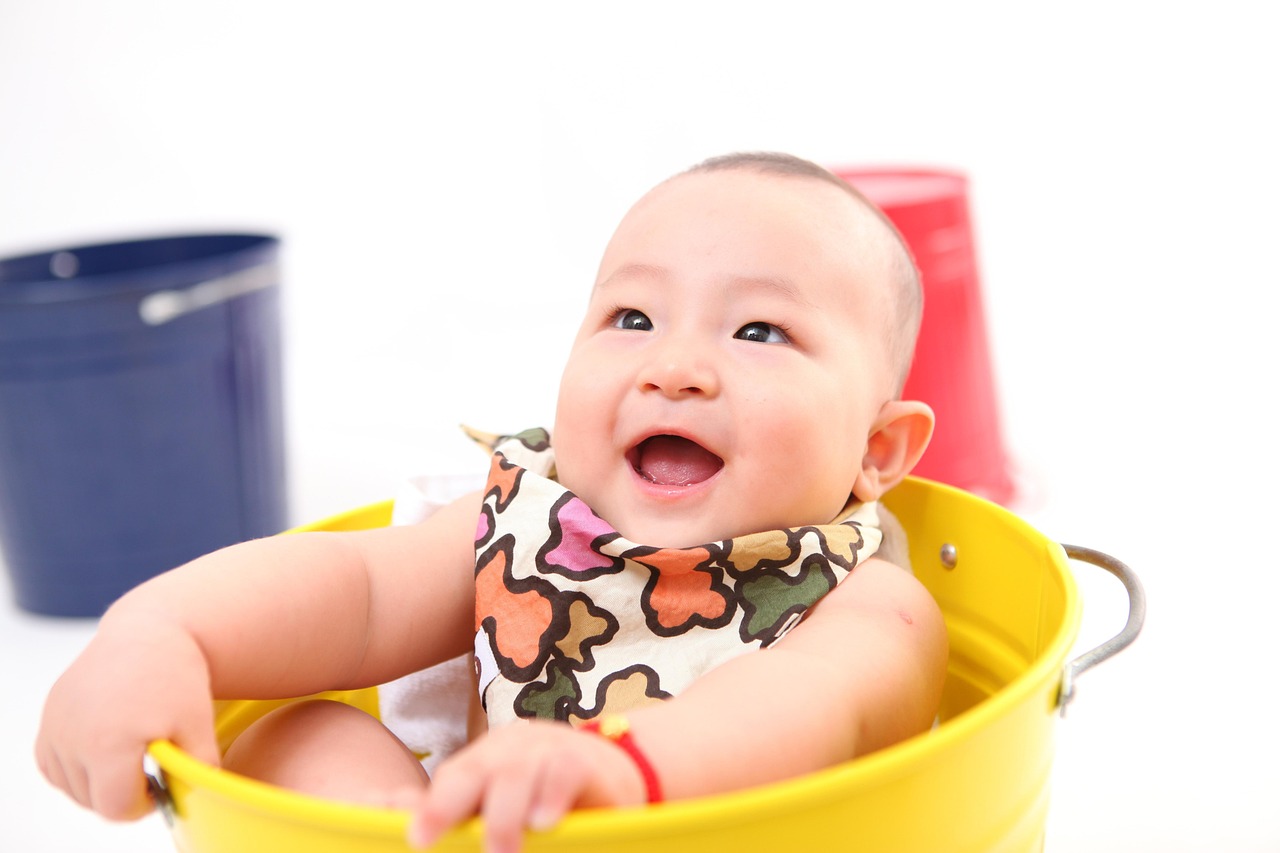
Match the bib type to the feeding stage
The most common mistake is treating all bibs as interchangeable. In practice, bib performance changes with a child’s age, posture, food texture and supervision level. A bib that works for formula drips may not handle yogurt, puree or pasta sauce. A silicone pocket bib that is useful at the high chair may feel unnecessary for a baby who mainly needs drool protection.
| Bib type | Typical use | Main advantage | Limit to check |
|---|---|---|---|
| Cotton, muslin or terry bib | Milk dribbles, spit-up, light drool | Soft, absorbent and easy to stack | Can soak through and needs frequent washing |
| Bandana bib | Teething and daytime drool | Compact and comfortable for short wear | Should be removed before sleep and checked for tightness |
| Silicone bib with pocket | Purees, finger foods and self-feeding | Wipeable surface and food-catching pocket | Less breathable and may not suit every baby’s neck shape |
| Water-resistant fabric bib | Travel, daycare meals and mixed feeding | Lightweight and often packable | Coatings can age, crack or peel if care instructions are ignored |
| Sleeved smock bib | Baby-led weaning, sauces and crafts | More arm and chest coverage | Bulkier and usually requires closer adult setup |
Newborns usually benefit from soft bibs that sit flat and do not irritate the neck. Once drooling increases during teething, absorbency and quick changes matter more. During solids, coverage, pocket shape and washability move to the top of the list. This stage-based view is more useful than simply labeling a bib as premium, natural or mess-proof.
Material decisions matter more than print design
Patterns help a product stand out, but the material determines how the bib feels, cleans and wears over time. A good material choice should support the baby’s current routine instead of creating unnecessary laundry, discomfort or replacement cost.
Cotton, muslin and terry
Cotton and muslin bibs are popular because they feel familiar, soft and breathable. Terry cloth adds more texture and absorbency, making it useful for drool and milk. These materials are practical when households expect to wash bibs frequently and keep several in rotation. The trade-off is moisture management: once the inner layer becomes wet, the bib should be changed so damp fabric does not sit against the skin for too long.
Silicone
Food-grade silicone bibs are often chosen for self-feeding because they can be rinsed, wiped and reused quickly. The pocket can catch fallen food and reduce mess around the high chair. However, silicone is not absorbent. It is better for meals than for all-day drool, and fit matters: a bib that gaps too widely may let food fall inside clothing, while one that sits too close can feel uncomfortable.
Water-resistant coated fabric
Coated fabric bibs aim to combine softness with easier cleaning. They can be useful for daycare bags and meals outside the home, but they require clear care instructions. If a coating begins to peel, crack or flake, the bib should be replaced. The U.S. Consumer Product Safety Commission has previously warned about deteriorating vinyl baby bibs where loose pieces could create concern if swallowed, so visible wear should not be ignored.
Certifications and claim language
Some shoppers look for textile certifications such as OEKO-TEX STANDARD 100, which indicates that a textile article has been tested for certain harmful substances under that program. For baby articles, OEKO-TEX uses its most stringent product class for babies and toddlers up to 36 months. This kind of label can support material confidence, but it should not be stretched into a broader claim than it proves. A certified fabric component is not the same as a tested finished bib unless the finished article and all relevant components are covered.
Safety details that deserve more attention
Baby bibs are worn near the neck and face, so small design choices matter. The goal is not to make parents anxious, but to focus on preventable risks: long ties, detachable decorations, poor fit and bibs left on during sleep.
Closures and neck design
Common closures include snaps, hook-and-loop fasteners, side ties and adjustable silicone buttons. Snaps can be secure and low-profile, but they should be firmly attached. Hook-and-loop closures are easy for caregivers, although they may collect lint or lose grip over time. Ties can create a flexible fit, but long cords near the neck deserve caution. CPSC safety materials advise removing bibs or other clothing tied around a child’s neck before placing a child in a crib or play yard.
Small parts and decorative elements
Decorative buttons, charms, loose labels and poorly attached snaps may turn an ordinary bib into a hazard if they detach. U.S. small-parts rules are a relevant safety benchmark for products intended for children under three, and retailers should treat detachable pieces as a serious review point. For baby bibs, simpler construction is often better: fewer ornaments, strong stitching, secure closures and no unnecessary attachments near the mouth.
Fit, supervision and sleep
A bib should cover the chest without riding into the chin, restricting movement or rubbing the neck. Babies should be supervised while wearing feeding bibs, especially during meals. The American Academy of Pediatrics emphasizes safe sleep environments that avoid items that can increase risks of choking, strangulation or suffocation. In practical terms, bibs are for awake feeding, drool management and supervised daytime use, not for naps or overnight sleep.
Cleaning, drying and replacement should be part of the decision
A bib that is difficult to clean will quickly become a daily-use problem. Reusable bibs need a routine that removes food residue, saliva and milk while allowing the material to dry fully. Fabric bibs usually belong in regular laundry, while silicone bibs may be rinsed or washed according to the label. The Centers for Disease Control and Prevention provides detailed hygiene guidance for infant feeding items, and the broader principle is clear: items used around feeding should be cleaned, dried and stored in a way that limits germ growth. See also: Buying Guides.
Households should also think about quantity. A baby who drools heavily may use several fabric bibs a day, while a toddler eating solids may need only one or two wipeable meal bibs plus backups. Daycare routines may require labeled extras. For retailers, multi-packs are not just a value format; they match real use because bibs are high-frequency, low-involvement products that are replaced when they stain, stretch, smell or wear out.
Replacement is especially important for coated or plasticized bibs. If the surface becomes sticky, cracked, peeling or difficult to clean, it should be retired. For fabric bibs, stretched neck openings, loose snaps, rough edges and persistent odor are signs that the bib is no longer performing well.
What retailers and brands should communicate clearly
In the baby and kids category, bibs sit at the intersection of apparel, feeding accessories and hygiene. That makes communication important. Parents want reassurance, but unsupported claims can create confusion. Product pages and packaging should explain what the bib is designed for, what materials are used, how the closure works, how it should be washed and when it should not be used.
Clear claims are better than broad claims. Instead of relying on vague wording such as safe, natural or non-toxic without context, brands can state whether the bib is made from cotton, silicone or a coated fabric; whether a recognized textile certification applies; whether it is dishwasher-safe or machine-washable; and what age or stage it is intended to support. If a bib is promoted for baby-led weaning, the copy should explain coverage, pocket design and cleaning rather than implying it will eliminate mess completely.
Retail assortment also benefits from use-case organization. A shelf or category page can separate drool bibs, feeding bibs, travel bibs and smock bibs. This helps shoppers understand why they might need more than one style and reduces disappointment after purchase. For FMCG and private-label teams, the most defensible product strategy is not to promise a perfect bib; it is to make the trade-offs visible.
A simple checklist before buying or listing baby bibs
- Use case: Is the bib mainly for drool, milk, solids, travel or messy self-feeding?
- Material: Does the fabric or silicone match the cleaning routine and skin-contact expectations?
- Closure: Are snaps, hook-and-loop tabs or buttons secure and easy for caregivers to use?
- Neck fit: Is the bib adjustable without being tight, loose or cord-like?
- Coverage: Does it protect the chest, shoulders or sleeves as needed for the child’s stage?
- Care instructions: Are washing, drying and temperature limits clear?
- Durability: Are seams, pockets, coatings and fasteners likely to hold up under repeated cleaning?
- Safety review: Are there detachable decorations, long ties or worn surfaces that should be avoided?
- Claim support: Are certifications and material claims specific, verifiable and not overstated?
Frequently asked questions
How many baby bibs does a household need?
There is no fixed number, because usage depends on drooling, feeding frequency and laundry habits. A practical starting point is several soft bibs for daily drool or milk and one or two wipeable feeding bibs once solid foods begin. Families who do laundry less often, use daycare or have a heavy drooler will need more.
Are silicone baby bibs better than cotton bibs?
Neither is better for every situation. Silicone bibs are useful for messy meals because they are easy to wipe and often include a food-catching pocket. Cotton, muslin and terry bibs are better for drool, milk and comfort during short daytime wear. Many households use both.
Can a baby sleep while wearing a bib?
No. Bibs should be removed before naps and overnight sleep. Safety guidance from pediatric and consumer safety organizations consistently warns against items, cords or attachments around a baby’s neck or sleep space because of choking, strangulation and suffocation concerns.
When should a bib be replaced?
Replace a bib when snaps loosen, stitching opens, the neck stretches out, the surface cracks or peels, stains and odors remain after washing, or the bib no longer fits safely. Visible deterioration matters most for coated and plasticized bibs because loose pieces can create additional risk.
What should retailers avoid saying about baby bibs?
Retailers should avoid absolute claims such as completely mess-proof, guaranteed safe or chemical-free unless those claims are precisely supported. Better product copy explains material, intended use, care method, safety limitations and any verified certification in plain language.