

Can Strollers Influence Pet Behavior When a Cute Dog Tries Climbing In
Cute Dog Tries Climbing Into Baby Stroller
A dog attempting to climb into a baby stroller is more than a charming scene; it reflects complex behavioral and sensory processes. This action often arises from curiosity, scent recognition, or emotional attachment rather than misbehavior. Dogs respond dynamically to moving objects that carry familiar scents, and strollers combine both. Proper conditioning, calm owner behavior, and structured exposure can transform such impulsive acts into manageable interactions. For experts analyzing human–animal coexistence in urban spaces, this scenario offers valuable insight into adaptive learning and environmental perception among domestic animals.
Behavioral Dynamics Between Pets and Everyday Objects
Dogs interact with household objects as part of their natural exploratory behavior. When the object moves or carries human scent, the response becomes stronger. The stroller, being a mobile enclosure associated with family members, often becomes a focal point of investigation for companion dogs.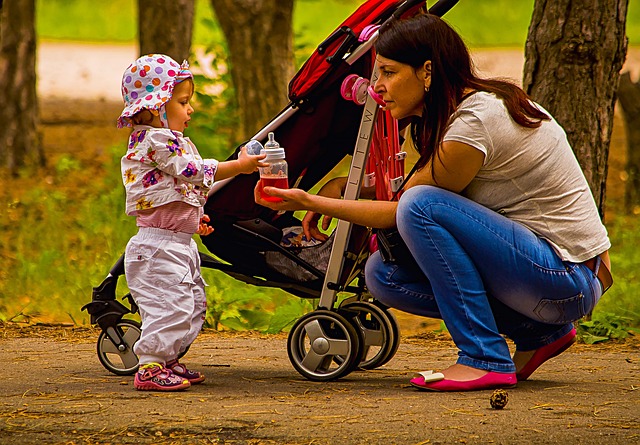
Understanding Canine Curiosity Toward Strollers
Dogs are instinctively drawn to objects that carry human odor or movement cues. A stroller combines both factors: it moves smoothly through space while retaining traces of family scent on fabric and handles. This dual stimulus can activate investigative instincts similar to those used when tracking prey or locating owners.
For dogs accustomed to wheeled devices like bicycles or carts, the stroller’s motion may not be novel. However, for others with limited exposure, the sound of rolling wheels can trigger alertness or excitement. Prior experiences with baby gear—blankets, toys, or carriers—can also shape whether the dog perceives the stroller as part of its social group or as an unfamiliar object requiring inspection.
Sensory Stimuli That Attract Dogs to Strollers
A stroller engages multiple senses simultaneously. The visual motion pattern stimulates pursuit instincts; dogs often fixate on moving shapes within their visual field. Fabric textures provide tactile feedback when sniffed or touched by paws, reinforcing curiosity.
Auditory elements also play a role. Wheel friction on pavement or subtle squeaks from joints create distinctive sounds that some dogs associate with outdoor activity. Scent remains the dominant attractant—residual traces from infants, milk formulas, or even other pets embedded in fabrics can prompt repeated sniffing or climbing attempts.
Environmental and Social Factors Affecting Pet Reactions
Beyond sensory triggers, environmental context and owner conduct heavily influence canine responses around strollers. Dogs interpret cues from their handlers and surroundings before deciding how to act.
Influence of Owner Behavior on Dog Responses
Dogs are emotional mirrors; they reflect their owner’s mood through body language synchronization. Calm handling during walks minimizes impulsive actions like jumping onto the stroller frame. Conversely, laughter or verbal encouragement after such attempts might unintentionally reinforce them.
Establishing consistent behavioral boundaries helps dogs differentiate between acceptable exploration and restricted zones. If owners treat the stroller as an off-limits area while maintaining positive engagement elsewhere, most dogs quickly adapt without stress.
Role of Social Learning in Pet Behavior Around Strollers
Social learning shapes how dogs interpret human interactions with objects. Observing caregivers gently pushing a stroller teaches that it belongs within the family unit but not as a toy for playtime.
Within multi-dog households, pack hierarchy determines who approaches first and how others follow. A dominant dog may claim proximity to the stroller as symbolic territory control. Structured exposure—short sessions where dogs remain near stationary strollers—helps replace initial excitement with calm familiarity over time.
Psychological Interpretation of the Climbing Behavior
Behavioral observation alone cannot fully explain why some dogs attempt to climb into strollers; psychological motives must also be considered. These range from affection-driven attachment to stress-related coping behaviors.
Assessing Motivation: Play, Comfort, or Attachment
Some dogs climb into strollers seeking closeness rather than dominance. The enclosed space resembles dens where they feel secure. Others interpret the act as play initiation toward their owners or infants inside.
Attachment-driven behavior is common among breeds known for strong family bonds such as retrievers or shepherds. They perceive proximity to baby-related items as participation in caregiving routines—a sign of inclusion rather than intrusion.
Stress and Anxiety Indicators in Object Interaction
Overexcitement near strollers may signal overstimulation rather than pure curiosity. Crowded environments amplify sensory input—sounds of traffic, voices, mechanical noises—which can heighten arousal levels.
If reprimanded harshly after climbing attempts, some dogs exhibit avoidance behaviors like tail tucking or retreating from future encounters with strollers altogether. Such reactions suggest fear conditioning instead of comprehension of rules. Observers should monitor ear position, tail carriage, and eye focus to distinguish stress signs from playful intent accurately.
Training and Management Strategies for Controlled Interaction
Effective management requires structured training that channels curiosity productively while maintaining safety for both pet and infant during shared outings.
Conditioning Techniques to Modify Responses Toward Strollers
Gradual desensitization works best: start by placing the stationary stroller near the dog’s resting area without interaction pressure. Reward calm behavior using treats or verbal praise when the dog ignores it.
Over several sessions, introduce motion slowly—rolling short distances while maintaining relaxed tone cues reinforces self-control around moving stimuli. Redirected play using toys diverts attention away from climbing impulses while satisfying natural curiosity through alternative engagement.
Safety Considerations During Walks with Both Pets and Strollers
When managing both leash and stroller simultaneously, spatial awareness becomes critical. Keep leash length short enough to prevent tangling beneath wheels yet loose enough for comfortable pacing alignment beside the stroller path.
Harnesses distribute pressure evenly across shoulders during sudden stops or turns, reducing injury risk compared with neck collars. Planning routes with predictable surfaces minimizes unexpected noise triggers that could startle sensitive dogs mid-walk.
Managing Leash Control and Spatial Awareness
Maintaining physical separation between leash radius and stroller wheelbase prevents entanglement incidents common in narrow sidewalks or crowded parks. Adjust walking speed so both movements remain synchronized without tension buildup on either side.
Establishing Predictable Routines for Calm Coexistence
Routine fosters stability in animal behavior science; pre-walk rituals such as sitting before departure cue expected conduct once outdoors begins. Familiar routes reduce novelty stressors that otherwise provoke reactive lunges toward unfamiliar stimuli like passing bikes or scooters near strollers.
Broader Implications for Human–Animal Interaction Studies
The seemingly simple event of a cute dog trying to climb into a baby stroller provides rich data for behavioral research examining adaptation between domestic species and human-designed tools within shared environments.
Insights Into Cross-Species Environmental Adaptation
The interaction between dogs and strollers exemplifies adaptive learning where animals adjust instincts to coexist safely amid technological artifacts of human mobility culture. This adaptation demonstrates flexibility central to domestication success—a balance between innate drives and learned restraint shaped by social context.
Urban planners studying pet-friendly infrastructure can use these insights when designing sidewalks wide enough for simultaneous pedestrian–stroller–dog traffic flow without conflict points such as curbs too narrow for safe passage.
Applications in Behavioral Research and Training Methodology Development
Detailed observation of such interactions informs evidence-based training protocols emphasizing controlled exposure over punishment-based correction methods in multi-species homes containing infants and pets alike.
Integrating ergonomic design principles—like low-noise wheel bearings—with behavioral conditioning frameworks enhances harmony among caregivers managing both children’s transport needs and canine companionship simultaneously across diverse living environments.
FAQ
Q1: Why do some dogs try climbing into baby strollers?
A: They often respond to familiar scents combined with movement cues that trigger curiosity or attachment instincts toward family members associated with the stroller environment.
Q2: How can owners discourage this behavior safely?
A: Through gradual desensitization paired with positive reinforcement when ignoring the stroller; never through scolding which may cause anxiety-based avoidance later on.
Q3: Are certain breeds more prone to this reaction?
A: Breeds bred for close companionship such as retrievers tend to display stronger affiliative responses toward infant-associated items including strollers due to heightened social bonding traits.
Q4: What safety measures should be taken during walks?
A: Maintain clear spacing between leash radius and wheels using harnesses instead of collars while choosing quiet predictable routes minimizing overstimulation risks near traffic zones.
Q5: Can repeated exposure reduce excitement around strollers?
A: Yes; consistent controlled encounters help shift perception from novelty toward normalcy leading most dogs eventually to ignore moving strollers calmly during daily routines.