
Is The Fold-Out Crib Recall in the UK a Turning Point for Product Safety
Popular Fold-Out Crib Is Pulled From Sale in UK Over Deadly Suffocation Risk
A widely sold fold-out crib has been urgently recalled across the UK after multiple reports linked it to fatal suffocation risks. The model, once praised for its convenience and portability, is now under investigation by safety regulators. This recall underscores a broader issue in the childcare market: the gap between consumer trust and real-world product safety. Experts argue that this event could reshape how infant sleep products are tested, certified, and monitored in Britain.
The Context Behind the Fold-Out Crib Recall in the UK
The recall did not occur in isolation; it reflects years of evolving market trends and consumer expectations surrounding infant care products.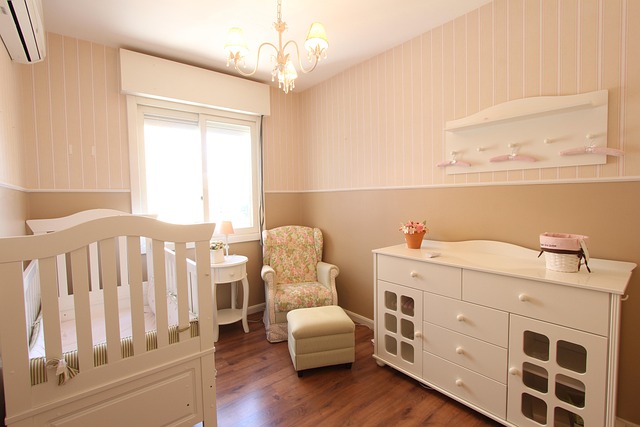
Overview of the Product and Its Market Presence
The recalled fold-out crib was marketed as a lightweight, travel-friendly option designed for small urban homes. It gained popularity among new parents who valued compact design and quick assembly. Major retailers distributed it both online and through physical stores, often bundling it with mattress accessories. Sales were boosted by social media endorsements from parenting influencers, creating a perception of reliability.
Identification of Safety Concerns Leading to the Recall
Safety complaints began surfacing months before the official recall. Parents reported that infants could roll into fabric folds or gaps near the base, obstructing breathing. Regulators received several incident reports suggesting potential suffocation hazards. After initial investigations, authorities confirmed design flaws that allowed unsafe sleeping positions. The manufacturer’s first public statement emphasized cooperation with regulators but faced criticism for delayed action and vague communication.
Regulatory Framework Governing Product Safety in the UK
The recall has reignited debate about whether current British standards for infant sleep products adequately protect consumers in a rapidly evolving marketplace.
Current Standards for Infant Sleep Products
UK safety rules for cribs and bassinets are guided by British Standards such as BS EN 1130 and BS EN 716. These specify structural stability, breathable materials, and resistance to collapse. Before entering the market, cribs undergo mechanical load testing and airflow assessments to simulate real use conditions. Labels must include age limits, assembly instructions, and clear warnings about soft bedding or unattended use.
The Role of Regulatory Bodies and Enforcement Mechanisms
The Office for Product Safety and Standards (OPSS) oversees compliance with these standards. When defects arise, OPSS coordinates with manufacturers and retailers to initiate recalls or corrective actions. Consumer protection laws empower regulators to remove unsafe goods from shelves if companies fail to act voluntarily. Retailers are also required to notify customers directly when a recall affects previous purchases.
Analyzing the Recall as a Turning Point for Product Safety Policy
This case may mark a shift toward more transparent oversight in consumer goods—especially those involving child welfare.
Shifting Expectations Around Accountability and Transparency
Public scrutiny now demands that brands conduct proactive safety audits before launching new models. Transparent reporting of defects helps rebuild consumer confidence after crises like this one. Digital traceability tools—such as QR-coded serial numbers—could allow faster identification of affected batches during future recalls.
Potential Revisions to Product Testing and Certification Processes
Industry experts have called for stricter pre-market evaluations that mimic real-life sleeping environments rather than controlled lab tests alone. Integrating post-sale data from customer feedback systems could reveal emerging hazards earlier. Continuous monitoring platforms may soon become mandatory for high-risk categories like infant cribs.
Industry Implications: Redefining Design and Manufacturing Practices
Manufacturers face increasing pressure to rethink how they design baby furniture—from raw materials to final assembly—to prevent similar incidents.
Engineering Safer Infant Sleep Solutions
Future crib designs will likely prioritize breathable mesh fabrics over padded sides to reduce suffocation risk. Structural reinforcements can prevent collapse even under uneven weight distribution. Collaboration between pediatric health experts, engineers, and regulators is becoming essential during product development phases.
Supply Chain Responsibility and Quality Control Measures
Every supplier involved in producing parts for cribs must meet verified material safety criteria. End-to-end inspection systems help detect structural weaknesses before shipping. Some factories are experimenting with AI-driven vision systems that scan each unit during production to catch stitching or frame defects early.
Consumer Trust, Brand Reputation, and Market Response
How companies handle recalls can determine whether they recover or lose their standing permanently within the childcare sector.
How Recalls Influence Brand Perception in the Childcare Industry
Parents often equate recalls with negligence rather than transparency, leading to steep drops in brand trust scores after such events. Companies attempting recovery typically offer refunds or redesigned replacements while launching educational campaigns about safe sleep practices.
Long-Term Shifts in Consumer Behavior Post Recall Events
After major recalls, parents increasingly seek certification labels like “BSI Kitemark” or third-party tested seals before purchasing nursery items. Demand is also rising for sustainable materials—organic cotton covers or FSC-certified wood—that combine eco-consciousness with proven safety credentials. Social media discussions now influence buying choices more strongly than traditional advertising ever did.
Cross-Sector Lessons: Parallels with Other Regulated Industries
The lessons from this recall extend beyond childcare manufacturing into sectors like renewable energy installation where safety assurance frameworks face similar scrutiny.
Applying Risk Management Models from Renewable Energy Installation
In renewable energy installation projects, predictive analytics track equipment fatigue before failures occur—a model that could apply equally well to consumer product monitoring systems. Lifecycle analysis ensures continued compliance long after deployment, mirroring how ongoing crib performance could be tracked through connected sensors or user reporting tools.
Building a Culture of Preventive Safety Across Product Categories
Cross-industry collaboration can foster preventive safety cultures rooted in ethical responsibility rather than reactive crisis management. Embedding these principles into corporate governance encourages continuous improvement across all high-risk product categories—from solar panels to nursery furniture—where human life may depend on design integrity.
FAQ
Q1: Why was the fold-out crib recalled?
A: It was recalled due to confirmed suffocation risks linked to design flaws allowing infants’ faces to press against non-breathable surfaces.
Q2: Which authority manages product recalls in the UK?
A: The Office for Product Safety and Standards (OPSS) oversees recalls under national consumer protection laws.
Q3: What should parents do if they own this crib model?
A: They should stop using it immediately, contact the retailer or manufacturer for return instructions, and register their claim through official recall portals.
Q4: How might this event change future crib regulations?
A: It may lead to stricter pre-market testing protocols, real-world simulation trials, and digital traceability requirements for all infant sleep products.
Q5: What parallels exist between crib safety management and renewable energy installation?
A: Both rely on predictive risk assessment models, lifecycle monitoring, and transparent reporting frameworks designed to prevent failures before harm occurs.