
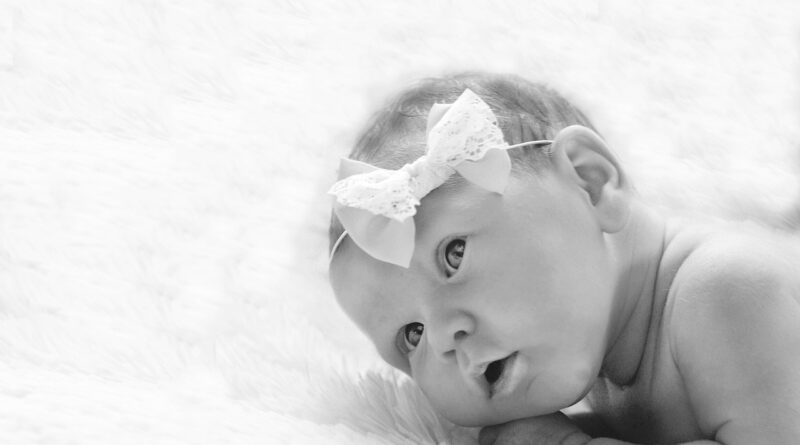
Baby bows safety and buying guide for parents and retailers
What parents and retailers should know first
Baby bows are popular because they are affordable, expressive and easy to pair with everyday outfits, milestone photos and gift sets. When shoppers look for baby bows, the question is rarely about style alone. Parents want accessories that feel comfortable and age-appropriate, while retailers need products that are safer to stock, easier to explain and supported by clear supplier information.
The practical guidance is straightforward: choose soft materials, avoid tiny detachable decorations, check the attachment method, use clear age guidance and remove bows during sleep or any unsupervised time. A bow is a decorative accessory, not a toy or a sleep product. That distinction should guide both buying decisions and product descriptions.
For more baby and children’s product discussions, visit the baby and kids category.
Why baby bows need a safety-first lens
Baby bows sit close to the face, hairline and mouth. Babies also explore objects by pulling, chewing and mouthing, so a small accessory deserves more scrutiny than its price or size might suggest. Even a well-made bow can be unsuitable if the band is too tight, the clip is heavy, a decoration can detach or the product is used while a baby is asleep.
The U.S. Consumer Product Safety Commission’s small-parts guidance is especially relevant to accessories intended for children under 3. The rule focuses on objects that can present choking, aspiration or ingestion hazards if they are small enough and accessible to young children. Parents do not need to run a formal laboratory test at home, but the principle is useful: if a bead, charm, glued flower, metal clip cover or decorative knot can detach and become small enough to mouth, the product deserves caution.
Chemical safety can matter too. In May 2025, CPSC announced a recall of children’s snap hair clips sold on Amazon because the painted clips exceeded the federal lead paint ban. That recall does not mean all clips or bows are unsafe. It does show why retailers should not treat hair accessories as purely cosmetic items. Paint, coatings, metal parts and decorative finishes should be part of the safety review.
Sleep is another clear boundary. The American Academy of Pediatrics’ safe sleep guidance recommends keeping soft objects, loose bedding and items that could increase entrapment, suffocation or strangulation risk out of an infant’s sleep area. A baby bow is not named as bedding, but the safer editorial interpretation is to remove headbands, clips and decorative accessories before naps and overnight sleep.
Common types of baby bows and when they make sense
Not every baby bow suits every age or use case. The safer choice depends on hair length, mobility, supervision and construction. The table below gives a practical comparison for parents, gift buyers and retail assortment planners.
| Type | Typical use | Benefits | Watchouts |
|---|---|---|---|
| Soft elastic headband bow | Supervised infant wear and photos | No clip teeth, easy to position, comfortable when sized correctly | Band must not leave pressure marks; remove during sleep |
| Nylon or stretch headband bow | Newborn and early baby styling under supervision | Lightweight and flexible, often fits a range of head sizes | Stretch can loosen over time; inspect stitching and bow attachment |
| Fabric bow on alligator clip | Older babies and toddlers with enough hair to hold the clip | Secure styling for short periods, easy outfit matching | Clip can detach, pinch or become a mouthing hazard if pulled out |
| Snap clip or barrette with bow | Toddlers and older children | Strong hold for fine hair, practical for keeping hair away from eyes | Painted or coated metal parts should be compliant and smooth |
| Oversized occasion bow | Photos, birthdays and supervised events | High visual impact and gift appeal | Should not block vision, cover the face or become heavy on the head |
Age labels should not be treated as a formality. Some products are clearly designed for toddlers rather than infants, even when the styling looks similar online. For retailers, separating infant headbands from toddler clips helps customers shop by developmental stage and reduces the chance of choosing the wrong product.
Materials, fit and construction signals to check
The first quality signal is material. Cotton, soft nylon blends, smooth grosgrain ribbon and other skin-friendly fabrics are common choices. What matters is not only the fabric name but also how the product feels at the edges. Scratchy seams, stiff glue patches, unfinished ribbon ends and exposed metal can irritate a baby’s skin or encourage pulling.
Fit should be gentle. A headband should stay in place without digging into the scalp, leaving deep marks or sliding down toward the eyes. Babies grow quickly, so a band that fits today may become tight later. Parents should check fit each time instead of assuming that a stretchy product remains appropriate for months.
Construction is where many low-cost accessories differ. Sewn bows are generally easier to inspect than bows that rely heavily on glue, especially when the product includes layered decorations. Retailers and buyers should examine whether the center knot, flower, pearl, rhinestone, pom-pom or charm is firmly attached. Decorative elements that exist only for appearance but add small detachable parts can weaken the safety profile.
Labels and packaging also matter. For children’s products sold in the United States, CPSC requirements may include tracking labels, lead limits and other rules depending on the product type, age grading and materials. Retailers should not make compliance assumptions based only on supplier photos. Ask for product specifications, age grading, material information and applicable compliance documentation before adding baby bows to an assortment.
How retailers can evaluate baby bow assortments
For FMCG and children’s accessories sellers, baby bows are attractive because they are compact, seasonal, giftable and easy to merchandise in multipacks. The risk is that the category can look simple, leading teams to focus on color variety and price while overlooking construction consistency. A stronger buying process combines visual appeal with a basic safety and quality checklist.
- Define the target age clearly. Separate newborn-style soft headbands from toddler clips and older children’s barrettes.
- Request supplier documentation. Ask for materials, coatings, age grading, warnings and applicable children’s product compliance information.
- Inspect small decorations. Avoid items with beads, rhinestones, pearls or charms that can detach easily.
- Review attachment methods. Check whether bows are sewn, glued or mechanically attached, and whether clips are fully covered and smooth.
- Use accurate product copy. Avoid broad claims such as “safe for all newborns” or “sleep-safe.” Use supervision and age guidance instead.
- Monitor recalls and complaints. CPSC recall notices can reveal patterns such as lead paint, detachable parts and choking hazards in nearby product categories.
Retailers should also consider packaging. Multipacks can create value, but each bow should remain identifiable by style, lot or supplier record if a quality issue appears. Simple care cards can reduce misuse by reminding caregivers to inspect accessories, remove them before sleep and stop using damaged items. See also: Buying Guides.
Styling and merchandising without increasing risk
Baby bows sell because they create an instant look. Soft neutrals work well for everyday outfits, while pastel, floral, gingham and holiday colors support seasonal displays. From a merchandising perspective, the strongest sets usually solve a styling problem: a neutral pack for daily wear, a special occasion bow for photos, or a small coordinated bundle for gifting.
Safety should still shape styling decisions. Long trailing ribbons can look elegant in photos but may be impractical for active babies. Heavy bows can tilt forward or pull on fine hair. Very small bows may appear minimal, but if they detach, they can become easier to mouth. A balanced bow is visible without covering the eyes, nose or mouth, and it remains comfortable for the short period it is worn.
For parents, the best use case is supervised wear. Put the bow on for an outing, photo or family event, then remove it when the baby is no longer being watched closely. For retailers, this message can be framed positively: baby bows are occasion-ready accessories, and careful use helps keep them comfortable and appropriate.
Care, inspection and replacement routine
Baby bows need routine inspection because small accessories may be pulled, washed, chewed, stored in diaper bags and repeatedly stretched. Before each use, check the band, clip, stitching, glue points and decorations. If a bow feels sticky, smells strongly of chemicals, sheds glitter, exposes metal, loses shape or has a loose center knot, it should be removed from use.
Care instructions should be conservative. Many fabric bows last longer with spot cleaning or gentle hand washing followed by air drying. Heat can weaken glue, deform synthetic materials or affect elastic recovery. Retailers should avoid care claims unless they are supported by supplier instructions or testing.
Replacement is normal. A baby accessory does not need to last for years to be worthwhile. If the elastic stretches out, the clip no longer grips, the fabric frays or the decoration loosens, replacement is safer than repair. Home repairs with extra glue, thread or added embellishments can introduce new weak points.
Frequently asked questions
Are baby bows safe for newborns?
Soft baby bows can be appropriate for newborn photos or supervised wear when they fit gently and have no detachable small decorations. They should be removed during sleep and whenever the baby is not being closely supervised.
Are clips better than headbands?
Neither option is automatically better. Headbands can work for babies with little hair, but they must not be tight or slide over the face. Clips can hold hair more securely for older babies and toddlers, but they can be pulled out and mouthed. Choose based on age, hair amount and supervision.
What size baby bow should parents choose?
Choose a bow that is proportionate to the baby’s head, does not cover the eyes or face, and does not rely on tiny decorative pieces. Very large bows can be awkward or heavy, while very small detachable parts can be a hazard if they come loose.
Can a baby sleep in a bow?
No. Bows, headbands and clips should be removed before naps and overnight sleep. Safe sleep guidance emphasizes a clear sleep area without loose or soft objects that could create unnecessary risk.
What should retailers ask suppliers before stocking baby bows?
Retailers should ask for the intended age range, material details, coating information, construction method, warnings, care instructions and applicable children’s product compliance documentation. They should also inspect samples rather than relying only on catalog images.