

How Do You Choose the Safest Baby Bed for Everyday Sleep?
A baby bed may look like a simple item, but the details matter once you start checking slat gaps, mattress height, paint finish, fitted sheets, packaging, and the space in the room. For a nursery, retail baby aisle, or online family order, the safer pick is often the plain one: a firm, flat place to sleep with no loose items inside. You can also browse the Baby & Kids collection for related daily-care items that fit a practical nursery setup.
The public health background is worth noting. The CDC reported about 3,700 sudden unexpected infant deaths in the United States in 2022. This does not mean a baby bed alone causes these cases, but it shows why the sleep area should be checked more carefully than color, trim, or a cute mobile over the crib. A good bed should make safe sleep habits easy to follow every night, especially when parents are tired. (cdc.gov)
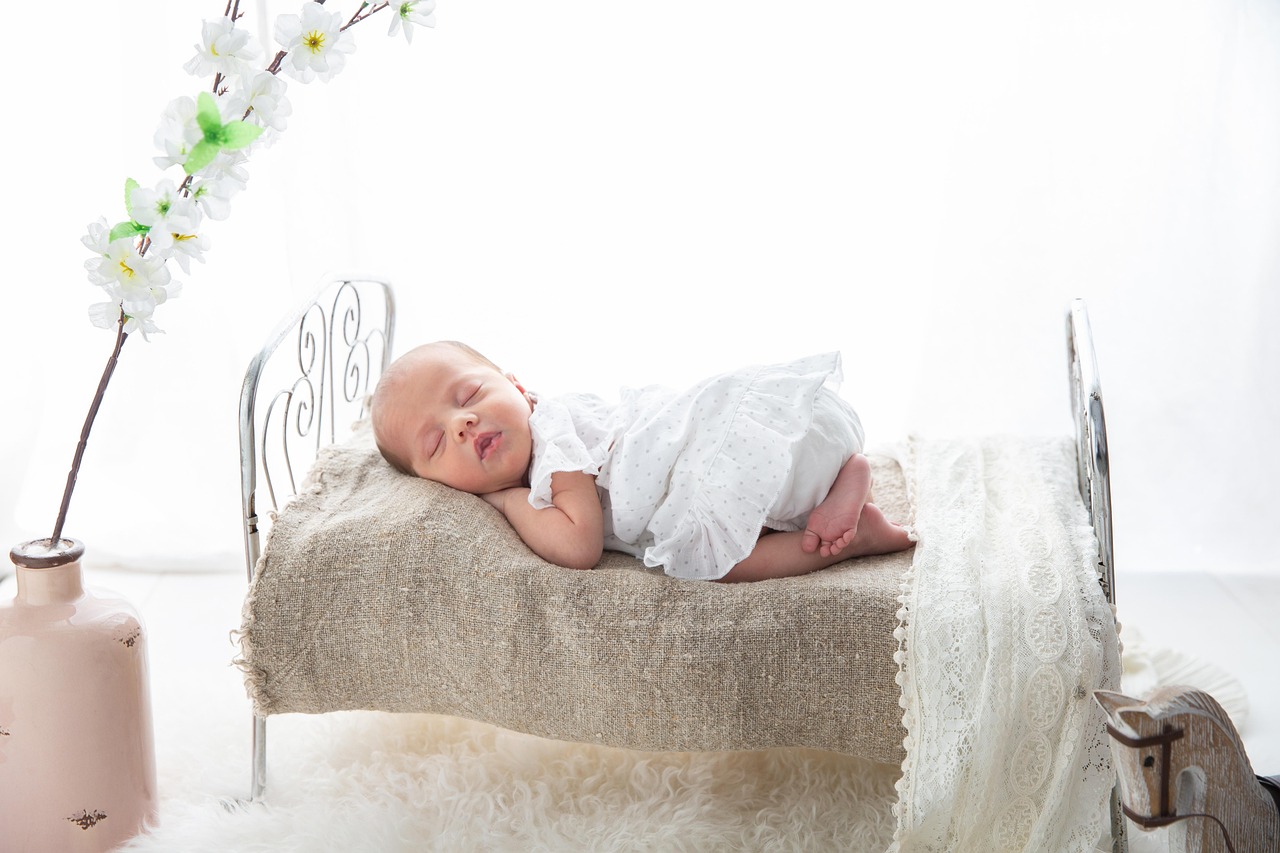
What Makes a Baby Bed Safe for Everyday Sleep?
A safe baby bed starts with the surface the baby sleeps on and the frame around it. The American Academy of Pediatrics advises a separate sleep space such as a crib, bassinet, or play yard with a firm, flat mattress and a fitted sheet only. That setup may look plain in a nursery photo, but it keeps the sleep area clear and easier to manage. (aap.org)
A Firm, Flat Sleep Surface
The mattress should not sink, lean, or form a hollow under the baby. Press your hand into the surface and let go; a firm mattress should return to shape quickly and should not wrap around the face. Do not use inclined sleepers for normal sleep. The NICHD Safe to Sleep campaign describes the right surface as firm, flat, level, and covered only with a fitted sheet. (safetosleep.nichd.nih.gov)
Slat Spacing That Blocks Entrapment
For cribs with slats, spacing is not just a style point. It is one of the first checks a buyer should make. The U.S. Consumer Product Safety Commission says crib slats should be no more than 2 3/8 inches apart, about the width of a soda can, so a baby’s body cannot pass through. If any slat is missing, cracked, or loose, treat the item as unsafe and stop using or selling it. (cpsc.gov)
A Bare Bed with Fitted Sheet Only
A bare bed can look too empty to new parents, but that is the point of the setup. Keep pillows, quilts, bumpers, plush toys, loose blankets, and positioners out of the bed. Use a fitted sheet that holds the mattress corners firmly. If the room is cool, choose suitable sleep clothing instead of adding loose bedding.
Which Baby Bed Size Fits Your Home and Routine?
Size affects more than floor space. It also decides how long the bed can be used, how easy it is to move, and whether it fits through a doorway, into storage, or inside a delivery box. Measure the room before ordering. This sounds basic, but many returns start with a hallway turn or door width that nobody checked.
Full-Size Cribs for Longer Use
A full-size crib is often the better long-term baby bed for a fixed nursery. It usually gives parents more use time before the baby grows out of the bed. The CPSC business guidance lists the interior dimensions for full-size cribs as 28 inches plus or minus 5/8 inch in width and 52 3/8 inches plus or minus 5/8 inch in length. That standard sizing helps buyers match mattresses and sheets with less risk of a poor fit. (cpsc.gov)
Mini Cribs for Small Rooms
A mini crib can be a good choice when the baby bed needs to sit beside an adult bed, in a shared room, or in a smaller rental home. It saves space, but the use period may be shorter. Babies grow fast, and a compact bed can feel tight earlier than expected. Always check the product’s weight and height limits before choosing it for long-term use.
Portable Beds for Travel and Day Care
Portable play yards are useful for travel, grandparents’ homes, and day-care style routines. Choose models with strong locking joints, a flat floor, and a mattress pad made for that exact unit. Do not add a second mattress to make it softer. Extra padding can leave gaps along the sides, and those gaps are exactly what should be avoided.
How Should You Check Materials, Finish, and Build Quality?
A baby bed gets touched, kicked, wiped, assembled, and sometimes chewed. Materials are not only about appearance. They affect cleaning, frame strength, and whether the bed still feels steady after months of sheet changes and late-night checks.
Smooth Edges and Stable Hardware
Run your hand along the rails, corners, and mattress support points. You should not feel splinters, sharp edges, rough screw heads, or thin plastic that bends under light pressure. Hardware should sit tight after assembly. If a screw hole strips during setup, do not ignore it, because a loose joint can get worse during normal use.
Breathable Mattress Support
Look under the mattress before you finish the setup. Slats or a firm support board should hold the mattress evenly, with no dip in the center. Some designs allow more airflow under the mattress, which can help after spills or on warm nights. Airflow is useful, but it never replaces the main rules: firm, flat, and fitted.
Easy-Clean Surfaces for Daily Mess
Babies bring milk drips, diaper leaks, and sticky hands, so the surface needs to clean well. Choose finishes that can be wiped without peeling, swelling, or holding dirt in deep grooves. The finish should feel even and dry, not sticky. For bulk or repeat purchasing, ask for care instructions before ordering, because cleaning rules often affect customer feedback after the sale.
What Bedding and Accessories Belong in a Baby Bed?
Accessories move well in stores because they look warm and cute. Even so, a safe baby bed setup is not made by adding more items. It is made by removing anything that does not need to be inside the sleep space. Keep comfort in clothing, room temperature, and routine, not in loose items around the baby. See also: Buying Guides.
Fitted Sheets That Stay Tight
Use fitted sheets made for the exact mattress size. The sheet should hold each corner and stay smooth when pulled lightly. If it bunches, slides, or comes off during a quick change, it is not the right sheet for that mattress. Keep two or three fitted sheets ready, because late-night laundry is never convenient.
Sleep Sacks Instead of Loose Blankets
When the baby needs more warmth, a wearable sleep sack is usually a better choice than a loose blanket. Pick the right size so the fabric does not move up over the face. The neck opening should not be too large, and the fabric weight should match the room temperature. Overheating should also be avoided, so do not dress the baby too heavily.
No Pillows, Bumpers, or Toys
Pillows and plush toys should stay outside the sleep space while the baby sleeps. Crib bumpers may look neat in product photos, but they add soft material where the baby should have open space. The AAP and CDC both warn against soft objects and loose bedding in a baby’s sleep area, including pillows, blankets, toys, and bumper pads. This is a simple rule, and it is one worth repeating at the point of sale. (aap.org)
How Can You Buy and Set Up a Baby Bed Without Regret?
Price matters in baby products, especially for fast-moving retail orders. Still, safety paperwork and fit should come before a discount. A cheaper bed that leads to returns, missing parts, or mattress mismatch can cost more later. Use a short checklist before checkout, then check the same points again after assembly.
Compliance Documents Before Price
For U.S. sales, covered children’s products need proper compliance support. CPSC guidance says manufacturers and importers of full-size baby cribs subject to the rule must certify compliance through a Children’s Product Certificate, and the full-size crib rule is cited as 16 CFR part 1219. Ask for current documents, not only a product photo with a badge on it. For resale or import orders, this paperwork should be checked before price negotiation goes too far. (cpsc.gov)
Real Room Measurements Before Checkout
Measure the sleeping area, the doorways, and the space needed for an adult to stand beside the bed. Leave enough room to lower the baby safely without twisting your back. If the bed has wheels, make sure they lock firmly. If it folds, check that the folding lock cannot be released by a curious older sibling.
Assembly and Regular Checks
Follow the manual step by step and keep it after setup. Tighten hardware as directed, set the mattress at the right height, and lower it as the baby grows and starts to sit or stand. Check the bed every few weeks for loose screws, cracks, peeling finish, and mattress gaps. These checks take only a few minutes, but they help catch problems before daily use makes them worse.
- Choose a firm, flat mattress made for the exact bed model.
- Keep the sleep space bare except for a fitted sheet.
- Reject damaged rails, loose slats, missing parts, or unclear assembly instructions.
- Ask sellers for compliance documents when buying for resale or import.
- Do not rely on star ratings as safety proof. There is no reliable public data set that ranks every baby bed brand by defect rate.
FAQ
Q1: What Is the Safest Type of Baby Bed for a Newborn? A: A safety-approved crib, bassinet, or play yard with a firm, flat mattress and fitted sheet is the safest common choice. The baby should sleep on the back in a separate sleep space with no soft items inside.
Q2: Can a Baby Sleep in a Baby Bed with a Blanket? A: Loose blankets are not recommended for infant sleep. If the baby needs warmth, use suitable sleep clothing or a correctly sized sleep sack instead of loose bedding.
Q3: How Tight Should the Mattress Fit in a Crib? A: The mattress should fit snugly with no unsafe side gaps. Use the mattress size listed by the bed maker. If you can see large gaps or the mattress shifts easily, do not use that pairing.
Q4: Are Second-Hand Cribs a Good Choice? A: They can be risky unless you can confirm the crib meets current rules, has no recalls, includes all original parts, and has a complete manual. Avoid old drop-side cribs, cracked wood, loose hardware, and repainted surfaces of unknown origin.
Q5: When Should You Lower the Mattress Height? A: Lower it as soon as the baby starts pushing up, sitting, or pulling to stand. The goal is to keep the rail high enough that the baby cannot climb or fall out.