
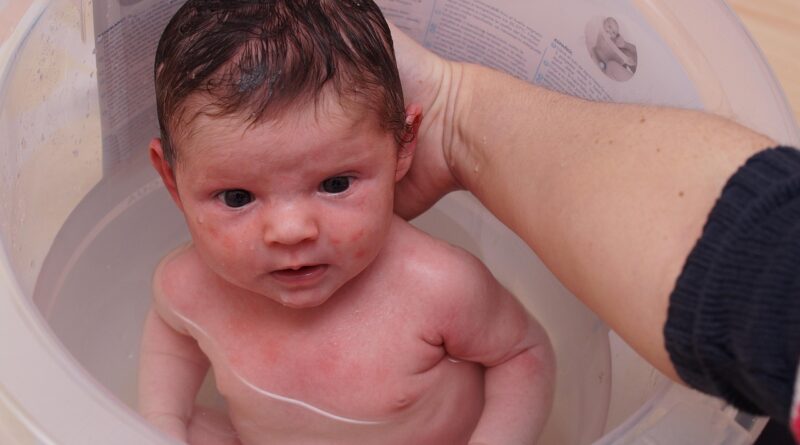
How to choose a baby wash that is gentle on sensitive skin
What a gentle baby wash should do
A good baby wash should remove milk residue, sweat, diaper-area soil and everyday grime without leaving a baby’s skin feeling tight, dry or irritated. For most babies, that means a mild, fragrance-free cleanser used only where needed, followed by careful rinsing and a short bath. Dermatology and pediatric guidance generally points parents toward lukewarm water, gentle handling and simple formulas rather than heavily scented or adult-style cleansing products.
For fast-moving consumer goods brands and retailers, the message is also clear: baby wash is no longer judged only by scent and foam. Shoppers increasingly look for transparent labels, sensitive-skin positioning and practical instructions that help them use the product correctly.
Within the baby and kids category, baby wash sits at the intersection of personal care, health-conscious parenting and regulatory scrutiny. It is a repeat-purchase item, but trust is fragile because the user is an infant or young child.
Why baby skin needs a different cleansing approach
Baby skin is often described as delicate because it is still adapting after birth. The skin barrier helps reduce water loss and protect against irritants, but it can be disrupted by over-washing, harsh surfactants, hot water, scrubbing and ingredients a child does not tolerate well. This does not mean every baby needs a long list of specialty products. In many routines, water does most of the work, and baby wash is used selectively on areas that are visibly dirty or prone to odor.
Professional guidance from organizations such as the American Academy of Dermatology and the American Academy of Pediatrics commonly emphasizes lukewarm water, short baths, mild cleansers and fragrance-free moisturizers when dryness is a concern. The practical takeaway is simple: cleansing should support the skin barrier, not work against it. A product that smells pleasant to adults or produces heavy foam may not be the best match for a newborn or an eczema-prone toddler.
Frequency matters as well. Some babies do not need a full bath every day, especially in the newborn stage. Daily bathing may be part of a family routine, but it should still be gentle and brief. For shoppers, the product question is tied to the routine question: even a mild-looking formula can irritate if it is overused, poorly rinsed or combined with hot water and vigorous rubbing.
Key label terms parents and buyers should understand
Baby wash labels often use familiar terms, but those terms do not all mean the same thing. Clearer interpretation helps shoppers avoid both unnecessary fear and misplaced confidence.
| Label term | What it usually suggests | What to check before relying on it |
|---|---|---|
| Fragrance-free | No added fragrance intended to scent the product. | Check the full ingredient list because natural extracts or odor-masking ingredients may still be present. |
| Unscented | The product may not have a noticeable scent. | It can still contain masking fragrance ingredients, so it is not always the same as fragrance-free. |
| Hypoallergenic | Designed to reduce the likelihood of allergy or irritation. | The term does not guarantee that no child will react. Individual sensitivity still matters. |
| Tear-free | Formulated to be less likely to sting the eyes during normal use. | It is not a reason to let cleanser sit near the eyes or skip careful rinsing. |
| pH-balanced | Formulated with skin compatibility in mind. | Look at overall gentleness rather than treating pH language as the only decision factor. |
| Natural or plant-based | Uses ingredients derived from plant or naturally occurring sources. | Natural ingredients can still irritate or trigger allergies, especially essential oils and botanical fragrance components. |
For baby wash, the most useful labels are usually the ones that reduce ambiguity. “Fragrance-free,” “mild,” “for sensitive skin” and “soap-free” can be helpful when they are supported by a simple ingredient list and responsible usage instructions. Claims that imply medical treatment, disease prevention or guaranteed outcomes require more caution because cosmetic and drug claims are treated differently by regulators.
Ingredients and formula features that influence gentleness
The formula behind a baby wash matters more than the front label. A gentle product usually depends on a balanced surfactant system, suitable preservation and a texture that spreads and rinses without excessive rubbing. Surfactants are the cleansing agents that help lift oils and soil from skin. In baby products, the goal is not maximum degreasing; it is sufficient cleansing with minimal disruption.
Fragrance is a major decision point
Fragrance is one of the clearest dividing lines in baby wash selection. A pleasant scent can help a product stand out on shelf, but it is not essential for cleansing. For babies with dry, reactive or eczema-prone skin, fragrance-free products are often the more cautious choice. This also includes avoiding essential oils when they are used mainly to scent the product. Essential oils may sound gentler than synthetic fragrance, but they can contain known fragrance allergens.
Preservatives are not automatically a problem
Parents sometimes worry when they see preservatives on a label, but water-based cleansers need appropriate preservation to reduce microbial growth during normal use. The better question is whether the preservative system is suitable for the product type and the intended user. “Preservative-free” may sound attractive, but in a water-containing baby wash it can raise practical safety questions unless the packaging and formula are designed to control contamination risk.
Foam does not equal cleaning power
Many shoppers associate rich lather with effectiveness. In baby wash, heavy foam is not always necessary. A low-foam or moderate-foam cleanser can still remove residue when used correctly. Brands that educate consumers on this point can reduce the pressure to formulate around adult expectations and focus instead on mildness, rinseability and after-feel.
Food-derived and botanical ingredients need context
Oat, almond, coconut, soy and other food-associated ingredients appear in many personal care products. Some are well tolerated, and colloidal oatmeal, for example, is widely used in skin-soothing products. However, parents of children with known allergies or severe eczema may want to discuss product choices with a pediatrician or dermatologist. A familiar food name should not be treated as automatically safer or riskier without considering the specific ingredient, processing, exposure and the child’s history.
How to use baby wash without over-cleansing
Correct use can help a mild formula perform well and reduce avoidable irritation. A simple routine is usually enough:
- Use lukewarm water rather than hot water.
- Keep baths short, especially for babies with dry skin.
- Apply baby wash only to areas that need cleansing, such as skin folds, hands, feet, scalp when appropriate and the diaper area.
- Use a soft hand or cloth and avoid scrubbing.
- Rinse thoroughly so cleanser residue does not remain in folds.
- Pat skin dry instead of rubbing.
- Apply a fragrance-free moisturizer after bathing if the child’s skin tends to be dry or if a clinician has recommended it.
Newborn care may be even simpler. Many families begin with sponge baths until the umbilical cord stump has fallen off and the area has healed. When a cleanser is needed, only a small amount is usually required. More product does not necessarily mean a cleaner baby, and leftover cleanser can be irritating if it is not fully rinsed.
Bath safety should remain separate from product choice, but it is just as important. A baby should never be left unattended in the bath, even briefly. Packaging design can support safer use with pumps, stable bottles and clear instructions, but supervision is non-negotiable. See also: Buying Guides.
What eczema-prone or very dry skin changes
Baby wash selection becomes more cautious when a child has eczema, frequent dryness or recurring rashes. In those cases, dermatology guidance generally favors mild, fragrance-free cleansers and limited use of cleanser on areas that actually need washing. Moisturizing after bathing is often part of eczema care, but product choice and treatment routines should be discussed with a clinician when symptoms are persistent, severe or worsening.
Parents should seek medical advice if they notice oozing, crusting, pus-filled bumps, bleeding cracks, fever, a rapidly spreading rash or intense itching that disrupts sleep. A baby wash cannot diagnose or treat infection, allergy or inflammatory skin disease. It can support a gentle routine, but it should not be positioned as a cure.
For FMCG companies, this is an important claims boundary. “Suitable for sensitive skin” and “fragrance-free” are product-positioning claims. “Treats eczema,” “prevents infection” or “heals dermatitis” are much stronger claims and may create regulatory and consumer-trust concerns if they are not properly substantiated and classified. Responsible marketing protects both the shopper and the brand.
Regulatory and market signals shaping baby wash
In the United States, products such as body cleansers, shampoos and many baby washes are generally regulated as cosmetics when they are intended to cleanse or beautify, rather than treat or prevent disease. The U.S. Food and Drug Administration has stated that cosmetic products and ingredients generally do not require premarket approval, except for color additives, but companies remain responsible for product safety and labeling. The Modernization of Cosmetics Regulation Act has also expanded FDA authority over cosmetics, increasing industry attention on registration, product listing, adverse event records and fragrance allergen disclosure.
For baby wash, these regulatory signals reinforce a broader market trend: buyers want more transparency, and brands need stronger documentation. Ingredient lists, allergen considerations, manufacturing controls and adverse-event processes are no longer back-office issues only. They influence how retailers evaluate suppliers and how parents judge credibility.
There is also a merchandising shift. Baby wash used to compete heavily on sensory cues such as scent, bubbles and cute packaging. Those cues still matter, but sensitive-skin language, dermatologist-tested claims, fragrance-free variants and refill or value formats are increasingly visible. The challenge is to make the product approachable without overstating safety or implying that normal baby skin requires complex treatment.
Practical selection checklist for parents and category buyers
A baby wash does not need to be complicated. The following checklist can help parents, retailers and content teams evaluate products more consistently:
- Start with the user: newborn, older baby, toddler, eczema-prone child or generally healthy skin.
- Prioritize fragrance-free for sensitive skin: especially when dryness, eczema or irritation is already present.
- Read the ingredient list: do not rely only on the front label or packaging color.
- Avoid adult-style assumptions: strong scent, strong foam and squeaky-clean after-feel are not necessary for babies.
- Check claim discipline: be cautious with products that imply medical treatment without clear context.
- Consider packaging: pumps and easy-grip bottles can make one-handed bathing routines less messy, though they do not replace supervision.
- Watch the skin after use: discontinue a product and seek advice if redness, swelling, hives, worsening dryness or an unusual rash appears.
For category managers, a strong baby wash assortment usually includes both everyday mild cleansers and clearly marked fragrance-free sensitive-skin options. For content publishers, the highest-value educational angle is not a simple product list but an explanation of how formula, label language and routine work together.
Frequently asked questions
Does every baby need baby wash?
No. Some newborns and young babies need only water for many baths, with a mild cleanser used on dirty or oily areas when necessary. The need depends on age, activity, skin condition and the type of residue being cleaned.
Is fragrance-free the same as unscented?
Not always. Fragrance-free generally means no fragrance was added to scent the product. Unscented usually means the product has little or no noticeable smell, but it may still contain ingredients used to mask odor. For sensitive skin, fragrance-free is often the clearer choice.
Can baby wash be used as shampoo?
Some products are formulated and labeled as both baby wash and shampoo. If the label supports both uses, it may be appropriate for hair and body. If a baby has cradle cap, scalp irritation or persistent scaling, parents should ask a pediatrician for guidance rather than relying only on a cleanser.
Should parents avoid all preservatives in baby wash?
No. A water-based cleanser usually needs a suitable preservative system to remain safe during normal use. The goal is not to avoid every preservative, but to choose a well-formulated product and stop use if a child appears to react badly.
What should parents do if a baby reacts to a wash?
Stop using the product, rinse the area gently with water and monitor the skin. Seek medical advice if the reaction is severe, spreads quickly, involves swelling or hives, looks infected or does not improve. Keep the product packaging so the ingredient list is available if a clinician asks for it.