
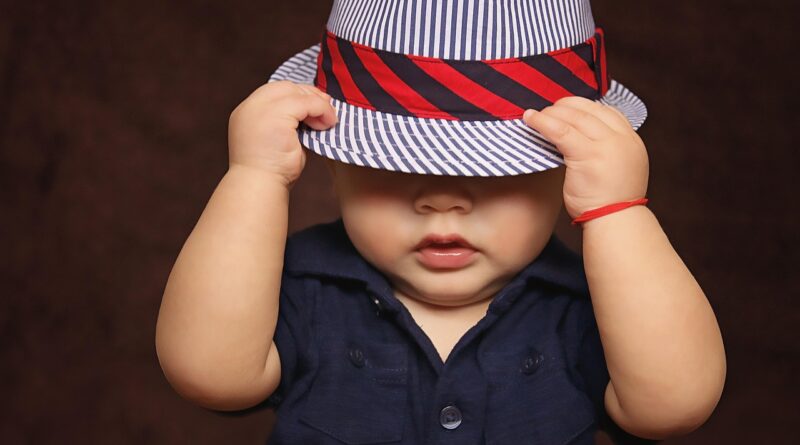
How to choose cute baby boy clothes that are safe, practical and easy to style
What makes baby boy outfits cute and practical?
Cute baby boy clothes need to do more than look good in photos. The best pieces combine soft fabrics, easy diaper access, secure construction, flexible sizing and simple styling that works during daily care. A romper with nickel-free snaps, a breathable cotton bodysuit, a cozy cardigan or a matching set can all look sweet, but they also need to handle frequent washing, fit safely and keep the baby comfortable.
For parents, grandparents and gift buyers, the goal is not to find the most decorative outfit. It is to choose clothes that look polished without creating extra work during feeding, naps, travel and diaper changes. This guide covers fabrics, fit, sleepwear safety, seasonal layering, colors, outfit formulas and gifting. For more family lifestyle coverage, see the baby and kids section.
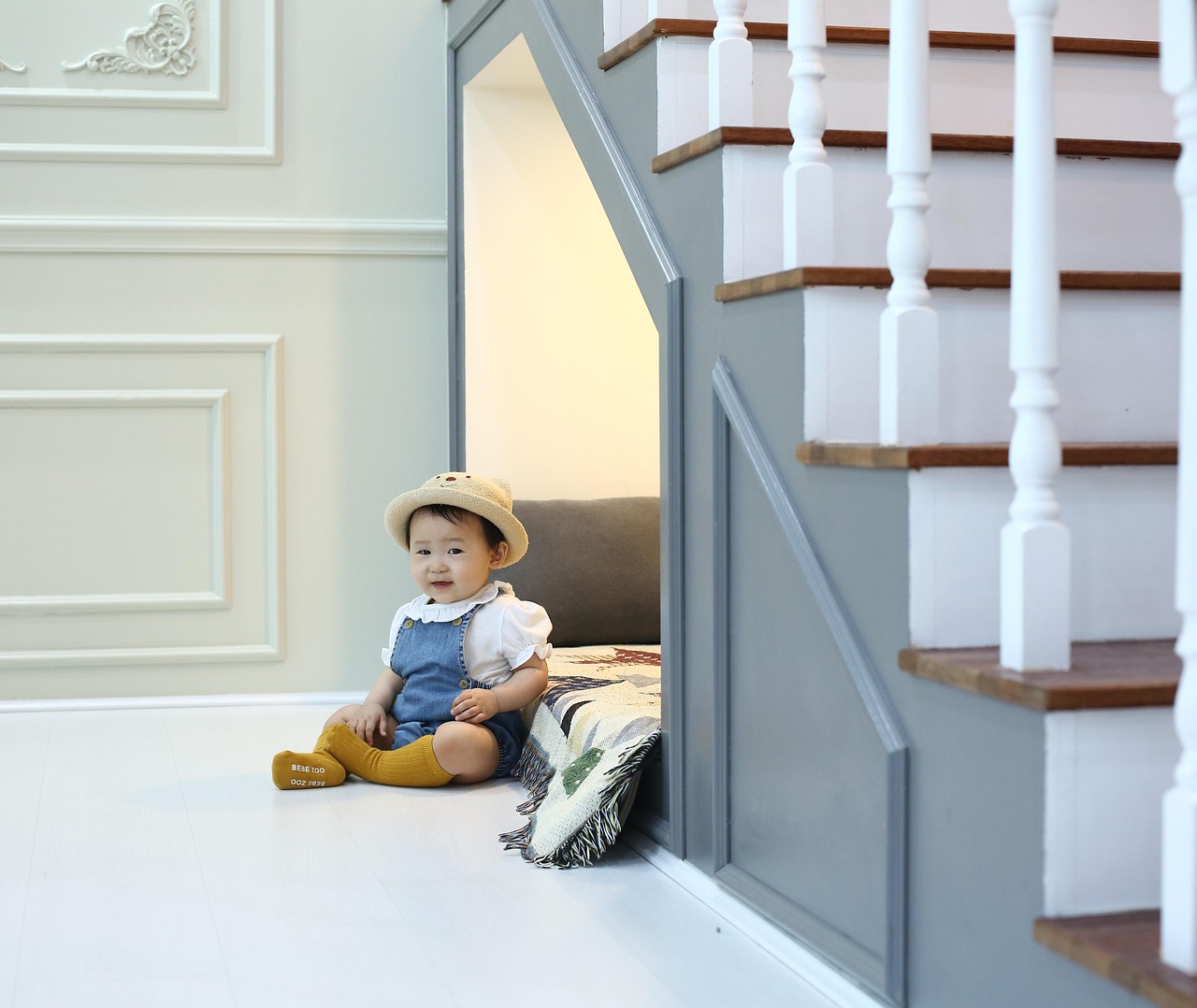
Start with comfort before style details
Baby clothing sits against sensitive skin for long hours, so comfort should come before trims, colors or theme. Cute details are only useful when the base garment feels soft, moves easily and does not scratch, pinch or trap heat. A beautiful outfit that leaves marks at the waist or makes diaper changes difficult is unlikely to become a regular choice.
For everyday baby boy clothes, cotton remains popular because it is soft, washable and breathable. Cotton blends with a small amount of elastane or spandex can also be practical, as the stretch helps sleeves, neck openings and cuffs move with the baby. Bamboo viscose and modal are often marketed for softness, but buyers should still check care labels. Some very soft fabrics require gentler washing or may pill faster than sturdier cotton knits.
Texture matters as much as fiber. Flat seams, soft rib cuffs and smooth backings are usually better for infants than stiff denim, rough embroidery or heavy appliqué. If an outfit includes decorative patches, suspenders, bow ties, hoods or buttons, check the inside as well as the outside. The exterior may photograph well, but the interior is what touches the baby.
Comfort checklist for daily wear
- Choose soft, breathable fabrics for base layers.
- Look for envelope necks, shoulder snaps or wide neck openings.
- Prioritize two-way zippers or bottom snaps for frequent diaper changes.
- Avoid stiff waistbands, scratchy tags and bulky decorations on newborn outfits.
- Check cuffs so they stay in place without leaving pressure marks.
Fit and sizing are where cute outfits succeed or fail
Baby sizes are not standardized across every brand. One 3–6 month outfit may fit like another brand’s 6–9 month piece, so measurements and garment shape are more reliable than the age label alone. When buying online, compare the size chart with the baby’s current height and weight when those details are available. When buying as a gift, sizing up is often safer than choosing a piece that may only fit for a week.
Fit also depends on the garment type. Bodysuits need enough torso length to close without pulling at the diaper area. Pants should have a soft rise with room for diapers. Footed pajamas should allow toes to rest naturally without curling. Rompers should be roomy enough for movement, but not so oversized that fabric bunches around the face, hands or feet.
It helps to separate photo outfits from everyday outfits. A structured shirt-and-pants set can be adorable for a family gathering, but it may not be the best option for a long car ride or a daycare day. Everyday cute baby boy clothes should let caregivers change, feed and carry the baby quickly.
When to size up
- Size up for seasonal pieces the baby will wear later, such as sweaters or jackets.
- Size up for gifts unless the buyer knows the baby’s current measurements.
- Be cautious sizing up in sleepwear, because sleep garments need a safe fit.
- Do not size up shoes for non-walking babies if the shoes fall off easily or restrict movement.
Safety details to check before buying
Safety is one of the clearest ways to separate a good baby outfit from a risky one. Public guidance from the U.S. Consumer Product Safety Commission notes that children’s sleepwear rules apply to sleepwear sized above 9 months through size 14, with requirements focused on flame resistance or tight-fitting design. That matters because pajamas and sleep rompers are not judged only by cuteness; their fit, fabric and labeling can have safety implications.
For sleep, the American Academy of Pediatrics advises using layers of clothing or a wearable blanket instead of loose blankets in the sleep space. It also warns caregivers to watch for signs of overheating, such as sweating, a hot chest or flushed skin. This does not mean babies need complicated sleep outfits. It means sleep clothing should be selected for room conditions, fit and safe layering rather than appearance alone.
Small parts deserve the same attention. Buttons, beads, decorative clips, detachable bow ties and loose drawstrings can create hazards if they detach or wrap around the baby. Even when an item is intended only for photos, it should be used with direct supervision and removed before sleep.
| Clothing feature | Why it matters | Better choice |
|---|---|---|
| Loose decorative buttons | May detach with chewing, pulling or washing | Secure snaps or stitched details |
| Long drawstrings | Can tangle or tighten | Elastic waistbands or short fixed tabs |
| Bulky hoods on sleepwear | Can bunch behind the head or neck | Hood-free sleep clothing |
| Oversized pajamas | May not fit as intended for sleep safety | Correct size and labeled sleepwear |
| Heavy appliqué | Can feel stiff against the skin | Soft prints or flat embroidery |
Build a small wardrobe that mixes well
A practical wardrobe does not need dozens of outfits. Babies change often, but a focused set of easy pieces usually works better than a drawer full of special-occasion items. The most useful cute baby boy clothes are easy to mix: neutral bodysuits, soft pants, cozy layers and a few personality pieces that make outfits feel finished.
A good starting point for many households is 6–8 bodysuits, 4–6 pairs of soft pants or leggings, 3–5 sleepers, 2–3 rompers, 2 light layers and 1–2 occasion outfits. Families who do laundry less often may need more. Families with limited storage may prefer fewer pieces in more durable fabrics.
Color planning also makes dressing easier. Traditional blues are only one option. Cream, oatmeal, sage, rust, charcoal, navy, soft yellow, olive and warm brown can look stylish while still feeling baby-appropriate. Prints such as tiny stripes, animals, clouds, stars, checks and simple graphic motifs add charm without overwhelming a small outfit.
Easy outfit formulas
- Ribbed bodysuit + jogger pants + soft cardigan.
- Printed romper + socks + knit hat for cool weather.
- Henley bodysuit + pull-on pants + cotton jacket.
- Short-sleeve bodysuit + bubble romper for warm days.
- Footed sleeper + wearable blanket for sleep, when appropriate for room temperature.
The simplest wardrobe test is practical: if most tops match most bottoms, caregivers can dress the baby quickly even when tired. Neutral basics with a few standout prints usually work harder than many one-time outfits.
Choose fabrics and finishes that survive washing
Baby clothes go through a heavy wash cycle. Milk, spit-up, diaper leaks, food stains and outdoor play can all happen in the same day. A cute outfit that cannot handle regular laundering may disappoint after only a few wears. Before buying, check the care label and consider whether the caregiver will realistically hand wash, line dry or iron the item. See also: Buying Guides.
Machine-washable knits are usually the safest everyday choice. Dark colors and saturated prints can fade, while very pale colors may show stains more easily. White and cream can look beautiful for newborn photos, but they may need stain treatment. Medium tones, small patterns and heathered fabrics are often more forgiving.
Certifications can help buyers evaluate textile claims, although they should not replace common-sense inspection. OEKO-TEX Standard 100, for example, is a recognized textile label for materials tested for harmful substances, and its baby product category is designed with stricter requirements for infant articles. If a brand uses such a label, buyers should still confirm that the certification applies to the actual garment, not just to a general marketing claim.
Care details worth noticing
- Printed labels may be more comfortable than sewn-in tags.
- Reinforced snaps can last longer than thin snap tape.
- Ribbed cuffs help sleeves and legs stay in place.
- Prewashed or garment-washed fabrics may feel softer from the first wear.
- Simple construction usually washes better than heavy trim.
Dress for season, setting and movement
Seasonal dressing is not only about warmth. It is about layering so caregivers can adjust quickly when moving between home, stroller, car seat and indoor spaces. A baby may need an extra layer outdoors and less insulation indoors. Bulky clothing can also make movement uncomfortable, especially when the baby is learning to roll, crawl or pull to stand.
In warm weather, lightweight rompers, short-sleeve bodysuits and breathable cotton sets are usually easier than layered outfits. Sun hats can be useful outdoors, but they should fit well and be used under supervision. In cooler weather, soft base layers, fleece or knit layers and footed sleepers can provide warmth without too much stiffness. For car seats, caregivers should follow car seat safety guidance and avoid bulky coats that interfere with harness fit.
Movement changes clothing needs. Newborns benefit from simple openings and soft wraps. Rolling babies need stretch and fewer bulky back details. Crawling babies need stronger knees and flexible waistbands. Early walkers need pants that do not trip them and socks or shoes appropriate for the surface. The cutest outfit is one that lets the baby explore comfortably.
How to buy cute baby boy clothes as gifts
Gift buyers often focus on the most eye-catching outfit, but parents usually appreciate clothing that fits real life. If the baby already has enough newborn items, choose 6–9 months or 9–12 months depending on the season. A summer romper in a winter size may never be worn, so match the size to the likely weather when the baby reaches that age.
Sets can be helpful if each piece also works separately. A cardigan, bodysuit and pants may create a complete look while still mixing into the rest of the wardrobe. Avoid overly personal slogans unless the parents’ style is known. Simple prints, soft neutrals and practical layers are safer choices for most families.
For a gift that feels thoughtful, consider a mini capsule: two bodysuits, one pair of pants, one romper and a soft layer in coordinating colors. Add socks or a hat only if they are soft, simple and size-appropriate. If gifting sleepwear, pay close attention to size, labeling and fit rather than choosing by pattern alone.
Frequently asked questions
What clothes look cutest on baby boys?
Soft rompers, ribbed bodysuits, tiny joggers, knit cardigans, overalls, henley tops and coordinated sets often look cute because they create shape without making the baby uncomfortable. Small-scale prints and warm neutrals also photograph well.
How many baby boy outfits should I buy?
For everyday use, many families can start with around 6–8 bodysuits, several soft bottoms, a few sleepers, two or three rompers and a small number of layers. The right number depends on laundry frequency, climate and how often the baby needs changes.
Are baby boy clothes different from baby girl clothes?
The practical needs are the same: comfort, safe construction, easy changing and washable fabrics. Differences are usually in colors, prints, cuts and styling. Many pieces, such as bodysuits, sleepers, leggings and cardigans, can work for any baby.
What should I avoid in baby clothes?
Avoid rough fabrics, tight elastic, loose buttons, long drawstrings, scratchy trim and oversized sleepwear. For sleep, avoid loose blankets in the sleep area and choose safe layering or a wearable blanket when needed.
What is the best fabric for cute baby boy clothes?
There is no single best fabric for every situation. Cotton and cotton blends are practical for daily wear, while softer specialty fabrics may be comfortable if they wash well. The best choice is soft, breathable, easy to clean and suitable for the season.