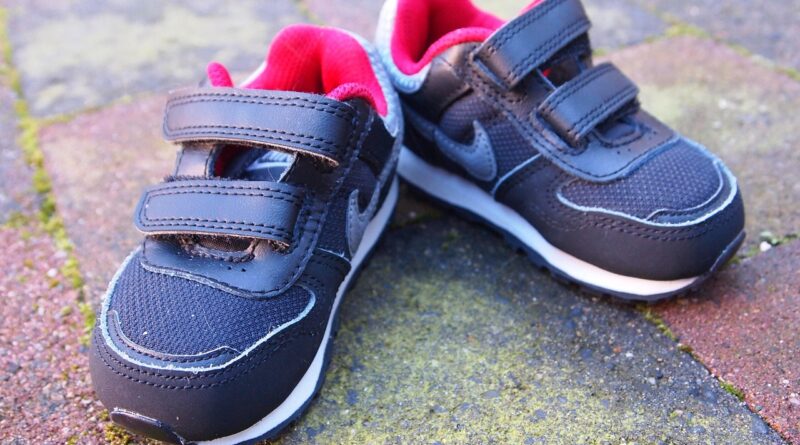
Nike baby sizing and safety guide for shoes, clothes, and gifts
Quick answer for Nike baby shoppers
A Nike baby purchase usually falls into one of three groups: clothing for newborns and infants, crib booties for pre-walkers, or baby and toddler shoes for children who are beginning to walk outside. The most reliable starting point is the child’s actual measurements, not age alone. Nike’s size guidance uses height, weight, average age, and foot length. Pediatric guidance, meanwhile, emphasizes flexible, comfortable, nonskid shoes only when toddlers need protection outdoors. For parents, gift buyers, and baby-and-kids retailers, the practical takeaway is clear: choose soft apparel by measurement, treat crib shoes as warmth or style items, and reserve structured shoes for toddlers who are already walking or need outdoor protection. (nike.com)
What shoppers usually mean by Nike baby
The search phrase “Nike baby” covers a wide range of products. It may mean a newborn gift set, an infant bodysuit, a baby tracksuit, socks, crib booties, or a toddler sneaker. That distinction matters because each product has a different buying logic. A bodysuit is mainly about fabric comfort, fastener quality, washing convenience, and correct sizing. A crib bootie needs to be warm, gentle, and secure enough to stay on the foot. A toddler sneaker is judged by protection, traction, flexibility, and room for growth.
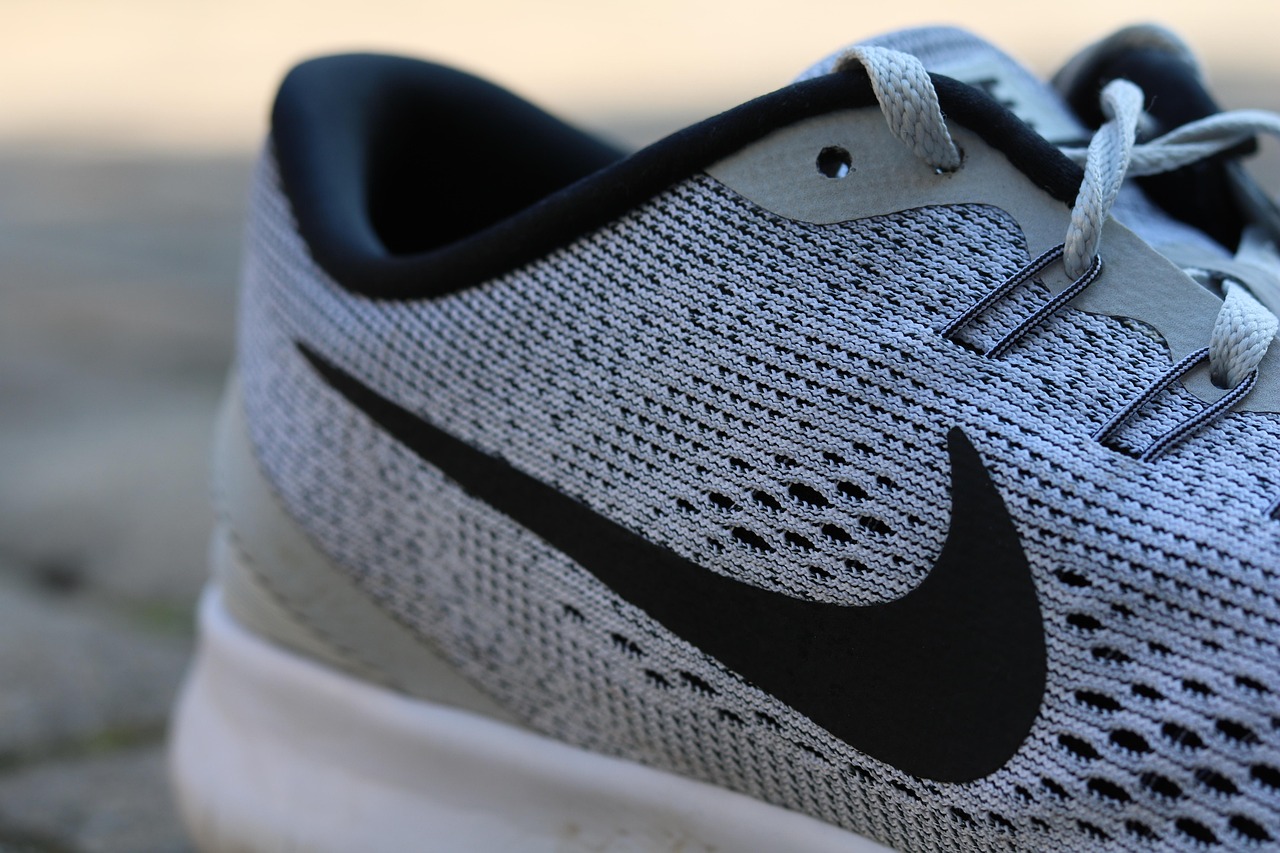
Nike’s published baby and toddler clothing chart covers baby sizes from NB/0-3M through 24M and toddler sizes from 2T through 4T. Its kids’ footwear chart lists babies and toddlers in the 1C-10C size range. These systems can overlap by age, but they measure different things: clothing depends on body measurements, while shoes depend on foot length. (nike.com)
For broader category context, see the baby and kids section. The most useful way to evaluate Nike baby products is to match the item to the child’s development stage rather than treating all baby-branded products as interchangeable.
| Child stage | Common Nike baby search | Main buying priority |
|---|---|---|
| Newborn to early infant | Bodysuits, sets, socks, soft booties | Softness, easy dressing, correct height and weight range |
| Pre-walker | Crib shoes, booties, warm layers | Comfort, no tight fit, secure but gentle construction |
| Early walker | Baby/toddler sneakers | Flexible sole, nonskid traction, toe room |
| Active toddler | Sneakers, hoodies, sets, seasonal outerwear | Durability, safe details, easy-on design, growth room |
How Nike baby shoe sizing works
Nike’s kids’ footwear chart places babies and toddlers in US kids’ sizes 1C through 10C. The chart gives foot length instead of relying only on age. For example, 1C corresponds to a foot length of 3 9/16 inches, while 10C corresponds to 6 9/16 inches. The age row in Nike’s chart shows approximate ages from 3 months through 36 months for 1C to 7C; 8C to 10C are listed without a specific month estimate. (nike.com)
This matters for two practical reasons. First, babies grow at different rates, so age is only a starting point. Second, shoe returns often happen when buyers use a label such as “12 months” instead of measuring the child’s longest foot. Nike’s measuring guidance also advises measuring both feet and using the longer measurement, because one foot can be longer than the other. (nike.com)
Crib booties are not the same as first walking shoes
Crib booties and soft baby shoes are often purchased as gifts, photo items, or cold-weather accessories. They can be useful in that role, but they should not be confused with a toddler’s first outdoor walking shoe. For babies in the early months, the American Academy of Pediatrics says feet develop best when not confined in shoes, and socks are enough for warmth. Once a child starts walking outdoors, shoes become protective equipment rather than just an accessory. (healthychildren.org)
A practical shoe-size reading table
The following table condenses Nike’s baby and toddler footwear size logic into a buying reference. It should not replace measuring, but it helps explain why “Nike baby shoes” can refer to several development stages. (nike.com)
| Nike baby/toddler size | Approximate age shown by Nike | Foot length shown by Nike | Shopping note |
|---|---|---|---|
| 1C | 3 months | 3 9/16 in | Usually a crib or very early infant size |
| 3C | 9 months | 4 4/16 in | Measure carefully; many babies are not walking yet |
| 5C | 18 months | 4 15/16 in | May suit early walkers depending on foot length |
| 7C | 36 months | 5 9/16 in | Often toddler territory, but age still varies |
| 10C | Not specified in Nike’s baby/toddler age row | 6 9/16 in | Measure rather than guessing from age |
Clothing sizes need height and weight, not guesswork
Nike’s baby and toddler clothing chart uses height, weight, average age, chest, waist, and seat measurements. For baby clothing, the chart runs from NB/0-3M to 24M. The NB/0-3M range is listed for 0-3 months, 20-22 inches in height, and 6-9.5 pounds. The 24M range is listed for 24-36 months, 34-36 inches in height, and 28.5-30 pounds. Toddler sizing then continues from 2T to 4T, with 2T shown for 24-36 months and 4T for 48-60 months. (nike.com)
For gifts, this creates a common decision point: should the buyer choose the baby’s current age or size up? If the gift is seasonal, such as a fleece set or jacket, timing matters. A 12M winter outfit bought for a 9-month-old may be useful soon. A 24M summer set bought just before winter may miss the right wear window. When in doubt, the more reliable question is: what is the child’s current height and weight, and when will the item be worn?
| Clothing choice | Why it works | Risk to check |
|---|---|---|
| Bodysuit or set | Easy gift format and simple outfit coordination | Snaps, decorations, and actual body measurements |
| Socks or booties | Useful for warmth and low-risk gifting | Elastic that feels too tight around the ankle |
| Hoodie or outer layer | Strong brand visibility and seasonal usefulness | Drawstrings, toggles, and bulky fit |
| Toddler tracksuit | Practical for active children and daycare wardrobes | Correct 2T-4T measurement range |
Safety details buyers should not overlook
Baby and toddler products are often bought for emotional occasions, but safety details should still guide the final decision. For shoes, pediatric advice is straightforward: once toddlers walk outdoors, look for comfortable shoes with nonskid soles, check fit about once a month, and leave roughly a finger-width distance from the big toe to the inside edge of the shoe. The same guidance warns that no shoes are better than shoes that are too tight. (healthychildren.org)
For clothing, the U.S. Consumer Product Safety Commission has long treated drawstrings in children’s upper outerwear as a serious hazard. Its guidance says hood and neck drawstrings on children’s upper outerwear in sizes 2T to 12 present a substantial product hazard, and waist or bottom drawstrings in sizes 2T to 16 must meet strict limits, including a 3-inch maximum outside the channel when expanded. The CPSC also reports 26 deaths and 73 nonfatal incidents associated with neck or hood drawstrings on children’s outerwear between January 1985 and June 2019. (cpsc.gov)
Retailers and resale sellers should also inspect children’s clothing for loose buttons, snaps, or decorations that could detach and create a choking hazard. CPSC reseller guidance identifies children’s daywear and sleepwear recalls as commonly involving flammability, small parts, excessive lead levels, and drawstrings. (cpsc.gov) See also: Buying Guides.
- For shoes: bend the sole gently, check nonskid traction, and confirm toe room.
- For apparel: check the measurement chart, seams, snaps, zippers, labels, and embellishments.
- For outerwear: avoid unsafe hood or neck drawstrings and be cautious with toggles or loose cords.
- For gifting: choose the next wearable size only when season and growth timing make sense.
Why Nike baby products matter for retail and content planning
From a retail perspective, Nike baby is not only a brand query; it is a family-purchase query. Parents may search after a baby shower, before a first birthday, at the start of daycare, or when a toddler begins walking outside. Each moment carries a different intent. A first-birthday shopper may be comparing baby sneakers, while a newborn gift buyer may prefer a boxed set or soft accessory.
That makes merchandising structure important. A Nike baby page or shelf should separate products by use case. Mixing crib booties, walking shoes, and toddler apparel without explanation can create confusion. Clear labels such as “pre-walker,” “first walker,” “toddler footwear,” “newborn clothing,” and “2T-4T apparel” help shoppers make faster decisions without overstating developmental benefits.
Content should also avoid unsupported claims. It is reasonable to discuss fit, sizing, comfort, safety checks, and occasion-based gifting. It is not responsible to claim that a specific baby shoe improves walking, corrects foot development, or is medically superior unless that claim is backed by appropriate clinical evidence. For baby and kids products, precise wording builds more trust than promotional language.
Frequently asked questions
Are Nike baby shoes good for newborns?
For newborns, shoes are usually not necessary for walking support because the baby is not walking. Soft booties or socks can help keep feet warm, but the fit should be gentle and not restrictive. If the purchase is mainly for photos or gifting, comfort and easy removal matter more than sneaker-like structure.
What size is Nike baby 1C?
Nike’s kids’ footwear chart lists 1C in the babies and toddlers range and shows a foot length of 3 9/16 inches with an approximate age of 3 months. Because babies grow differently, measuring the child’s foot is more reliable than using age alone. (nike.com)
When should a baby start wearing sneakers?
Babies do not need sneakers before they are walking. Pediatric guidance says socks are enough in the early months, while shoes are useful when children start walking outdoors and need protection. For early walkers, look for comfort, flexibility, nonskid soles, and enough toe room. (healthychildren.org)
Should I size up when buying Nike baby clothes as a gift?
Sizing up can work, especially for fast-growing infants, but it should be tied to the season and the child’s measurements. A larger hoodie may be useful later; a seasonal outfit in the wrong size window may never be worn. Check height and weight whenever possible.
What should retailers watch for in Nike baby outerwear?
Retailers should watch for unsafe drawstrings, loose trims, damaged fasteners, and any recalled products. U.S. CPSC guidance is especially clear about drawstrings in children’s upper outerwear, with separate rules for hood or neck areas and waist or bottom areas. (cpsc.gov)
The bottom line
Nike baby products are easiest to choose when the buyer separates style from function. Clothing should be selected by height, weight, and season. Crib booties should be treated as soft accessories for warmth or appearance. Toddler shoes should be measured by foot length and judged by comfort, flexibility, nonskid traction, and toe room. For retailers and content publishers, the strongest information value is not a vague list of cute products, but a clear explanation of size, stage, safety, and use case.