
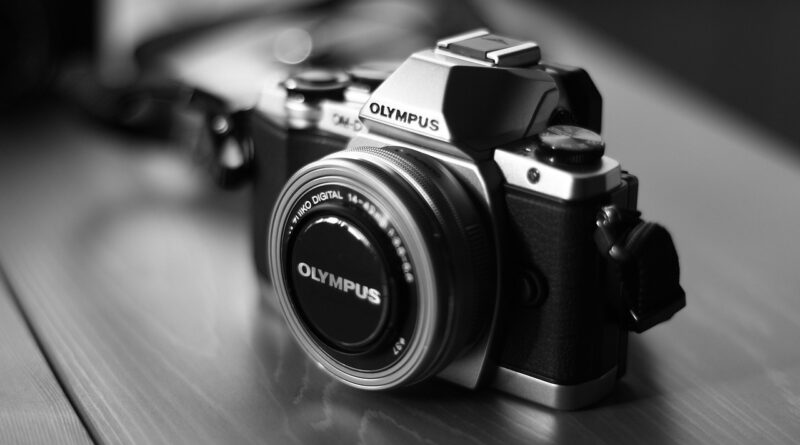
Camera buying guide for choosing the right model by use case
Choose the camera that fits the job first
A useful camera buying guide should start with three practical questions: what you shoot, how you carry gear, and what the full kit will cost after the body is purchased. For most buyers, the right choice is not the camera with the highest megapixel count or the longest feature list. It is the model that gives you dependable autofocus, suitable lenses, comfortable handling, reliable still-photo or video performance, and a total system cost you can manage.
The decision is also less straightforward than it was a few years ago. Current market data shows compact cameras regaining shopper interest, mirrorless cameras leading interchangeable-lens buying, and DSLRs becoming a smaller but still usable category.

The better starting question is not, which camera is best? It is, what problem should this camera solve better than a phone? If you only want casual snapshots, a smartphone may still be enough. If you need optical zoom, better low-light control, interchangeable lenses, more manual control, stronger ergonomics, or a creative look that is difficult to get from computational photography, a dedicated camera makes more sense.
Use the following guide as a decision framework before comparing individual models. For more consumer product advice, you can also browse the Buying Guides section.
Match the camera type to your shooting style
Dedicated cameras now fall into several practical categories. Each can be the right answer for a different buyer, but each also has trade-offs that are easy to miss in a product listing.
| Use case | Camera type to consider | What to check before buying |
|---|---|---|
| Travel, family and everyday carry | Premium compact or small mirrorless kit | Weight, lens range, battery life, USB charging and low-light performance |
| Street photography | Compact fixed-lens camera or small APS-C mirrorless | Startup speed, quiet shutter, viewfinder, autofocus and pocketability |
| Vlogging and short-form video | Creator-focused mirrorless or advanced compact | Flip screen, microphone input, stabilization, overheating behavior and card requirements |
| Sports, wildlife and children in motion | Mirrorless camera with strong autofocus | Burst rate, buffer depth, subject detection, telephoto lens cost and grip comfort |
| Product, food and content photography | Mirrorless camera with macro or close-focus lens options | Lens ecosystem, tethering, color control, lighting compatibility and tripod use |
| Learning photography seriously | Entry or midrange mirrorless kit | Manual controls, viewfinder quality, lens availability and used-lens market |
A compact camera is attractive when portability is the priority and you do not want to build a lens collection. A mirrorless camera is stronger when you want room to grow, faster modern autofocus, larger sensor options, or specialized lenses. A DSLR can still be a cost-effective used purchase, especially if you already own compatible lenses, but it is no longer the category where most manufacturers are putting their newest development.
What the current camera market says about shopper behavior
Camera buyers are not simply abandoning dedicated cameras. The Camera & Imaging Products Association, commonly known as CIPA, reported on February 26, 2026 that total digital camera shipments reached 9,438,876 units in 2025, up 11.2% from 2024. The same report showed built-in lens cameras rising 29.6% to 2,436,911 units, while interchangeable-lens cameras reached 7,001,965 units, up 5.9%.
That split matters for shoppers. Built-in lens cameras are attracting attention again because many people want something more intentional than a phone while still keeping the kit portable. Mirrorless cameras remain the main growth engine for interchangeable-lens buyers. CIPA reported 6,311,054 mirrorless shipments in 2025, up 12.5%, while SLR shipments fell to 690,911 units, down to 69.3% of the prior year level.
CIPA’s 2026 outlook adds some caution. The association projected total digital camera shipments of 9.59 million units for 2026, with built-in lens cameras forecast to grow 13.6% and interchangeable-lens cameras forecast to decline 2.6%. In practical terms, the market is not moving in only one direction. Portable fixed-lens cameras are drawing renewed interest, mirrorless systems remain the modern default for flexibility, and DSLRs are increasingly a legacy choice.
For buyers, this means availability, accessories and lens support matter as much as a one-time body discount. A low-priced DSLR bundle may be fine for learning, but a mirrorless mount is usually the safer long-term path if you expect to add lenses over the next few years.
Sensor size, lenses and image quality matter more than megapixels
Megapixels are easy to compare, but they do not tell the whole image-quality story. For web use, social media, family prints and many editorial needs, modern cameras with moderate resolution already provide more detail than most users require. In real shooting, sensor size, lens quality, autofocus accuracy, stabilization and low-light file quality often matter more.
Consumer Reports has long advised shoppers not to buy on megapixel count alone, and that guidance remains practical. DPReview’s lens education materials also emphasize that common interchangeable-lens sensor formats include Micro Four Thirds, APS-C and full frame, and that sensor size changes the angle of view and practical behavior of a lens.
| Sensor format | Typical strengths | Typical limits |
|---|---|---|
| Small compact sensors | Very portable cameras, long zoom ranges and lower cost | Weaker low-light performance and less background blur |
| One-inch type compact sensors | Better quality than basic compacts while staying small | Lens is fixed, and low light still trails larger formats |
| Micro Four Thirds | Compact lenses, strong stabilization options and good travel kits | Less shallow depth of field than larger sensors at the same framing |
| APS-C | Good balance of image quality, size, price and lens choice | Wide and fast lenses can still become expensive |
| Full frame | Stronger low-light potential, dynamic range and background blur control | Larger bodies, heavier lenses and higher total system cost |
Lenses are the longer-term purchase. A camera body may be replaced in four or five years, but good lenses can shape your system for much longer. Before buying an interchangeable-lens camera, check whether the mount has affordable lenses for the photos you actually want to make: wide-angle for interiors, fast primes for portraits, macro for small products, or telephoto for wildlife and sports.
Do not buy a camera only because it can theoretically move you into full frame later. If APS-C or Micro Four Thirds lenses solve your current needs at a lower size and cost, that can be the better real-world decision.
Video features need closer reading than photo specs
Video specifications can be misleading if you read only the headline resolution. Two cameras may both advertise 4K but perform very differently. One may use the full sensor width while another applies a crop. One may record long sessions, while another becomes warm or stops sooner. One may offer dependable autofocus tracking and clean audio controls, while another is better suited to short casual clips.
If video matters, check these features before price:
- Resolution and frame rates: 4K is common, but 4K at 60 frames per second, slow motion and high-bitrate modes may require compromises.
- Stabilization: In-body stabilization helps handheld work, but lens stabilization, digital stabilization and gimbals still have different effects.
- Audio: A microphone input is useful for vlogging, interviews and product videos. Headphone monitoring is even better for serious recording.
- Screen design: A fully articulating or front-facing screen is valuable for self-recording.
- Recording limits and heat: Look for real-world review testing if you plan long takes.
- Color and editing formats: Log profiles, 10-bit files and high-bitrate codecs are useful only if your computer and workflow can handle them.
Memory cards are part of the video decision. The SD Association explains that Speed Class, UHS Speed Class and Video Speed Class markings indicate assured minimum writing speed under defined conditions. For camera shoppers, the practical rule is simple: match or exceed the class required by the camera manual, especially for 4K, high-bitrate or long-form recording. A card with a large advertised maximum read speed is not automatically the right card for sustained video writing. See also: baby&kids.
Handling and ownership details decide whether you enjoy the camera
A camera that looks ideal on paper can be frustrating in daily use if the grip is uncomfortable, the menus slow you down, or the battery does not fit your shooting habits. Whenever possible, handle the camera before buying or watch detailed handling reviews from reputable reviewers.
Pay attention to these everyday ownership factors:
- Viewfinder quality: An electronic viewfinder helps in bright sun and gives a steadier shooting stance.
- Screen movement: Tilt screens are good for waist-level photography; fully articulating screens are better for video and self-recording.
- Controls: More physical dials help learners understand exposure and help experienced users work quickly.
- Battery rating: CIPA’s DC-002 battery consumption procedure provides a standardized way to present battery life, but actual results vary with screen use, video, cold weather, burst shooting and wireless connections.
- Charging: USB-C charging can reduce travel clutter, but confirm whether the camera can charge while in use if that matters.
- Weather resistance: Weather-sealed bodies are most useful when paired with weather-resistant lenses.
- Mobile app reliability: If quick phone transfer is important, research the brand’s app experience rather than assuming all wireless systems are equal.
Small comfort details matter because a camera has to be carried. A slightly larger grip may be better than the smallest body if you use telephoto lenses. A heavier full-frame setup may deliver beautiful files, but it will not help much if it stays at home because it is too tiring for travel.
Budget for the complete kit, not just the body
Many disappointing camera purchases happen because the buyer spends the whole budget on the body and then discovers that lenses, memory cards, batteries and support gear cost more than expected. A realistic budget should cover the whole kit.
For a first interchangeable-lens setup, plan for:
- A body and starter lens, or body-only purchase plus a lens chosen for your main subject
- At least one reliable memory card that matches the camera’s still and video requirements
- A spare battery or power solution for travel and long shoots
- A protective bag or insert that you will actually carry
- Basic cleaning tools, especially a blower and microfiber cloth
- Optional items such as a tripod, microphone, flash or camera strap depending on your use case
Used gear can be a smart way to stretch the budget, especially for lenses. However, check shutter count when relevant, inspect lenses for fungus or haze, confirm battery health, and make sure the mount is part of a system you still want to invest in. For online purchases, a return window is often worth more than a slightly lower price from an unknown seller.
If you are choosing between a newer body with a weak lens and an older but capable body with a better lens, the second option often produces better results. The lens controls sharpness, angle of view, low-light flexibility and background rendering in ways that a camera body cannot fully compensate for.
A practical checklist before you buy
Use this checklist to reduce the risk of buying a camera that looks impressive but does not fit your needs.
- Define your main subject: Write down the three things you photograph or film most often.
- Choose the category: Decide whether a compact, mirrorless system or used DSLR fits that subject and your carrying style.
- Check lens availability: Look beyond the kit lens and price the next two lenses you are likely to need.
- Read real handling feedback: Pay attention to grip comfort, menus, autofocus behavior and battery life.
- Verify video requirements: If you record video, check crop, heat, audio, stabilization and memory card class.
- Calculate the full cost: Include cards, batteries, bag, lens filters, tripod or microphone if needed.
- Compare weight: Add body and lens weight together, not body weight alone.
- Confirm warranty or return terms: This is especially important for used or imported products.
The final decision should be specific: this camera is right because it solves this shooting problem within this budget. If the only reason is that it has more megapixels, a bigger sensor or a discount, slow down and compare the complete system again.
Frequently asked questions
What is the best first camera for beginners?
For most beginners who want to learn photography, an entry or midrange mirrorless camera with a viewfinder, comfortable grip and affordable lenses is the safest choice. A compact camera is better if you value portability and simplicity more than lens flexibility.
Are DSLRs still worth buying?
DSLRs can still be worth buying used if the price is low, the condition is good and you understand that future development has shifted toward mirrorless systems. They are less attractive as a long-term system for buyers starting from scratch.
How many megapixels do I need?
Many buyers are well served by cameras in the 20 to 30 megapixel range. Higher resolution can help with large prints and cropping, but it also creates larger files and may demand better lenses, more storage and a faster computer.
Is full frame necessary for good photos?
No. Full frame can help with low light, dynamic range and background blur, but APS-C and Micro Four Thirds cameras can produce excellent results with the right lens and technique. Size, lens cost and what you carry regularly matter just as much.
Should I buy a camera body or a lens first?
If you are buying into an interchangeable-lens system, think of the lens plan first. Pick a body that supports the lenses you need at prices you can afford. A good lens on a modest body often gives better real-world value than an expensive body with the wrong lens.