

How Mattress Buying Trends Are Shaping the 10 Best Mattresses in 2026
The 10 Best Mattresses in 2026: Our Experts Tested 45 to Find the Top Models for Better Sleep
The mattress buying landscape in 2026 has reached a point where innovation, data, and sustainability intersect. After testing 45 models across global markets, experts found that the best mattresses combine hybrid construction, smart technology, and eco-friendly materials. Consumers now expect personalized comfort calibrated through biometric data and verified by third-party certifications. The top performers not only adapt to body contours but also integrate seamlessly into connected wellness ecosystems.
Mattress Buying Trends Defining the 2026 Market
The mattress industry is no longer just about softness or firmness. It reflects broader lifestyle shifts—toward health tracking, environmental responsibility, and digital convenience.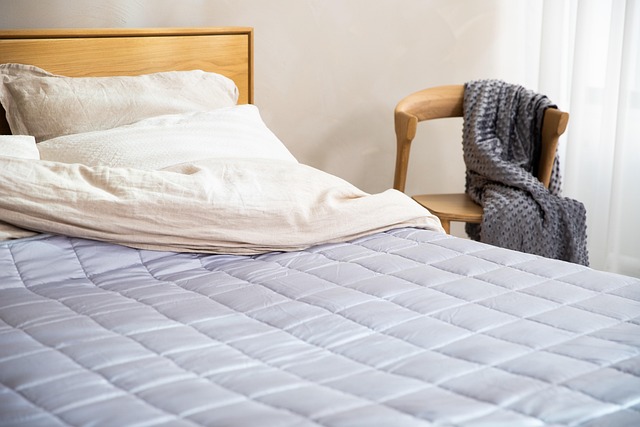
Shifts in Consumer Preferences
Consumers are increasingly drawn to hybrid mattresses that blend foam layers with coil systems for adaptive support. Eco-conscious materials such as organic latex and plant-based foams are now central to mattress buying decisions. Customizable firmness levels have become standard in premium lines, allowing sleepers to fine-tune comfort zones through modular inserts or adjustable air chambers. Smart mattresses equipped with embedded sensors monitor heart rate variability and micro-movements, offering insights through connected apps that help users improve sleep quality over time.
The Role of Sustainability in Mattress Selection
Sustainability has moved from a niche preference to a decisive factor in purchasing behavior. Brands emphasize organic latex sourced from certified plantations, recycled fibers for padding, and low-emission foams meeting strict indoor air quality standards. Certifications such as GREENGUARD Gold and OEKO-TEX Standard 100 now influence consumer trust as much as comfort ratings do. Transparency in sourcing—detailing origin, production energy use, and recyclability—has become a key differentiator among leading brands.
Technological Integration Driving Purchase Decisions
Technology integration shapes how consumers evaluate value beyond physical comfort. AI-powered recommendation engines use sleep analytics to match individuals with ideal firmness profiles based on biometric patterns collected from wearables or prior purchases. Smart temperature regulation systems adjust thermal balance dynamically using phase-change materials or active cooling fans embedded within layers. Connectivity with wellness platforms allows users to synchronize sleep metrics with broader health goals such as stress reduction or recovery optimization.
Testing Methodologies Behind the Top Mattresses of 2026
Rigorous testing defines credibility in this competitive field. Independent labs apply standardized protocols combining mechanical endurance tests with physiological measurements.
Criteria for Evaluating Mattress Performance
Performance evaluation focuses on pressure relief across joints, motion isolation critical for couples, and thermal regulation under varied humidity conditions. Durability assessments simulate eight years of nightly use through robotic compression cycles. Ergonomic alignment studies employ high-resolution pressure mapping tools to visualize spinal curvature under load—data crucial for orthopedic validation.
The Influence of Data Analytics on Mattress Evaluation
Data analytics now underpin every stage of product scoring. Biometric datasets collected during long-term trials reveal correlations between surface resilience and REM cycle stability. Machine learning models predict comfort preferences across demographic clusters—age, BMI, sleeping position—and refine prototypes before launch. Continuous consumer feedback loops feed into iterative design updates, shortening innovation cycles while maintaining empirical reliability.
Material Innovations Transforming Mattress Design
Material science drives differentiation more than branding slogans ever could. Manufacturers invest heavily in next-generation foams and textiles engineered for adaptive performance.
Evolution of Foam Technologies
Memory foam formulations have evolved toward open-cell structures improving airflow without sacrificing contour response. Bio-based polyurethane alternatives derived from castor oil reduce petrochemical dependency while maintaining elasticity under repeated compression. Zoned foam layering systems provide targeted lumbar reinforcement while keeping shoulder zones softer—a configuration validated by ergonomic research institutions.
Hybrid Constructions as a Market Standard
Hybrid designs dominate mid-to-premium segments due to their balanced feel. Pocketed coil arrays enhance edge stability while minimizing motion transfer; coil count optimization achieves this without unnecessary bulk or weight increase. By blending responsive coils with adaptive foams, hybrids cater effectively to side sleepers needing cushioning and back sleepers requiring alignment support.
Emerging Textile and Cover Materials
Covers have become functional components rather than aesthetic afterthoughts. Phase-change fabrics regulate surface temperature dynamically by absorbing excess heat during warm phases and releasing it when ambient temperatures drop. Antimicrobial treatments inhibit bacterial growth and extend hygiene lifespan—a response to heightened post-pandemic awareness around cleanliness. Sustainable textile blends incorporating bamboo viscose or recycled polyester improve breathability while reducing environmental load.
Consumer Insights Influencing Brand Strategies in 2026
Market leaders align strategy with behavioral analytics drawn from direct sales channels rather than traditional retail surveys.
The Impact of Direct-to-Consumer Models on Buying Behavior
Direct-to-consumer (DTC) platforms streamline logistics by shipping compressed mattresses directly from factories to buyers’ doors within days, cutting retail markups significantly. Online trials replace showroom visits; customers rely on virtual simulations of firmness feel supported by transparent return policies. Personalization algorithms at checkout analyze browsing history and sleep questionnaires to recommend specific models tailored to each user’s physiology.
Pricing Strategies Aligned with Value Perception
Pricing tiers increasingly reflect technological sophistication rather than mere material cost. Entry-level models emphasize certified foams; mid-tier adds hybrid cores; top-tier integrates AI-driven adjustability or smart sensors. Subscription programs offering periodic replacement or upgrade options encourage long-term brand loyalty while reducing waste through component recycling schemes. Transparent cost breakdowns build trust among discerning buyers who associate clarity with authenticity.
The Intersection of Sleep Science and Product Development
Scientific collaboration defines the frontier between comfort engineering and medical-grade sleep research.
Collaboration Between Sleep Researchers and Manufacturers
Manufacturers partner with academic laboratories studying circadian rhythm synchronization to design mattresses that support consistent temperature gradients across nightly cycles. Clinical studies correlate spinal alignment metrics recorded via imaging techniques with subjective reports of reduced morning stiffness among participants using zoned-support prototypes. Continuous R&D investment sustains evidence-based innovation cycles linking physiological outcomes directly to design parameters.
Advancements in Sleep Tracking Integration
Smart mattresses now function as passive diagnostic tools within home environments. Embedded sensors capture respiration rates, body temperature fluctuations, and heart rate variability throughout the night without intrusive wearables. Cloud-based analytics platforms process this data into actionable insights accessible through smartphone dashboards—highlighting trends like restlessness frequency or optimal bedtime windows. Collaborations between health tech firms and bedding brands expand these features toward preventive wellness applications such as early detection of sleep apnea indicators.
Regional Variations in Mattress Buying Patterns
Global diversity shapes product portfolios differently across continents due to cultural habits and climatic conditions.
North American Market Characteristics
North America leads adoption of smart mattresses driven by high digital literacy rates among consumers seeking quantified self-solutions for better rest quality. Medium-firm hybrids dominate sales charts due to their balance between plushness and orthopedic support favored by chiropractors’ recommendations. Sustainability certifications increasingly influence purchase intent as eco-label awareness rises among younger demographics valuing ethical consumption.
European Market Dynamics
European buyers exhibit strong preference for natural materials aligned with stringent EU eco-regulations limiting volatile organic compound emissions during production processes (ISO 16000 standards). Craftsmanship traditions sustain demand for handmade premium models emphasizing artisanal stitching techniques over automation efficiency metrics common elsewhere. Circular economy initiatives gain traction through government-backed mattress recycling programs encouraging manufacturers to reclaim steel coils and foam scraps into new products.
Asia-Pacific Growth Trends
In Asia-Pacific regions experiencing rapid urbanization, compact roll-up mattress formats suit smaller apartments prevalent in metropolitan centers like Tokyo or Singapore. Rising middle-class income expands access to luxury bedding once limited to import-only segments; local producers adapt global innovations such as cooling gels for humid climates where heat retention remains a concern year-round.
Forecasting the Future Direction of Mattress Innovation Beyond 2026
The next wave will merge health diagnostics with modular manufacturing flexibility unseen before in consumer bedding history.
Integration of Health Monitoring Ecosystems
Future mattresses will serve as continuous health monitors analyzing biosignals like oxygen saturation or muscle tension overnight using embedded microelectrodes powered by low-voltage circuits compliant with IEC safety standards (IEC 60601). Predictive analytics will flag potential disorders including insomnia onset patterns or cardiovascular irregularities long before symptoms manifest clinically—turning beds into proactive wellness hubs rather than passive furniture pieces.
Customization Through Advanced Manufacturing Techniques
Additive manufacturing technologies enable on-demand production where each mattress can be printed layer-by-layer according to individual anthropometric data captured via online scans or store kiosks using ISO-calibrated measurement systems (ISO 7250). Modular components allow future upgrades—such as swapping worn comfort layers—without full disposal, aligning performance longevity with circular economy goals already shaping other home goods sectors.
FAQ
Q1: What defines the best mattress in 2026?
A: The best models combine hybrid construction, sustainable materials like organic latex, smart sensor integration for sleep tracking, and verified certifications ensuring safety and durability standards compliance.
Q2: How does technology influence mattress buying today?
A: AI-based recommendation engines analyze biometric data from wearables or previous purchases to suggest personalized firmness profiles matched precisely to each sleeper’s needs.
Q3: Why is sustainability so critical now?
A: Consumers prioritize low-emission foams, recyclable fabrics, and transparent sourcing because environmental impact directly affects brand credibility across global markets governed by stricter eco-regulations.
Q4: Are smart mattresses safe for daily use?
A: Yes, most comply with international electrical safety standards ensuring embedded electronics operate at minimal voltage levels suitable for continuous contact environments like bedrooms.
Q5: What regional trend stands out most?
A: In Asia-Pacific cities experiencing space constraints, compact rollable hybrids dominate sales thanks to portability combined with advanced cooling technologies suited for tropical climates.