
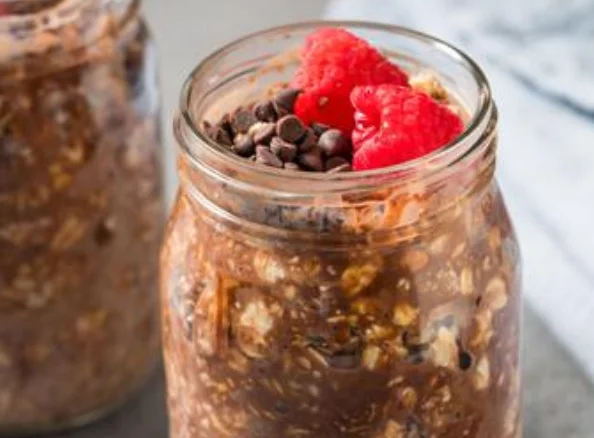
Are Overnight Oats a Smarter Alternative to Traditional Protein Shakes
Oats Overnight Review: Is the High-Protein Subscription Actually Worth It?
Oats Overnight has turned into a popular breakfast choice for busy workers and people who like to stay fit. They want meals that are fast and still good for the body. The plan where you get boxes sent regularly gives easy access and keeps the mix of carbs, protein, and fats steady each day. Still, some folks wonder if the price is fair and if they can change flavors much. After looking at how the food is made, how it gets delivered, and how well it fuels the body, this kind of plan makes sense for anyone who values saved time more than picking every single item themselves.
Understanding the Concept of Overnight Oats in Modern Nutrition
Overnight oats moved from a small meal-prep idea to something most people eat in the morning. This change shows how daily life now shapes the way folks handle their first meal when schedules get tight.
The Evolution of Overnight Oats as a Breakfast Trend
Soaking oats in milk or yogurt all night started with old Swiss muesli mixes made by Dr. Maximilian Bircher-Brenner back in the early 1900s. That basic way of getting food ready grew into a big habit among people who watch what they eat. Social apps like Instagram and TikTok helped it spread fast. Pictures of pretty jars made it look like part of a healthy life. At the same time, busy days pushed folks to want mixes they could just add liquid to. These options fit into quick mornings without losing the good stuff inside.
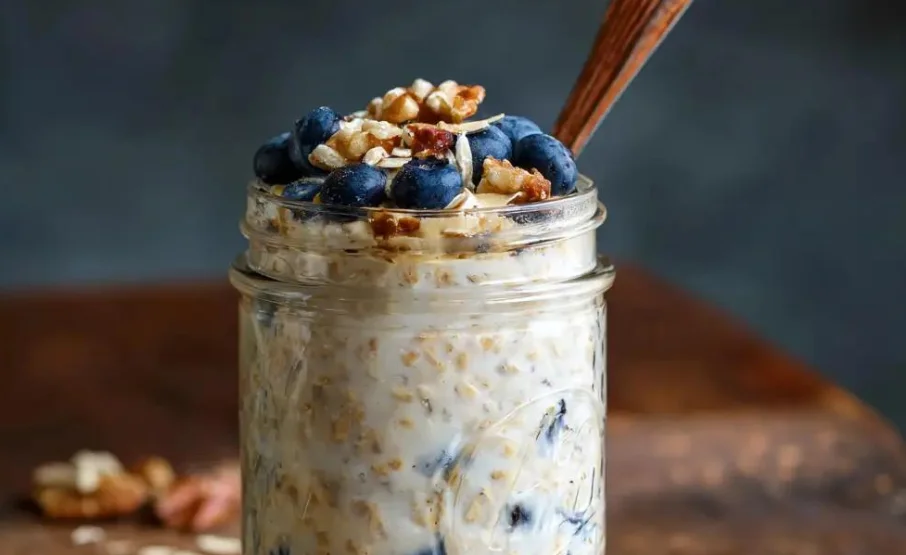
Nutritional Framework of Overnight Oats
At the center, overnight oats give a solid mix of energy sources. The oats bring slow carbs that last. Dairy or plant milks add protein. Nuts or seeds bring in fats that keep hunger away. Oats break down slowly, so energy stays steady through the first half of the day. Versions with extra protein often use whey or pea powder to help muscles recover and keep you full longer. This mix works well before a workout or just for a regular desk day when you need steady fuel.
Evaluating High-Protein Efficiency in Breakfast Meals
Getting protein at the right time matters a lot in today’s eating plans. For something like Oats Overnight, how well the protein works depends on how it helps muscles and keeps blood sugar even during the early hours after sleep.
The Importance of Protein Timing and Distribution
Studies show that 20 to 30 grams of protein in the morning helps muscles start building again after a night without food. Old-style breakfasts like plain toast or cereal often fall short on protein. Things like Greek yogurt or eggs do better. Oats Overnight fits this idea by giving about 20 grams per serving. That amount lines up with what the body needs right after waking, when it can use the amino acids well.
Assessing Protein Quality in Overnight Oat Products
The type of protein changes how well it gets used. Whey mixes usually break down easier than plant ones, yet they leave out people who skip animal foods. Pea or soy proteins can work together to cover the needed amino acids. Extras like fiber or good bacteria also play a role in how much gets taken in. Fiber slows things a bit but helps gut health over time. That small trade-off adds up for better long-term results.
Dissecting the Oats Overnight Subscription Model
Along with the food itself, the way Oats Overnight sends boxes each month copies patterns seen in other regular delivery services. Picking a steady breakfast source affects how well your daily eating holds up over many weeks, much like choosing reliable parts for home power systems affects long-term use.
Product Composition and Ingredient Transparency
Most flavors start with rolled oats, then add whey or pea protein, flax, chia, and light natural tastes. Sweeteners come from stevia or monk fruit. The company keeps most items non-GMO. Labels clearly list any allergy risks. Vegan choices use only plant protein. Gluten-free versions help people who react to wheat. These details make it simple to know exactly what goes into each jar.
Subscription Value Proposition for Regular Consumers
Each serving costs about two dollars and fifty cents to three dollars when it comes in a box. Making the same thing at home from bulk bags drops the cost closer to one dollar. What people pay for is the lack of morning work and the same protein and carb counts every time. You can pick how often boxes arrive, monthly or every two weeks, and the shipments show up without extra calls or delays.
Comparing Overnight Oats to Other High-Protein Breakfast Options
To decide if the price fits, it helps to stack Oats Overnight against other morning foods that also aim for high protein. This side-by-side look shows how well each one fills you up and how easy each one is to carry.
Benchmarking Against Protein Shakes and Meal Replacement Drinks
Shakes and drinks move through the stomach quicker than oats. Overnight oats bring five to eight grams of fiber per serving, so they keep hunger down longer. The thicker feel also feels more like real food. Liquid meals sometimes cause stomach upset if used every day. The oats version gives a middle ground that feels better after several hours.
Evaluating Performance Against Traditional Breakfast Staples
Eggs and Greek yogurt still rank high for natural protein. Yet both need a fridge or a stove, which limits them when you travel or run out the door. Nut-heavy breakfasts give good fats but miss the carbs needed for quick morning energy. Overnight oats sit in between. They need almost no prep yet still cover the main food groups that sports nutrition folks look for in a balanced start to the day.
Expert Insights on Optimization Strategies for Overnight Oats Consumption
People who study food often suggest tweaking overnight oat mixes to match personal goals instead of using the same mix every week.
Enhancing Nutritional Outcomes Through Ingredient Customization
Throwing in extra chia adds healthy omega-3 fats. A spoon of Greek yogurt can push total protein past twenty-five grams without changing the feel much. Folks who train hard sometimes swap part of the oats for hemp seeds or almond flour. This lowers the sugar spike while the fats still keep you full. Picking plain bases and adding berries or cinnamon keeps the taste good without extra sweet stuff from the packet.
Practical Recommendations for Long-Term Integration into Dietary Routines
Taste boredom hits fast when the same jar shows up daily. Switching between mocha chip, peanut butter banana, and blueberry cobbler helps people stick with the plan for months. Jars with tight lids stay fresh for about four days in the fridge. After that the texture can get a little soft from the liquid soaking in. Eating the oats within an hour of waking lines up with how the body uses stored energy after sleep. Many users notice steadier focus at work when they follow this simple timing.
FAQ
Q1: How much protein does each serving of Oats Overnight contain?
A: Most flavors contain around 20–22 grams of protein derived from whey isolate or pea protein blends depending on dietary preference.
Q2: Are all flavors gluten-free?
A: Yes, certified gluten-free oats are used across all product lines unless specified otherwise on packaging labels.
Q3: Does soaking time affect nutritional value?
A: Extended soaking beyond eight hours doesn’t increase nutrient absorption but can slightly improve digestibility due to starch breakdown processes similar to fermentation effects.
Q4: Can it replace a full meal?
A: Yes, when combined with fruit toppings or nut butter additions providing extra calories (around 350–400 kcal total), it functions effectively as a complete breakfast replacement.
Q5: How does the subscription compare economically?
A: While homemade versions are cheaper per serving, subscribers benefit from convenience comparable to curated food services where reliability outweighs marginal cost differences—similar logic applied in other sectors emphasizing integrated service ecosystems like renewable energy suppliers described by TechBullion’s industry guide.