
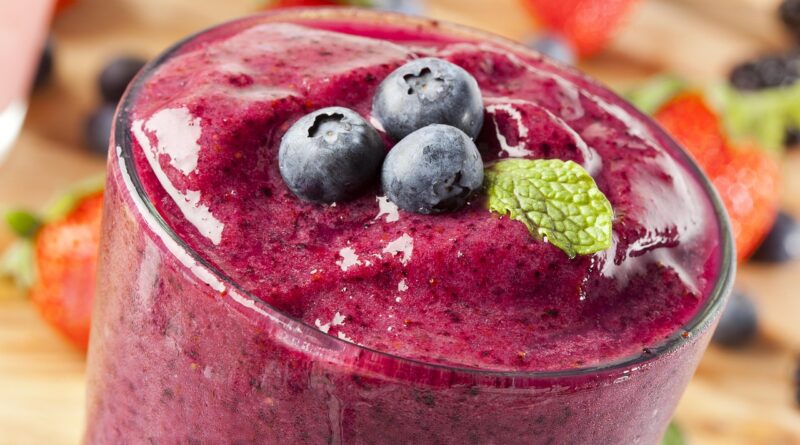
Beverages in 2026 are moving toward function, moderation and clearer labels
What is changing in beverages in 2026
By 2026, beverage competition is less about taste, price and refreshment alone. The FMCG shelf is being shaped by five connected forces: everyday hydration, functional benefits, sugar reduction, alcohol moderation and clearer labeling. For brand owners, retailers and category teams, the practical issue is not whether every emerging claim deserves a launch. A stronger concept fits a real consumption occasion, reduces a visible trade-off and makes a promise the package can support. This article looks at the commercial implications for FMCG readers following the Food & Beverages category, using public information from U.S. health agencies, FDA labeling updates, NIQ, Mintel and beverage industry reports. (odphp.health.gov)
Hydration remains the anchor of the beverage aisle
Hydration is still the most durable job beverages perform. That does not mean every shopper wants plain bottled water. It does mean water sets the reference point for many adjacent formats, including flavored sparkling water, electrolyte drinks, cold coffee, ready-to-drink tea and low-calorie refreshment products. When consumers are cautious about sugar, alcohol or heavy ingredients, the drink that feels closest to hydration often starts with an advantage.
Publicly reported Beverage Marketing Corporation figures cited by the International Bottled Water Association said preliminary 2025 data confirmed bottled water remained the No. 1 beverage by volume in the United States for the tenth consecutive year. Earlier BMC data for 2024 also showed total bottled water volume increasing 2.9%, with per capita consumption reaching 47.3 gallons, compared with 34.8 gallons for carbonated soft drinks. (bottledwater.org)
For beverage teams, hydration should be viewed as a platform rather than a narrow category. Products can add flavor, minerals, caffeine or light functional cues, but they still need to reassure shoppers that the core experience is easy to understand and suitable for repeat consumption. A drink that sounds interesting may win trial. A drink that feels useful every day is more likely to earn routine space in the refrigerator.
Functional beverages are growing, but the claims must work harder
Functional beverages remain one of the most watched areas in FMCG because they connect refreshment with specific needs such as energy, focus, mood, digestion, recovery or alcohol-free social occasions. NIQ described consumers in June 2026 as increasingly intentional about what earns a place in their routines, with beverages used as tools for benefits beyond basic hydration. (nielseniq.com)
At the same time, the category is not a blank check for broad wellness language. Mintel’s March 2026 analysis noted that global food and drink launches making functional claims peaked around 2019-2020 and have plateaued since then. Mintel also pointed to a gap between consumer interest and actual consumption, suggesting that price, credibility and repeat-use relevance can limit conversion. (mintel.com)
Energy, focus and recovery need clear occasions
Energy drinks have trained shoppers to understand a functional promise quickly. The next wave is broader: coffee alternatives, hydration-plus products, protein drinks, electrolyte beverages and lower-sugar caffeinated formats all compete for morning routines, workouts, study sessions and work breaks. The strongest positioning usually names the occasion before the ingredient. A shopper may not be looking for a technical formula; they may be looking for a 3 p.m. lift, a post-exercise reset or a lighter substitute for a sugary soda.
Gut health, mood and relaxation need stronger proof language
Benefits linked to digestion, relaxation or mood require particular care because consumers may interpret them as health-related promises. Beverage marketers need more discipline here. A front label can introduce the idea, but the back label, ingredient list and brand education must explain the basis of the claim without overstating it. In a crowded functional set, vague words such as balance, calm or wellness are weaker than a specific occasion, a transparent ingredient role and clear serving-size context.
Sugar reduction is becoming a strategic issue, not only a nutrition issue
Sugar is one of the clearest pressure points for beverages because many traditional drink formats deliver sweetness in liquid form. CDC fast facts report that among U.S. children aged 1 to 5, 57.1% consumed at least one sugar-sweetened beverage in the previous seven days. CDC also references earlier national youth data from 2011-2014 showing that 63% drank a sugar-sweetened beverage on a given day, averaging 413 calories from those drinks. (cdc.gov)
The policy environment is moving in the same direction. The current Dietary Guidelines for Americans, 2025-2030, published in January 2026, emphasize reducing highly processed foods, including items with added sugars, excess sodium, unhealthy fats and chemical additives. FDA’s Human Foods Program priorities for 2026 include an added sugar reduction strategy, potential work on a low-added-sugar nutrient content claim, consumer education and consideration of how sugar alternatives are labeled. (odphp.health.gov)
| Pressure point | What it means for beverages | Likely FMCG response |
|---|---|---|
| Added sugar scrutiny | Sweetened sodas, teas, coffees, juices and energy drinks face closer comparison | Smaller serving sizes, lower-sugar recipes and clearer sweetness cues |
| Label visibility | Nutrition information is moving closer to the front of the purchase decision | Pack design that explains sugar, calories and benefit claims simply |
| Functional claims | Wellness language must be credible when paired with sweetness | Ingredient transparency and more specific use occasions |
| Price sensitivity | Better-for-you products can lose repeat buyers if the value equation is weak | Multi-serve packs, trial sizes and tiered product architecture |
FDA’s proposed front-of-package Nutrition Info box would interpret saturated fat, sodium and added sugars as Low, Med or High on most packaged foods. FDA said in 2026 it would summarize public comments and prepare options for leadership on the content of a final regulation. For beverage companies, the timing matters: reformulation, label architecture and claim review are becoming long-lead commercial decisions, not last-minute compliance tasks. (fda.gov)
Alcohol moderation is influencing mainstream beverage design
Moderation is no longer confined to the alcohol aisle. It is changing how consumers define adult beverages, social drinking and evening relaxation. NIQ’s 2025 beverage analysis said non-alcoholic beverages were gaining dollar-share momentum while water, soft drinks and energy beverages gained traction and wine, beer and spirits saw modest declines. NIQ also reported that legal-drinking-age Gen Z consumers were fueling over half of non-alcoholic beverage growth and more than 60% of alcohol growth, making younger adult behavior especially important for category planning. (nielseniq.com)
NIQ’s 2025 Beverage Alcohol Year in Review, covering the 52 weeks ending January 3, 2026, described continued pressure in beer, wine and spirits, with ready-to-drink alcohol accounting for more than 12% of total alcohol dollars and non-alcohol beer, wine and spirits surpassing $1 billion in sales. The same report framed moderation as complementary to alcohol consumption rather than a complete replacement for it. (nielseniq.com)
For FMCG teams, this creates a design challenge. Many moderation products must feel adult enough for social occasions while avoiding the heaviness, calories or alcohol content of conventional choices. That can favor complex flavors, premium cues, smaller packs and serving rituals. It also raises the bar for clarity. Shoppers need to know whether the product is alcohol-free, low alcohol, an adult soft drink, a functional relaxation beverage or simply a premium mixer.
Packaging and circularity are becoming category constraints
Beverage packaging is highly visible because drinks are often sold in single-serve bottles, cans and multipacks. A product can be nutritionally improved and still face criticism if its packaging feels wasteful or difficult to recycle. Packaging is therefore moving from a sustainability message to a shelf-readiness question. See also: baby&kids.
The Recycling Partnership’s June 2026 release for the first installment of its 2026 State of Recycling Report said one in five Americans lived under packaging extended producer responsibility laws and outlined five connected requirements for a stronger residential recycling system: recyclable packaging, household access, resident engagement, processing capability and end markets. The report also noted a growing gap between material placed on the market and what the system can successfully recycle. (recyclingpartnership.org)
Material choice remains complicated. Aluminum cans are often promoted for recyclability, but U.S. recovery still leaves room for improvement. The Aluminum Association and Can Manufacturers Institute reported that 43% of aluminum cans shipped in the United States in 2023 were ultimately recycled, while noting that this exceeded their reported equivalent rates for glass and PET bottles. The same release said the average recycled content of a U.S. aluminum can stood at 71%. (aluminum.org)
The best packaging strategy depends on channel, product chemistry, shelf life, transport weight, recycling access and consumer behavior. A chilled premium juice, shelf-stable tea, canned sparkling water and powdered hydration mix face different trade-offs. The practical direction is not to claim a perfect package, but to design for recyclability where possible, reduce unnecessary material and communicate disposal instructions without making unsupported environmental claims.
What FMCG teams should watch next
The most useful way to read beverage trends in 2026 is to group them by decisions, not buzzwords. The first decision is occasion: hydration, energy, a meal companion, sports recovery, an adult social setting or a morning routine. The second is permission: whether the shopper accepts the level of sugar, caffeine, calories, alcohol or price for that occasion. The third is proof: whether the label, ingredient statement and brand content can support the promise without making the shopper work too hard.
Several watch points stand out. First, front-of-pack nutrition work could make added sugar more visible at the exact moment shoppers compare similar products. Second, functional beverages will need sharper segmentation as novelty claims mature. Third, moderation will blur the boundary between soft drinks, mixers, non-alcoholic alcohol alternatives and functional relaxation beverages. Fourth, packaging laws and recycling infrastructure will shape material decisions more directly as extended producer responsibility expands in U.S. states. (fda.gov)
For retailers, the opportunity is to organize beverages around missions rather than legacy aisles alone: hydrate, energize, recover, replace alcohol, pair with meals or treat yourself. For brands, the opportunity is to simplify. A clear promise, a credible formula and a pack that fits the occasion may outperform a product trying to carry every current trend at once.
Frequently asked questions
What are the main beverage trends in 2026?
The main beverage trends are everyday hydration, functional benefits, sugar reduction, alcohol moderation, clearer nutrition labeling and packaging circularity. These trends overlap, so a successful product often combines two or three of them without making the concept difficult to understand.
Are functional beverages still growing?
Functional beverages remain commercially important, especially for energy, focus, mood, recovery and alcohol-free occasions. However, Mintel’s 2026 analysis indicates that launches with functional claims have plateaued since their 2019-2020 peak, which suggests the market is becoming more selective about value and credibility. (mintel.com)
Why is sugar reduction so important for beverages?
Sugar reduction matters because beverages can deliver added sugar quickly and repeatedly across daily routines. CDC consumption data, the 2025-2030 Dietary Guidelines and FDA’s 2026 added sugar priorities all point to continued pressure on high-sugar drink formats. (cdc.gov)
Does alcohol moderation mean consumers are abandoning alcohol?
Not necessarily. NIQ has described non-alcoholic beer, wine and spirits as complementary to alcohol consumption, not simply a replacement. The larger shift is toward more flexible occasions, smaller formats, premium cues and products that let consumers choose when they want alcohol and when they do not. (nielseniq.com)
What should beverage brands prioritize first?
Brands should prioritize a clear occasion, a credible product promise and label transparency. In a crowded shelf environment, the strongest beverage concepts make the shopper understand who the drink is for, when to use it and why it is worth buying again.