Carbonated beverages are being reshaped by sugar, function and channel shifts
What carbonated beverages include today
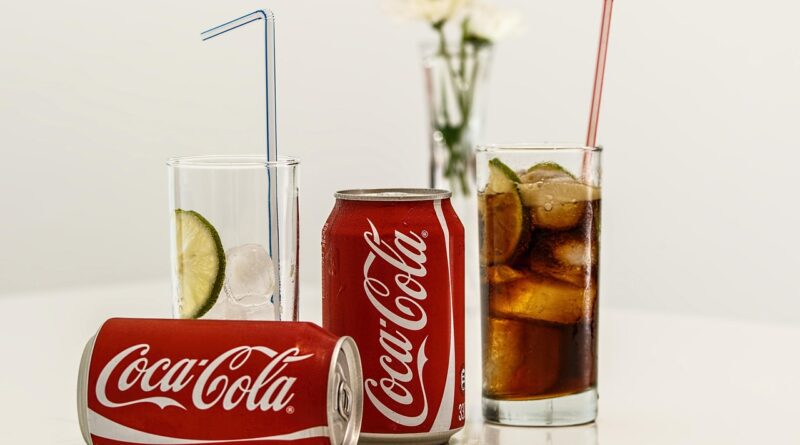
Carbonated beverages remain one of the most important segments in fast-moving consumer goods, but the category is broader and more fragmented than the traditional soda shelf suggests. In practical retail and category planning, the term covers regular and zero-sugar sodas, flavored sparkling drinks, mixers, seltzers, club soda, tonic water and some carbonated energy or functional drinks. The commercial shift is clear: carbonation still has strong appeal, but consumers now choose fizzy drinks for a wider set of reasons, including refreshment, flavor discovery, lower sugar, portion control, energy, digestive wellness cues and on-the-go convenience.
For FMCG readers, carbonated beverages should no longer be treated as a single full-sugar cola business. The category is better understood as a set of overlapping occasions. Classic carbonated soft drinks (CSDs) continue to defend scale, while sparkling water, zero-sugar extensions and functional sodas compete for health-conscious and novelty-seeking demand.
Demand is stable, but the mix is changing
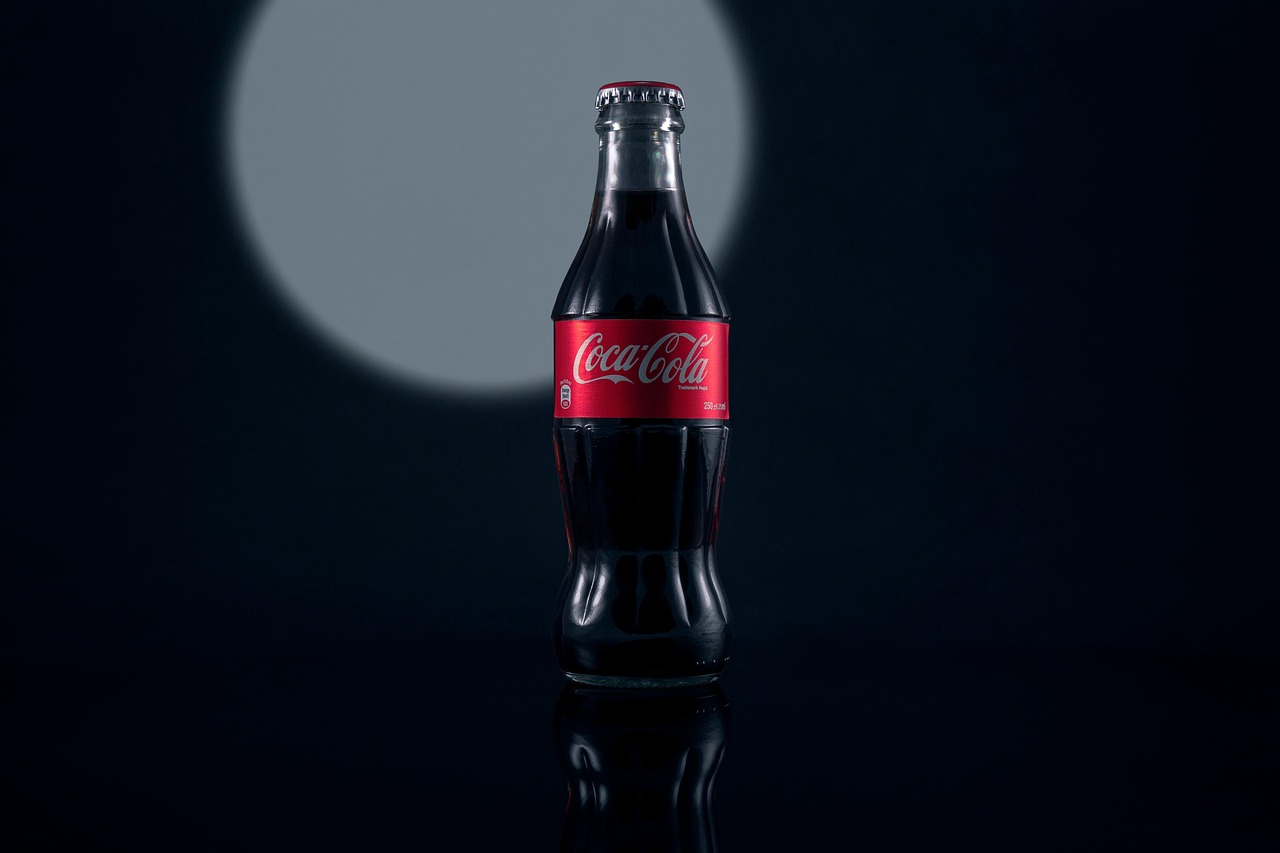
Recent U.S. beverage data points to resilience rather than a straight decline. Beverage Marketing Corporation reported in May 2025 that U.S. liquid refreshment beverage volume grew again in 2024 after a 2023 dip, moving from 36.0 billion gallons in 2023 to nearly 36.4 billion gallons in 2024. Carbonated soft drinks also posted a small uptick in 2024, rising to almost 11.9 billion gallons from 11.8 billion gallons in 2023, though still below the 12.1 billion gallons recorded in 2022. (beveragemarketing.com)
That matters because it suggests the category is not disappearing. The growth challenge is unevenly distributed. BMC noted that only two of the leading carbonated soft drink brands, Coca-Cola and Sprite, experienced volume growth in 2024, while the segment’s sales increased faster than the overall refreshment beverage market. This reflects a familiar FMCG pattern: value can grow through pricing and mix even when volume growth is modest or concentrated among fewer brands. (beveragemarketing.com)
Carbonated beverages are also competing with bottled water for hydration and refreshment occasions. An International Bottled Water Association progress report citing BMC preliminary 2025 figures said bottled water held 29% share of the U.S. beverage market by volume, while carbonated soft drinks represented 21%. The same report said domestic sparkling water grew 3.5% in 2025, reinforcing the point that carbonation itself can remain relevant even when consumers move away from traditional sugary soda occasions. (bottledwater.org)
| Market signal | What it indicates for carbonated beverages |
|---|---|
| Small CSD volume uptick in 2024 | Core soda demand still has scale, but the recovery is measured rather than explosive. |
| Bottled water leading U.S. beverage volume | Zero-sugar and hydration-led alternatives are shaping expectations in the beverage aisle. |
| Domestic sparkling water growth in 2025 | Fizz remains desirable when paired with lighter, unsweetened or wellness-coded propositions. |
| Sales growing faster than volume in parts of CSD | Pricing, pack architecture and premiumization remain central to category economics. |
Sugar is the central strategic pressure point
The most important long-term issue for carbonated beverages is not carbonation; it is sugar. In the U.S., the FDA explains that the Daily Value for added sugars is 50 grams per day based on a 2,000-calorie diet, and Nutrition Facts labels list grams and percent Daily Value for added sugars. This makes sugar content highly visible at shelf and online, especially for beverages where the serving size is easy to understand. (fda.gov)
Public health framing adds further pressure. The CDC describes sugar-sweetened beverages as leading sources of added sugars in the American diet and says frequent consumption is associated with weight gain, obesity, type 2 diabetes, heart disease, non-alcoholic liver disease, tooth decay and gout. The CDC also includes regular soda, sports drinks, energy drinks, sweetened waters and coffee or tea beverages with added sugars within the broader sugar-sweetened beverage definition. (cdc.gov)
For brands, this does not mean consumers have stopped buying indulgent fizzy drinks. It means the permission structure has changed. A regular soda can still work as a treat, a meal pairing or a flavor-led impulse purchase, but it now competes in a more scrutinized environment. That is why zero-sugar, reduced-sugar, smaller cans and mixed sweetener systems have become strategic tools rather than minor line extensions.
The shift is visible in company and retail reporting. The Associated Press reported in July 2025 that Coca-Cola Zero Sugar global case volumes were up 14% in the first quarter, compared with 2% growth in Coca-Cola’s total case volumes. The same report said PepsiCo noted that 60% of its sales volumes in major markets in the second quarter came from low- or no-sugar drinks. These are company-reported figures, but they support the wider category view that low- and no-sugar formats are central to growth. (apnews.com)
Sweeteners, caffeine and regulation shape product choices
Reformulation is not simply a marketing question. It involves taste, labeling, cost, consumer trust and regulatory boundaries. Non-sugar sweeteners can help reduce calories, but they also bring perception challenges. In 2023, the World Health Organization released a guideline advising against using non-sugar sweeteners as a means of controlling body weight or reducing noncommunicable disease risk. The recommendation was aimed at public health policy and does not mean every zero-sugar beverage is the same, but it does show why brands need to communicate carefully and avoid overstating health benefits. (who.int)
Caffeine is another important formulation variable. Under 21 CFR 182.1180, caffeine is listed with a tolerance of 0.02% for use in cola-type beverages in accordance with good manufacturing practice. This is especially relevant when comparing classic colas with carbonated energy drinks, because shoppers may see both as fizzy caffeinated beverages even though they are often merchandised and positioned differently. (ecfr.io)
For FMCG teams, the practical lesson is that every functional or better-for-you claim should be matched with clear regulatory and labeling review. A drink can be carbonated, low sugar and flavor-forward without implying disease prevention or guaranteed wellness outcomes. That distinction is increasingly important as the category borrows language from hydration, energy, gut health and mood-support segments.
Convenience retail keeps carbonated beverages highly visible
Even as household consumption patterns change, convenience stores remain a critical channel for carbonated beverages because they are built around immediate consumption. NACS Magazine reported from 2025 State of the Industry discussions that packaged beverages and beer together represented nearly 25% of both inside sales and gross margin in convenience stores. Among packaged beverage subcategories, energy drinks and carbonated soft drinks together accounted for 53.8% of category sales in 2024, with energy at 27.8% and carbonated soft drinks at 26.0%. (nacsmagazine.com)
This channel context helps explain why carbonated beverages continue to receive cold-box space despite health concerns. They are visible, habitual, highly promotable and often purchased with snacks, prepared food or fuel stops. Carbonated soft drinks also serve different demographic and occasion needs: a fountain drink with lunch, a diet soft drink for routine refreshment, a flavored soda for Gen Z novelty, or a branded cola as a familiar add-on.
On Food & Beverages trend coverage, this channel dynamic matters because it separates category relevance from household pantry behavior. A consumer who buys fewer multi-packs for home may still buy a chilled single-serve soda, sparkling water or energy drink during a convenience trip. For suppliers, that makes package size, price point and cooler placement as important as recipe changes. See also: baby&kids.
Product formats gaining attention
Zero-sugar and reduced-sugar lines
Zero-sugar lines are no longer just alternatives for diet consumers. They are mainstream portfolio pillars for major beverage companies, especially when the taste profile stays close to the core brand. The strongest execution usually treats zero sugar as a brand experience, not only a calorie message: familiar flavor, bold packaging, consistent availability and clear shelf blocking all matter.
Sparkling water and flavored seltzer
Sparkling water benefits from the same sensory appeal as soda while removing many of the nutritional objections. Unsweetened flavored seltzer can compete for afternoon refreshment, meal pairing and alcohol-alternative occasions. It is also a crowded space, where flavor quality, carbonation level and price discipline can determine repeat purchase.
Functional and prebiotic sodas
Functional carbonated drinks are one of the most discussed developments in the category. These products often combine soda-like flavor cues with fiber, prebiotics, botanicals or other value-added ingredients. The opportunity is real, but so is the risk of overclaiming. Shoppers may be curious about digestive wellness or energy benefits, yet regulators and informed consumers expect claims to be specific, supportable and not misleading.
Smaller packs and treat positioning
Smaller cans and single-serve formats help reconcile indulgence with portion control. For classic soda brands, this can preserve the emotional role of the product while reducing the commitment of a larger serving. In inflation-sensitive environments, smaller packs can also create accessible entry price points, although brands still need to balance affordability with value perception.
Implications for brands, distributors and retailers
The future of carbonated beverages will likely be shaped by portfolio balance rather than a single winning formula. Full-sugar colas and flavored sodas still have brand equity, food-pairing strength and impulse appeal. Zero-sugar lines address sugar concerns without asking consumers to leave familiar brands. Sparkling water meets hydration and simplicity needs. Functional sodas bring excitement, but they must earn trust through credible formulation and responsible claims.
- For brands: Build ladders within the portfolio, from indulgent to zero sugar to functional, rather than forcing every product to carry the same health message.
- For distributors: Watch velocity by occasion and channel. A slow-moving multipack in grocery may behave differently from a chilled single in convenience.
- For retailers: Use the cooler to organize consumer missions: classic refreshment, energy, hydration, zero sugar and discovery flavors.
- For private label: Sparkling water, mixers and flavored seltzers may offer cleaner entry points than trying to imitate heritage cola brands.
- For content and category teams: Separate data for carbonated soft drinks, sparkling water and energy drinks wherever possible, because broad carbonated beverage totals can hide very different demand patterns.
The main editorial conclusion is that carbonation remains a powerful sensory platform. What is changing is the value proposition around it. The brands that perform best will not simply add bubbles to a new claim; they will connect carbonation with a clear consumption occasion, a believable nutrition profile and a package that fits how people actually buy drinks.
Frequently asked questions
Are carbonated beverages the same as carbonated soft drinks?
Not exactly. Carbonated soft drinks usually refer to soda-style beverages such as colas, lemon-lime drinks and flavored sodas. Carbonated beverages is a broader term that can also include sparkling water, seltzer, tonic water, club soda, mixers and some carbonated energy or functional drinks.
Why are zero-sugar carbonated beverages growing?
They address a clear consumer concern: added sugar. Nutrition labeling makes sugar content easy to compare, and public health guidance continues to emphasize limiting added sugars. Zero-sugar products allow shoppers to stay within familiar brands and flavors while reducing sugar intake.
Is sparkling water part of the carbonated beverage market?
Yes. Sparkling water is carbonated and often competes with soda for refreshment occasions. In industry reporting, however, it may be counted under bottled water rather than carbonated soft drinks, so category comparisons should be read carefully.
What is the biggest challenge for carbonated beverage brands?
The biggest challenge is balancing taste, health perception and profitability. Consumers still want enjoyable flavors, but they are more attentive to sugar, calories, caffeine and ingredient claims. Brands need products that taste good, comply with labeling rules and fit specific purchase occasions.
Do functional carbonated drinks replace traditional soda?
They are more likely to expand and fragment the category than fully replace traditional soda. Functional drinks can attract shoppers looking for added benefits, but classic sodas retain strong brand recognition, food-pairing use and impulse appeal.