
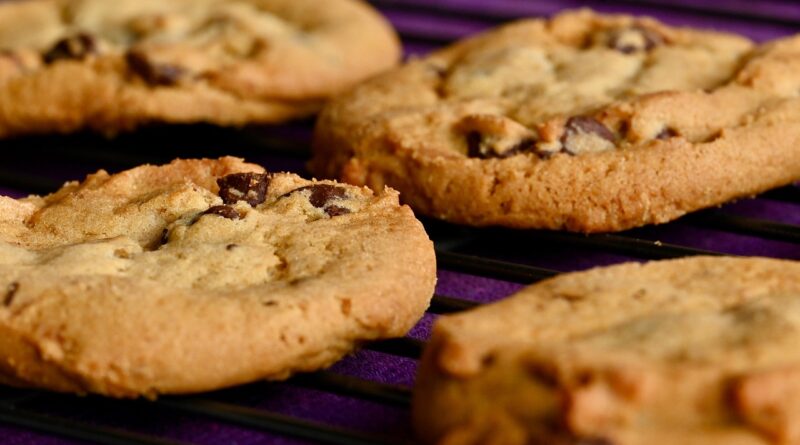
Chocolate chip cookie recipe for chewy centers and crisp edges
A reliable chocolate chip cookie recipe for home baking
This chocolate chip cookie recipe is built for a classic result: lightly crisp edges, chewy centers, and enough chocolate in each bite without overpowering the dough. It uses melted butter for easy mixing, more brown sugar than white sugar for chew, and a short chill to help the cookies spread evenly rather than baking up thin or cakey. The formula makes about 24 medium cookies, depending on scoop size, and works with either chocolate chips or chopped chocolate. For more grocery, pantry, and consumer food coverage, visit the Food & Beverages section.
The method is written for consistency, not just speed. You can bake the dough after a 30-minute chill, but a longer rest gives the flour more time to hydrate and usually produces a slightly deeper flavor, a thicker center, and better spread control.
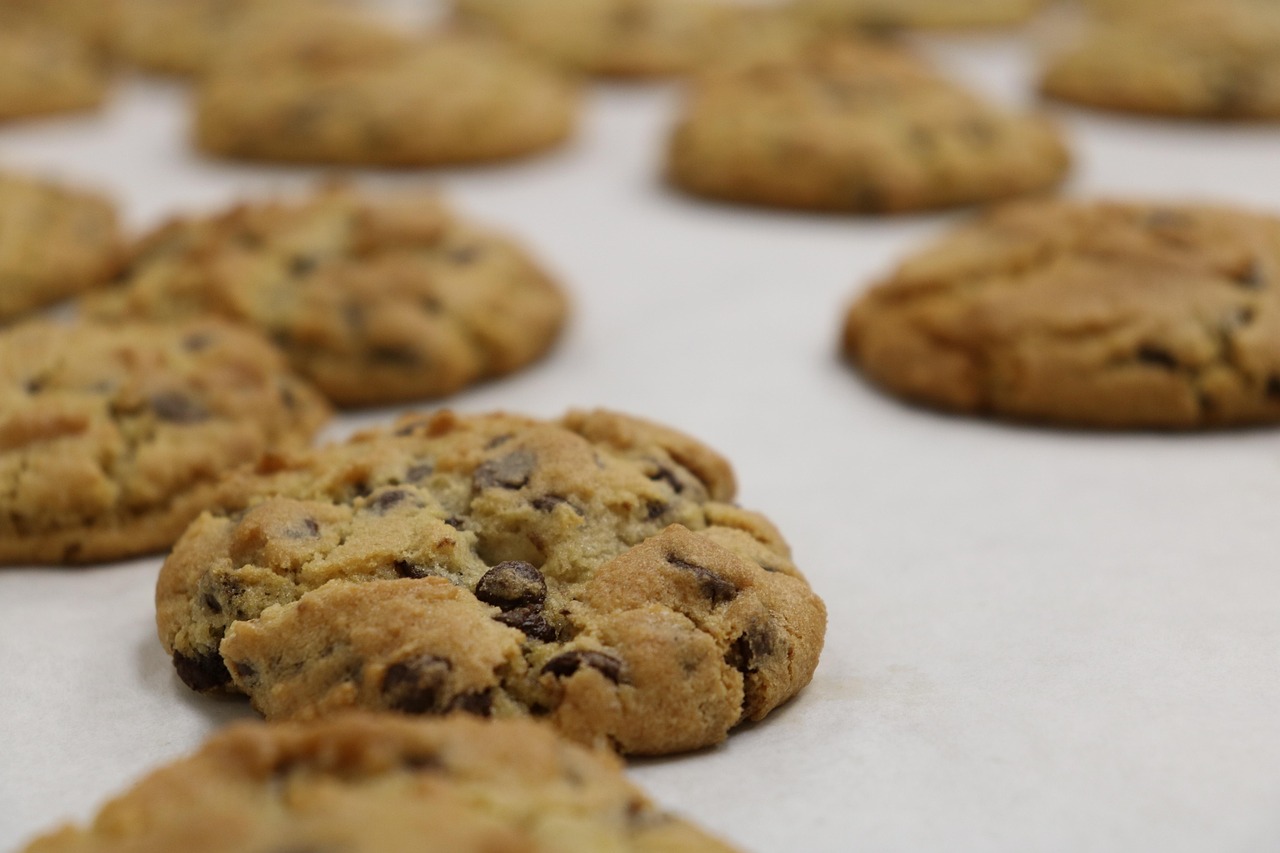
Recipe overview
| Yield | About 24 medium cookies |
| Prep time | 20 minutes |
| Chill time | 30 minutes to 24 hours |
| Bake time | 10 to 12 minutes per tray |
| Total active time | About 35 minutes |
| Texture | Chewy center, crisp edge, soft middle after cooling |
Ingredients and why they matter
A good cookie depends on balance. Flour gives structure, butter carries flavor, sugar affects spread and chew, and chocolate shapes much of the finished taste and texture. Measuring by weight is more reliable than measuring by cup, especially for flour, because a packed cup can add enough extra flour to make the cookies dry.
| Ingredient | Amount | Purpose |
|---|---|---|
| Unsalted butter, melted and slightly cooled | 170 g, or 12 tablespoons | Adds richness and helps create a dense, chewy texture |
| Light brown sugar | 200 g, or 1 packed cup | Adds moisture, caramel notes, and chew |
| Granulated sugar | 100 g, or 1/2 cup | Helps with edge crispness and controlled spread |
| Large egg | 1 whole egg | Provides structure and moisture |
| Large egg yolk | 1 yolk | Adds richness without making the dough too cakey |
| Vanilla extract | 2 teaspoons | Rounds out the butter and chocolate flavors |
| All-purpose flour | 280 g, or about 2 1/4 cups spooned and leveled | Builds the cookie structure |
| Baking soda | 1 teaspoon | Encourages browning and moderate spread |
| Fine salt | 3/4 teaspoon | Balances sweetness and sharpens chocolate flavor |
| Chocolate chips or chopped chocolate | 250 g, or about 1 1/2 cups | Provides the main flavor and texture contrast |
| Flaky salt, optional | Small pinch per cookie | Adds contrast on the finished cookie |
Step-by-step method
Mix the dough
- Line two baking sheets with parchment paper. If baking after the initial chill, heat the oven to 350°F, or 175°C.
- In a large bowl, whisk the melted butter, brown sugar, and granulated sugar until the mixture looks glossy and smooth.
- Add the whole egg, egg yolk, and vanilla. Whisk until fully combined. The mixture should look thick, not separated.
- In a separate bowl, stir together the flour, baking soda, and fine salt.
- Add the dry ingredients to the butter mixture. Fold with a spatula until only a few streaks of flour remain.
- Fold in the chocolate. Stop mixing as soon as the chips or chopped chocolate are evenly distributed.
Portion and chill
Scoop the dough into 2-tablespoon portions, about 40 to 45 g each. Place the dough balls on a lined tray and chill for at least 30 minutes. For stronger caramel flavor and a thicker cookie, cover the dough and chill it for 12 to 24 hours. If the dough has been chilled overnight, let it sit at room temperature for 10 to 15 minutes before baking so it is firm but not rock hard.
Bake and finish
- Arrange dough balls at least 2 inches apart on a lined baking sheet.
- Bake one tray at a time for 10 to 12 minutes, until the edges are set and lightly golden while the centers still look slightly soft.
- For rounder cookies, use a large round cutter or glass to gently scoot each cookie into shape immediately after baking.
- Sprinkle with a little flaky salt if desired.
- Let the cookies cool on the baking sheet for 8 to 10 minutes before moving them to a rack. The centers will continue to set as they cool.
Texture controls that make a measurable difference
Chocolate chip cookies are sensitive to small changes. The table below shows what to adjust when you want a specific result. These controls are especially useful if your oven runs hot, your flour measurement varies, or your preferred chocolate melts differently.
| Goal | Adjustment | Expected result |
|---|---|---|
| Thicker cookies | Chill the dough for at least 2 hours and bake from cold | Less spread and a taller center |
| Chewier centers | Keep the extra egg yolk and use more brown sugar than white sugar | More moisture and a denser bite |
| Crispier edges | Bake 1 minute longer and let cookies cool fully on the tray | More browning and a firmer rim |
| More caramel flavor | Rest the dough overnight | Deeper flavor from hydration and sugar distribution |
| Less sweetness | Use dark chocolate or bittersweet chopped chocolate | More contrast without changing dough structure |
| More even baking | Use room-temperature baking sheets for each batch | Better spread control and fewer over-browned bottoms |
Choosing chocolate chips, chunks, or chopped bars
Chocolate chips hold their shape well, which makes them convenient and familiar. Chopped chocolate creates pools and thinner shards that spread through the dough, giving the cookie a more varied bite. Either option works in this recipe, but they do not behave exactly the same way. Standard chips are usually easier for lunchbox cookies and larger batches because the pieces stay evenly distributed. Chopped chocolate is better when you want a bakery-style look and stronger chocolate contrast.
If using chopped chocolate, keep the pieces mixed in size. Small fragments flavor the dough, while larger pieces create pockets of melted chocolate. If using very dark chocolate, consider keeping the optional flaky salt because it helps balance bitterness and sweetness. If using milk chocolate, reduce the chocolate quantity slightly or keep the cookie size modest so the finished cookie does not taste overly sweet.
Food safety, storage, and freezing
Do not taste raw cookie dough. U.S. food safety agencies, including the CDC, FDA, and USDA, advise against eating raw dough because untreated flour and raw eggs can carry harmful bacteria. Bake the cookies fully, wash hands and utensils after handling dough, and keep raw dough separate from ready-to-eat foods.
Once baked, let the cookies cool completely before storing. Warm cookies trapped in a sealed container release steam, which can make the edges soft and the tops sticky. Store cooled cookies in an airtight container at room temperature for up to 4 days. For a softer texture, add a small piece of bread to the container and replace it when it dries out.
To freeze unbaked dough, scoop it first, freeze the dough balls on a tray until firm, then transfer them to a freezer-safe bag or container. Bake from frozen at 350°F, adding 1 to 3 minutes to the baking time. To freeze baked cookies, cool them fully, layer with parchment, and freeze in an airtight container. Thaw at room temperature and refresh briefly in a low oven if you want a just-baked texture.
Common mistakes and how to fix them
Cookies spread too much
The dough may be too warm, the butter may have been hot when mixed, or the flour may have been under-measured. Chill the dough longer, use a cool baking sheet, and weigh the flour if possible. If the first tray spreads too much, fold 1 to 2 tablespoons of flour into the remaining dough and chill again before baking. See also: baby&kids.
Cookies are dry or cakey
Dry cookies often come from too much flour or overbaking. Spoon and level the flour if measuring by volume, or use 280 g by weight. Pull the cookies when the centers still look slightly soft. They should not look fully firm in the oven because carryover heat continues to set the middle.
Cookies brown too fast on the bottom
The baking sheet may be too dark, too thin, or too hot from a previous batch. Use parchment, bake one tray at a time in the center of the oven, and allow sheets to cool between batches. If your oven runs hot, reduce the temperature by 10 to 15°F and bake slightly longer.
Cookies lack flavor
Flat flavor usually means the dough needs enough salt, enough vanilla, or more rest time. Do not skip the fine salt in the dough. If you have time, chill the dough overnight. That rest gives the finished cookie a more rounded flavor without adding extra ingredients.
Frequently asked questions
Can I make this chocolate chip cookie recipe without chilling the dough?
Yes, but the cookies will usually spread more and taste slightly less developed. If you are short on time, chill the dough for at least 30 minutes while the oven heats and the baking sheets are prepared.
Can I use salted butter?
Yes. If using salted butter, reduce the fine salt in the dough to 1/4 teaspoon. Keep in mind that salt levels vary by butter brand, so the result may be less precise than using unsalted butter.
Why use one egg plus one yolk?
The whole egg adds structure, while the extra yolk adds fat and richness. This combination helps create a chewy center without pushing the cookie toward a cake-like texture.
Can I add nuts?
Yes. Add 75 to 100 g of toasted walnuts or pecans when you fold in the chocolate. If you add more than that, reduce the chocolate slightly so the dough can still hold together.
How do I know when the cookies are done?
Look for set edges, light browning, and centers that still appear a little soft. If the centers look fully baked in the oven, the cookies may become firm after cooling. Letting them finish on the hot tray is part of the method.