
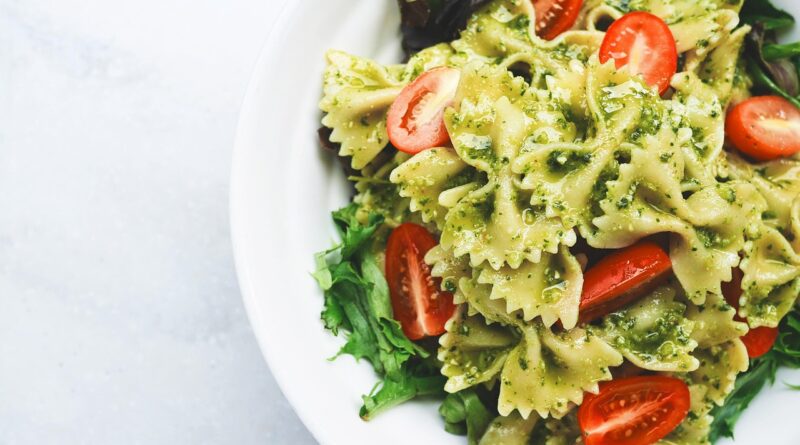
How Italian food is shaping modern grocery shelves
Italian food is now a retail language, not just a cuisine
Italian food matters to modern grocery because it brings together three things retailers look for: high shopper familiarity, strong premium cues and flexible formats that work across pantry, chilled, frozen and foodservice. The category is no longer limited to pasta, pizza or tomato sauce. It now includes sauces, olive oil, bakery, cheese, cured meats, coffee, ready meals, frozen snacks, premium condiments and regional specialties that help shoppers put a meal together quickly while still feeling connected to craft and tradition.
For food and beverage brands, the most useful way to read Italian food is as a set of purchase signals: recognizable dishes, clear ingredient stories, regional names, protected-origin marks, simple preparation and everyday indulgence. In the wider Food & Beverages market, those signals can help products stand out without depending only on novelty.
Why Italian food keeps traveling
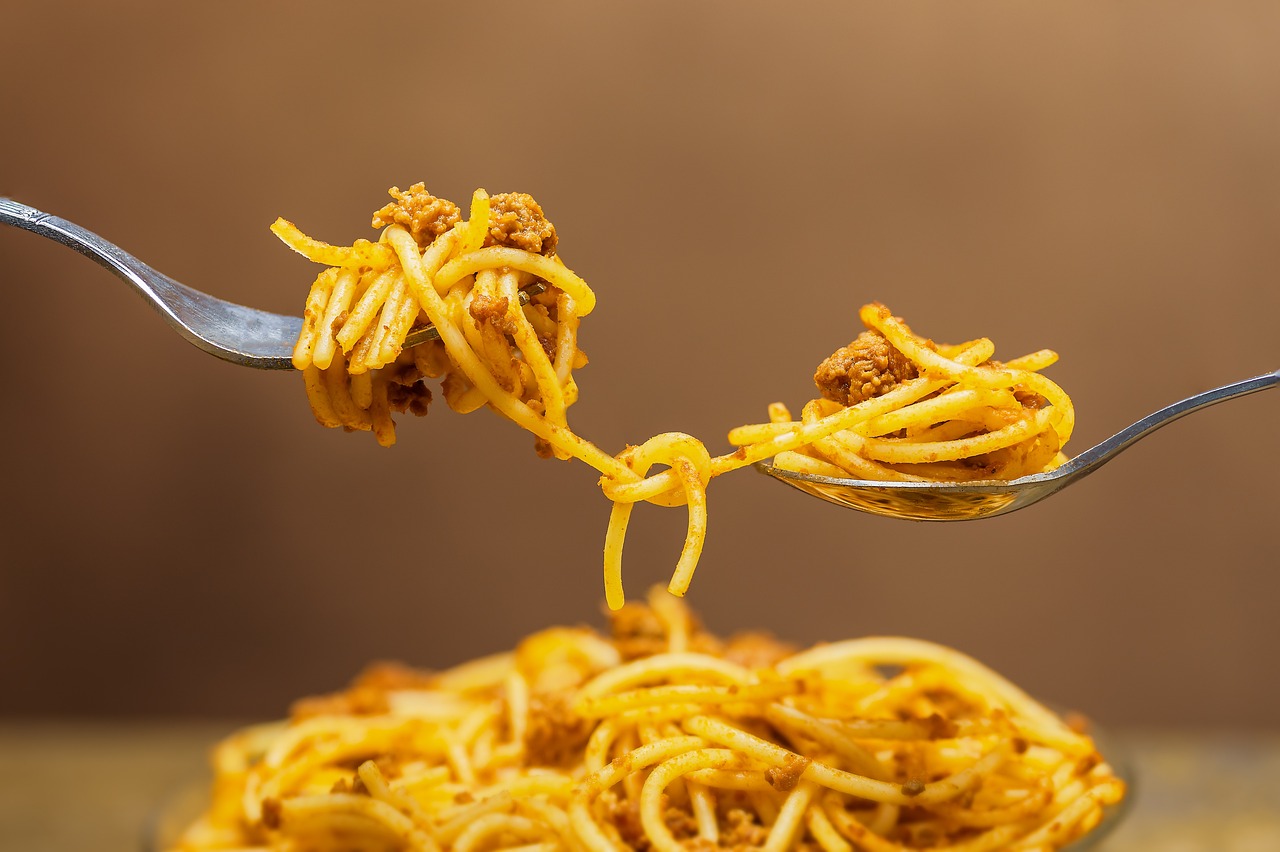
Italian food has a rare global advantage: many consumers already understand its basic meal structure. Pasta with sauce, pizza, espresso, olive oil, cheese and dessert are easy to recognize, even when shoppers do not know the details of regional cooking. That familiarity lowers the risk of trying something new. A shopper may not know the difference between Ligurian pesto, Sicilian caponata and Calabrian chili oil, but the Italian frame makes those products feel more approachable.
The cultural foundation has also become more visible. UNESCO recognized the Mediterranean diet as intangible cultural heritage in 2010, with Italy among the original countries in the nomination, and the recognition was extended in 2013 to include additional Mediterranean countries. UNESCO also inscribed the art of Neapolitan pizzaiuolo in 2017. On December 10, 2025, Italian cooking, between sustainability and biocultural diversity was approved for UNESCO intangible cultural heritage recognition. These recognitions do not certify a packaged product, but they do strengthen the wider narrative around seasonality, craft, regional diversity and shared meals.
That distinction matters. A jar of sauce, a frozen pizza or a shelf-stable pasta cannot borrow cultural credibility automatically. The product still has to make a clear, lawful and verifiable claim. Even so, the broader cultural halo helps explain why Italian-style products can support both value and premium tiers.
What current data says about demand
The latest available public data points to a category with scale, but also with volatility. Istat reported that Italy’s agri-food sector, including agriculture, forestry, fishing, and the food, beverage and tobacco industry, generated €89 billion in value added in 2025, up from €83.4 billion in 2024. The same release said the sector accounted for 4.4% of Italy’s national value added in 2025.
Trade data gives another view. CREA reported that Italian agri-food exports exceeded €72 billion in 2025. OpportunItaly, using sector sources, described 2025 exports as approaching about €73 billion. For the United States specifically, the USDA Foreign Agricultural Service listed Italy’s leading 2024 exports to the U.S. as wine at $2.4 billion, baked goods, cereals and pasta at $1.2 billion, olive oil at $1.05 billion, condiments and sauces at $810.6 million, and dairy products at $567.9 million.
These figures should not be added together as one market size because they come from different statistical systems and reporting periods. Their value is directional: Italian food is large enough to matter across several grocery departments, not only in an ethnic-food set.
| Signal | Period or source context | Retail meaning |
|---|---|---|
| €89 billion in Italian agri-food value added | Istat, 2025 economic accounts | The supply base is broad and industrially significant, not limited to artisan exports. |
| More than €72 billion in agri-food exports | CREA, 2025 export reporting | International demand remains material, although market performance varies by destination and category. |
| Major U.S. import categories include wine, pasta, olive oil, sauces and dairy | USDA FAS, 2024 trade table | Italian food already has shelf presence in core American grocery departments. |
| 894 Italian geographical indications across food, wine and spirits | Fondazione Qualivita Observatory, data updated October 15, 2026 | Origin can be a real differentiator, but claims must be specific and verified. |
Product signals shaping Italian food in FMCG
Authenticity is shifting from look to proof
Red, white and green packaging, rustic typography and Italian place names can create shelf recognition, but they are no longer enough for premium positioning. Stronger products explain what makes the item specific: the region, ingredient standard, production method, pasta shape, cheese style, tomato variety or oil origin. DOP, IGP, STG and other geographical indications can be powerful when used accurately. Vague Italian-sounding language, by contrast, can create shopper confusion and regulatory risk.
Sauces and condiments are becoming meal solutions
Sauce is one of the most flexible Italian food formats because it turns a simple base into a meal. Tomato sauces, pesto, ragù-style sauces, chili oils, balsamic glazes, olive tapenades and ready-to-heat pasta sauces serve shoppers who want speed without giving up flavor. This is where FMCG innovation can be practical rather than theatrical: cleaner ingredient panels, smaller household-friendly pack sizes, premium single-region cues, or formats designed for air fryers, sheet-pan meals and quick weeknight cooking.
Pasta is moving between value and premium
Pasta remains a high-frequency pantry product, but the premium end is increasingly about texture, wheat story, shape and sauce pairing. Bronze-die texture, slow drying, durum wheat, egg pasta, filled pasta and regional shapes all create points of difference. The claim works best when it connects to a real eating benefit. A pasta shape designed to hold sauce is easier for shoppers to understand than a technical claim that never reaches the dinner plate.
Frozen and chilled Italian formats solve time pressure
Frozen pizza, lasagna, filled pasta, focaccia, arancini-style snacks and chilled meal kits give Italian food a clear role in convenience. The opportunity is not just larger portions or more toppings. It is better quality at familiar moments: a weeknight family meal, a premium single-serve lunch, a party appetizer or a restaurant-style side that can be heated at home.
Olive oil, cheese and bakery carry premium everyday cues
Some Italian categories work because they are used repeatedly rather than saved for special occasions. Olive oil, Parmesan-style hard cheeses, mozzarella, crackers, breadsticks, biscuits, coffee and bakery products can create frequent purchase cycles. For retailers, these products also support cross-merchandising: pasta with sauce, cheese with charcuterie, coffee with biscuits, or olive oil with bread and canned tomatoes. See also: baby&kids.
Regional identity is the real premium cue
One of the biggest mistakes in selling Italian food is treating Italy as one flavor. Regional identity is what makes the category expandable. Northern areas are often associated with dairy, filled pasta, risotto, polenta and richer sauces. Central Italy supports olive oil, cured meats, legumes and rustic pasta traditions. Southern Italy and the islands are closely associated with tomatoes, durum wheat pasta, citrus, seafood, olive oil, capers, peppers and bolder Mediterranean flavors.
For product developers, this creates room for a portfolio architecture that feels coherent without becoming repetitive. A retailer might carry an entry-level pasta sauce, then add a Sicilian-style tomato and caper sauce, a Ligurian-style pesto, a Calabrian chili condiment and a premium bronze-cut pasta. Each item can serve a different shopper mission while still belonging to the same Italian food world.
Regional identity also helps avoid overused claims. Premium does not have to mean truffle, luxury packaging or a high price point. It can mean a clear place story, a specific use occasion and an ingredient combination that is easy to understand.
Risks for brands and retailers
The opportunity is strong, but Italian food is not risk-free. Price, sourcing, trade policy and authenticity all affect the category.
- Trade volatility: CREA reported that Italian exports to the U.S. fell 4.2% in 2025 to €7.55 billion, while still remaining above the 2023 level of €6.7 billion. It linked the decline in part to tariff changes in the second half of 2025.
- Category unevenness: CREA’s first-quarter 2026 update said Italian agri-food exports to the U.S. declined 17.8% year over year, with wine, olive oil and pasta among affected categories. At the same time, exports of Grana Padano and Parmigiano Reggiano, tomato preserves, and sauce and condiment preparations moved in the opposite direction.
- Misleading origin cues: Italian-sounding branding can attract attention, but it can also weaken trust if the product implies an origin or standard it cannot support.
- Health oversimplification: Italian food can align with Mediterranean-style eating, but not every Italian-style packaged food is automatically healthy. Nutrition claims need product-level evidence.
- Premium fatigue: If every item claims tradition, artisan quality and authenticity, the words lose value. Specific claims outperform generic romance.
The practical lesson is to separate what is proven from what is decorative. A protected-origin cheese, an Italian-made pasta, a U.S.-made Italian-style sauce and a regional-inspired frozen meal can all be valid products, but they should not use the same claim language.
How brands can build stronger Italian food ranges
- Start with the meal occasion. Decide whether the product is for pantry stocking, quick dinner, entertaining, snacking, premium cooking or foodservice-style indulgence.
- Make the origin claim precise. If the product is imported from Italy, say so clearly. If it is Italian-inspired, avoid implying certification or geographic origin.
- Use regional cues only when they add meaning. A regional name should connect to ingredients, method or flavor, not simply decorate the label.
- Build cross-category baskets. Italian food works well when pasta, sauce, oil, cheese, bakery, coffee and dessert are merchandised as connected solutions.
- Offer both familiar and discovery tiers. Keep core products such as marinara, pasta, pizza and mozzarella easy to find, then add discovery items such as specialty pesto, chili condiments, regional pasta shapes or premium canned tomatoes.
- Watch price sensitivity. Premium cues matter, but everyday Italian food also competes in high-volume, price-aware categories.
- Tell a shorter story. Shoppers do not need a history lesson on the front of pack. They need a clear reason to buy and a simple way to use the product.
Italian food will keep growing as a grocery platform when it balances romance with utility. The strongest products make dinner easier, taste familiar enough to trust, and offer enough origin or craft detail to feel worth choosing over a cheaper substitute.
Frequently asked questions
What is considered Italian food?
Italian food includes dishes, ingredients and food traditions associated with Italy’s regions, such as pasta, pizza, risotto, olive oil, cheeses, cured meats, tomato-based sauces, seafood dishes, coffee, bakery and desserts. In packaged goods, the term can describe products made in Italy, products using protected Italian ingredients, or products inspired by Italian recipes. Those are different claims and should be labeled clearly.
Is Italian food the same as the Mediterranean diet?
No. Italian food overlaps with the Mediterranean diet, especially through olive oil, vegetables, legumes, grains, seafood and shared meals, but the Mediterranean diet is a broader cultural and dietary pattern across several countries. Italian-style packaged foods can vary widely in nutrition, so shoppers should still check ingredients, portions and nutrition panels.
Which Italian food categories work well in grocery?
Pasta, sauces, pizza, olive oil, cheese, frozen meals, chilled pasta, bakery, coffee, condiments and premium canned tomatoes are among the most scalable grocery categories. Smaller specialty products can also work when they are tied to a clear use occasion, such as antipasto boards, quick sauces, sandwiches or entertaining.
How can shoppers identify more authentic Italian food?
Shoppers can look for clear country-of-origin statements, recognized geographical indication marks where relevant, specific regional names, transparent ingredient lists and preparation guidance that matches the product. Authenticity is strongest when the label explains exactly what is Italian about the product rather than relying only on colors, imagery or generic words.