
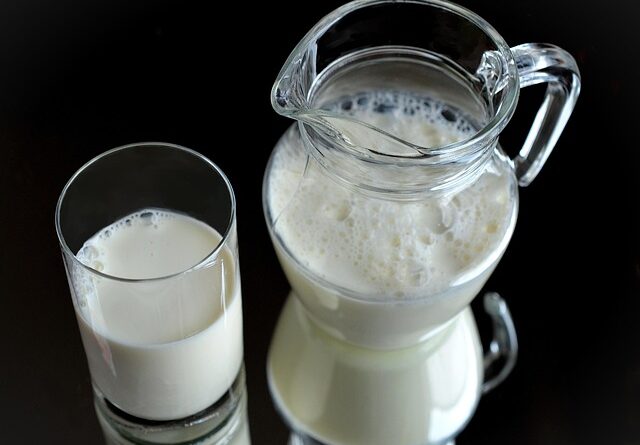
Is Milk Really a Muscle Builder or Just Another Fitness Myth
‘Drink Breast Milk to Build Muscles’: Viral Fitness Claim Sparks Doctor Backlash
The claim that drinking breast milk can accelerate muscle growth has recently spread across social media, drawing criticism from medical experts. Despite its viral appeal, the idea lacks scientific validity. Human milk is biologically designed for infant development, not adult muscle hypertrophy. Its protein concentration is significantly lower than that of cow’s milk or sports supplements. Evidence-based nutrition continues to support balanced protein intake from complete sources like dairy, meat, or fortified plant proteins rather than unconventional or ethically questionable alternatives.
Understanding the Origins of the “Milk Builds Muscle” Narrative
Before analyzing the modern fitness myths around milk, it’s worth tracing how this narrative took root in early sports nutrition and public health messaging.
Historical Context of Milk in Sports Nutrition
In the early 20th century, dietary guidelines framed milk as a complete food rich in protein, calcium, and vitamins. Nutritionists promoted it as essential for growth and recovery among athletes and children alike. Advertising campaigns of the mid-century era reinforced this image, often depicting strong athletes or soldiers fueled by milk consumption. The cultural association between milk and strength became deeply embedded through these efforts. Over time, this perception evolved into the belief that milk directly contributes to muscle gain—a simplification that persists even today.
The Rise of Modern Fitness Myths Around Milk
With social media shaping health communication, simplified nutrition advice often turns into viral misinformation. Influencers frequently highlight single nutrients—like protein—while ignoring context such as total caloric intake or training volume. Misinterpretations of research on protein synthesis have led some to overstate milk’s anabolic potential. More extreme trends, including claims about drinking breast milk for muscle gain, further distort scientific findings and create ethical debates within sports medicine circles.
The Nutritional Composition of Milk and Its Role in Muscle Physiology
Milk remains a valuable nutrient source when evaluated scientifically. However, its role in muscle physiology depends on its macronutrient balance and bioavailability rather than marketing slogans.
Protein Quality and Amino Acid Profile
Cow’s milk contains two major proteins: casein (about 80%) and whey (about 20%). Both are rich in essential amino acids necessary for muscle repair. Leucine—a branched-chain amino acid—plays a central role in stimulating muscle protein synthesis (MPS). Whey digests quickly, providing rapid amino acid delivery post-exercise, while casein digests slowly, supporting overnight recovery. The protein digestibility-corrected amino acid score (PDCAAS) rates milk proteins near the top among dietary sources, comparable to eggs or soy isolates.
Carbohydrates, Fats, and Micronutrients in Muscle Recovery
Lactose serves as a carbohydrate source that helps replenish glycogen stores after intense workouts. Meanwhile, milk fats contain bioactive lipids that may influence hormonal balance and inflammation control. Micronutrients such as calcium, vitamin D, and potassium contribute indirectly to muscular function by supporting bone density and electrolyte stability—factors critical for resistance training performance.
Comparing Milk With Other Protein Sources for Muscle Development
Athletes often debate whether dairy-based proteins outperform other sources for building lean mass. The comparison depends largely on digestion speed, amino acid profile, and individual tolerance.
Animal-Based Protein Alternatives
Whey isolate provides concentrated protein with minimal fat or lactose content, making it ideal for those seeking rapid absorption without gastrointestinal discomfort. Meat, eggs, and fish offer similar amino acid compositions but differ in digestibility rates due to fiber content or cooking methods. Casein stands out for its slow-release characteristics that sustain amino acid availability during fasting periods such as sleep.
Plant-Based Protein Comparisons
Soy and pea proteins can achieve comparable MPS responses if consumed in adequate quantities. Combining plant proteins—such as rice with pea—improves amino acid balance but typically requires higher total intake to match animal-based efficiency. Bioavailability differences remain an important consideration since antinutritional factors like phytates can reduce absorption rates.
Evaluating the Scientific Evidence on Milk and Muscle Growth
Scientific studies provide nuanced insights into how milk influences post-exercise recovery compared with other protein sources.
Research Findings on Post-Exercise Milk Consumption
Controlled trials show that consuming milk after resistance training enhances MPS similarly to other complete proteins when matched for total intake. For example, participants who drank skimmed milk post-workout experienced greater lean mass retention than those consuming carbohydrate-only beverages. However, timing consistency across meals appears more crucial than reliance on any single food type.
Limitations and Variability in Study Designs
Results vary due to demographic differences such as age or training experience among participants. Some studies compare whole versus skimmed or fortified milks without standardizing caloric content, complicating interpretation. Additionally, most trials measure short-term biomarkers like MPS rather than long-term body composition outcomes over months of consistent training.
Addressing the Controversy Around Breast Milk as a Fitness Supplement
The recent online trend promoting human breast milk as a performance enhancer raises both biological misunderstandings and ethical concerns.
Biological Differences Between Human and Cow’s Milk Proteins
Human breast milk is optimized for infant development needs—immune protection and rapid organ growth—not adult skeletal muscle expansion. It contains higher levels of immunoglobulins and oligosaccharides but far less total protein compared with cow’s milk or formulated sports drinks. Consequently, it lacks sufficient leucine concentration to meaningfully stimulate adult MPS pathways.
Medical and Ethical Considerations in Breast Milk Consumption by Adults
Consuming unregulated human breast milk poses health risks including pathogen transmission such as cytomegalovirus or hepatitis if sourced outside medical screening systems. Ethical issues also arise regarding exploitation of lactating women for commercial supply chains catering to niche fitness markets. Most sports dietitians emphasize evidence-based dietary planning using regulated food products rather than sensationalized alternatives promoted online.
Practical Insights for Evidence-Based Muscle Nutrition Strategies
While myths continue circulating online, practical guidance grounded in research offers clearer direction for athletes optimizing body composition safely.
Determining Optimal Protein Intake for Athletes and Trainers
Consensus across leading sports nutrition bodies suggests daily protein intake between 1.6–2.2 grams per kilogram of body weight during hypertrophy phases. Distributing this evenly across meals maximizes MPS throughout the day rather than concentrating it post-training alone. Combining structured resistance programs with balanced macronutrient ratios remains key to sustained progress.
Role of Dairy Within a Comprehensive Nutrition Plan
Dairy products offer convenience through balanced macro profiles suitable for recovery shakes or snacks after workouts. However, individual tolerance varies; those with lactose sensitivity may prefer fermented yogurts or lactose-free whey isolates to avoid digestive discomfort while maintaining nutrient density.
FAQ
Q1: Does drinking more cow’s milk directly increase muscle size?
A: Not necessarily; total daily protein intake matters more than any specific food source when calories are controlled.
Q2: Is breast milk safe or effective for adult bodybuilding?
A: No scientific evidence supports its use; it carries infection risks and ethical problems related to sourcing practices.
Q3: How much protein should an average athlete consume daily?
A: Between 1.6–2.2 g/kg/day depending on training intensity and goals according to current consensus statements from sports nutrition authorities.
Q4: Can plant-based athletes build equal muscle mass without dairy?
A: Yes; combining complementary plant proteins like soy and pea can match animal sources if consumed at adequate volumes consistently.
Q5: What type of milk is best after workouts?
A: Skimmed or low-fat versions provide faster digestion with fewer calories while still delivering high-quality whey and casein proteins beneficial for recovery phases.