

Is Quinoa Cultivation in Bolivia Reaching Its Sustainability Limit
After Quinoa’s Boom, Bolivian Farmers Face Degraded Soils and Climate Stress
The quinoa boom transformed Bolivia’s rural economy but left behind fragile soils and uncertain futures. Once a resilient crop of the Andean highlands, quinoa became a global commodity, driving farmers to expand production beyond sustainable limits. Today, degraded land, erratic rainfall, and declining biodiversity threaten both livelihoods and ecosystems. The challenge is no longer about growing more quinoa—it’s about restoring balance between economic gain and ecological health.
The Evolution of Quinoa Cultivation in Bolivia
Bolivia’s relationship with quinoa spans centuries, rooted in indigenous traditions that valued the crop as both sustenance and symbol. Yet the story of its cultivation has shifted dramatically in recent decades as global demand redefined local practices.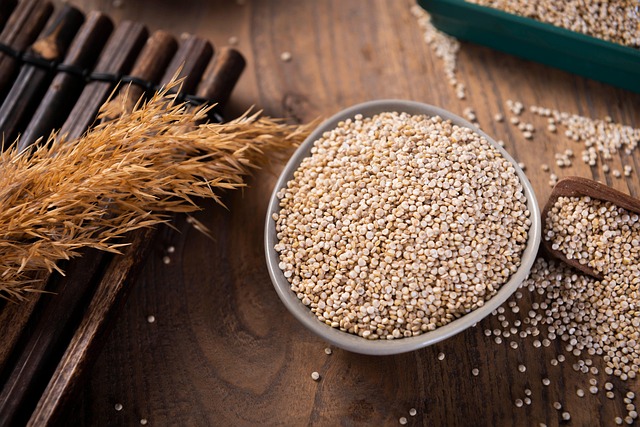
Historical Context of Quinoa Production
Traditional Andean communities cultivated quinoa using low-input systems adapted to high-altitude conditions. Farmers relied on manual labor, animal traction, and natural soil fertility cycles. The crop held deep cultural significance—often used in rituals and celebrations—and served as a vital source of protein in regions where few other grains could thrive. In the Altiplano, production centered on hardy varieties suited to saline soils, while inter-Andean valleys favored mixed cropping systems combining quinoa with legumes or tubers.
The Global Boom and Its Economic Implications
In the early 2000s, international interest in quinoa surged as consumers sought “superfoods.” Prices tripled within a few years, prompting Bolivian farmers to expand cultivation into marginal lands once reserved for grazing or fallow. This expansion brought short-term prosperity but also dependency on volatile export markets. Many smallholders abandoned traditional rotations to meet demand, intensifying soil use and reducing resilience to price shocks.
Environmental Consequences of Quinoa Expansion
The rapid growth of quinoa exports reshaped Bolivia’s highland landscapes. Once diverse agroecosystems gave way to monocultures vulnerable to erosion and climatic stress.
Soil Degradation and Erosion Dynamics
Overcultivation depleted organic matter that had accumulated over generations. Traditional fallow cycles shortened from five or more years to one or none at all. Mechanized tilling compacted fragile soils on the Altiplano’s windy plains, leaving them exposed to erosion. Without protective vegetation cover, dust storms became more frequent during dry seasons, carrying away fertile topsoil essential for productivity.
Biodiversity Loss and Ecosystem Disruption
Native grasslands were converted into uniform fields dominated by a few commercial quinoa varieties. This shift reduced habitat diversity for birds, insects, and small mammals that once thrived among mixed crops. Pollinator populations declined as flowering plants disappeared from field margins. Soil microorganisms critical for nutrient cycling also suffered from continuous disturbance and chemical inputs introduced during the boom years.
Water Stress Under Changing Climate Conditions
Climate change amplified existing vulnerabilities. Precipitation patterns grew erratic; some areas faced prolonged droughts while others endured intense rainfall events that washed away unprotected soils. Retreating glaciers reduced long-term water sources feeding traditional irrigation canals. Farmers increasingly competed for limited water with domestic users and wetlands crucial for regional biodiversity.
Socioeconomic Dimensions of Sustainability Challenges
Environmental decline directly affects social stability in rural Bolivia. As yields drop and costs rise, many farming families confront difficult choices between conserving land or pursuing immediate income.
Shifting Farmer Practices and Knowledge Systems
Market pressures eroded traditional agroecological wisdom passed through generations. Younger farmers often adopted mechanized methods emphasizing speed over soil care. Plowing deeper each season broke natural soil structure once maintained through careful rotation with native legumes or pastures. Older generations lamented the loss of communal decision-making that once governed land use collectively.
Market Volatility and Farmer Vulnerability
When global prices fell after 2015, incomes collapsed across major producing zones such as Oruro and Potosí. Export dependency left smallholders exposed to fluctuations they could not control. Domestic consumption failed to absorb surplus grain due to higher local prices compared with imported staples like rice or wheat. Cooperatives offering fair-trade or organic certification provided some stability but reached only a fraction of producers.
Policy Responses and Institutional Frameworks
Bolivia’s government recognized that sustaining quinoa production required balancing economic goals with environmental restoration.
Governmental Strategies Toward Sustainable Quinoa Production
National programs promoted organic certification to access premium markets while encouraging soil recovery through composting initiatives. Incentives supported reintroducing crop rotations involving native legumes such as tarwi (Lupinus mutabilis) that fix nitrogen naturally. Rural development policies began integrating sustainability indicators into funding criteria for agricultural projects.
International Collaboration and Research Initiatives
Collaborations between Bolivian research institutes and international centers focused on developing seed varieties tolerant to drought and frost without sacrificing nutritional quality. Joint projects explored pest-resistant strains reducing pesticide use on fragile soils. Knowledge exchange workshops emphasized regenerative techniques suitable for low-input systems typical of highland communities.
Pathways Toward a Sustainable Future for Quinoa Cultivation
Rebuilding Bolivia’s quinoa sector depends on restoring ecological functions while maintaining viable livelihoods—a balance requiring innovation grounded in local realities.
Agroecological Innovations for Soil Recovery
Soil restoration starts with rebuilding organic matter lost during intensive cultivation cycles.
Techniques for Soil Fertility Restoration
Farmers increasingly apply green manures made from native grasses or leguminous cover crops that protect against erosion while enriching soils with nitrogen. Composting household waste provides additional nutrients without costly fertilizers. Biofertilizers derived from local microbial cultures show promise in reviving biological activity essential for nutrient retention.
Integrating Livestock Management with Crop Systems
Controlled grazing systems allow llamas or sheep to recycle nutrients through manure without compacting fields excessively. Mixed farming models combining livestock with rotational cropping enhance resilience against climate variability by diversifying income sources and stabilizing soil fertility over time.
Strengthening Local Governance and Farmer Empowerment
Sustainability also depends on collective management structures capable of coordinating land-use decisions across communities sharing fragile ecosystems.
Community-Based Resource Management Approaches
In several Altiplano villages, communal assemblies now regulate grazing intensity and designate conservation zones around sensitive wetlands known as bofedales. Revitalizing indigenous governance frameworks rooted in reciprocity reinforces ecological stewardship aligned with cultural identity.
Capacity Building Through Education and Extension Services
Training programs led by agricultural universities provide hands-on instruction in contour planting, windbreak establishment, and compost preparation tailored to local conditions. Youth engagement initiatives link traditional knowledge with modern agronomic research so younger generations view sustainable farming not as nostalgia but as innovation suited for future climates.
FAQ
Q1: Why did Bolivia experience a quinoa boom?
A: Rising global demand for healthy grains drove international prices up sharply in the early 2000s, motivating farmers to expand production beyond traditional areas.
Q2: What environmental problems followed the expansion?
A: Intensive cultivation caused severe soil degradation, loss of biodiversity from monoculture practices, and increased vulnerability to erosion under changing climate conditions.
Q3: How are farmers adapting today?
A: Many are adopting agroecological methods such as composting, crop rotation with legumes, controlled grazing systems, and reintroduction of native vegetation to rebuild soil health.
Q4: What role does government policy play?
A: National strategies promote organic certification, support research partnerships on climate-resilient varieties, and integrate sustainability goals into rural development planning.
Q5: Can Bolivia sustain its position as a leading quinoa exporter?
A: Only if production shifts toward regenerative models that restore degraded soils while maintaining market competitiveness through quality differentiation rather than volume expansion.