
Is Supermarket Rib-Eye Steak Comparable to Butcher Cuts in Flavor
The Supermarket Rib-Eye Steak Taste Test: ‘The Flavour Is Excellent Thanks to Consistent Marbling’
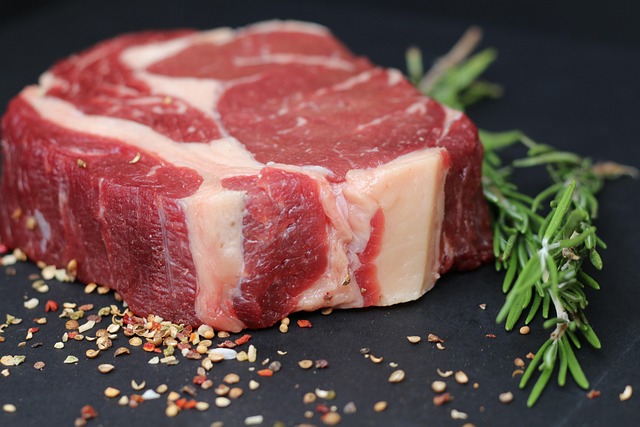
The rib-eye steak has long been a benchmark for meat quality, prized for its marbling and deep, buttery flavor. In recent taste tests comparing supermarket and butcher-sourced rib-eye steaks, results show that supermarket versions are closing the gap in sensory performance. The key lies in consistent marbling, precise aging control, and standardized sourcing. While butchers still lead in individuality and craftsmanship, supermarkets now deliver steaks that satisfy both texture and taste expectations at scale.
Understanding the Characteristics of Rib-Eye Steak
Rib-eye steak remains one of the most recognizable cuts among chefs and consumers alike. Its balance between fat and muscle defines its reputation for tenderness and flavor depth.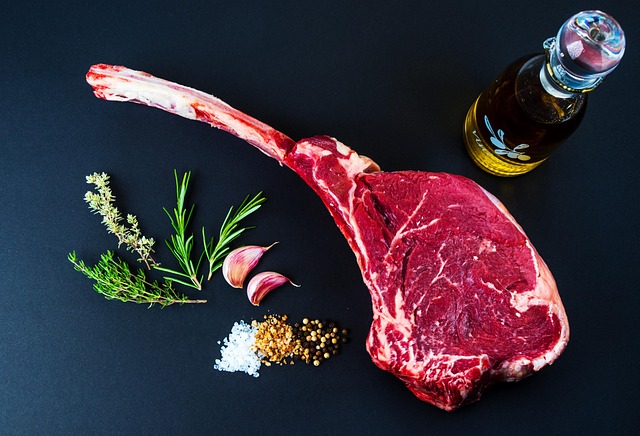
Defining Rib-Eye and Its Culinary Significance
Rib-eye is cut from the rib section of the cow, specifically between ribs six through twelve. This area carries intramuscular fat that melts during cooking, enriching the steak’s natural juices. The result is a tender bite with an unmistakable beef aroma. Variations in trimming—such as bone-in versus boneless—affect both presentation and heat distribution. Thicker cuts retain moisture better, while aged versions develop nutty undertones that appeal to expert palates.
The Role of Marbling in Flavor Development
Marbling is the defining factor in rib-eye quality. As fat renders under heat, it bastes the meat internally, creating a juicy texture and balanced mouthfeel. Butchers often select cuts with uneven yet natural marbling patterns that give character to each piece. Supermarkets, on the other hand, rely on grading systems to achieve uniformity across batches. Consistent marbling ensures even flavor release during searing or grilling—a reason many tasters describe supermarket rib-eye as “reliably flavorful.”
Comparing Supermarket Rib-Eye with Butcher Cuts
The debate between supermarket convenience and butcher craftsmanship centers on sourcing transparency and sensory outcomes. Each channel follows distinct supply chains that influence flavor consistency and consumer trust.
Sourcing and Meat Quality Differences
Supermarkets typically buy from large-scale suppliers operating under national grading standards such as USDA Choice or Prime equivalents in other regions. These systems guarantee predictable quality but limit variability. Butchers often source locally raised cattle or heritage breeds fed on specific diets like grass or barley grain blends. Such differences shape flavor intensity; grain-fed beef tends to have a sweeter finish compared to the earthier notes of grass-fed varieties.
Aging Techniques: Wet-Aged vs Dry-Aged Rib-Eye
Aging plays a critical role in developing tenderness and complexity. Most supermarket rib-eye steaks are wet-aged in vacuum-sealed bags for 14 to 21 days to preserve freshness while allowing enzymes to soften muscle fibers. Butcher cuts may undergo dry-aging for several weeks under controlled humidity, producing concentrated umami flavors through surface dehydration and microbial action. Longer aging enhances aroma but also increases cost due to weight loss during drying.
Packaging and Storage Conditions
Vacuum packaging dominates supermarket distribution because it extends shelf life by limiting oxygen exposure. However, this method can slightly mute aroma development until the meat is unwrapped before cooking. Butchers display their steaks openly under chilled conditions where oxygen contact maintains bright red coloration but accelerates oxidation if not sold promptly. Temperature stability throughout storage remains essential; even minor fluctuations can alter fat integrity and result in off-flavors.
Evaluating Flavor Attributes in Both Cuts
Flavor evaluation combines chemistry with sensory science. Professional panels assess multiple dimensions—aroma intensity, juiciness, tenderness—to quantify overall eating satisfaction.
Sensory Components of Rib-Eye Flavor
During cooking, amino acids react with sugars through the Maillard reaction, forming hundreds of volatile compounds responsible for roasted aromas. Fat content modulates these reactions by carrying lipid-derived flavors into each bite. To compare fairly between sources, cooking methods must remain consistent—typically pan-searing followed by oven finishing at controlled temperatures around 55°C internal doneness for medium-rare results.
Chemical Composition Influencing Taste Profiles
The composition of fatty acids differs depending on cattle feed type and genetics. Grain-fed rib-eye often contains higher levels of oleic acid contributing to buttery sweetness, whereas grass-fed versions deliver more omega-3 fatty acids lending subtle metallic or grassy tones. Lipid oxidation levels further influence aftertaste; improperly stored steaks may develop stale notes due to rancid fat molecules forming aldehydes detectable even at low concentrations.
Consumer Perception and Expert Evaluation Criteria
Professional tasters use structured scoring systems similar to those applied in wine judging—objectivity supported by blind sampling protocols ensures credible conclusions about product quality differences.
Professional Tasting Standards for Steak Assessment
Experts evaluate appearance first: color uniformity indicates freshness while visible marbling predicts juiciness potential. Aroma assessment follows immediately after cooking when volatile compounds peak in intensity. Tenderness is measured both subjectively by chew resistance and instrumentally using shear-force testing devices common in research labs.
How Consistency Affects Market Preference
Supermarket rib-eye appeals to consumers seeking reliability across purchases; its uniform grading minimizes disappointment risk regardless of location or seasonality. In contrast, butcher-sourced steaks attract enthusiasts valuing uniqueness—a reflection of artisanal cutting skill or special breed selection. Market data suggest segmentation where mainstream buyers prioritize predictability while high-end diners pursue individuality even at higher prices.
Economic and Ethical Considerations in Sourcing Steaks
Beyond taste alone, modern steak evaluation includes sustainability metrics such as carbon footprint reduction and animal welfare compliance across supply networks.
Pricing Structures Across Retail Channels
Supermarkets leverage bulk purchasing power to maintain competitive pricing per kilogram without sacrificing basic quality standards. Butchers operate on smaller margins emphasizing traceability from farm gate to counter display; this transparency justifies premium pricing especially when tied to local provenance or specific husbandry practices like free-range feeding.
Sustainability and Animal Welfare Factors
Ethical sourcing increasingly shapes brand perception within both retail sectors. Stress-free handling before slaughter improves meat tenderness due to lower glycogen depletion rates reducing lactic acid buildup postmortem—a biochemical link between welfare conditions and final sensory outcome recognized by food scientists worldwide. Transparency initiatives such as QR code tracking now allow consumers to verify farm origins directly at point-of-sale terminals.
FAQ
Q1: Why does supermarket rib-eye sometimes taste milder than butcher versions?
A: Supermarket steaks are typically wet-aged under vacuum packaging which maintains freshness but limits air exposure needed for deeper flavor concentration found in dry-aged butcher cuts.
Q2: How important is marbling when choosing a steak?
A: Marbling directly correlates with juiciness because intramuscular fat melts during cooking enhancing both tenderness and flavor richness.
Q3: Does dry-aging always make steak better?
A: Not necessarily; while it intensifies umami notes it also reduces yield through moisture loss making it more expensive without universally preferred taste differences.
Q4: Are grass-fed steaks healthier than grain-fed ones?
A: Grass-fed beef contains more omega-3 fatty acids but can have leaner texture; preference depends on nutritional goals versus mouthfeel expectations.
Q5: Can home cooks replicate butcher-level results with supermarket steak?
A: Yes—with proper seasoning, temperature control during searing, and adequate resting time post-cooking supermarket rib-eye can achieve near-identical sensory satisfaction levels found in artisan selections.