
Why Is Asian Food the Smartest Growth Move for Food and Beverage Buyers in 2026?
Why Is Asian Food Moving From Niche to Everyday Demand?
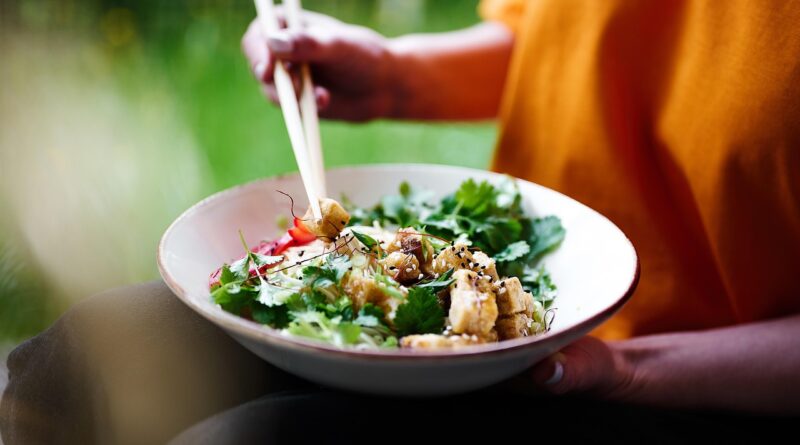
Asian food is now part of regular grocery planning, not just one small “ethnic aisle.” If you buy, import, or build packaged food lines, this category should be part of your Food & Beverages plan. Shoppers are using Asian flavors in normal meals: weeknight noodles, lunch bowls, dumpling snacks, chili crisp eggs, matcha drinks, and small sauces that make plain food taste better.
Demographic Growth Supports Repeat Demand
Pew Research Center reported in May 2025 that the U.S. Asian population reached nearly 25 million in 2023, about 7% of the national population. Pew also said this population more than doubled from 11.9 million in 2000 to 24.8 million in 2023. This matters for FMCG because repeat buying usually starts in the kitchen, not in a trend report. A household that uses soy sauce, rice vinegar, curry paste, ramen, seaweed, or jasmine rice every week gives retailers a steadier base than a short-term viral product.
Mainstream Shoppers Want Bigger Flavor
Demand is not only coming from Asian American households. The National Restaurant Association’s 2025 culinary forecast listed Southeast Asian flavors as a menu trend linked with spicy, tangy, and umami-rich food. Restaurant trends often move into retail after people try a flavor outside the home and then want it again. A shopper who enjoys lemongrass chicken, Thai basil sauce, or Korean-style glaze at a fast casual restaurant may later look for a bottle, frozen meal, or snack pack at the supermarket.
Food Budgets Still Leave Room for Smart Products
USDA Economic Research Service data published in April 2026 showed that U.S. households spent 12.9% of their budgets on food in 2024, with average total household spending at $78,500. That does not mean shoppers will buy anything at any price. It means food is still a large household category, so small add-ons can work when the value is easy to see. A $4 sauce, a $3 seaweed snack, or a frozen dumpling bag that solves dinner quickly can earn shelf space when the benefit is clear.
Which Asian Food Categories Are Best for FMCG Buyers?
The best category depends on the channel, cold chain, price point, and target shopper. Even so, some formats make more sense for packaged food because they have shelf life, repeat use, and clear eating occasions. From real store work, one point comes up often: products that need a long explanation usually lose to products that show the use case on the front panel.
Sauces and Condiments Drive Daily Use
Sauces are often the easiest starting point. Soy sauce, chili oil, gochujang, teriyaki glaze, sweet chili sauce, ponzu, curry paste, and sesame dressing can go with rice, eggs, noodles, vegetables, chicken, tofu, or leftovers. Circana purchase data analyzed in May 2024 found that hot sauce and chili condiments ranked second among condiment purchases in the first three months of 2024, behind mayonnaise and ahead of ketchup, mustard, and soy sauce. For Asian food suppliers, this is a useful signal because heat sells better when it also brings flavor.
Noodles and Rice Create Easy Meal Solutions
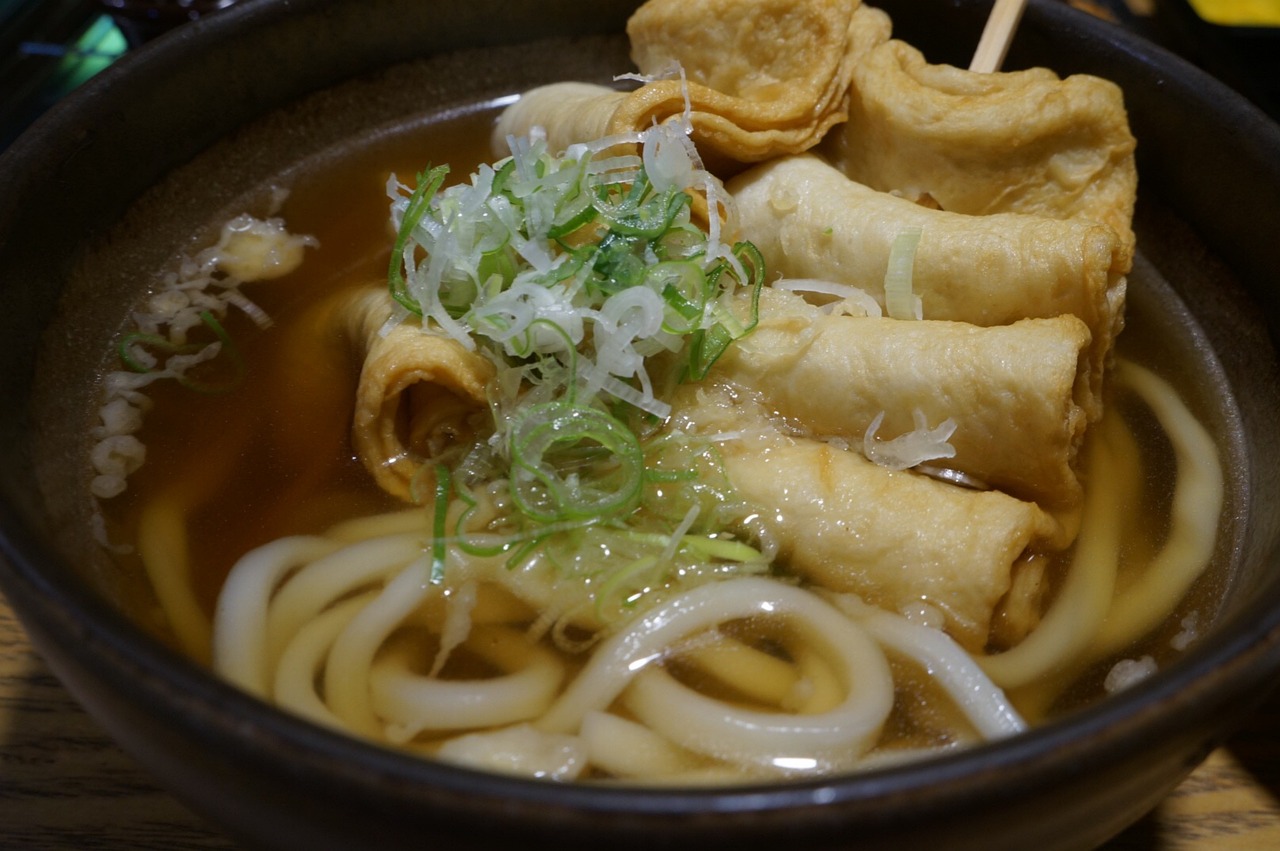
Noodles and rice are not flashy, but they sell through. Instant ramen, air-dried noodles, rice bowls, vermicelli, udon, jasmine rice, basmati rice, and microwave cups fit the way many busy shoppers actually eat. BDA Partners, in an August 2025 report citing industry sources, estimated the U.S. Asian food market at $37.2 billion in 2024 and projected $51.3 billion by 2031. The same report pointed to noodles, rice, and buns as important staple categories in Asian cuisine. The buying lesson is simple enough: staples bring repeat traffic, especially when they are sold with sauces and toppings.
Frozen and Ready Meals Reduce Kitchen Friction
Frozen dumplings, bao buns, curry meals, fried rice, Korean pancakes, Indian entrees, and ramen kits help shoppers get variety without building a full pantry first. BDA Partners also cited 2024 growth in selected frozen Asian subcategories, including frozen Indian entrees and steamed dumplings or bao products, though the dollar base was different by segment. Buyers should treat this as a market direction, not a promise that every frozen SKU will work. Frozen items can do well, but the pack, cooking time, texture, and price all need to fit the shopper’s habit.
How Should You Choose Flavors That Shoppers Actually Buy?
Flavor choice is where many decent products run into trouble. It is easy to chase the loudest trend, but buyers need a simple flavor ladder. Start with familiar bases, add a clear regional cue, and then test one stronger item for shoppers who already trust the brand.
Start With Familiar Flavor Bridges
Good bridge flavors lower the risk for first-time buyers. Teriyaki, sweet chili, sesame ginger, garlic soy, mild curry, and miso broth are easy to understand. Shoppers can picture the meal before they put the item in the cart. This is why “Korean BBQ sauce for chicken and rice” often feels easier to buy than a product name that only insiders know. Authenticity still matters, but the front label should not feel like a vocabulary test.
Add Regional Cues Without Making a Mess
Asian food is not one single cuisine. Chinese, Japanese, Korean, Thai, Vietnamese, Indian, Filipino, Malaysian, Indonesian, and many other food cultures use different ingredients and cooking habits. Pew Research Center’s 2025 analysis described more than two dozen U.S. Asian origin groups, each with its own history and culture. Packaging should show that care. A “Thai green curry soup” is clearer than a broad “Asian curry soup,” and a “Korean gochujang noodle bowl” tells the buyer more than “spicy Asian noodles.”
Use Heat as Flavor, Not a Dare
Spice works best when there is flavor behind it. Gochujang brings fermented sweetness, Sichuan pepper adds a tingling aroma, Thai bird chili gives fast heat, and Kashmiri chili adds color and warmth. Circana’s 2024 hot sauce research found that cultural and social influences affect how many consumers relate to spicy food. For product teams, the point is practical: do not sell pain. Sell balance, aroma, and a reason to take another bite.
What Makes Asian Food Packaging Work on a Crowded Shelf?
Packaging has to do three jobs quickly. It needs to tell shoppers what the product is, how to use it, and why the price makes sense. In Asian food, this can take more care because some ingredients are still new to many mainstream shoppers. Good packaging does not water down the food; it gives enough clues so the customer feels safe buying it.
Clear Use Cases Beat Pretty Claims
A sauce label that says “for noodles, dumplings, eggs, and grilled meat” can sell better than a soft flavor line that sounds nice but says little. A frozen meal that shows “ready in 6 minutes” answers a real dinner problem. A seaweed snack pack that says “lunchbox, rice bowl, or office snack” gives the product more eating occasions. This detail matters because many shoppers decide in seconds, often with one hand on the cart and the other checking a phone.
Pack Sizes Should Match the Eating Occasion
For trial, smaller packs help. For staples, family sizes usually make more sense. A 5-ounce chili crisp jar may work for first-time buyers, while a larger soy sauce bottle fits frequent cooks. Single-serve ramen cups belong in convenience and office channels, and multi-pack seaweed snacks fit club stores and school lunch routines. Circana’s snacking research updated in November 2025 found that 37% of main meals contained a snack item for the year ending March 2024, compared with 29% in 2010. That supports flexible pack planning, especially for dumplings, crackers, seaweed, and bite-size sweets.
Visuals Need Appetite and Accuracy
Food photos should look good, but they also need to be honest. If the front panel shows shrimp, vegetables, scallions, and a glossy sauce, the product inside should not feel empty. Use serving suggestions clearly if the bowl includes added toppings. For export and private label work, accurate visuals also reduce complaints. Nobody wants to explain why the pack photo shows a restaurant bowl while the pouch contains only sauce. It is a dull issue, but dull issues still cost money. See also: baby&kids.
What Compliance Points Matter Before You Import Asian Food?
Strong demand cannot make up for weak paperwork. Asian food products may include sesame, soy, wheat, fish, shellfish, peanuts, tree nuts, milk, or egg. Many items also use fermented ingredients, acidified sauces, dried seafood, spice blends, or product claims that need checking. Before a buyer talks about shelf placement, the product needs a clean compliance path.
Allergen Labeling Needs Extra Care
The FDA states that sesame became the ninth major food allergen in the United States as of January 1, 2023. This is especially important for Asian food because sesame oil, sesame seeds, tahini-style pastes, furikake, dressings, sauces, and bakery toppings are common. Labels need plain and accurate allergen disclosure. Cross-contact controls also matter when one factory runs peanut sauce, wheat noodles, and sesame dressing on nearby lines.
Importer Verification Is Not Optional
FDA Foreign Supplier Verification Program rules require U.S. importers to develop, maintain, and follow supplier verification programs for imported food, with exceptions in specific cases. In normal buying terms, the importer must be able to show that the foreign supplier makes food under standards that meet U.S. safety requirements. Buyers should ask for hazard analysis, facility registration status, process controls, allergen controls, and corrective action records before the first container ships. It is better to slow down a quotation stage than to fix a compliance problem after arrival.
Claims Should Stay Simple and Defensible
Be careful with words like “healthy,” “natural,” “probiotic,” “low sodium,” or “immune support.” Some fermented foods, such as kimchi, miso, natto, and certain pickles, are often linked in public discussion with gut health, but a retail label needs proper support for any claim. If there is no reliable public data for the exact product, do not use the claim. Flavor, convenience, and tradition can still sell the item without risky wording.
How Can You Build a Shelf Strategy for Asian Food?
A workable shelf plan should make Asian food easy to find, easy to try, and easy to buy again. The category may sit in international aisles, mainstream meal sections, frozen doors, sauce sets, snack aisles, or beverage coolers. In many stores, the right answer is more than one location. The decision should follow how shoppers use the product, not only where the supplier wants it placed.
Place Products by Shopper Mission
If the shopper wants dinner, place noodles near sauces, rice, broth, and frozen dumplings. If the shopper wants snacks, place seaweed, rice crackers, mochi, shrimp chips, and flavored nuts near other snacks. If the shopper wants cooking basics, staple sauces and vinegars need clear organization. A mixed “Asian” shelf with everything from tea to curry paste can work in small stores, but larger stores usually benefit from sorting by shopper mission.
Bundle Trial With Simple Meal Ideas
Cross-merchandising helps because it shows the meal quickly. Pair ramen with chili crisp, put dumplings beside dipping sauce, add coconut milk near curry paste, and offer rice with seaweed and furikake. These bundles are not complicated, but they reduce thinking time for the shopper. USDA food budget data shows food remains a large household spend, so useful meal help can matter more than another discount tag.
Track Repeat Purchase Before Chasing Range
New flavors can get attention, but repeat purchase pays the bills. Watch velocity after the first promotion and check whether buyers come back in 30, 60, or 90 days. Compare mild, medium, and hot versions, and track whether a sauce sells with noodles or only during demos. If a niche SKU has loyal repeat buyers, keep it. If a viral flavor drops after two months, treat it as a limited run, not the center of the category.
FAQ
Q1: Is Asian Food Still a Niche Category? A: No. Public data from Pew Research Center, USDA, Circana, and restaurant industry reports points to wider demand across households, restaurants, snacks, sauces, and frozen meals. Some subcategories are still niche, but the larger category is now mainstream.
Q2: What Asian Food Products Are Easiest for New Buyers to Start With? A: Sauces, noodles, rice, frozen dumplings, meal kits, and snack packs are usually easier starting points. They have clear use cases, repeat demand, and familiar price ranges.
Q3: Should Packaging Say “Asian” or Name the Exact Cuisine? A: Use the exact cuisine or flavor when possible. “Thai sweet chili sauce,” “Japanese miso ramen,” or “Korean gochujang glaze” gives shoppers a clearer picture and shows more respect for the food culture.
Q4: What Is the Biggest Compliance Risk in Asian Food Imports? A: Allergen labeling is a major risk, especially with sesame, soy, wheat, peanuts, tree nuts, fish, and shellfish. Importer verification under FDA rules is also critical before shipping to the U.S.
Q5: How Can Retailers Increase Repeat Sales of Asian Food? A: Put products near real meal occasions, offer simple pairings, keep instructions clear, and track repeat buying after promotions. A product that solves Tuesday dinner often beats a louder trend.