Can Wellness Massage Help with Stress, Soreness, and Better Daily Energy?
Why Is Wellness Massage More than a Simple Treat?
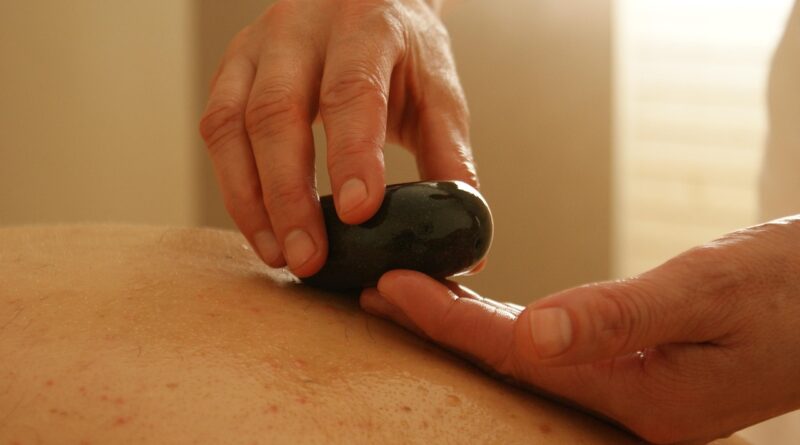
Wellness massage is not just something added to a spa menu. For many users and buyers, it is a hands-on way to deal with tight muscles, stress, and body tiredness. If you are setting up a basic self-care routine, the Health & Wellness section can help connect body care with better daily product choices. The National Center for Complementary and Integrative Health, known as NCCIH, describes massage therapy as soft tissue work used to manage health conditions or enhance wellness, and its national survey summary says 10.9% of U.S. adults used massage therapy in 2022, up from 4.8% in 2002. (nccih.nih.gov)
Soft Tissue Care That Supports Daily Comfort
A long workday, a stiff neck after scrolling, or tight calves after errands can make the body feel worn out. Massage works on muscles, fascia, and other soft tissues with pressure, gliding strokes, kneading, or light holds. It is not a replacement for medical care. Even so, a good session may help the body feel looser and easier to move.
Stress Relief That Feels Practical
Many people book massage because it gives the nervous system a clear break. The room is quiet, the phone is put away, and the body can stop holding tension for a while. That may sound small, but in day-to-day life those breaks often count. After a solid session, many clients notice slower breathing and less jaw tightness. For spas and wellness brands, that simple result is often what brings people back.
A Small Routine with Real Demand Signals
Massage is also becoming more normal in wellness spending. The American Massage Therapy Association reported that, in the 12 months ending June 2025, 79% of surveyed people said their last massage was mainly for health or wellness reasons, or for stress. Since AMTA is an industry association, the data should be read as a market signal, not a medical guideline. It still shows that customers are not only buying massage as a treat; many are using it as part of regular body care. (amtamassage.org)
How Can Wellness Massage Fit into a Busy Week?
The routine that works is the one people can repeat. It should not turn into another item on a busy list. You do not need a full spa day with candles and two free hours. A useful plan often starts with a clear goal, a session length that fits real life, and a few easy habits between appointments.
The 30 Minute Reset
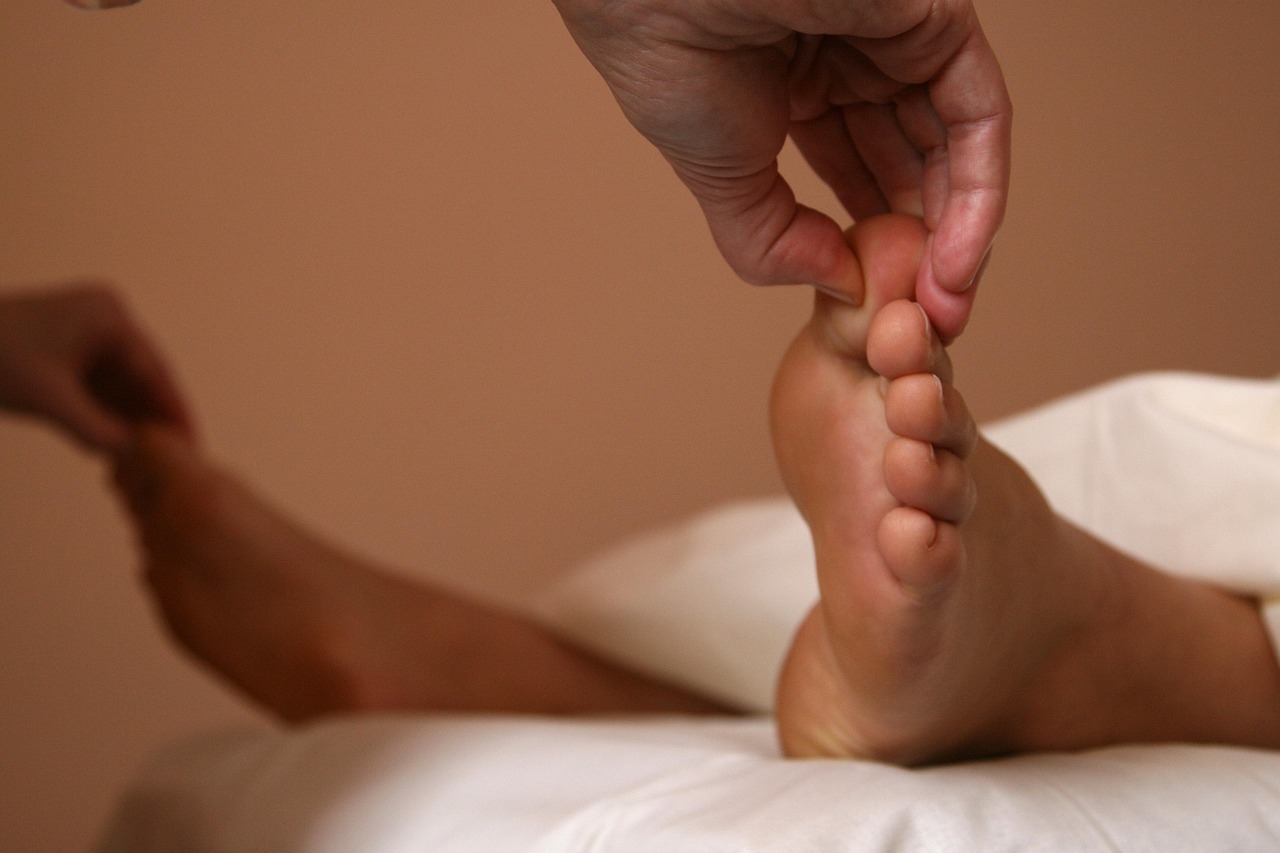
A shorter session can work well when the main issue is one area, such as shoulders, feet, or lower legs. It is also easier to fit before school pickup, after a gym visit, or during a lunch break. Tell the therapist what feels tight, then let the work stay focused. This kind of session is also easy for spas to sell when clients are short on time.
The 60 Minute Full Body Session
A 60 minute appointment gives more room for whole-body work. It suits people who carry stress in several places, such as neck, back, hips, and hands. If you sit for work, ask for balanced attention to the chest, back, glutes, and legs, not only the spot that complains the loudest. That usually gives a better result than chasing one sore point for the whole hour.
The At Home Between Session Habit
Between appointments, simple product habits can keep the comfort going. Use a light massage oil for dry skin, a cooling gel after workouts, or a warm bath product when the day has been too much. Keep the choices plain and easy to use. If a product smells like a candy shop, it may not be the best fit before bed. For home care and retail sales, mild scent and clean texture usually work better than a loud formula.
Which Massage Style Matches Your Wellness Goal?
Different styles can feel very different on the table. A calm Swedish session is not the same as sports-focused bodywork, and deep pressure is not always better. NCCIH notes that Swedish or classical massage is the most common form in Western countries, while sports, clinical, Shiatsu, and Tuina are also used in different settings. The right choice depends on the goal, the body, and the person doing the work. (nccih.nih.gov)
Swedish Massage for General Relaxation
Swedish massage is often a good first choice if the goal is relaxation and general wellness. It usually uses flowing strokes, gentle kneading, and moderate pressure. The client should be able to breathe normally and feel safe enough to relax. Pain is not proof that the session is working. For new clients, this is usually the easiest place to start.
Sports Massage for Active Recovery
Sports massage may suit people who run, lift, cycle, play weekend tennis, or stand all day at work. The goal is usually recovery, mobility, and care for overused areas. It can be firmer than a relaxation session, but the pressure still needs to match the body. A therapist should not turn the session into a test of pain tolerance.
Clinical Massage for Targeted Areas
Clinical massage focuses on a specific issue, such as shoulder restriction or recurring calf tightness. It may include assessment, shorter targeted strokes, and clear session goals. If symptoms are sharp, spreading, or linked with numbness, get medical advice before booking. A massage table is not the place to guess. This is especially important for retailers and spas that want repeat customers without safety problems.
What Should You Look for in Massage Products and Supplies?
For a home user, spa buyer, retailer, or wellness brand, product details matter. A wellness massage experience depends on the hands doing the work, but oil texture, skin feel, scent, towel quality, and hygiene supplies also shape the result. In fast-moving consumer goods, repeat use is often won by small comforts. A product that feels clean, spreads well, and is easy to handle has a better chance of being used again.
Skin Friendly Oils and Balms
Choose oils and balms that spread well without feeling heavy. Common options include fractionated coconut oil, grapeseed oil, jojoba-style blends, and unscented lotions. If skin reacts easily, patch test first. Clear ingredient lists help shoppers decide faster, especially when the product sits beside many similar items on a shelf. For trade buyers, this also reduces simple customer questions at the point of sale.
Clean Towels, Sheets, and Hygiene Basics
Clean linens make the session feel professional before the first stroke starts. Soft towels, fresh sheets, disposable face cradle covers, and hand hygiene products are not glamorous, but clients notice them. For home care, keep a separate towel set for massage products so cooking smells and laundry scents do not mix. For spa operators, these basics affect trust as much as the treatment room design.
Simple Scent and Texture Choices
Scent can support mood, but strong fragrance can distract. A light lavender, eucalyptus, citrus, or unscented option gives people choice without taking over the room. Texture matters too. A product that drags on the skin forces more pressure, while a greasy product can make people want a shower right away. In retail, this is one of the reasons testers and clear product notes are useful. See also: baby&kids.
What Does Research Say About Benefits and Limits?
Massage can be useful for many people, but expectations should stay reasonable. Public health data show why body comfort matters: the CDC National Center for Health Statistics reported that 24.3% of U.S. adults had chronic pain in 2023, and 8.5% had high-impact chronic pain that often limited life or work activities. For wellness brands and service providers, this does not mean massage should be sold as medical treatment. It means buyers care about comfort, movement, stress, and daily function. (cdc.gov)
Pain Care Needs Realistic Expectations
NCCIH reports that massage has been studied for low-back pain, neck and shoulder pain, knee osteoarthritis pain, and headaches. The evidence is mixed. For example, findings for chronic low-back pain are weak, while neck and shoulder relief may be short term. The main point is plain enough: massage may help some people feel better, but it should not be sold as a cure. This is better for customer trust and safer for the business. (nccih.nih.gov)
Mental Ease Is a Valid Goal
Relaxation is a fair reason to book a session. If stress keeps the shoulders high and sleep feels broken, a calming massage can be part of a wider routine that includes movement, light meals, hydration, and better screen limits. One session will not fix a messy week. It can, however, give the body a clear reset point.
Safety Comes before Pressure
For healthy adults, massage is generally low risk when performed by a trained therapist, according to NCCIH’s safety guidance on complementary health approaches. Still, people who are pregnant, have cancer, blood clot risk, open wounds, burns, infections, or unexplained pain should speak with a health care provider first. More pressure is not always safer, and it is not always smarter. The better approach is steady communication between the client and therapist. (nccih.nih.gov)
How Can You Build a Smart Wellness Massage Routine?
A smart routine does not chase every new trend. It gives users a repeatable way to care for the body, choose the right products, and spend money with less regret. The U.S. Bureau of Labor Statistics projected massage therapist employment to grow 15% from 2024 to 2034, which points to continued demand for professional services. For suppliers and retailers, that demand also supports steady interest in massage products and basic treatment room supplies. (bls.gov)
Start with Your Goal
Before booking or buying products, name the main goal in plain words. This keeps the session, the pressure, and the product choice on track. It also helps a therapist or sales staff give better advice without guessing.
- Relax after a tense week.
- Ease ordinary muscle soreness.
- Support recovery after training.
- Create a quiet bedtime habit.
- Care for dry skin while adding light bodywork.
Track How Your Body Responds
After each session, note how you feel that evening, the next morning, and two days later. Track sleep, soreness, mood, and any irritation from products. This takes one minute in a notes app. Over time, the pattern is more useful than one strong opinion after one visit. It helps you pick better pressure, timing, and massage product textures next time.
Choose Professionals and Products Carefully
Ask about training, licensing where required, and experience with your goal. For products, choose clear labels, comfortable texture, and packaging that suits real use. A pump bottle may beat a beautiful jar when hands are oily. It may not look as special on a shelf, but it is easier beside a massage table. In daily use, that kind of detail matters.
FAQ
Q1: Is Wellness Massage Good for Beginners? A: Yes, it can be a good starting point if you choose gentle or moderate pressure and tell the therapist about your comfort level. Start simple, then adjust based on how your body feels after the session.
Q2: How Often Should You Get a Wellness Massage? A: For general relaxation, once every two to four weeks is common. If you have a specific concern, ask a qualified therapist or health care provider for guidance that fits your body, budget, and schedule.
Q3: Can Massage Replace Medical Treatment? A: No. Massage can support comfort and wellness, but it should not delay medical care for severe, new, or unexplained symptoms. Pain with numbness, fever, swelling, or injury needs proper medical attention.
Q4: What Products Are Best for At Home Massage? A: Unscented or lightly scented oils, smooth lotions, clean towels, and easy-to-wash sheets are practical choices. If skin is sensitive, patch test the product first and avoid heavy fragrance.
Q5: Should Wellness Massage Hurt to Work? A: No. Some areas may feel tender, but sharp pain or breath-holding is a sign to reduce pressure. Good massage should feel safe, focused, and matched to your goal.