
Does Yeast Infection Treatment Differ Between Medical and Natural Approaches
Treating a Yeast Infection at Home: Medically Proven Methods vs. Myths
Yeast infection treatment needs careful steps. It does not work well with random tries. Studies show that antifungal medicines work faster and better than home fixes. Some natural choices can ease light pain. Only treatments backed by doctors hit the root of the fungus growth. This piece looks at how the body works with these infections. It covers how doctors find them and how to treat them. It also weighs real medical steps against common home ideas.
Understanding Yeast Infections from a Clinical Perspective
Before looking at ways to treat them, it helps to see yeast infections as shifts in the body’s tiny life forms. They are not just skin or private area problems on their own.
The Biological Basis of Yeast Infections
Candida types, mostly Candida albicans, live as normal parts of the body in places like the mouth, stomach, and private areas. When things stay healthy, good bacteria keep Candida in check. They do this by fighting for space and sending signals to the body’s defense system. But too many antibiotics, shifts in body chemicals, or weak defenses can break that balance. Candida then grows too much. This shows up as itch, a burning feel, thick flow in vaginal cases, or red patches in skin folds. Doctors check for it with a microscope to see thread-like shapes. They also grow samples on special plates to confirm.
Medical Classification and Diagnostic Techniques
Doctors split these infections into two main kinds. One kind stays on the surface in the mouth, skin, or private parts. The other kind spreads into the blood or deep organs. To confirm, they use a microscope and grow cultures. New lab tests like PCR can name the exact type in just hours. Getting the right name matters. Symptoms can look like bacterial issues or skin rashes from other causes. A wrong guess leads to the wrong fix.
Established Clinical Methods for Yeast Infection Treatment
Doctors handle yeast infections with exact medicines. They also think about how often the problem comes back and any other health issues the person has.
Pharmacological Therapies and Their Mechanisms
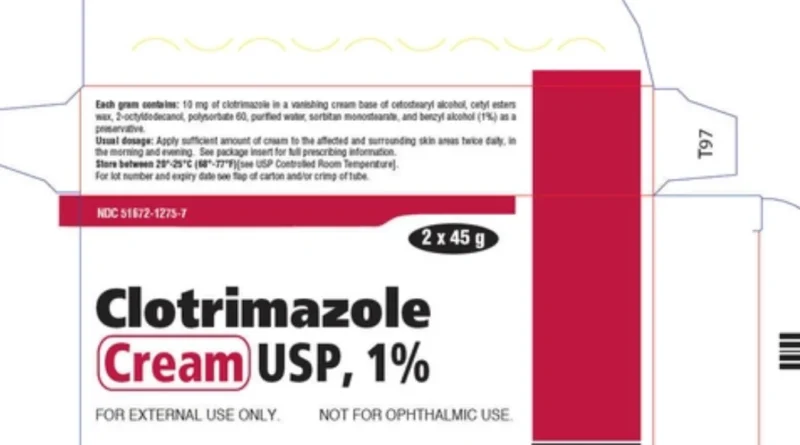
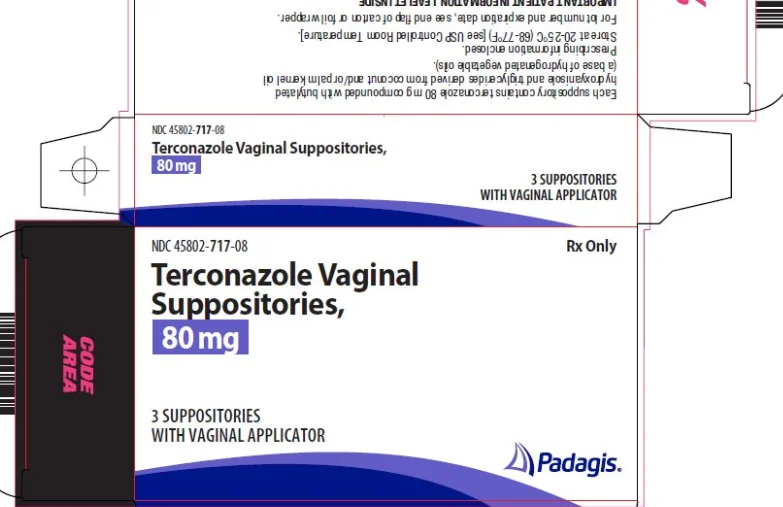
Azole medicines such as fluconazole and clotrimazole stop the fungus from building its outer wall. This makes the wall fall apart. Other medicines like nystatin grab onto parts of that wall and let the inside leak out. Some Candida types now fight back against these drugs. They do it with special pumps that push the medicine out or by forming sticky layers. Doctors who focus on infections keep an eye on these changes.
Clinical Protocols for Managing Recurrent Infections
When the problem hits four or more times in one year, it counts as a repeat case. The plan starts with a strong dose of oral fluconazole. After that, a smaller dose once a week for six months helps stop it from coming back. This steady low dose keeps the medicine in the tissues at a level that holds the fungus down. Follow-up visits let the doctor check if the plan works or if the fungus has changed.
Home-Based Yeast Infection Remedies: Myths vs. Evidence
Many online posts talk about natural cures. Most of these ideas have little proof from solid tests.
Commonly Promoted Home Remedies
People like to try things at home to bring back good bacteria. One common choice is yogurt with live cultures. Some put it on the skin or eat it. The hope is that the good bacteria will crowd out the fungus. Coconut oil and tea tree oil also get mentioned for their power against fungus. The trouble is getting the right strength when mixing at home.
Natural Substances Often Used at Home
Yogurt with live Lactobacillus gets used a lot. People apply it or swallow it to add helpful bacteria. Coconut oil and tea tree oil show up in many tips because they seem to slow fungus in lab dishes. Still, home mixes do not stay at steady strength like lab tests.
Over-the-Counter Options with Partial Efficacy Evidence
Creams you can buy without a script, such as miconazole, help with simple cases. They may not work if the fungus resists or if other germs are mixed in. Guessing at home can miss the real cause. Bacterial problems or skin reactions from allergies can look the same.
Evaluating Scientific Support for Home Treatments
Tests on probiotic pills give mixed results. Some show fewer repeat cases when used with medicine. Others find no real change compared with a dummy pill. Lab work proves plant oils can slow Candida in a dish. But the body does not always take them in the same way. This makes the effect weaker in real life. Putting oils straight on skin can also cause redness or an allergic rash in some people.
Comparing Home Treatments to Clinical Interventions
When lab results move to daily life, the gap between doctor medicines and home mixes stands out clearly.
Efficacy Benchmarks Between Home and Clinical Approaches
Doctor medicines start to work in one to three days. They follow known paths in the body. Home mixes often need many days and may not clear the problem at all. Exact doses keep the right level in the tissues. Home blends vary each time. People who stick to the doctor plan see fewer returns than those who only try home steps.
Safety Considerations Across Both Modalities
Waiting too long to see a doctor while trying home fixes can let the infection grow. It may turn into long swelling or bring in extra bacteria. Medicine from a doctor can also cause issues. Azoles can change how blood thinners or seizure drugs work. That is why a doctor should watch even when someone adds yogurt or changes food.
Integrating Evidence-Based Practices into Patient Guidance
Linking solid facts with clear talks helps people follow the plan because they understand it.
The Role of Healthcare Professionals in Patient Education
Doctors and nurses spend time clearing up wrong ideas about yeast fixes. They stress the need for a lab check before starting any medicine. Just looking at the area cannot tell fungus from bacteria. Good talks let patients ask about adding home steps while still using the medicines that work.
Future Directions in Yeast Infection Management
New work on fungus drugs follows patterns seen in other fields where better tools lead to steadier results. Mixing exact tests with plans made for each person gives better outcomes than one plan for everyone.
Advancements in Antifungal Research
Fresh compounds aim at the sticky layers Candida builds to hide. These new drugs do not just hit the old wall target. Tiny particle delivery methods are being tested to release medicine slowly in the mouth or private areas. This cuts down on whole-body side effects.
Personalized Medicine Approaches
Reading the full set of bacteria in a person helps doctors pick the best drug. It also shows who might face repeat problems because of their own body makeup. This matches how good energy setups combine parts that work together for years. The best plans use solid tests, proven drugs, local help, and steps to stop future trouble.
FAQ
Q1: What causes recurrent yeast infections?
A: Repeat cases often come from fungus left behind after the first round. Other causes include diabetes, birth control pills, or recent antibiotic use that shifts the normal balance of bacteria.
Q2: Can probiotics prevent yeast infections?
A: Some tests point to a drop in repeats when people take Lactobacillus rhamnosus with regular medicine. The benefit shows up more in certain groups than in others.
Q3: Are natural oils safe for treating yeast infections?
A: Lab tests find that coconut and tea tree oils slow Candida. Still, putting them on tender skin without the right mix can cause sting or rash. It is safer to check with a doctor first.
Q4: How soon should symptoms improve after starting medication?
A: Most people feel better inside three days of starting an azole drug. Full clearing can take a full week if the case is stronger.
Q5: When should professional evaluation be sought?
A: If symptoms stay after using a store cream, or if the problem returns more than three times in a year, a doctor visit with a culture test is needed. This checks for types that resist common drugs.