

What Is Health Coaching and Why Does It Work Better Than Wellness Advice?
What Does Health Coaching Actually Do?
Health coaching helps you make health advice fit a normal Tuesday morning, not just a neat plan written on Monday. If you are working on food, movement, stress, or sleep, the Health & Wellness category is a practical place to connect daily-use products with daily routines. The main point is clear: you are not trying to collect more tips; you are trying to build a pattern you can keep using.
A Partnership Built Around Real Life
The National Board for Health and Wellness Coaching describes the field as a partnership that supports self-directed, lasting change aligned with a client’s values. That line matters because a coach is not there to act like a doctor, diagnose a condition, or give you a fixed menu that leaves no room for your actual week. The work starts with your schedule, your limits, and the habits you already have.
Small Goals That Fit Busy Days
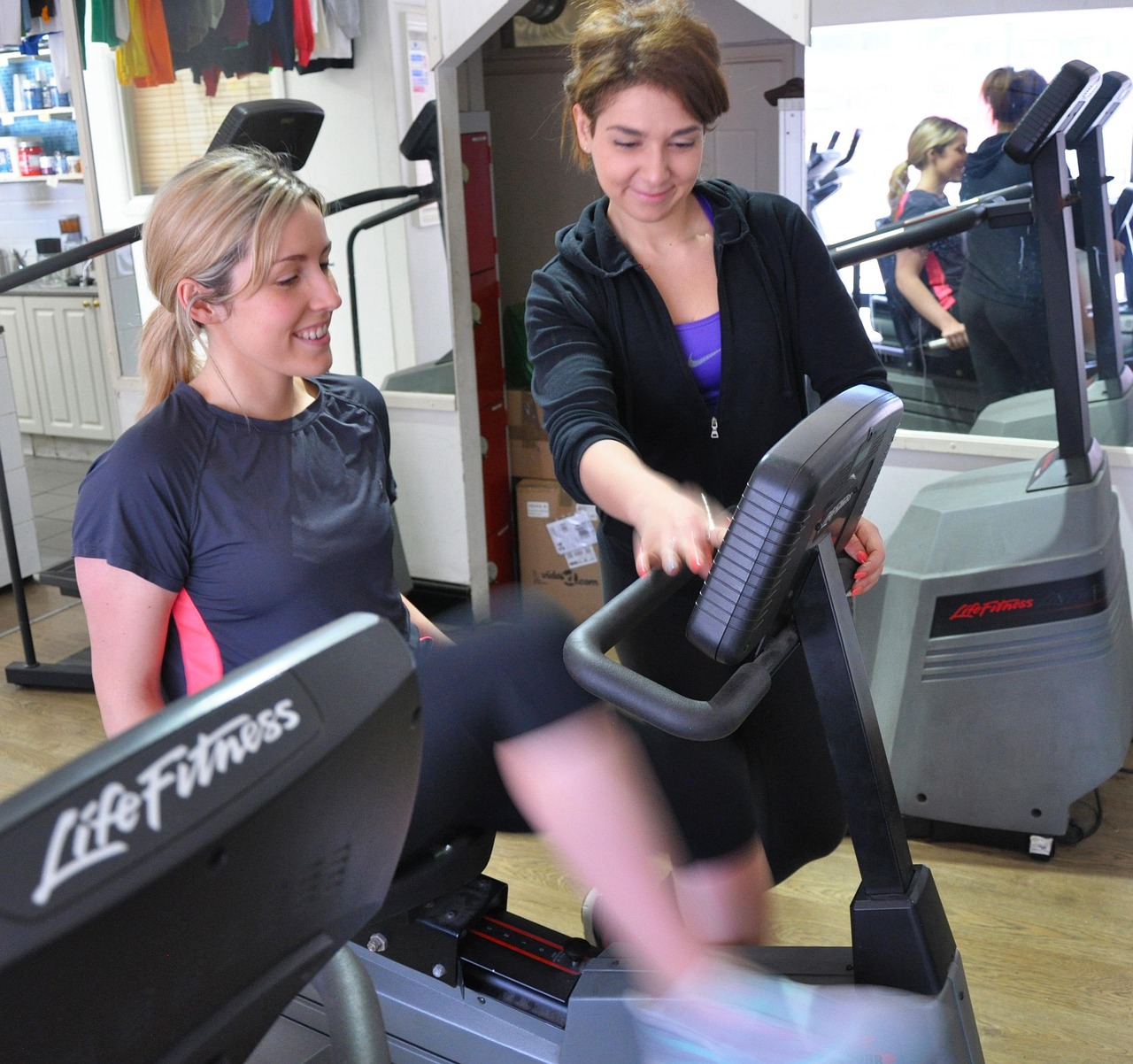
A good coach helps turn broad advice into one clear next step. “Eat better” may become adding one fruit to lunch four days this week, and “move more” may become two 10-minute walks after dinner. It is not exciting on paper, but it is easier to do. These small actions work because they make change feel less heavy.
Accountability Without Shame
Cleveland Clinic’s medically reviewed 2024 guidance says health coaches often use regular check-ins by phone, email, virtual meetings, or in-person visits. That check-in should not feel like someone is scolding you. It is a simple review point where you look at what worked, what got in the way, and what needs to be adjusted next.
Why Are Daily Habits So Hard to Change?
Most people do not fail because they have no information. They struggle because normal life gets in the way. Work runs late, the grocery store is not close, and sleep gets cut short. A coaching plan has to deal with those facts, or it becomes another good-looking document that nobody uses.
National Health Data Shows the Gap
The Centers for Disease Control and Prevention reported in May 2026 that three in four American adults have at least one chronic condition, and over half have two or more. The same CDC page connects preventable chronic disease risk with a short list of behaviors, including poor nutrition, physical inactivity, smoking, and excessive alcohol use. This gives daily routines more weight, because small habits can add up over time.
Barriers Are Often Practical
CDC nutrition guidance notes that in 2019 only about 1 in 10 U.S. adults met fruit and vegetable intake recommendations. It also points out that some lower-income, rural, urban, and tribal communities have limited access to affordable, convenient healthier food. A coach who does not ask about cost, commute time, family meals, or food access is missing an important part of the job.
Big Plans Break Faster
The World Health Organization reported in June 2024 that 31% of adults worldwide, about 1.8 billion people, did not meet recommended physical activity levels in 2022. That number should not be read as a simple blame story. It shows that modern schedules can easily take over unless the plan is small enough to survive a rough week, bad weather, or a messy kitchen.
How Does Health Coaching Turn Advice Into Action?
Advice tells you what may help. Coaching helps you decide what you will actually do next. That may sound like a small difference, but it changes how a health plan feels in daily use. You move from a loose intention to a routine you can test.
Clear Baselines Before New Goals
Before setting goals, a coach may ask what your current week looks like: meals, snacks, sleep time, step count, caffeine, stress, and shopping habits. This is not meant to judge you. It gives you a baseline, so progress can be measured against your real starting point. If you usually drink three sugary beverages a day, moving to one or two can still be meaningful progress.
One Habit at a Time
Coaching tends to work better when you stop trying to rebuild your whole life at once. One week may focus on breakfast protein, while another may focus on a 9:30 p.m. phone cutoff. For daily consumer goods, this can mean choosing a lower-sugar drink, keeping nuts at work, or placing a water bottle where you will see it. The change is small, but it has a better chance of staying in the routine.
Simple Tracking That Shows Progress
Tracking does not need to be complicated. You can mark a calendar, use a notes app, or rate your energy from 1 to 5. If your clinician has asked you to monitor blood pressure, glucose, or weight, a coach can help you keep the habit steady. Your healthcare provider still handles medical decisions, because the roles are different.
Can Health Coaching Support Better Nutrition, Movement, and Sleep?
Health coaching is often useful because nutrition, movement, and sleep affect each other. Poor sleep can make snack cravings stronger. Low movement can affect mood, and skipped meals can lead to late-night eating. A coach helps you choose the first domino instead of trying to push everything at once.
Food Choices in Normal Routines
CDC food service guidance says healthy eating patterns emphasize fruits, vegetables, whole grains, low-fat or fat-free dairy, and lean protein, while limiting added sugar, saturated fat, and sodium. It also notes that federal dietary guidance recommends added sugars stay below 10% of total daily calories. In a normal week, that may mean reading beverage labels, choosing a smaller sweet snack, or adding a ready-to-eat vegetable to dinner. These are plain changes, but they fit into real shopping and meal habits.
Movement That Starts Small
WHO recommends that adults get 150 minutes of moderate-intensity activity, or 75 minutes of vigorous activity, each week. A coach can help split that into parts that fit the day: a walk after lunch, stretching during a TV show, stairs once a day, or a weekend family activity. Not everyone wants a gym plan. That is fine, as long as the movement plan is something you will actually do.
Sleep Cues That Protect Energy
A 2026 National Center for Health Statistics report using 2024 survey data found that 30.5% of U.S. adults slept less than 7 hours on average in a 24-hour period. Sleep habits often start with simple cues that are not fancy but can help: a steady wake time, dimmer lights, less late caffeine, and fewer “just one more video” nights. A coach can help you choose one cue first, then see whether it changes your energy during the day. See also: baby&kids.
How Do You Choose a Good Health Coach?
Not every person using the title has the same training. That matters because a coach may influence food, exercise, stress, and other health-related choices. You want someone who respects evidence, stays within scope, and sends you back to a licensed healthcare professional when the issue needs medical care.
Training, Credentials, and Scope
Cleveland Clinic noted in 2024 that the United States does not have government rules controlling who can call themselves a health coach. Look for credible training, board certification such as NBC-HWC when relevant, and clear boundaries. A coach should explain what they do, what they do not do, and how they handle privacy. If those answers are unclear, it is worth slowing down before you pay.
Questions to Ask Before You Start
Ask direct questions before paying for a package. These questions help you understand the coach’s training, process, and limits before you commit.
- What training and certifications do you have?
- Do you use evidence-based coaching methods?
- How do sessions work, and how often do you check in?
- What happens if a health issue needs medical care?
- Can you describe a typical 30-day goal process?
Red Flags That Should Slow You Down
Be careful with anyone who promises a cure, sells supplements as the main solution, shames your body, or tells you to ignore medical advice. Those are not small warning signs. There is no reliable public data proving that every coaching program gives the same result, so the coach’s training, ethics, and process matter a lot.
How Can You Get the Most from Health Coaching?
The best results usually come when you bring real details, not polished answers. A coach can do more with “dinner is usually takeout at 8:45” than with “nutrition needs work.” Clear details are more useful than perfect words. They show where the plan has to fit.
Bring Honest Daily Details
Share your work hours, commute, food budget, sleep pattern, family duties, and favorite snacks. Small details can change the whole plan. If you hate plain yogurt, no solid plan should depend on plain yogurt. It sounds basic, but many people still accept plans they dislike.
Set a 30-Day Starter Goal
Choose one measurable goal for 30 days. Examples include preparing breakfast at home three times a week, walking 10 minutes after lunch on workdays, replacing one sugary drink with water four days a week, or setting a phone-free bedtime alarm. A short goal gives you feedback quickly. It also shows whether the plan fits your normal week.
Review What Changed, Not Just Results
At the end of 30 days, look at behavior first. Did the habit happen more often, and what made it easier? What blocked it, and what should change next? Weight, lab numbers, or blood pressure may move slowly, and medical metrics belong in conversation with your clinician. Behavior is the part you can practice today.
FAQ
Q1: Is Health Coaching the Same as Therapy? A: No. Therapy treats mental health concerns with a licensed professional. Health coaching focuses on behavior change, daily habits, goals, and accountability. If serious anxiety, depression, trauma, or disordered eating is present, a licensed clinician is the right next step.
Q2: Can Health Coaching Replace a Doctor? A: No. A health coach does not diagnose disease, prescribe medication, or change treatment plans. Coaching can support the daily actions that help you follow medical guidance, such as meal planning, activity routines, sleep habits, and check-in systems.
Q3: How Long Does Health Coaching Take to Work? A: Many programs use at least three months of regular check-ins, according to Cleveland Clinic’s 2024 guidance. You may notice small behavior changes sooner, but lasting habits usually need repetition, review, and a few adjustments.
Q4: Is Online Health Coaching Effective? A: It can be helpful when the coach is trained, the process is clear, and you stay engaged. Virtual sessions may fit busy schedules better than in-person visits. The key is not the screen; it is the quality of the plan and follow-up.
Q5: What Is the Best First Goal for Health Coaching? A: The best first goal is small, clear, and tied to your real routine. Good options include a daily water target, a simple breakfast habit, a walking plan, or a bedtime cue. Start where success feels possible, then build from there.