

Decor essentials for a comfortable, functional home
What counts as a decor essential?
Decor essentials are the home items that make a room feel complete while improving daily comfort, order, and usability. They are not just decorative extras. A practical set usually includes layered lighting, washable textiles, storage that keeps clutter under control, wall pieces that create a focal point, mirrors, rugs, plants or greenery, and small finishing items such as trays or bowls.
For shoppers comparing everyday home goods, the best starting point is not a trend list. It is a room-by-room check of how the space is used: where people sit, walk, store, read, relax, host, and clean. For more practical home basics, see the Household Essentials section.
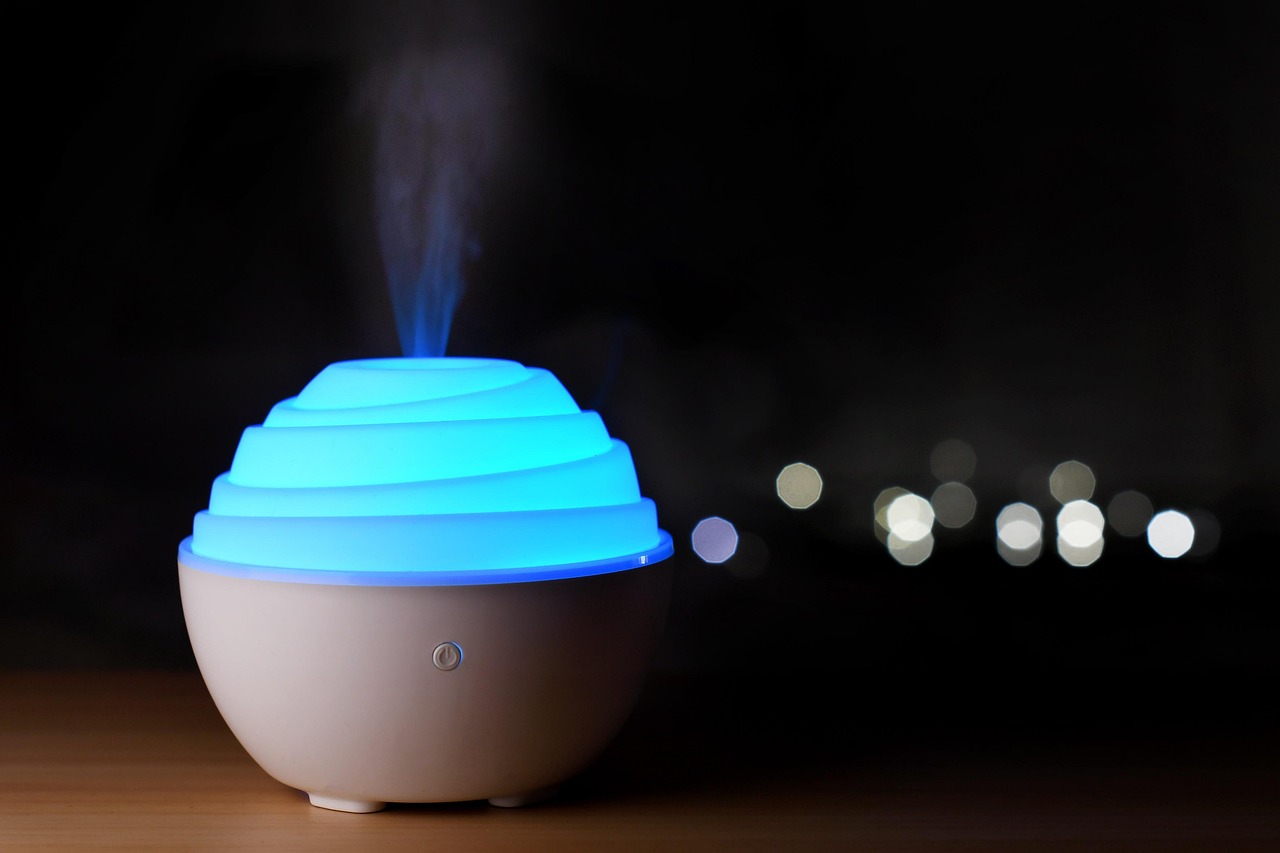
The core categories that do the most work
A room can still feel unfinished even when it has the right furniture. Furniture alone rarely solves lighting, texture, acoustics, clutter, and visual balance. The categories below usually create the biggest improvement before a household spends on seasonal pieces or purely ornamental items.
Lighting layers
Lighting is one of the most useful decor decisions because it affects both function and mood. A single ceiling fixture can make a room feel flat, especially at night. Most rooms work better with three layers: general ambient light, task light for reading or cooking, and accent light for shelves, artwork, or darker corners. A living room might use a ceiling fixture, a floor lamp beside a sofa, and a small table lamp on a console. A bedroom might combine overhead lighting, bedside lamps, and a soft accent lamp.
For a fast, budget-conscious improvement, start with bulbs and lamp placement before replacing fixtures. Warm white bulbs are usually more relaxing in bedrooms and living rooms, while brighter task lighting is useful in kitchens, bathrooms, laundry spaces, and desks. Dimmers, plug-in lamps, and rechargeable accent lights can be especially helpful for renters or small homes where electrical changes are not practical.
Textiles for comfort, sound, and color
Textiles are often the easiest way to make a room feel lived in. Curtains soften windows, rugs define zones, cushions add support, throws add warmth, and bedding sets the tone of a bedroom. They also help absorb sound, which matters in rooms with hard floors, large windows, or minimal furniture.
The practical rule is to choose textiles for the way the room is used. Washable covers make sense in homes with children or pets. Moisture-friendly mats are better for bathrooms. Durable rugs are more suitable for entryways and dining areas, where dirt and spills are more likely.
Color can be introduced through textiles without committing to a painted wall or a large furniture purchase. A neutral sofa, for example, can shift from calm to lively with pillows, a throw, and an area rug. This makes textiles a useful category for households that want to refresh a room seasonally without replacing major pieces.
Storage that looks intentional
Good storage becomes part of the decor when it is visible, easy to use, and consistent with the room. Baskets, lidded bins, trays, wall hooks, drawer organizers, and open shelving can keep everyday objects from turning into visual clutter. The goal is not to hide everything. It is to give routine items a clear place. A tray on a coffee table can hold remotes and coasters. A basket near the sofa can hold blankets. A bowl at the entry can collect keys without making the surface look messy.
Storage essentials should match household habits. If people drop bags near the door, hooks and a bench may work better than a closed closet. If toiletries crowd the bathroom counter, a lidded container or wall shelf may solve the problem better than another decorative object.
A room-by-room decor essentials checklist
The most useful decor plan starts with the room, not the product. The table below organizes decor essentials by daily function so shoppers can prioritize what each space actually needs.
| Room or zone | First decor essentials to consider | Why they matter | Common mistake to avoid |
|---|---|---|---|
| Entryway | Doormat, hooks, mirror, shoe tray, small bowl or tray | Controls dirt, clutter, and last-minute checks before leaving | Choosing decorative pieces without a place for keys, shoes, and bags |
| Living room | Area rug, layered lamps, cushions, throw, side table, storage basket | Creates comfort, defines the seating area, and supports daily use | Buying wall art before solving lighting and seating comfort |
| Kitchen and dining | Task lighting, washable runner, placemats, fruit bowl, wall clock, simple centerpiece | Adds warmth while keeping the space practical and easy to clean | Using delicate decor where grease, moisture, or food spills are frequent |
| Bedroom | Bedding layers, bedside lamps, rug, curtains, laundry basket, calming wall piece | Improves rest, convenience, and visual calm | Overdecorating surfaces that need to stay clear for sleep routines |
| Bathroom | Bath mat, towel set, storage tray, wall shelf, plant suited to humidity | Makes a small utility room feel clean, organized, and finished | Choosing absorbent decor that stays damp or is hard to wash |
| Work corner | Desk lamp, cable management, pinboard or wall organizer, small plant | Supports focus and reduces visual distraction | Decorating the desk before managing cords, paper, and task lighting |
How to choose decor essentials without overbuying
Decor shopping becomes expensive when items are bought one at a time without a plan. A room can end up with too many colors, competing finishes, and objects that look good individually but do not work together. A simple buying framework helps prevent that.
- Start with the problem. Decide whether the room feels too dark, too empty, too cluttered, too cold, or too unfinished.
- Set a base palette. Choose two or three main colors, then use small accents for contrast. This keeps affordable items from looking random.
- Repeat materials. Repeating wood, metal, ceramic, glass, linen, or woven textures helps separate pieces feel intentional.
- Check scale before buying. Rugs, lamps, mirrors, and wall art often fail because they are too small for the furniture around them.
- Buy the useful layer first. If a room needs light, storage, or washable textiles, solve that before adding decorative objects.
A useful test before purchasing any decor item is simple: does it improve comfort, organization, or visual balance? If it does none of these, it may still be attractive, but it is not essential.
Safety, air quality, and maintenance details
Decor is part of the household environment, so safety and maintenance should influence buying decisions. Public guidance from organizations such as the U.S. Environmental Protection Agency, the U.S. Consumer Product Safety Commission, and the National Fire Protection Association is especially relevant for products such as furnishings, candles, lighting, and storage units.
- Air out new items when practical. The EPA identifies paints, varnishes, waxes, cleaning products, building materials, and furnishings as possible sources of volatile organic compounds. For decor buyers, this supports choosing low-odor products when available, ventilating rooms during and after installation, and avoiding unnecessary fragrance overload.
- Anchor tall or climbable furniture. The CPSC has long advised households to anchor furniture with drawers, doors, or shelves, especially in homes with children. Decorative storage should not create a tip-over hazard.
- Treat candles as supervised decor. NFPA candle safety guidance warns against placing open flames near curtains, bedding, paper, greenery, or other combustible materials. Battery-powered candles can provide a similar visual effect with less fire risk.
- Keep cords and bulbs appropriate. Lamps should use bulbs within the fixture rating, and cords should not be pinched under rugs or furniture. This is a functional detail, but it also keeps a clean decor setup safer.
- Choose washable surfaces where mess is likely. Entry rugs, bathroom mats, kitchen runners, cushion covers, and throws should be easy to clean if they are used daily.
These details do not make a room less stylish. They make the style easier to live with. A home that looks finished but is hard to clean, poorly lit, or filled with unstable storage will not feel comfortable for long. See also: baby&kids.
Decor essentials for small spaces and rentals
Small homes and rental spaces benefit from decor that is flexible, lightweight, and reversible. The most useful pieces often do more than one job: an ottoman with storage, a mirror that reflects light, a slim floor lamp that brightens a dark corner, nesting tables, stackable baskets, or a rolling cart that can move between rooms.
For renters, non-permanent updates can still have a strong effect. Tension rods, removable hooks used according to package instructions, freestanding shelves, plug-in sconces, peel-and-stick cable channels, washable rugs, and framed prints can add structure without major installation. The key is to avoid filling every wall and surface. In small rooms, negative space is also a design tool because it gives the eye somewhere to rest.
Mirrors are especially useful in compact spaces, but placement matters. A mirror across from a window can increase the feeling of brightness, while a mirror reflecting clutter can make a room feel busier. The same principle applies to open shelving: it works best when the items on display are edited, repeated, and easy to keep tidy.
When trends are worth using
Trends can be useful when they help a room feel current, but they should usually be applied to low-commitment layers. Cushions, table linens, small lamps, vases, removable art, and seasonal greenery are safer trend vehicles than large sofas, flooring, or built-in storage. This matters for household budgets because decorative tastes often change faster than core furniture needs.
A balanced room often mixes long-lasting basics with a few timely accents. For example, a neutral rug, good lighting, and well-sized curtains can stay in place for years, while pillow covers, tabletop decor, or framed prints can change with the seasons. The result is a home that feels updated without constant replacement.
Texture is also a more durable choice than a highly specific pattern. Woven baskets, linen-look curtains, ceramic bowls, wood trays, matte metal lamps, and soft rugs tend to blend with many styles. They add depth without locking the room into one short-lived look.
Frequently asked questions
What are the first decor essentials to buy for a new home?
Start with items that support daily living: window coverings, lamps, rugs, bedding, towels, entryway storage, and basic wall pieces. Once those are in place, add cushions, throws, trays, plants, and decorative objects that match the room’s color palette and routine.
How many colors should one room use?
Most rooms are easier to decorate with two or three main colors plus one or two smaller accents. The goal is not a strict formula, but visual repetition. If a color appears in a rug, cushion, artwork, or vase, the room usually feels more connected.
Are candles decor essentials?
Candles can add warmth, scent, and atmosphere, but they are not essential for every home. If used, they should be placed away from flammable decor and never left unattended. Flame-free candles are a practical alternative for households that want the look without an open flame.
How can renters decorate without permanent changes?
Renters can focus on portable layers: plug-in lamps, rugs, curtains on tension rods where suitable, freestanding shelves, mirrors, framed prints, storage baskets, and removable hooks used correctly. These items can transform a room while staying easy to move.
How often should decor essentials be replaced?
Replace decor when it no longer functions, is difficult to clean, creates safety concerns, or no longer fits the room. Durable basics such as lamps, mirrors, storage baskets, and neutral rugs can last for years, while textiles and small accents may change more often because of wear, washing, or seasonal style updates.