
How to choose a household essentials storage bin for every room
What a household essentials storage bin should solve first
A household essentials storage bin should do more than make a shelf look tidy. The right bin keeps fast-moving items visible, separates products that should not sit together, protects supplies from dust or moisture, and makes restocking easier. The practical question is not which container looks neat in isolation, but which one fits the job: pantry packets, laundry refills, bathroom backups, cleaning products, paper goods, seasonal items, or entryway supplies. A good choice balances size, durability, access, safety, and long-term reuse value.
This guide focuses on practical selection rather than brand ranking. It uses publicly available guidance from organizations such as the U.S. Environmental Protection Agency, ASTM resin identification references, UL low-emission certification materials, and U.S. consumer safety discussions as background. For more home supply coverage, see the Household Essentials section.
Start with the product category, not the container
The most common mistake is buying matching bins before deciding what will go inside them. Household essentials move at different speeds. Toilet paper, detergent, dish tablets, snacks, batteries, first-aid refills, pet supplies, and seasonal cleaning tools do not need the same container design. A bin for weekly-use items should be easy to pull out and return. A bin for bulk storage can be deeper and less decorative, but it still needs a clear label and a predictable location.
Before choosing a bin, sort items into three groups: daily access, backup stock, and long-term storage. Daily-access bins should be shallow enough for users to see the contents. Backup stock can use lidded or stackable bins if the label is visible. Long-term storage should be protected from dust and moisture, but it should not become a hiding place for expired products, duplicates, or items that no longer fit the household routine.
| Room or area | Common household essentials | Better bin features | What to avoid |
|---|---|---|---|
| Kitchen and pantry | Packets, snacks, wraps, spare sponges, dish tablets | Clear sides, washable surface, shallow depth | Deep opaque bins that hide older food |
| Laundry area | Detergent pods, dryer sheets, stain removers, cloths | Moisture-resistant material, handles, stable base | Open bins near children or pets when contents are hazardous |
| Bathroom | Soap refills, paper goods, grooming backups | Ventilated or easy-clean plastic, compact footprint | Untreated fabric bins in damp spaces |
| Cleaning closet | Sprays, gloves, wipes, brushes, replacement heads | Tall sides, chemical-resistant surface, clear labels | Mixing unrelated chemicals in one crowded bin |
| Entryway | Masks, umbrellas, shoe care, pet leashes, reusable bags | Open-top access, durable handles, attractive finish | Bins so deep that small items disappear |
Compare materials by visibility, durability, and reuse value
Material choice affects how the bin performs in daily use. Clear plastic is popular because it lets people check inventory at a glance. Opaque plastic can look calmer on open shelves and helps hide mismatched packaging. Woven, fabric, metal, and wood-look bins can work well in visible living areas, but they are not always suitable for damp, spill-prone, or chemical-storage spaces.
For many household essentials, polypropylene or high-density polyethylene bins are common because they are lightweight, washable, and relatively durable. Resin identification codes can help identify the type of plastic used, but they should not be treated as a guarantee that the item will be accepted in local curbside recycling. ASTM D7611 is associated with resin identification, while actual recyclability depends on local collection rules, product shape, color, contamination, and market demand.
- Clear plastic: useful for pantry, bathroom, and backup stock because contents are visible without opening the bin.
- Opaque plastic: better for visual calm in closets, open shelves, and multipurpose rooms.
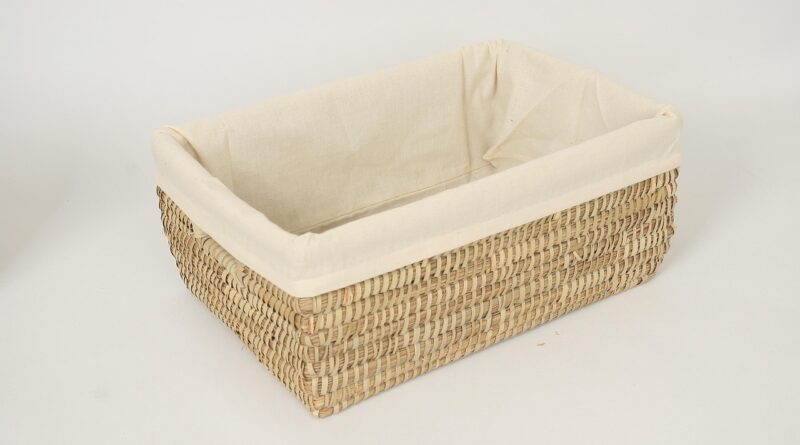
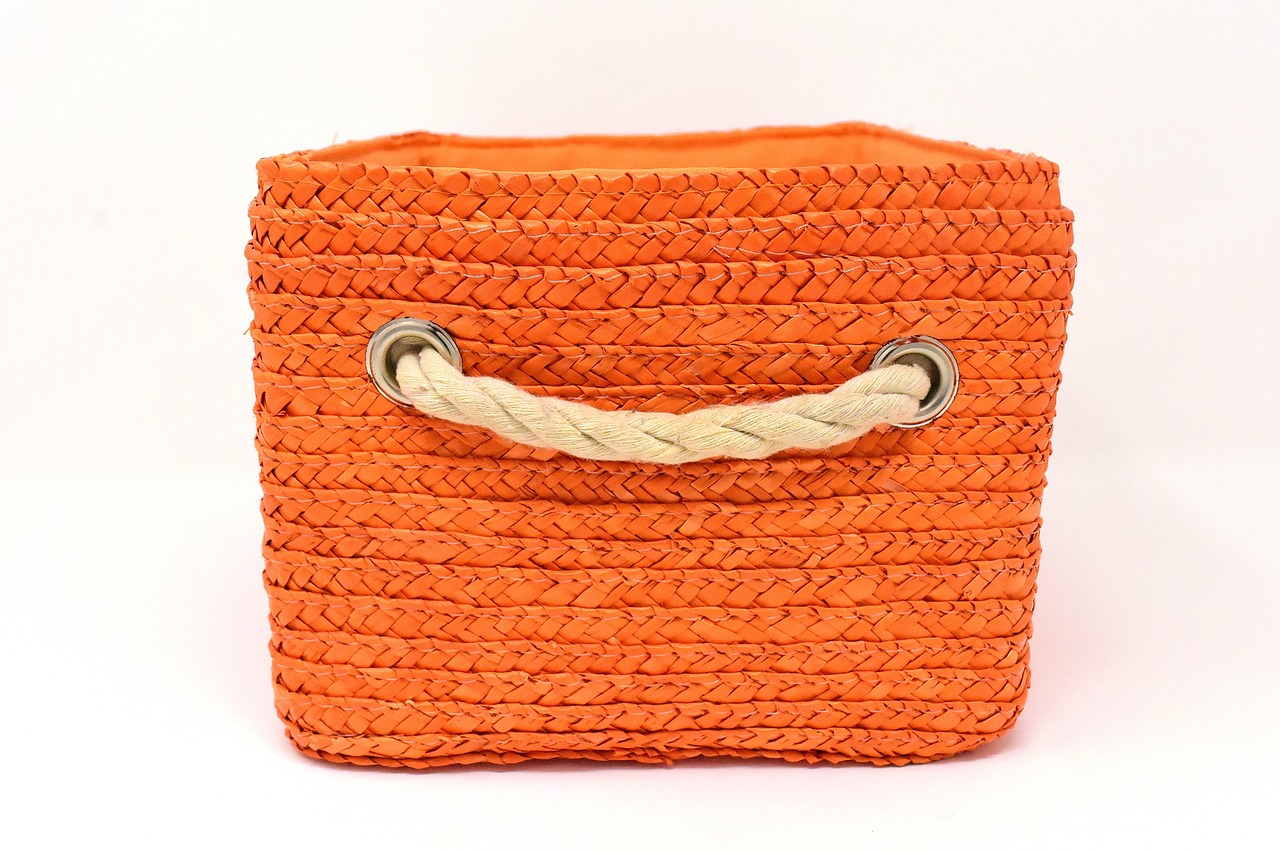
- Fabric bins: suitable for dry, lightweight items such as paper goods, textiles, or guest supplies; less suitable for liquids or damp rooms.
- Wire or metal bins: provide airflow and visibility, but small packets can slip through unless the base is lined.
- Wood or bamboo-look bins: attractive for public areas, but the surface should be able to handle spills or frequent cleaning.
From a sustainability perspective, the U.S. EPA waste hierarchy places source reduction and reuse above recycling. That makes durability important. A bin that lasts for years, accepts replacement labels, and can move from pantry to closet to garage is usually more responsible than a fragile container bought for one short organizing project.
Size, lid, and stacking details matter more than matching sets
Matching bins photograph well, but sizing errors create daily friction. A household essentials storage bin should fit both the shelf and the hand that uses it. If the bin is too tall, users may not see what remains inside. If it is too wide, it can become heavy when filled. If it is too shallow for the product, packaging may fall out whenever the bin is moved.
Measure shelf depth, width, and vertical clearance before buying. Leave enough room for fingers to grip the bin or for a lid to open. In cabinets, a slightly shorter bin often works better than one that barely fits. In closets, bins with handles on the short side can slide out more easily. In pantries, a modular shape can reduce wasted shelf space, but the container still needs to match the real dimensions of household packaging.
When lids help
Lids are useful for dust protection, stackability, seasonal storage, and bulk backup items. They are especially helpful for supplies stored under beds, in garages, or on high shelves. However, lids slow down access. For daily items such as hand soap refills, snack packets, microfiber cloths, or dishwasher tablets, an open bin or front-cut bin may be easier to maintain.
When stacking creates risk
Stacking saves space only when the lower bins can handle the load and the upper bins can be accessed safely. Heavy liquids, large detergent bottles, and bulk paper goods should not be stored high enough to fall onto someone. If children are in the home, storage should also account for climbing behavior. U.S. consumer safety guidance on storage furniture focuses heavily on tip-over hazards; loose bins are not the same as dressers, but the practical lesson is similar: heavy items should stay low, and storage should not invite climbing.
Safety and indoor conditions should guide placement
Storage bins often bring together products that were bought at different times and for different purposes. That makes labeling and separation important. Cleaning chemicals, laundry pods, batteries, medicines, and sharp tools should not be treated like ordinary pantry items. Keep original labels visible whenever possible, and avoid decanting chemicals into unmarked containers. If a child-resistant package is designed to reduce access, moving the contents into an easier-open container can create unnecessary risk.
Indoor conditions also matter. Bathroom cabinets can be humid. Laundry areas may see spills. Garages can experience temperature swings. A fabric bin that works well for towels may be a poor choice for liquid refills. A lidded plastic tote that works in a closet may trap moisture if wet items are placed inside. For enclosed spaces, some buyers may look for low-emission certifications such as UL GREENGUARD on furnishings and storage products, especially in nurseries, bedrooms, or small apartments. Certification is not required for every bin, but it can be a useful signal when indoor air quality is a priority. See also: baby&kids.
For food-contact or pantry-adjacent storage, use bins that can be cleaned easily and avoid placing leaking household cleaners near edible items. The container does not have to be complicated; it needs to support safe separation, clear identification, and routine cleaning.
Labeling and rotation turn bins into a system
A storage bin is only useful if people know what belongs in it. Labels reduce duplicate buying and make it easier to return items to the same place. The label does not need to be decorative. It should be specific enough to guide behavior: dish backups, cold medicine, travel toiletries, batteries and bulbs, pet grooming, or laundry refills. Broad labels such as miscellaneous usually become clutter magnets.
Rotation is especially important for consumables. Put newer items behind older ones where possible. For products with expiration dates, such as some medicines, personal care goods, and pantry items, check dates during each restock. For items without a clear expiration date, use purchase date stickers if they are rarely used. This habit helps households avoid overbuying and supports the EPA principle of reducing waste before recycling becomes necessary.
- Use one bin per category: mixing unrelated goods makes inventory harder.
- Keep labels visible from the normal viewing angle: front labels work on shelves; top labels work in drawers or deep totes.
- Build in a restock line: when the bin reaches a low point, add the item to the shopping list.
- Review quarterly: remove expired, damaged, or unused items before buying more storage.
- Choose removable labels: household routines change, and reusable bins should adapt.
A practical buying checklist
Before adding a household essentials storage bin to a cart, check whether it solves a specific storage problem. The most useful bin is rarely the most decorative one. It is the one that fits the product, shelf, user, and cleaning routine.
- Define the category: decide exactly what will live in the bin before choosing size or style.
- Measure the space: include shelf depth, height clearance, handle space, and door swing.
- Check access frequency: daily-use items usually need open or easy-pull bins; seasonal items can use lids.
- Match material to conditions: choose washable plastic for damp or spill-prone spaces and breathable options only where moisture is low.
- Plan for weight: avoid oversized bins for liquids, canned goods, or heavy cleaning products.
- Confirm stability: wide bases and low placement are safer for heavy supplies.
- Think about visibility: clear bins reduce guessing; opaque bins reduce visual noise.
- Choose reusable labeling: clip-on tags, label holders, or removable labels extend the bin’s life.
- Consider end-of-life options: resin codes identify material, but local recycling rules determine acceptance.
For retailers and category managers in household essentials, these same criteria explain why storage bins remain a steady companion category. Consumers often buy bins when they buy refills, seasonal cleaning supplies, back-to-school goods, moving supplies, or bulk household packs. Clear use-case language on shelves and product pages can be more helpful than vague organizing claims.
Frequently asked questions
What size household essentials storage bin works for most homes?
There is no single universal size, but medium bins that can be lifted with one hand when full are often more practical than oversized totes. For pantry and bathroom shelves, shallow bins usually work better than deep containers because they keep products visible and reduce forgotten stock.
Are clear storage bins better than opaque bins?
Clear bins are better when inventory visibility matters, such as in pantries, cleaning closets, and bathroom backup storage. Opaque bins are better when the bin is visible in living spaces and the goal is a calmer appearance. Many homes benefit from using both types in different rooms.
Should cleaning products be stored in a bin?
Yes, a bin can help contain small spills and keep cleaning products grouped, but the contents should remain clearly labeled and out of reach of children or pets. Do not mix products in unmarked containers, and keep incompatible items separated according to their original labels.
Do recycling symbols mean a plastic bin is recyclable?
Not always. Resin identification codes describe the type of plastic, but local recycling acceptance depends on municipal rules, sorting equipment, product shape, contamination, and market demand. If end-of-life disposal matters, check local guidance before buying.
How often should storage bins be reviewed?
High-use bins should be reviewed whenever the household restocks. Backup and seasonal bins can be checked every few months. Regular review prevents overbuying, removes expired items, and keeps the storage system aligned with real household habits.