Are Basic House Cleaning Supplies Enough for a Non Toxic Home Transformation
The Non-Toxic Cleaning Products That Finally Won Me Over
Creating a non-toxic home is less about trend and more about science. The shift from conventional cleaners to non-toxic ones isn’t just a lifestyle choice; it’s a measurable improvement in air quality, health outcomes, and environmental safety. Professionals now recognize that basic house cleaning supplies can be both effective and safe when formulated with biodegradable ingredients and without volatile compounds. The best non-toxic products deliver the same shine and sanitation as traditional agents but without leaving behind harmful residues or fumes.
Understanding the Concept of a Non-Toxic Home
The idea of a non-toxic home extends beyond simply avoiding chemicals. It involves evaluating every product through its health, environmental, and performance impact.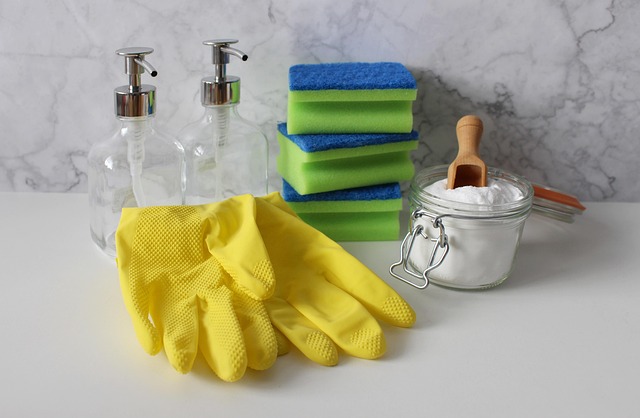
Defining What “Non-Toxic” Truly Means in the Cleaning Context
In cleaning science, “non-toxic” refers to formulations proven not to cause acute or chronic harm under normal use. This differs from “eco-friendly,” which focuses on environmental degradation potential, and “natural,” which merely indicates ingredient origin. Many assume chemical-free means harmless, but even natural substances like essential oils can irritate skin or lungs when misused. Regulatory certifications such as EPA Safer Choice or EU Ecolabel verify that a cleaner meets toxicity thresholds through standardized testing rather than marketing claims.
The Health and Environmental Implications of Toxic Cleaners
Volatile organic compounds (VOCs) evaporate easily at room temperature, polluting indoor air and contributing to respiratory issues. Studies link chronic exposure to household cleaners with asthma, dermatitis, and hormone disruption among frequent users. Beyond personal health, synthetic surfactants persist in waterways where they bioaccumulate in aquatic organisms, disrupting ecosystems long after disposal.
Evaluating Basic House Cleaning Supplies in a Non-Toxic Framework
Transitioning toward safer cleaning starts by analyzing what’s already in most cleaning kits and how those substances behave chemically.
The Core Components of Traditional Cleaning Kits
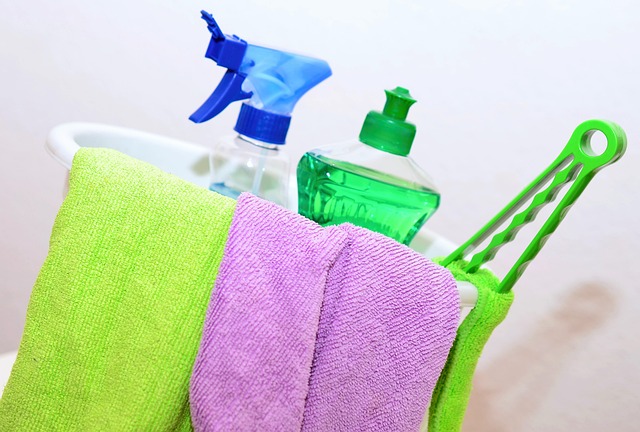
A standard set of basic house cleaning supplies includes all-purpose cleaner, disinfectant spray, glass cleaner, degreaser, and bleach-based sanitizer. These often contain ammonia, chlorine compounds, glycol ethers, or quaternary ammonium salts—each effective yet potentially irritating to lungs or skin. In sensitive environments such as childcare centers or healthcare facilities, these chemicals pose higher risk due to prolonged exposure.
Assessing Their Efficacy Against Non-Toxic Alternatives
Modern non-toxic cleaners now match traditional formulations for performance on stainless steel, tile, and laminate surfaces. Tests show plant-derived surfactants remove grease effectively without leaving sticky residues that attract dust. Because biodegradable agents rinse cleanly, they reduce buildup over repeated use cycles while maintaining cost efficiency through concentrated formats.
Transitioning Toward Non-Toxic Cleaning Practices
Moving away from harsh chemicals doesn’t require sacrificing hygiene standards; it requires smarter substitutions grounded in chemistry.
Identifying Safer Substitutes for Common Household Chemicals
Replacing Harsh Disinfectants
Hydrogen peroxide at 3% concentration provides broad-spectrum antimicrobial action without producing toxic byproducts like chloramines. Alcohol-based solutions containing ethanol or isopropanol above 60% remain effective sanitizers when free from synthetic fragrances or dyes that can trigger sensitivities.
Alternatives to Ammonia and Chlorine-Based Products
Acidic blends using vinegar dissolve mineral deposits efficiently on bathroom fixtures while remaining surface-safe when diluted properly. For greasy kitchen zones, coconut- or corn-derived surfactants lift oils through micelle formation instead of solvent dissolution—a gentler yet equally powerful mechanism.
The Role of DIY Formulations in a Professional Cleaning Strategy
Homemade solutions appeal for transparency but require professional understanding of ratios and pH balance. A too-acidic mix can etch marble; too much alkaline soda leaves film on glass. Ingredient sourcing also matters—food-grade citric acid ensures purity while extending shelf life when stored airtight away from sunlight.
The Science Behind Non-Toxic Cleaning Agents
The effectiveness of non-toxic products rests on well-understood molecular interactions rather than marketing slogans.
Understanding the Chemistry of Natural Surfactants and Solvents
Plant-based surfactants like alkyl polyglucosides work by surrounding dirt particles with hydrophilic shells that suspend them in water for easy rinsing. Ethanol acts as both solvent and drying agent on glass surfaces; citric acid chelates minerals preventing streaks; essential oil derivatives contribute mild antimicrobial properties alongside fragrance.
Microbial Control Without Synthetic Biocides
Natural acids such as lactic or acetic acid penetrate microbial membranes by lowering internal pH beyond survival range. When combined with botanical extracts—like thymol from thyme oil—the antimicrobial effect becomes synergistic, offering reliable disinfection without resistance buildup observed in quaternary ammonium compounds.
Integrating Non-Toxic Supplies Into Professional Cleaning Protocols
For facility managers or contract cleaners, adopting safer products requires structured planning rather than ad-hoc substitution.
Designing an Effective Non-Toxic Supply Kit for Experts
Essential Product Categories to Include
A professional-grade kit should include a multi-surface cleaner based on biodegradable surfactants suitable for sealed wood or stone; an alcohol- or vinegar-based glass cleaner delivering streak-free transparency; and floor care formulations using neutral pH agents to protect coatings while removing soil effectively.
Tools That Complement Non-Toxic Formulations
Microfiber cloths physically trap dust through static attraction reducing chemical dependence. Steam cleaners provide thermal sanitization reaching 100°C—enough to eliminate bacteria without additives—ideal for kitchens and restrooms requiring high hygiene standards.
Quality Assurance and Performance Testing in Professional Settings
Cleaning efficacy must be quantifiable even without harsh chemicals. ATP bioluminescence tests measure organic residue levels post-cleaning while surface compatibility trials confirm no discoloration or corrosion occurs over time. Documentation aligned with eco-certification protocols ensures accountability across operations.
Long-Term Benefits of Adopting Non-Toxic Cleaning Systems
Beyond immediate cleanliness lies measurable impact on human health and ecological sustainability.
Health Outcomes for Occupants and Professionals Alike
Workers exposed daily to conventional cleaners report fewer respiratory symptoms after switching to low-VOC alternatives. Residue-free cleaning also minimizes allergen accumulation on fabrics and vents improving indoor comfort especially for sensitive groups like children or seniors.
Sustainability and Lifecycle Impact Reduction
Biodegradable formulations break down within weeks instead of persisting for years as micro-pollutants. Transparent supply chains built around renewable raw materials foster traceability from source plant to finished product—an increasingly valued metric among institutional buyers seeking verified sustainability credentials.
FAQ
Q1: Are all “green” cleaning products automatically non-toxic?
A: No. Some eco-labeled items focus solely on environmental criteria but may still contain allergens or irritants not classified as toxic under regulation.
Q2: How do VOCs affect indoor spaces?
A: VOCs react with other airborne compounds forming ozone indoors which can aggravate asthma symptoms and reduce cognitive performance during prolonged exposure.
Q3: Can hydrogen peroxide replace bleach entirely?
A: For most household disinfection tasks yes—it kills common bacteria and viruses effectively though it may not remove heavy staining like chlorine bleach does.
Q4: What’s the main advantage of microfiber cloths?
A: They capture microscopic particles mechanically reducing need for detergents while extending lifespan of polished surfaces by avoiding abrasion.
Q5: Do DIY cleaners have shorter shelf lives?
A: Typically yes because natural acids lack preservatives; storing them sealed in cool conditions extends usability up to several months depending on formulation stability.