
What Makes the Best Basic Tool Set for Home Ideal for Complex Repairs
The 9 Best Tool Kits for All Your Home Repairs
A well-equipped home tool set is not just a convenience but a necessity for maintaining any living space. The best basic tool set for home repairs combines durability, precision, and ergonomic comfort, allowing homeowners to manage everything from tightening loose fixtures to assembling furniture or fixing minor plumbing issues. Modern kits integrate both hand and power tools, offering flexibility without requiring professional intervention. Selecting the right one depends on build quality, included components, and how well it matches the user’s skill level.
Understanding the Purpose of a Basic Tool Set for Home
A household toolkit serves as the foundation of self-sufficiency in property maintenance. It bridges the gap between DIY practicality and professional reliability, ensuring that small problems do not escalate into costly repairs.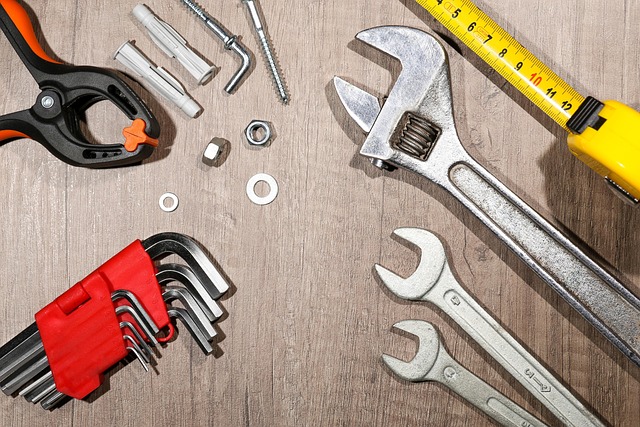
The Role of a Tool Set in Everyday Maintenance
A basic tool set provides essential instruments for routine home maintenance. It keeps homeowners ready for small adjustments such as tightening door hinges or replacing outlet covers without calling a technician. The long-term value lies in the quality and versatility of each piece—tools made from high-carbon steel or chrome vanadium last longer and maintain performance even under frequent use.
Why a Basic Tool Set Can Handle Complex Repairs
Modern sets are designed to tackle more than light tasks. Multi-functional tools like combination pliers or ratcheting screwdrivers allow users to handle intricate mechanical work with precision. Ergonomic grips reduce fatigue during prolonged sessions, while torque-calibrated wrenches make challenging jobs safer and more efficient.
Key Components That Define an Ideal Home Tool Set
A complete toolkit balances variety with practicality. Each component should serve multiple functions while maintaining reliability across different repair scenarios.
Essential Hand Tools Every Home Should Have
From fastening to measuring, hand tools form the backbone of every kit. They must be sturdy enough for frequent use yet comfortable enough for extended handling.
Screwdrivers and Fastening Tools
Screwdrivers are indispensable in any home kit. A variety of heads—flat, Phillips, Torx—ensures compatibility with most screws found in furniture or appliances. Magnetic tips help prevent dropped screws during overhead work, while contoured handles improve grip and control.
Pliers and Wrenches
Adjustable wrenches adapt to different bolt sizes, making them essential for plumbing or bicycle maintenance. Needle-nose pliers reach into tight spaces like electrical boxes or engine compartments where standard pliers cannot fit.
Hammers and Measuring Tools
Balanced hammers deliver accurate strikes with minimal vibration, crucial when working on wood framing or hanging wall art. A reliable tape measure paired with a bubble level ensures precise alignment during installations.
Power-Assisted Tools that Expand Functionality
Power tools extend what hand tools can achieve by adding speed and consistency—particularly useful when tackling repetitive or heavy-duty jobs.
Cordless Drills and Drivers
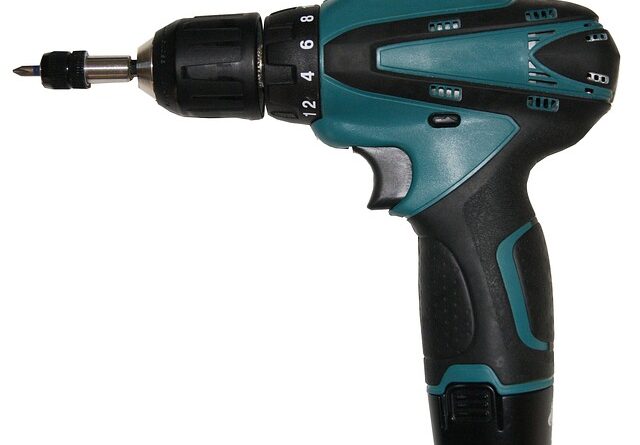
Cordless drills have become central to modern home repair kits. Variable speed settings let users drill through wood, metal, or drywall effortlessly. Rechargeable lithium-ion batteries provide mobility without being tethered to outlets.
Electric Screwdrivers and Rotary Tools
Compact electric screwdrivers simplify assembling furniture or electronics by maintaining consistent torque levels. Rotary tools add versatility through interchangeable bits suited for sanding, polishing, or cutting small materials.
Material Quality and Construction Standards
The longevity of a tool set depends largely on its material composition and manufacturing process. Professional-grade kits often meet ISO standards that guarantee tensile strength and corrosion resistance.
Durability Factors in Professional-Level Tool Sets
High-grade alloy steel resists rust even when stored in humid garages. Forged construction provides structural integrity under torque-intensive loads such as automotive bolts or pipe fittings.
Ergonomics and Safety Considerations
Comfort directly influences productivity. Non-slip rubberized grips minimize strain during repetitive motions, while insulated handles safeguard users working near live electrical systems—an essential compliance with IEC safety guidelines.
Organizational Design and Portability Features
An organized kit saves time during urgent repairs. Proper storage also extends tool life by preventing corrosion or accidental damage.
Importance of Storage Solutions in Tool Sets
Molded carrying cases keep every item securely positioned, reducing clutter after use. Clear labeling inside compartments helps identify missing pieces instantly—a small but valuable efficiency boost during complex projects.
Portability for On-Site or Multi-Room Use
Lightweight cases with reinforced handles make it easy to move between rooms or outdoor areas. Compact organization is especially beneficial for apartment dwellers who need full functionality within limited storage space.
Evaluating Performance Across Different Repair Scenarios
Tool performance varies depending on application context—from mechanical adjustments to electrical diagnostics—and understanding these nuances determines real-world effectiveness.
Mechanical Repairs Around the Home
Socket sets are vital when dealing with plumbing joints or assembling metal frames. Torque control prevents over-tightening delicate fittings like faucet connectors or chair bolts, reducing risk of damage.
Electrical and Electronic Maintenance Tasks
Precision screwdrivers enable safe manipulation of wiring terminals or circuit boards. Advanced kits may include voltage testers that help diagnose live circuits before repair—a critical safety measure recommended by IEEE standards.
Selecting the Right Tool Set Based on User Needs
No single toolkit fits everyone; suitability depends on skill level, frequency of use, and project complexity.
Matching Complexity Levels to Skill Proficiency
Entry-level kits focus on essentials such as screwdrivers, pliers, hammer, tape measure—ideal for general upkeep tasks like hanging shelves or fixing cabinet doors. Advanced users benefit from comprehensive sets including sockets, torque wrenches, drill bits designed for structural work.
Balancing Cost, Quality, and Long-Term Utility
Investing slightly more upfront pays off through reduced replacement costs over years of service life. Warranty coverage is another key factor—many premium brands offer lifetime guarantees against manufacturing defects.
Innovations Influencing Modern Home Tool Sets
Recent advances have transformed traditional tool design into smart systems that combine digital precision with eco-conscious production methods.
Integration of Smart Features in Contemporary Kits
Some high-end models now include digital torque indicators that display exact pressure applied during assembly tasks—useful when working on sensitive electronics or machinery components. Bluetooth-enabled trackers embedded in cases help locate misplaced tools quickly via smartphone apps.
Sustainable Manufacturing Practices in Tool Production
Manufacturers increasingly adopt recycled alloys and energy-efficient forging techniques to lower environmental impact while maintaining strength consistency comparable to virgin materials. These practices align with ISO 14001 environmental management standards widely recognized across industrial sectors.
FAQ
Q1: What makes the best basic tool set for home repairs?
A: The best sets combine durable materials like chrome vanadium steel with ergonomic grips and essential hand plus power tools suitable for general household fixes.
Q2: How many pieces should a standard home tool kit include?
A: A practical range is between 60–150 pieces covering major categories such as screwdrivers, pliers, sockets, measuring devices, and at least one cordless drill driver.
Q3: Are power tools necessary in every home kit?
A: Not always; however, cordless drills significantly expand capability beyond manual tasks by speeding up drilling and fastening operations across multiple materials.
Q4: How can users maintain their tool sets effectively?
A: Clean after each use, store in dry conditions within molded cases, occasionally lubricate moving joints like pliers pivots to prevent rust buildup.
Q5: Which certifications indicate professional-grade quality?
A: Look for compliance with ISO 9001 manufacturing standards or ANSI/ASME specifications that verify strength testing under defined stress conditions used globally by professionals.