

Personal care home routines are reshaping FMCG value in 2026
Why the personal care home routine matters now
The personal care home routine is no longer only a private hygiene habit. In 2026, it is also a commercial signal for FMCG brands. Consumers are trying to get more value from products they use every day, while still looking for wellness, appearance, comfort, and convenience. The strongest opportunities are not built on vague “self-care” language. They come from products that fit real household moments: morning hygiene, post-workout refreshment, evening skin and hair care, family replenishment, and affordable at-home pampering.
Publicly available industry research points in the same direction. Statista Market Insights expects the U.S. beauty and personal care market to generate about US$133.05 billion in revenue in 2026. McKinsey’s 2025 wellness research found that wellness remains a high consumer priority across major markets. Deloitte’s 2026 consumer products outlook, based on an October 2025 executive survey, highlights a shift toward value-seeking behavior. For FMCG teams, the home is becoming the main place where personal care value is tested in daily use.
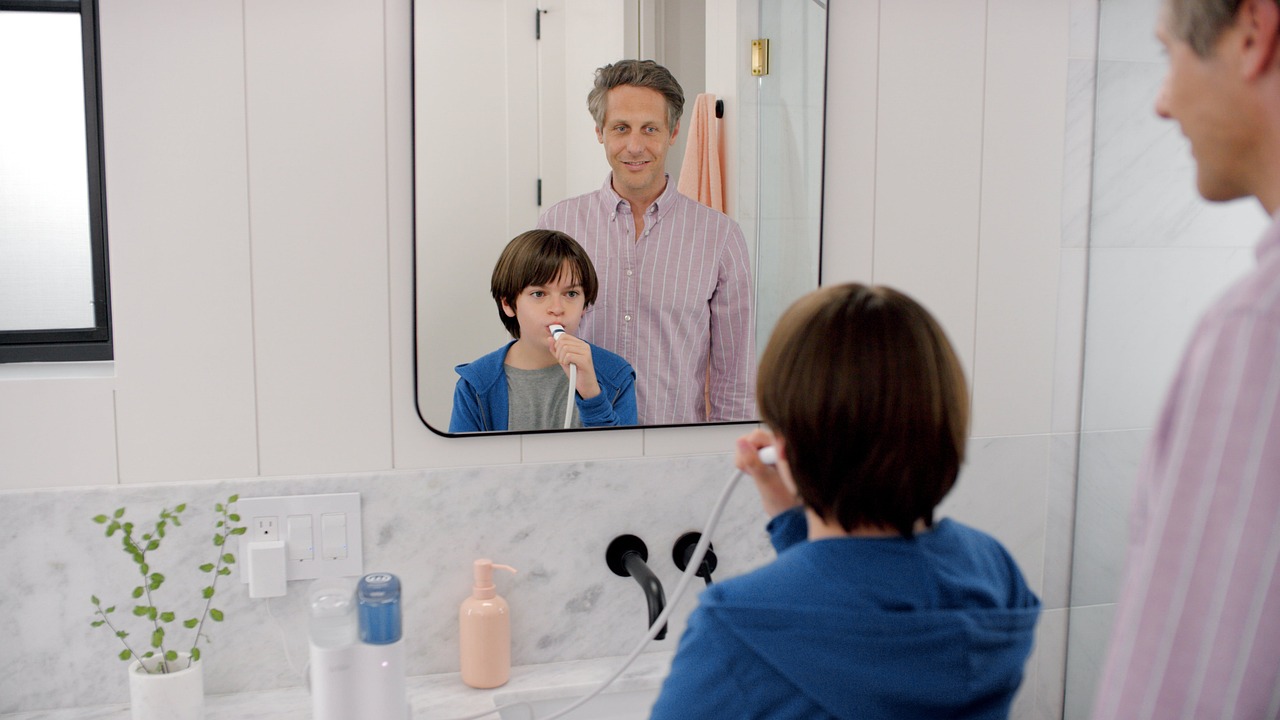
For more category coverage, visit our Personal Care section.
From fixed routines to everyday usage moments
Traditional personal care planning often groups products by category: shampoo, body wash, deodorant, oral care, shaving, skin care, and hair styling. That structure still matters for retail shelves and supply chains, but it does not fully describe how consumers use products at home. The same person may use oral care for confidence before a video call, hair treatment as a weekend repair step, body wash as a sensory reset after exercise, and moisturizer as part of an evening wind-down.
Kantar’s 2025 beauty research describes a move away from fixed beauty rituals toward real usage moments. Its “Beauty Spaces” framing is useful for FMCG because it focuses less on what the product is called and more on when, why, and how it is used. This matters at home because the bathroom, bedroom, gym bag, or laundry area can support multiple personal care occasions in one day.
That shift changes how brands should think about assortment. A product does not compete only with direct category rivals. A scalp care product may compete with a salon visit, a fragrance mist may compete with a wellness candle, and a body lotion may compete with a home spa device. The competitive set expands when the consumer is solving a household moment rather than shopping a narrow aisle.
What is driving at-home personal care growth
Several forces are pushing personal care deeper into the home. They overlap, but each one carries a different commercial implication.
Value seeking is changing the definition of premium
Deloitte’s 2026 global consumer products outlook reports that 47% of surveyed consumers globally are “value seekers,” including 35% of high-income consumers. This does not mean shoppers only want the lowest price. It means they are more likely to question whether a product is worth its price, whether it lasts, whether it replaces a higher-cost service, and whether the benefit is easy to understand.
For personal care, value can show up through larger refill packs, concentrated formats, longer-lasting treatments, multi-use products, or clear before-and-after usage guidance. The risk is overloading labels with claims that consumers cannot verify. In a value-led market, a simple, credible benefit often carries more weight than a long list of fashionable ingredients.
Wellness is expanding the role of hygiene
McKinsey’s 2025 Future of Wellness research covered more than 9,000 consumers across China, Germany, the United Kingdom, and the United States. One important finding for FMCG is that essential consumer health categories, including oral care and personal hygiene, show broad purchase behavior across demographics, while younger consumers also buy into a wider range of discretionary wellness and appearance products.
This supports a practical reading of the market: personal care at home is strongest when it connects hygiene, comfort, and confidence without presenting itself as medical care. Products such as deodorant, oral care, body cleansing, hair care, and basic skin care remain everyday essentials. The growth layer comes from adding credible benefits around sensorial experience, problem solving, convenience, or routine-building.
Home-centric living supports affordable indulgence
Circana reported in July 2025 that U.S. consumers were spending more time at home as they navigated elevated prices and financial concerns. The same report noted interest in home products that meet essential needs or add joy to at-home living. This context helps explain why at-home personal care can grow even when shoppers are cautious: a hair mask, body scrub, fragrance, or massage tool may feel like a smaller indulgence than an appointment or a night out.
The lesson for FMCG brands is not to position every product as luxury. The opportunity is to create a credible “worth it” feeling. Packaging, scent, texture, dosage, and visible usage instructions can make a routine feel more rewarding without forcing the product into an unrealistic premium story.
Where FMCG brands can find real opportunity
The at-home personal care opportunity is broad, but not every concept deserves investment. The most resilient ideas tend to combine frequent use, clear replenishment, credible claims, and an obvious household role.
| Opportunity area | Why it fits home routines | Commercial watchout |
|---|---|---|
| Oral care upgrades | Used daily, easy to replenish, and connected to hygiene, confidence, and appearance. | Avoid implying medical or drug-like results unless the product meets the relevant regulatory requirements. |
| Scalp and hair treatments | Fits weekly or evening routines and can replace or extend salon-style care at home. | Ingredient claims need clear support; complex routines may discourage repeat use. |
| Body care and cleansing | High-frequency use allows brands to build sensory, skin-feel, and family-size value propositions. | Overly broad “clean,” “natural,” or “non-toxic” claims can create trust and compliance risks. |
| Refill and value packs | Appeals to households managing budgets and reducing shopping friction. | Refills must be easy to use and should not rely on sustainability claims that cannot be substantiated. |
| At-home pampering formats | Supports affordable indulgence through masks, scrubs, oils, bath products, and fragrance layering. | The product still needs a repeatable role after the first trial moment. |
One useful test is to ask whether the product earns a place in the home before it earns a place in a campaign. If it is hard to store, hard to use, messy, unclear, or too expensive for its frequency, the routine may fail even if the concept is attractive.
Regulation and claims discipline are becoming part of value
Personal care at home sits close to sensitive areas: skin, hair, oral health, hygiene, children, allergens, and environmental claims. That makes regulatory and claims discipline a commercial issue, not just a legal issue. See also: baby&kids.
In the United States, the FDA describes the Modernization of Cosmetics Regulation Act of 2022, known as MoCRA, as the most significant expansion of FDA authority over cosmetics since the Federal Food, Drug, and Cosmetic Act was passed in 1938. MoCRA introduced requirements that include facility registration, product listing, adverse event reporting, safety substantiation, and other compliance obligations for many cosmetic businesses. FMCG teams should treat this as part of the operating environment when planning cosmetics and related personal care lines.
Environmental language also needs care. The Federal Trade Commission’s Green Guides are designed to help marketers avoid environmental claims that may mislead consumers. The practical point is straightforward: broad claims such as “green,” “eco-friendly,” or “sustainable” are risky when they are not qualified and supported. For refill packs, recycled content, reduced plastic, or recyclable packaging, the claim should be specific and tied to evidence.
There is also a boundary between cosmetics, personal care, cleaning products, and drug claims. For example, a body wash, shampoo, or moisturizer is not marketed the same way as an acne treatment, dandruff product, sunscreen, or antiperspirant with drug claims. Brands should avoid stretching consumer-friendly language into regulated claims unless the formulation, labeling, and compliance pathway support it.
How retail and digital behavior change the home routine
At-home personal care is shaped by both the bathroom shelf and the digital shelf. Consumers may discover a product through a creator, compare reviews in a marketplace, check ingredients on a brand site, buy a refill through subscription, and then return to a physical store for a larger pack. This is why omnichannel consistency matters.
NIQ’s 2025 beauty coverage describes beauty as moving into a broader lifestyle space, with e-commerce acceleration, wellness integration, and personalization playing larger roles. Kantar’s work also suggests that brands need to understand real moments of use rather than only purchase occasions. Together, these views point to a practical FMCG challenge: the product story must hold up across multiple contexts.
A short-form video may create trial, but the label still has to explain use clearly. A marketplace page may highlight ingredients, but the product must still perform in the shower, at the sink, or before bed. A subscription may drive repeat purchasing, but only if the consumption rate matches the shipment cycle. The home routine exposes any gap between marketing promise and everyday use.
A practical framework for building personal care home value
Brands and retailers can use a simple framework to evaluate whether an at-home personal care idea has durable FMCG potential.
- Occasion clarity: Define the exact moment the product serves, such as morning freshness, post-workout cleansing, evening repair, travel-size convenience, or family replenishment.
- Benefit hierarchy: Lead with one primary benefit before adding secondary features. A product that tries to do everything often becomes hard to understand.
- Evidence fit: Match claims to the level of evidence available. Ingredient presence is not the same as proven product performance.
- Pack-role alignment: Use pumps, refills, minis, multipacks, or concentrates only when they make the routine easier.
- Price architecture: Offer a clear reason for trade-up, whether it is size, format, sensory experience, convenience, or a specific performance benefit.
- Compliance review: Check cosmetic, drug, environmental, allergen, and safety substantiation issues before the claim becomes part of packaging or retail copy.
This framework also helps avoid a common mistake: treating at-home personal care as a trend label. The more useful approach is to treat it as a usage system. Consumers do not buy “routines” in the abstract. They buy products that make a specific part of home life cleaner, easier, more comfortable, or more rewarding.
Frequently asked questions
What does personal care home mean for FMCG?
In an FMCG context, it means personal care products and routines that are mainly used, stored, replenished, and judged in the home. This includes everyday hygiene, oral care, hair care, body care, skin care, shaving, deodorant, and affordable at-home pampering formats.
Is at-home personal care only about beauty?
No. Beauty is part of it, but the broader opportunity includes hygiene, wellness-adjacent routines, family care, convenience formats, and value packs. The strongest products often sit between practical need and emotional reward.
Why is value so important in 2026?
Consumer products research for 2026 points to stronger value scrutiny across income levels. In personal care, shoppers may still trade up, but they expect the product to justify its price through performance, size, convenience, experience, or credible benefits.
What claims should personal care brands be careful with?
Brands should be careful with medical, drug-like, environmental, “clean,” “natural,” sustainability, allergen, and performance claims. Claims should be specific, supportable, and aligned with the product’s regulatory category.
What is the main takeaway for retailers and manufacturers?
The home is now a key testing ground for personal care value. Brands that understand real usage moments, keep claims credible, and make replenishment easy are better positioned than brands that rely only on trend language or premium packaging.