

Personal touch home health and what it means for personal care products at home
What the phrase means for personal care readers
People searching for “personal touch home health” may be looking for a specific home care provider. The phrase also reflects a wider shift in care: more health support, hygiene assistance, and daily living routines are taking place inside the home. For personal care brands, retailers, and caregivers, that shift matters. Bathing, dressing, grooming, continence care, oral care, and skin comfort are not just household chores in this setting. They are part of a care routine where dignity, safety, product tolerance, and ease of use all have practical consequences.
This article is not a provider directory or medical advice. It focuses on how home health and home care routines are changing the role of everyday personal care products. For more category coverage, visit the Personal Care section.
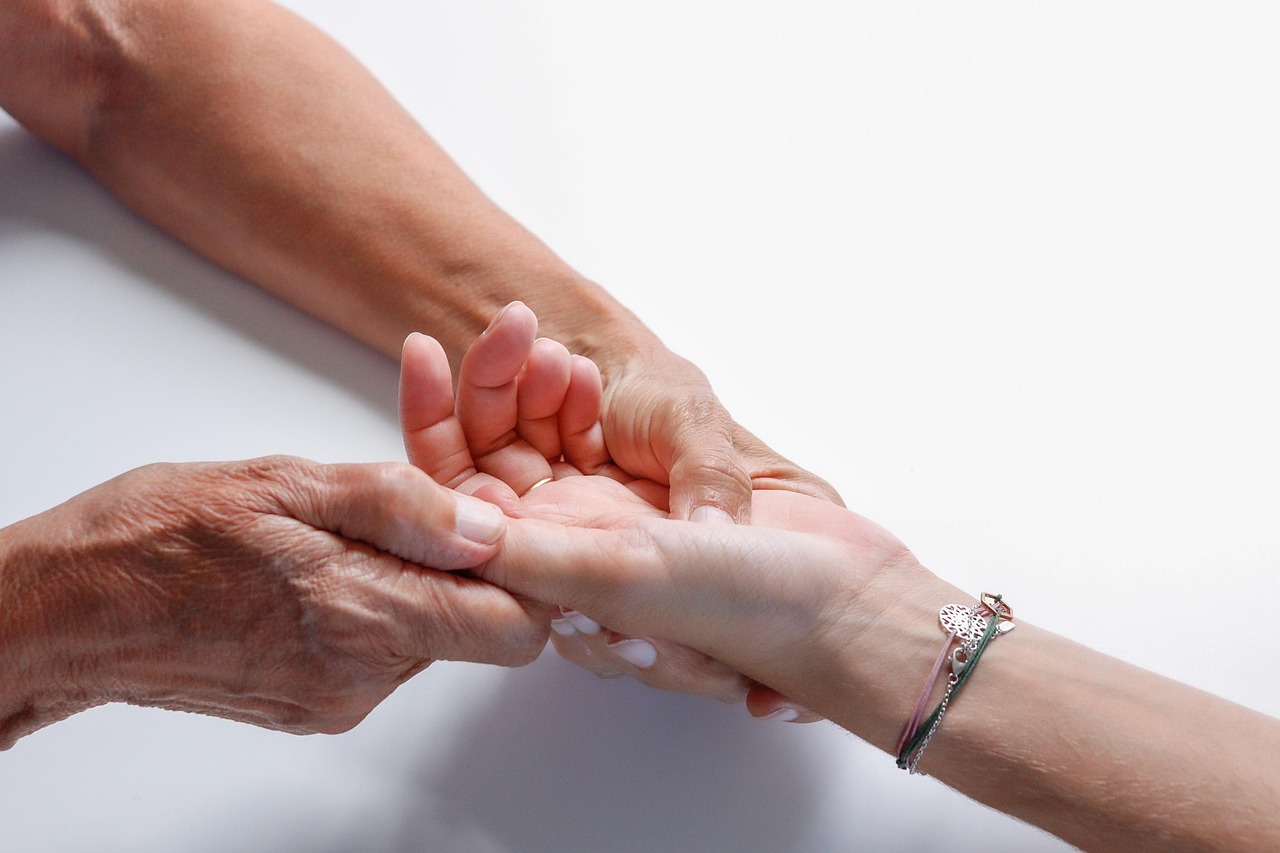
Why home health puts personal care at the center of daily living
Public health sources commonly describe home care as support that helps a person with special needs remain at home. MedlinePlus, a consumer health resource from the U.S. National Library of Medicine, includes help with bathing, washing hair, dressing, household tasks, meals, and certain health-related support within the home care discussion. The National Institute on Aging also frames aging in place around health, personal, and support services that help people stay at home as independently as possible.
That definition explains why personal care products carry more weight in a home health setting. A body wash, barrier cream, shampoo, toothbrush, deodorant, cleansing wipe, or moisturizer may look like a standard FMCG item on a retail shelf. In a care plan, the same product can influence comfort, adherence to routines, infection-control habits, skin integrity, caregiver workload, and a person’s willingness to accept help.
The labor market shows how large this care environment has become. The U.S. Bureau of Labor Statistics reported that home health and personal care aides held about 4.3 million jobs in 2024. In the Occupational Outlook Handbook last modified on August 28, 2025, BLS projected 17% employment growth for these aides from 2024 to 2034, with about 765,800 openings per year on average over the decade. These figures do not measure product demand directly, but they do show that assistance with daily living is a major and growing part of U.S. household life.
The product needs behind a personal touch approach
A personal touch in home health is not only a warmer bedside manner. In day-to-day routines, it means adapting care to the person’s skin condition, mobility, cognitive status, preferences, privacy needs, and available caregiver support. The same task can look very different for a mobile older adult, a person recovering from surgery, someone living with dementia, or a child with complex care needs.
Bathing and cleansing
Bathing is one of the most sensitive personal care tasks because it involves privacy, fall risk, temperature comfort, and skin exposure. In home settings, product design can reduce friction in the routine. Pump bottles are easier than screw caps for one-handed use. Mild, low-residue cleansers can simplify rinsing. Fragrance-light or fragrance-free formats may be preferred when several people in the household are exposed to the product every day. Large, high-contrast labels help both the care recipient and caregiver quickly distinguish shampoo, body wash, intimate cleanser, and lotion.
Skin comfort and barrier support
Skin care in home health is often less about beauty positioning and more about comfort, dryness, friction, incontinence-related irritation, and routine consistency. Product teams need to consider texture, absorption time, residue on bedding or clothing, and whether a product can be applied without prolonged rubbing. These details matter when a caregiver has several tasks to complete in a short visit, while the person receiving care may be tired, cold, embarrassed, or uncomfortable.
Oral care, hair care, and grooming
Oral care and grooming are closely tied to dignity. A soft toothbrush, easy-grip handle, rinse-free option, detangling spray, dry shampoo, gentle deodorant, or nail care item can support regular participation in the routine. For people with limited grip strength or fatigue, packaging may be as important as the formula. A product that performs well in a bathroom test may still fail in a real home care routine if it is slippery, hard to open, poorly labeled, or too strongly scented.
Safety, labeling, and claims require closer attention at home
Home use can make product safety questions more visible. Caregivers often buy products for someone else, apply them to more fragile skin, store them near medical supplies, and repeat the same routines daily. Clear labels, appropriate claims, and simple instructions are therefore more than marketing details.
FDA consumer information explains that, under U.S. law, cosmetic products and ingredients generally do not need FDA approval before going to market, except for color additives other than those used in coal-tar hair dyes. FDA also notes that companies marketing cosmetics are responsible for ensuring product safety. This matters because shoppers may assume all personal care products have been reviewed before sale. In practice, brand responsibility, accurate labeling, ingredient transparency, and post-market vigilance play a central role.
Some personal care products also cross regulatory categories. FDA materials distinguish ordinary cosmetics from products that may also be drugs, such as fluoride toothpaste, antiperspirants, antidandruff shampoos, and moisturizers or makeup marketed with sun-protection claims. In a home health context, caregivers and retailers should be cautious about therapeutic claims that are not supported by the product’s regulatory status and labeling.
The CDC’s caregiving guidance emphasizes the value of a care plan that keeps health conditions, medicines, care needs, provider contacts, and emergency information in one place. A household version of that approach can help personal care routines: note which products should be used, which products have caused irritation, preferred bathing times, skin changes to watch, and any clinician instructions related to wounds, rashes, allergies, or medical devices.
What FMCG brands and retailers can learn from home care routines
The rise of home-based support creates a different set of product expectations. Traditional personal care marketing often focuses on fragrance, sensorial experience, beauty benefits, and lifestyle identity. Those factors still matter, but home health routines add other priorities: reliability, legibility, tolerance, repeat-purchase convenience, and caregiver usability. See also: baby&kids.
- Design for shared use. Many products are selected by one person, paid for by another, and used on a third person. Packaging should communicate clearly to all three.
- Reduce handling complexity. Pumps, flip tops, stable bases, non-slip grips, and one-step routines can make products easier to use during assisted bathing or grooming.
- Make labels readable. Larger type, plain-language instructions, and clear front-of-pack function cues help prevent product confusion.
- Support sensitive routines. Fragrance-free, dye-free, hypoallergenic-positioned, or dermatologist-tested products may be relevant, but claims should be specific, supportable, and not overstated.
- Think beyond the bathroom shelf. Products may be used at bedside, near a sink, during travel to appointments, or in a shared living space.
Retailers can respond with clearer navigation. A shopper caring for a parent or spouse may not think in beauty-category terms. They may think in tasks: bath help, dry skin, odor control, oral care, incontinence cleanup, hair washing between showers, or hospital-to-home recovery. Merchandising that groups routine-based products together can reduce stress and make the basket more relevant.
A practical checklist for product selection
The following checklist is designed for caregivers, household shoppers, and personal care teams reviewing whether a product fits a home health environment. It does not replace clinical advice, especially for wounds, severe rashes, infections, allergies, or post-surgical instructions.
| Routine need | What to check | Why it matters at home |
|---|---|---|
| Assisted bathing | Pump or easy-open cap, mild cleansing, clear label, low-slip residue | Supports faster routines and lowers handling difficulty in wet spaces |
| Dry or fragile-feeling skin | Moisturizing format, short ingredient list, fragrance preference, patch tolerance | Daily use may magnify irritation or comfort issues |
| Oral care | Soft bristles, easy-grip handle, fluoride labeling where appropriate | Helps maintain routine when grip strength or cooperation is limited |
| Hair care | Detangling support, rinse effort, scent level, bottle control | Reduces fatigue during washing or grooming |
| Continence-related cleanup | Gentle cleansing, barrier support, disposal instructions, skin monitoring | Protects comfort and helps caregivers notice changes early |
| Shared caregiving | Written routine notes, product names, storage location, replacement schedule | Improves consistency when more than one caregiver is involved |
A simple home shelf audit can also help. Remove expired products, separate medical supplies from cosmetics, label products that belong to the care recipient, and keep frequently used items within safe reach. If a product causes burning, rash, swelling, unexpected skin breakdown, or discomfort, stop using it and seek professional guidance when appropriate.
Where the category may go next
The home health personal care opportunity is not limited to senior care. It also includes post-surgical recovery, chronic illness support, disability care, pediatric home care, and family caregiving after hospitalization. Stronger product strategies will likely combine consumer appeal with care-context practicality.
For brands, that may mean more evidence-based claims, clearer instructions, accessible packaging, refill systems that do not create heavy lifting or spillage, and bundles organized around routines rather than demographics. For retailers, it may mean content that explains use cases without making medical claims. For caregivers, it means choosing products that respect the person receiving care while making daily tasks easier and more consistent.
The lesson is straightforward: personal care at home is no longer only a private hygiene matter. In many households, it is part of a broader care system. Products that acknowledge that reality can offer value beyond scent, texture, or price.
Frequently asked questions
Is personal touch home health the same as home health care?
Not necessarily. The phrase may refer to a provider name in some searches, but in a broader sense it describes care that feels individualized and is delivered at home. Home health care often involves medical or health-related support, while home care can also include nonmedical help with daily living tasks.
Which personal care products matter most in home care?
The most routine-sensitive categories are bathing products, moisturizers, barrier creams, oral care, deodorant, hair care, cleansing wipes, and grooming tools. The best choice depends on the person’s skin condition, mobility, preferences, and any clinician guidance.
Should caregivers choose only medical-grade products?
Not always. Many everyday personal care products may be suitable for routine hygiene and comfort. However, products used for wounds, infections, medicated treatment, severe irritation, or sun protection may involve specific directions or regulatory categories. When in doubt, caregivers should ask a qualified health professional.
What should brands avoid when marketing to home health shoppers?
Brands should avoid vague therapeutic claims, tiny instructions, hard-to-open packaging, excessive fragrance assumptions, and messaging that treats care recipients as passive. Stronger positioning supports dignity, independence, safety, and caregiver clarity.