
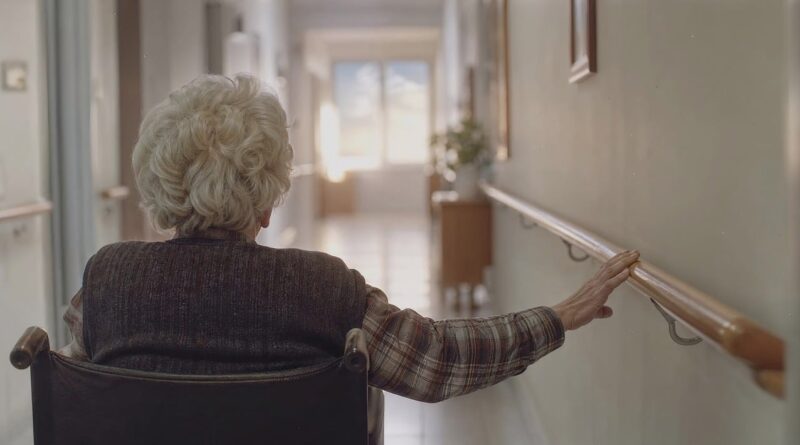
What a home care assistant does and why the role is growing
A home care assistant helps people manage daily life at home when age, disability, illness, recovery, or cognitive decline makes routine tasks difficult. The role commonly includes bathing, dressing, grooming, meal preparation, mobility support, light housekeeping, transportation, reminders, and companionship. In many settings, it overlaps with the U.S. Bureau of Labor Statistics occupation group known as home health and personal care aides, but medical duties depend on training, employer policy, payer rules, and state law. Demand is rising as more care shifts from institutions into homes and community settings. For the personal care sector, that shift raises practical requirements: products need to be easy to use, safe to store, clearly labeled, and suited to daily routines managed by both consumers and caregivers.
What does home care assistant mean?
The phrase home care assistant is commonly used for a worker who supports a person in their own home or in a home-like community setting. The exact job title varies by employer and region. Similar terms include personal care aide, caregiver, home care aide, companion, home health aide, and direct care worker. These titles are not always interchangeable because some are tied to training requirements, supervision rules, or reimbursement programs.
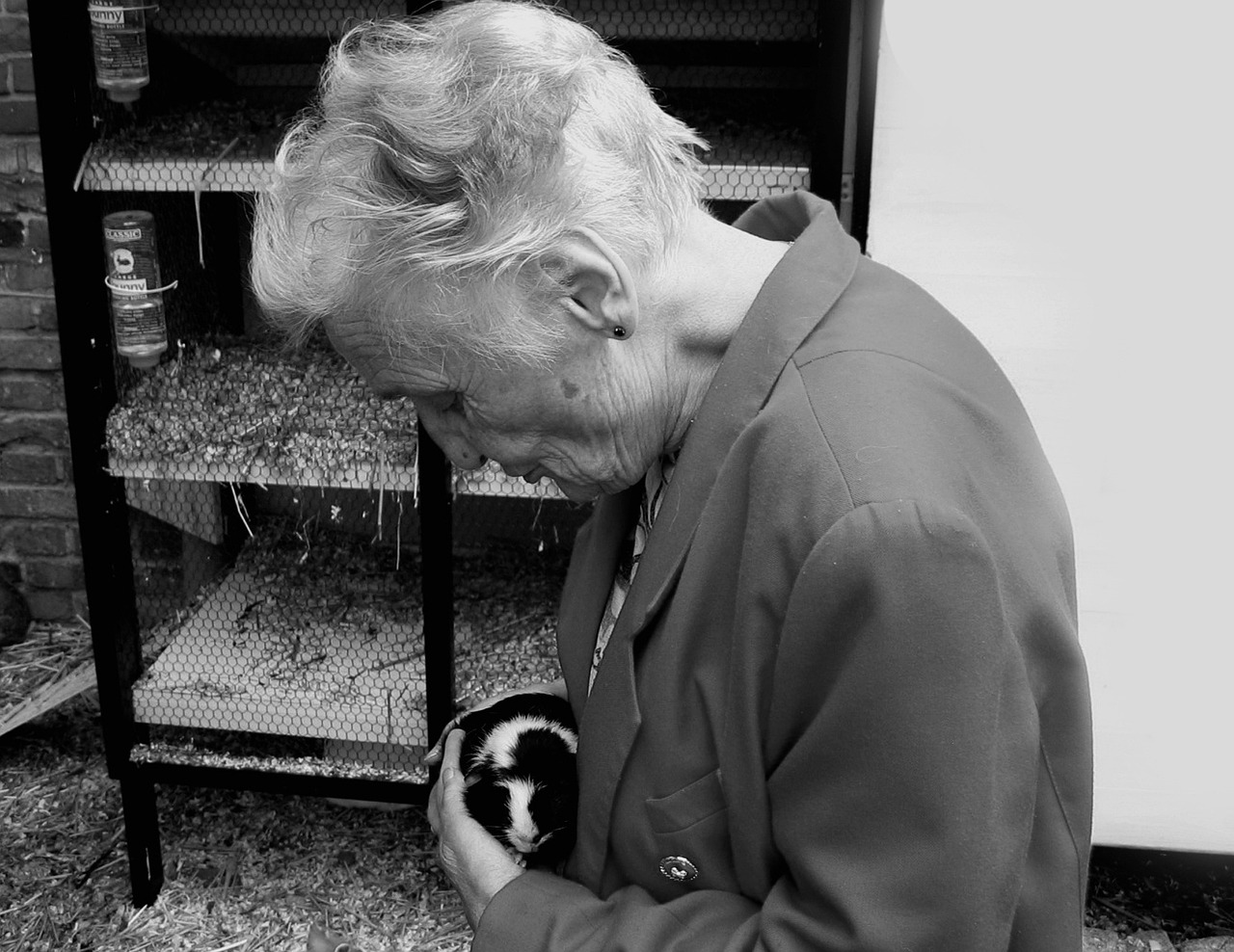
In general, the role sits between family caregiving and formal clinical care. A family member may provide unpaid support because of personal responsibility. A nurse, therapist, or physician provides licensed medical care. A home care assistant often handles the daily routines that make it possible for the person to remain at home: washing, dressing, eating, moving safely, attending appointments, taking part in social life, and keeping the home functional.
This distinction matters for readers in the Personal Care category because home care assistants often influence which hygiene, grooming, skin care, incontinence, oral care, and household-adjacent products are actually used. They may not choose every product, but they often see what works, what is confusing, what is hard to open, and what causes missed steps in a daily care routine.
Typical duties and where the boundaries sit
Public labor and healthcare sources describe home health and personal care aides as workers who help people with disabilities, chronic illnesses, cognitive impairment, or age-related limitations. Their work can be practical, personal, emotional, and observational. A capable home care assistant does not simply complete tasks; they notice changes, communicate concerns, and help routines stay consistent.
| Area of support | Common tasks | Why it matters |
|---|---|---|
| Personal hygiene | Bathing, dressing, grooming, oral care, toileting assistance, continence routines | These tasks are central to dignity, skin health, odor control, and confidence. |
| Home routines | Laundry, dishes, light cleaning, meal preparation, grocery shopping | A safe and organized home reduces friction for both care recipients and visiting professionals. |
| Mobility and appointments | Walking support, transfers, transportation, appointment scheduling | Mobility support can reduce isolation and help people keep medical and social commitments. |
| Companionship | Conversation, activities, reminders, engagement with community or family | Social connection is part of quality of life, especially for people living alone. |
| Observation and reporting | Noting changes in appetite, mood, skin condition, sleep, mobility, or confusion | Early observation can help family members or supervisors respond before a problem worsens. |
The boundary between nonmedical personal assistance and health-related support is important. The Bureau of Labor Statistics notes that home health aides may be allowed in some circumstances to check basic vital signs, help with prescribed exercises, assist with medication, or change simple dressings. However, those tasks depend on state rules, training, and supervision by a nurse or other healthcare practitioner. Personal care aides are generally more limited and usually focus on nonmedical services such as companionship, cooking, cleaning, and transportation.
Families should not assume that a home care assistant can provide skilled nursing, wound care, medication management, injections, or therapy. If a person needs clinical services, the care plan should involve licensed professionals. A clear written service plan helps avoid unsafe assumptions and protects both the client and the worker.
Why demand is rising from 2025 to 2035
In its current 2025-2035 Occupational Outlook data, the U.S. Bureau of Labor Statistics reports that home health and personal care aides held about 4.7 million jobs in 2025. Employment is projected to grow 18 percent from 2025 to 2035, adding about 847,300 jobs. BLS also projects about 760,500 openings per year on average during the decade, including replacement needs when workers transfer to other occupations or leave the labor force.
Those numbers should be read as projections, not guarantees. They do not mean every employer will grow or every local market will face the same conditions. They do show that federal labor analysts expect strong demand for support delivered in homes and community settings. The same BLS outlook connects the trend to an aging population, higher need for healthcare and social services, and continued demand to manage chronic disease and disability outside institutional settings.
Other federal workforce research points in the same direction. The Health Resources and Services Administration has projected rising demand for long-term services and support workers through the 2030s, including home health aides and personal care aides. The Centers for Disease Control and Prevention also reports large amounts of unpaid caregiving for people with dementia, including billions of hours of care in 2023. Unpaid family caregiving is different from paid home care assistant work, but it shows how much daily support already takes place outside hospitals and nursing facilities.
The practical takeaway is clear: as more households manage care at home, the market for easy-to-use personal care products, caregiver-friendly packaging, clear usage instructions, and routine-based replenishment becomes more important.
How home care assistants shape personal care routines
Home care assistants are often the people who turn a product promise into a daily habit. A body wash that looks good on a shelf may fail in practice if the cap is hard to open with wet hands. A skin cream may be skipped if instructions are too small for an older adult or too vague for a rotating team of caregivers. Incontinence products may be technically absorbent but still create problems if sizing, disposal, or odor-control expectations are unclear.
For personal care brands and retailers, this changes how product value should be assessed. The buyer may be an older adult, an adult child, a spouse, a home care agency, or the assistant who knows what is running low. The user may have limited grip strength, fragile skin, visual impairment, memory loss, or sensitivity to fragrance. The person applying, storing, or reordering the product may be working under time pressure while also preventing falls, protecting privacy, and documenting changes.
Routine clarity becomes a product feature
Products used in home care settings benefit from plain-language directions, visible dosage or usage cues, easy-open formats, and packaging that can be stored safely in bathrooms, bedrooms, and bedside areas. A pump, color-coded label, resealable pack, or large-print instruction panel can reduce mistakes when more than one person helps with care.
Skin and hygiene needs are often linked
Bathing, continence care, barrier protection, laundry, hand hygiene, and bedding changes are not separate events in many homes. They are linked routines. A home care assistant may notice redness, dryness, odor, leakage, irritation, or discomfort before others do. That makes product compatibility important: cleansers, wipes, moisturizers, barrier creams, gloves, and disposal bags need to work together without creating unnecessary steps. See also: baby&kids.
Trust depends on predictability
For people receiving care, repeated personal tasks can feel intrusive. Predictable products and routines reduce stress. Fragrance, texture, packaging noise, temperature, residue, and the time required to use a product can all affect acceptance. A product that supports privacy and speed may be more valuable in practice than one with a long list of claims.
Safety, training, and quality considerations
Home care is personal work, but it is also a workplace. OSHA identifies home healthcare hazards such as bloodborne and biological risks, ergonomic strain from lifting or transfers, workplace violence, hostile animals, unsafe home conditions, latex sensitivity, and driving between clients. These risks are harder to control than in a facility because every home is different.
That creates a quality issue for care providers and families. A home care assistant should know when to use gloves, when to wash hands, how to reduce fall risks, how to protect their back, and when to report a change instead of trying to solve it alone. Training should include infection prevention, safe body mechanics, communication, documentation, and boundaries around medical tasks.
Coverage rules add another layer. Medicare-covered home health services are not the same as general private-pay assistance. CMS and Medicare materials describe home health eligibility around homebound status and a need for intermittent skilled services such as skilled nursing, physical therapy, speech-language pathology, or continuing occupational therapy. Home health aide support under Medicare is generally tied to those covered skilled services and is not a broad substitute for long-term household help. Families comparing options should ask whether services are private pay, Medicaid-supported, Medicare-certified home health, or agency-based nonmedical care.
For personal care companies, the safety lesson is that products should reduce complexity. Clear labels, hygienic dispensing, secure closures, simple restocking, and compatibility with gloves or limited grip are not minor design details in a home care environment. They help protect the care recipient and the assistant.
Implications for personal care brands, retailers, and families
The growth of home care assistant work has implications beyond employment. It changes how personal care is purchased, organized, and evaluated. A hospital may use institutional protocols, but a home uses cabinets, shower shelves, nightstands, caregiver notes, and family budgets. Products have to perform in real homes, not only in controlled environments.
- For brands: Design for caregivers as well as end users. Large print, low-effort dispensing, clear refill cues, and fragrance-sensitive options can matter as much as marketing language.
- For retailers: Group products by routine, not only by category. Bathing, continence, skin protection, oral care, and laundry products may be bought together for the same care plan.
- For agencies: Standardizing approved product lists can reduce confusion, but flexibility is needed for allergies, skin conditions, cultural preferences, and household budgets.
- For families: Ask the assistant what products are difficult to use, what runs out fastest, and what creates extra cleanup or discomfort.
- For product developers: Test packaging and instructions with older adults, people with limited dexterity, and real caregivers, not only with healthy office-based panels.
The biggest mistake is treating home care as a niche. Federal employment and workforce data suggest it is a mainstream part of the care economy. As more people age at home, the boundary between healthcare support and everyday personal care will keep narrowing.
Frequently asked questions
Is a home care assistant the same as a nurse?
No. A home care assistant usually helps with daily living tasks and may provide limited health-related support only when training, supervision, and state rules allow it. Nurses provide licensed clinical care such as assessment, medication management, injections, wound care, and care planning.
Can a home care assistant help with medication?
It depends on local rules, the employer, and the care plan. Some assistants may give reminders or help organize routines, while others may be trained for limited medication assistance under supervision. Families should never assume medication support is included without written confirmation.
Why is the role important for personal care products?
Home care assistants often help with bathing, grooming, toileting, skin care, oral care, and laundry-related routines. Their daily experience shows whether products are easy to open, apply, clean up, store, and reorder.
What should families look for when choosing products for assisted home care?
Prioritize safety, skin compatibility, clear instructions, easy dispensing, reliable absorbency where needed, fragrance preferences, and packaging that can be used by people with limited strength or vision. The best choice is often the product that supports a routine consistently and respectfully.