

What families should know about private caregivers for elderly parents at home
What private caregivers for elderly adults do
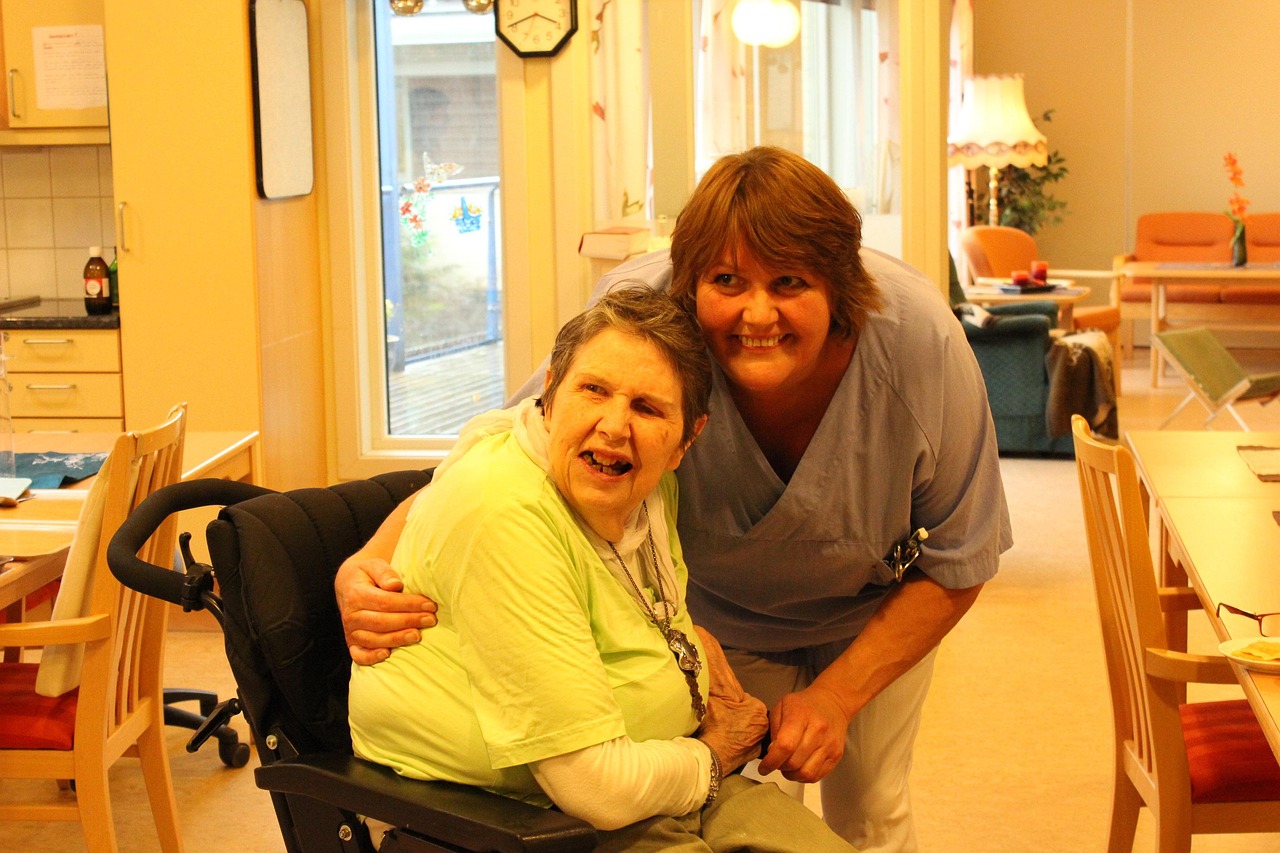
Private caregivers for elderly adults are paid helpers who support daily life at home when an older person needs help with meals, bathing, dressing, mobility, reminders, transportation, companionship, or routine household tasks. They can give families more consistent, personal support than occasional check-ins, but they are not a substitute for medical diagnosis, skilled nursing, emergency supervision, or a complete long-term care plan. The safest hiring decisions start with three practical questions: what help is needed, how many hours are realistic, and who will supervise the care.
The term private caregiver is often used for someone hired directly by a family, rather than through a licensed home care agency. In everyday use, it may also describe a caregiver from an agency whose services are privately paid. That distinction matters because it affects background checks, scheduling backup, payroll taxes, insurance, training, and who is responsible if a shift is missed.
For readers comparing caregiving, hygiene, comfort, and daily living topics, the Personal Care section covers related issues around everyday care routines and product choices.
Why families are looking at private care now
Several measurable trends are pushing families toward at-home support. The U.S. population is aging, and the Census Bureau reported that the national median age reached 39.1 in 2024, a record high in its Vintage 2024 population estimates. At the same time, many families already provide unpaid care: the Bureau of Labor Statistics reported 38.2 million eldercare providers age 15 and older in 2023–2024. (census.gov)
Paid home care is also a large workforce category. The Bureau of Labor Statistics listed about 4.35 million home health and personal care aide jobs in 2024 and projected 17% employment growth from 2024 to 2034, with about 765,800 openings each year on average. That growth helps explain why families may find many caregiver listings but still struggle to secure reliable coverage for the exact hours they need. (bls.gov)
In practice, this is not only a medical issue. It is also a household management issue. A family may need someone who can prepare a simple breakfast, help with safe bathing, notice changes in appetite, reduce isolation, and keep a daily routine moving. Those tasks can be deeply personal, but they are also practical labor that must be scheduled, paid, documented, and reviewed.
Private caregiver, agency aide, or Medicare home health worker
Families often use these labels interchangeably, but they refer to different care arrangements. Choosing the wrong model can create unrealistic expectations about cost, availability, and the level of care provided.
| Care option | How it usually works | Potential advantages | Important limits |
|---|---|---|---|
| Directly hired private caregiver | The family finds, interviews, hires, schedules, and pays the caregiver. | More control over fit, schedule, routine, and continuity. | The family may handle taxes, backup care, background checks, liability, and supervision. |
| Private home care agency | An agency assigns caregivers and bills the family or payer. | May provide screening, training, insurance, scheduling support, and replacement coverage. | Costs can be higher, and the family may have less control over exactly who is assigned. |
| Medicare home health | A Medicare-certified home health agency provides eligible services ordered by a clinician. | Can support skilled needs when eligibility rules are met. | It is not general long-hour private caregiving, and personal care alone is usually not enough to qualify. |
Medicare.gov states that Medicare does not pay for 24-hour-a-day care at home, home meal delivery, homemaker services unrelated to a care plan, or custodial personal care when that is the only care needed. To qualify for covered home health services, a person generally must need part-time or intermittent skilled services and meet homebound criteria. (medicare.gov)
This distinction is a common source of frustration. A parent may clearly need help with bathing, meals, laundry, toileting, and fall prevention, but those needs may still be considered custodial or personal care rather than skilled medical care. Families should ask the physician, home health agency, insurer, Medicaid office, or benefits counselor exactly what is covered, for how long, and under what conditions.
Cost and coverage realities to plan around
Private caregiving is usually paid out of pocket unless another payer applies, such as Medicaid home- and community-based services in some situations, veterans benefits, long-term care insurance, a state program, or limited supplemental benefits. Rules vary by state, plan, health status, income, and service type, so families should not assume that a neighbor’s coverage experience will apply to them.
Cost also varies widely by geography, care level, shift length, agency model, and labor market conditions. Genworth and CareScout reported in the 2024 Cost of Care Survey that the annual national median cost of a home health aide was $77,792, while homemaker services were $75,504. The survey also reported that two-thirds of surveyed home care agencies charged the same rate for both care types, reducing the old price gap between hands-on and hands-off support. (investor.genworth.com)
Those annual figures are useful for planning, but each family still needs to build its own estimate. Start with the minimum safe schedule. Four hours a day, five days a week is a very different budget from 12-hour overnight supervision or round-the-clock coverage. Then add less obvious costs: payroll service, workers’ compensation where required, mileage reimbursement, holiday rates, backup care, supplies, and home safety upgrades.
A practical budgeting step is to create three scenarios. The baseline scenario covers essential help only. The moderate scenario adds respite for family caregivers and transportation. The high-need scenario accounts for dementia supervision, evening coverage, or two-person transfers. This exercise does not solve the cost problem, but it makes trade-offs visible before a crisis forces a rushed decision.
How to screen and hire with safety in mind
The Bureau of Labor Statistics notes that aides in some states may need licensing or certification, and certified home health or hospice agencies paid by federally funded programs must follow employment regulations. Families should check state rules rather than relying on a generic national checklist. (bls.gov)
Before interviewing, write a one-page care profile. Include the older adult’s mobility level, memory concerns, fall history, continence needs, meal preferences, pets, home layout, transportation needs, medications that require reminders, and any tasks the caregiver must not perform. A clear care profile reduces the risk of hiring a friendly person who is not suited to the actual workload. See also: baby&kids.
- Verify identity and work eligibility. Confirm the caregiver is who they say they are and can legally perform the work.
- Run appropriate background checks. Depending on the state and role, this may include criminal history, sex offender registry checks, driving record checks, and abuse registry checks.
- Check references directly. Speak with former families or employers and ask about punctuality, honesty, communication, lifting ability, dementia experience, and why the work ended.
- Match skills to needs. Experience with companionship is not the same as experience with transfers, incontinence care, Parkinson’s disease, stroke recovery, or dementia-related wandering.
- Use a written agreement. List duties, hours, pay rate, overtime rules, privacy expectations, phone use, transportation rules, meal responsibilities, and emergency steps.
- Plan backup coverage. A private caregiver can become sick, move, quit, or have a family emergency. Backup is not optional when safety depends on coverage.
Families hiring directly should also ask an accountant, attorney, or payroll provider about household employment rules. Misclassifying a worker or paying informally can create tax, wage, and liability problems. If an agency is used, ask what screening is performed, whether caregivers are employees or contractors, how complaints are handled, and how quickly a replacement can be sent.
Managing care after the first shift
Hiring is only the beginning. Good private care depends on clear communication after the caregiver starts. Treat the first two weeks as an adjustment period, with short check-ins after each shift and a more detailed review at the end of week two. Families should look for reliability, respectful communication, safe body mechanics, accurate notes, and whether the older adult appears comfortable.
A simple daily care log can include arrival and departure time, meals eaten, fluids, toileting concerns, mood, mobility, bathing, housekeeping completed, medication reminders, visitors, falls, unusual symptoms, and supplies running low. The goal is not to micromanage every moment. The goal is to catch patterns early, especially changes in appetite, confusion, sleep, pain, skin condition, or mobility.
Boundaries should be discussed early. Caregivers should know who can authorize schedule changes, whether they may drive the client, how to handle gifts or money, where valuables are stored, when to call 911, and which family member is the primary contact. Families should also respect the caregiver’s boundaries by avoiding last-minute unpaid tasks, unclear expectations, or unsafe lifting requests.
When private caregiving may not be enough
Private caregiving works best when the care needs are stable, the home can be made reasonably safe, and a responsible person is overseeing the plan. It may become inadequate when the older adult needs skilled nursing, frequent medical assessment, complex wound care, unpredictable night supervision, two-person transfers, or constant monitoring for wandering or unsafe behavior.
Warning signs include repeated falls, missed medications despite reminders, pressure injuries, escalating confusion, aggression, unsafe stove use, caregiver burnout, frequent emergency room visits, or a family member feeling unable to leave the house without fear. These signs do not automatically mean a nursing facility is required, but they do mean the care plan should be reassessed by qualified health and aging-services professionals.
The Administration for Community Living says the Eldercare Locator connects older adults, families, and caregivers with local resources such as home care, transportation, meals, caregiver education, and respite support. That kind of local navigation can be useful when a family is unsure whether to add private hours, request a clinical evaluation, or explore community-based services. (acl.gov)
Frequently asked questions
Are private caregivers the same as home health aides?
Not always. A home health aide may work under a Medicare-certified or licensed home health agency and may be connected to a clinician-ordered care plan. A private caregiver may be hired directly by the family for nonmedical daily support. Some people use the terms loosely, so families should ask about training, supervision, allowed tasks, and payer rules.
Does Medicare pay for private caregivers for elderly adults?
Usually not when the need is only help with daily living activities such as bathing, dressing, toileting, meals, shopping, or supervision. Medicare home health coverage is tied to eligibility rules, skilled needs, homebound criteria, and a clinician’s order. Families should confirm coverage with Medicare, the health plan, and the home health agency before assuming a service will be paid.
Is it safer to hire through an agency?
An agency may offer screening, insurance, training, scheduling, and replacement caregivers, which can reduce some risks. Direct hiring may offer more control and continuity. Neither route is automatically safe. The safer route is the one with documented screening, clear duties, backup coverage, transparent payment practices, and active family oversight.
What should be included in a private caregiver job description?
Include the schedule, personal care tasks, meal preparation, transportation, mobility support, dementia-related needs, housekeeping limits, documentation expectations, emergency contacts, and tasks that are outside the caregiver’s role. A specific job description helps the caregiver decide whether they can safely accept the position.
How soon should a family reassess the arrangement?
Review the arrangement after the first two weeks, again after 30 days, and whenever the older adult’s condition changes. Reassessment is especially important after a fall, hospitalization, new diagnosis, medication change, or noticeable decline in memory, mobility, eating, or sleep.