

When Should Experts Consult a TV Buying Guide for Market Timing
When To Buy A TV
Timing matters more than most buyers realize. The best moment to buy a TV is usually tied to product release cycles and retail events rather than impulse deals. Data from consumer electronics analysts shows that prices drop significantly after new model launches, typically in spring and late summer. For professionals managing procurement or designing smart homes, aligning purchases with these cycles yields both savings and access to the latest display technologies.
Understanding the Purpose of a TV Buying Guide in Market Timing?
A tv buying guide plays a crucial role in helping consumers and professionals interpret market signals effectively. It translates complex pricing patterns into actionable insights, allowing experts to plan purchases around technology shifts rather than marketing hype.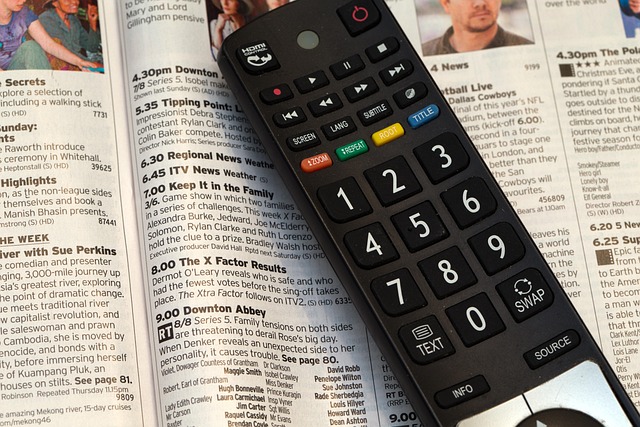
The Role of Market Timing in Consumer Electronics
Market timing identifies when prices are most favorable during the year. In the television sector, manufacturers like Samsung and LG often unveil new models early in the year, causing prior versions to drop by 20–30%. Analysts rely on historical data and manufacturer schedules to anticipate these changes. Understanding market timing ensures cost efficiency while securing access to updated display standards such as HDR10+ or Dolby Vision.
How a TV Buying Guide Supports Informed Decisions
A comprehensive tv buying guide brings together specifications, price comparisons, and expert performance evaluations. It helps professionals balance innovation against value by showing how features evolve across model years. For instance, a guide might reveal that last year’s OLED panel still outperforms many mid-range QLEDs for color accuracy. These insights allow decision-makers to weigh whether waiting for a new release justifies the premium.
Evaluating Seasonal Trends and Release Cycles
Seasonal shifts shape not only pricing but also availability. A well-structured buying guide helps interpret these patterns so buyers can act before inventory shortages or inflated prices occur.
Key Industry Periods for Price Adjustments
Most brands introduce flagship TVs in Q1 during major trade events like CES, followed by mid-tier updates around Q3. This cadence triggers markdowns on older stock between March–April and again in September–October. Retail promotions such as Black Friday or post-holiday clearances further compress margins temporarily, creating short windows for excellent deals.
The Impact of Supply Chain Dynamics on Pricing Windows
Supply chain fluctuations often disrupt expected pricing windows. Component shortages—such as semiconductor delays—can delay releases or drive temporary price spikes. Conversely, surplus inventory leads retailers to discount aggressively. A detailed tv buying guide interprets these disruptions so experts can adjust procurement schedules accordingly rather than relying solely on seasonal assumptions.
Assessing Technological Advancements Before Purchase Decisions
Buying decisions shouldn’t rest only on price; technology maturity plays an equal part. Evaluating where each display innovation stands in its lifecycle prevents premature investment in unproven tech.
The Evolution of Display Technologies and Their Market Implications
Display innovation moves fast: OLED set new standards for contrast and color depth, QLED improved brightness longevity, and MicroLED now pushes modular scalability. Analysts track adoption rates to determine when costs stabilize—typically two years after initial release. Buying guides provide comparative benchmarks showing when older models deliver better value relative to emerging ones without compromising performance.
Integration with Smart Home Ecosystems and Design Considerations
Smart integration has become central for both residential and commercial installations. Compatibility with systems like Alexa or Google Home influences upgrade timing since firmware support varies by generation. In architectural contexts such as modern farm style house plans, aesthetic harmony also matters; slimmer bezels or wood-toned frames may align better with rustic interiors at specific product cycles when design trends shift toward natural finishes.
Using Data Analytics to Enhance Market Timing Strategies
Modern purchasing strategies depend heavily on data interpretation rather than intuition alone. Expert buyers increasingly use analytics tools embedded within professional buying guides.
Leveraging Historical Pricing Data and Predictive Models
Historical datasets reveal recurring discount intervals across screen sizes and brands. Predictive algorithms refine this further by forecasting future promotions based on past retailer behavior patterns. Cross-referencing these forecasts with current tv buying guide recommendations sharpens timing precision—particularly useful for bulk procurement planning.
Monitoring Consumer Demand Indicators and Retail Metrics
Search volume spikes, inventory turnover rates, and retailer promotion schedules act as early indicators of upcoming market shifts. Advanced guides now integrate aggregated sentiment analysis from consumer reviews, offering context behind demand surges or declines. Professionals use these cues to align internal acquisition calendars with external retail momentum.
Strategic Application of TV Buying Guides in Professional Contexts
In organizational settings, structured procurement depends on aligning financial planning with technological relevance. A reliable buying guide becomes both a forecasting tool and a risk management instrument.
Aligning Procurement Strategies with Organizational Objectives
Corporate buyers use guides to ensure that acquisitions fit within project budgets while meeting performance benchmarks required by clients or stakeholders. Synchronizing purchases with fiscal quarters maximizes ROI since bulk deals often coincide with manufacturer incentives tied to quarterly targets.
Balancing Cost Efficiency with Technological Relevance Over Time
Maintaining competitiveness means balancing budget control against staying current with evolving standards like HDMI 2.1 or variable refresh rate support. Regular review of updated guides allows experts to maintain alignment with industry progression without overspending prematurely on marginal upgrades—a principle equally valid whether outfitting offices or integrating entertainment systems into modern farm style house plans.
FAQ
Q1: What is the best month to buy a TV?
A: Historically, February through April offers strong discounts following new model announcements at CES.
Q2: Are Black Friday deals always the lowest?
A: Not always; late-summer clearance sales sometimes match or beat those prices depending on inventory levels.
Q3: Should professionals wait for next-generation display tech?
A: Only if the new technology addresses specific needs; otherwise mature versions often deliver better reliability per dollar spent.
Q4: How do supply chain issues affect purchase timing?
A: Shortages can delay restocks or raise prices temporarily; monitoring production reports helps mitigate that risk.
Q5: Does room design affect when to buy?
A: Yes, especially for themed interiors like modern farm style house plans where certain frame finishes appear seasonally in limited runs.