
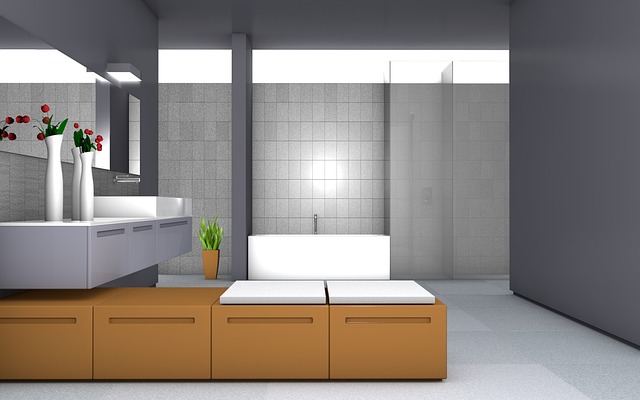
How Does a Personal Home Reflect the Design Philosophy Behind Christian and Bella Petracca’s Armadale Residence
Christian and Bella Petracca’s First Home Together in Armadale Is Light, Personal, and Inviting
Christian and Bella Petracca’s personal home in Armadale presents a refined interpretation of contemporary domestic architecture. The residence is not just a display of design sophistication but an articulation of shared identity, emotion, and restraint. Every spatial decision—from material selection to the modulation of light—reflects a pursuit of comfort and authenticity rather than ornamentation. The project demonstrates how architecture can mirror human connection, translating private narratives into built form with precision and warmth.
The Architectural Vision Behind the Armadale Residence
The Armadale residence stands as a thoughtful composition of space, texture, and emotion. Its design avoids excess, focusing instead on balance between aesthetic clarity and lived intimacy.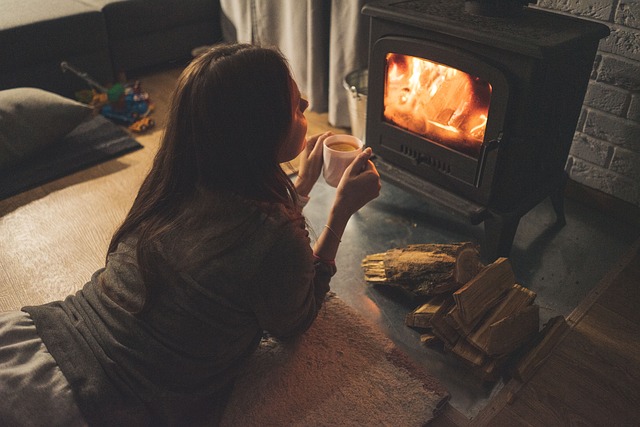
Interpreting the Design Philosophy of Christian and Bella Petracca
The architectural vision by Christian and Bella Petracca reveals a deliberate harmony between practicality and sentiment. Each spatial gesture contributes to an atmosphere that feels both grounded and expressive. The home’s open layout encourages connection while maintaining distinct moments for solitude. This approach reflects their belief that architecture should serve as an emotional framework—one that evolves with its inhabitants rather than dominating them visually.
The Role of Context in Shaping Architectural Decisions
Located within Armadale’s dense urban fabric, the home responds sensitively to its surroundings. The architects considered local scale, materiality, and rhythm to achieve cohesion with neighboring residences. Brickwork tones echo nearby facades while timber details soften transitions between public street frontage and private retreat. Natural light filters through carefully oriented openings that protect privacy yet maintain visual permeability—a subtle negotiation between openness and seclusion that defines modern city living.
Spatial Composition and Flow Within the Home
The interior composition prioritizes movement and experience over static beauty. Spaces unfold sequentially, guiding occupants through varying degrees of intimacy while maintaining continuity across zones.
The Relationship Between Public and Private Zones
Public areas such as the kitchen, dining, and living spaces form a continuous social core anchored by warm textures and neutral tones. Subtle shifts in ceiling height or flooring material delineate transitions into more secluded rooms like bedrooms or study areas without abrupt separation. Circulation pathways are intuitive; one moves naturally from communal gathering points toward quiet corners designed for reflection or rest.
Light as a Foundational Element in Spatial Design
Light is treated as structure rather than decoration. Large glazed panels capture morning brightness in shared spaces, while filtered apertures bring softer tones into bedrooms during evening hours. Reflective surfaces amplify daylight without glare, creating gradients that define mood across zones. Artificial lighting follows architectural rhythm—concealed strips accentuate joinery lines, pendant fixtures mark conversation areas—ensuring illumination supports both function and atmosphere.
Materiality and Texture as Expressions of Personality
Material selection within this personal home communicates identity more effectively than overt ornamentation could. Each surface invites touch; each finish tells part of the story.
Selection of Materials to Convey Warmth and Authenticity
Timber dominates key surfaces for its natural warmth, complemented by stone accents that ground the palette in timeless solidity. Linen drapery softens edges while allowing diffused light to animate interiors throughout the day. Finishes are chosen not for perfection but for character—they will patinate gracefully over years of use, embedding traces of daily life into the architecture itself.
The Interplay Between Minimalism and Comfort
Minimalism here is not austerity but clarity. Clean lines frame layered textures: matte plaster walls meet woven rugs; sleek cabinetry conceals practical storage yet feels inviting through tactile handles or subtle grain patterns. Every element serves dual purpose—visual calmness balanced with emotional resonance—proving restraint can heighten sensory awareness rather than diminish it.
Emotional Narrative Embedded in Interior Detailing
The emotional dimension emerges most vividly through detail—the curated objects, crafted joinery, and color palette all contribute to a narrative shaped by memory.
Personalization Through Art, Objects, and Color Palette
Artworks collected by Christian and Bella occupy deliberate positions where light interacts dynamically with surface texture. Neutral backdrops allow these pieces to shift prominence depending on time of day or mood. Personal artifacts—photographs, ceramics from travels—layer meaning over minimal foundations so that individuality arises naturally from everyday use rather than imposed decoration.
Craftsmanship as a Medium of Storytelling
Bespoke furniture pieces reveal close collaboration between designers and artisans: hand-finished timber edges show slight irregularities that speak to human touch within precise geometry. Custom joinery integrates seamlessly with architecture yet retains visible signs of craftsmanship—a dovetail joint here, a brushed metal hinge there—reminding occupants that beauty often resides in imperfection.
Integration of Landscape and Architecture
Landscape design extends architectural intent beyond walls, reinforcing continuity between interior calmness and exterior vitality.
Indoor–Outdoor Continuity as a Core Design Principle
Sliding glass thresholds dissolve boundaries between living spaces and garden terraces. When open, air circulates freely; when closed, visual connection remains intact through transparent planes framed by greenery. Courtyards punctuate the plan to draw nature inward—trees filter sunlight onto stone floors while seasonal blooms alter color temperature across rooms throughout the year.
Sustainability Considerations in Site Response
Passive design strategies underpin environmental performance: deep eaves moderate summer heat gain; operable windows encourage cross-ventilation during mild seasons; thermally efficient glazing stabilizes internal climate without reliance on mechanical systems. Locally sourced materials reduce transport emissions while maintaining cohesion with regional aesthetics. Surrounding vegetation assists microclimate regulation by shading facades and cooling ambient air around outdoor seating zones.
The Home as a Reflection of Shared Identity and Values
Beyond aesthetics or sustainability metrics lies the project’s deeper achievement—it translates relationship dynamics into spatial language with remarkable sensitivity.
Translating Relationship Dynamics into Spatial Experience
Every room expresses equilibrium between individuality and partnership. Dual workspaces acknowledge separate routines yet remain visually linked through shared views toward gardens. Communal zones encourage gathering without hierarchy; no single perspective dominates another. This architectural choreography mirrors mutual respect within shared life—a dialogue rendered spatially tangible.
The Broader Implications for Contemporary Residential Design
The Armadale residence challenges conventional notions of domestic luxury by prioritizing authenticity over spectacle. It demonstrates how personal narrative can guide professional design language toward richer outcomes—spaces that feel lived-in from day one because they originate from genuine intent rather than stylistic trend-chasing. For contemporary residential practice, it suggests that true innovation lies not in novelty but in empathy translated through form.
FAQ
Q1: What makes Christian and Bella Petracca’s personal home distinct within Melbourne’s residential landscape?
A: Its distinction lies in emotional coherence—the house integrates functionality with sentiment through restrained materials, contextual sensitivity, and crafted detail rarely achieved at this scale.
Q2: How does natural light influence daily experience inside the residence?
A: Light modulates atmosphere throughout the day; bright mornings energize communal areas while softer evening hues invite calmness in private spaces.
Q3: Which materials define the tactile identity of the project?
A: Timber predominates alongside stone surfaces and linen textiles—all chosen for warmth, durability, and graceful aging characteristics.
Q4: How does landscape integration enhance livability?
A: Seamless indoor–outdoor flow increases spatial generosity while vegetation supports microclimate comfort year-round through shading and airflow moderation.
Q5: What broader lesson does this project offer architects?
A: It shows that meaningful residential design emerges when personal values guide every decision—from orientation to finish—resulting in homes that embody human stories rather than abstract concepts.