
What Should Experts Know About Carpet Buying in the Complete Guide on How to Buy a Rug
The Complete Guide on How to Buy a Rug
Selecting the right carpet or rug is both a technical and aesthetic decision. For experts, the process goes beyond color and texture—it involves evaluating fiber performance, construction quality, installation methods, and even market economics. The best rug purchase balances material science with design functionality while aligning with sustainability goals and long-term maintenance efficiency.
Understanding the Fundamentals of Carpet Buying?
Choosing a carpet begins with assessing its structural attributes and environmental suitability. Professionals often analyze fiber type, density, and pile configuration before considering how the space will be used. These parameters influence comfort, wear life, and overall value.
Key Factors Influencing Carpet Selection
Fiber composition defines how a carpet behaves under stress. Wool provides natural elasticity and resilience, while synthetic fibers like nylon or polyester cater to heavy-use environments. Density and pile type determine tactile comfort; loop piles resist crushing better than cut piles. The intended use—whether in residential lounges or commercial corridors—dictates which combination performs best. Climate also matters; high humidity can accelerate mildew in natural fibers unless treated properly.
Evaluating Carpet Quality Metrics
Face weight remains one of the most cited indicators of quality, representing the amount of yarn per square meter. A higher face weight typically means more durability. Tuft twist counts show how tightly yarns are spun—high twists resist matting better. Stitch rate measures how closely tufts are packed together, influencing both appearance and longevity. Backing materials such as jute or synthetic latex add dimensional stability and prevent delamination during cleaning cycles. Industry standards from bodies like ISO 2424 define test methods for these parameters to maintain consistency across manufacturers.
Material Considerations in Rug Purchasing
Material choice dictates not only performance but also environmental impact and cost structure. Experts evaluate fiber chemistry alongside lifecycle sustainability when making procurement decisions.
Natural vs. Synthetic Fibers: Comparative Analysis
Wool remains prized for its softness, flame resistance, and acoustic absorption qualities—ideal for premium interiors. Nylon’s strength-to-weight ratio makes it the go-to option for airports or offices with high foot traffic. Polyester offers vibrant dye uptake at lower cost points, while polypropylene excels in moisture resistance for outdoor or basement applications. Each fiber type presents trade-offs between aesthetics, budget, and maintenance complexity.
Advanced Fiber Technologies in Modern Carpets
Solution-dyed fibers have revolutionized modern carpet production by embedding pigment directly into the polymer matrix during extrusion. This technique enhances UV stability and colorfastness even under direct sunlight exposure. Recycled PET yarns derived from post-consumer bottles now feature prominently in sustainable collections, reducing landfill waste without sacrificing softness. Anti-microbial coatings further extend usability in healthcare or hospitality environments where hygiene standards are strict.
Design, Texture, and Construction Techniques
Beyond material science lies artistry—the weaving method determines tactile sensation and visual rhythm within a space.
Weaving Methods That Define Rug Quality
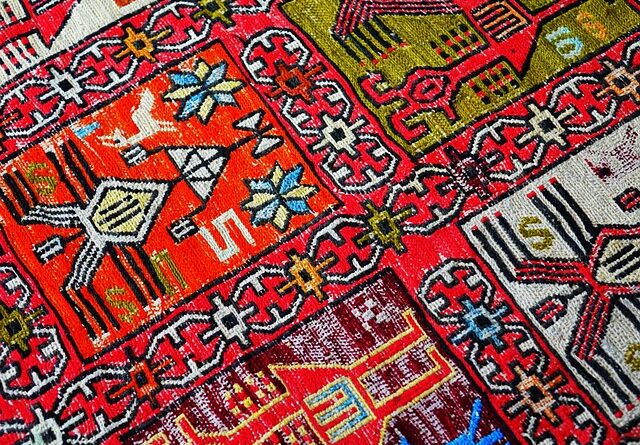
Hand-knotted rugs stand as benchmarks of craftsmanship; each knot is individually tied by artisans, yielding intricate patterns that can last decades with proper care. Machine-tufted carpets achieve uniformity through mechanized precision while keeping production costs manageable for large-scale projects. Flatweave constructions like kilims or dhurries provide lightweight flexibility suitable for layering or minimalist interiors seeking subtle texture rather than plush depth.
The Role of Texture and Pattern in Functional Design
Texture influences both comfort perception and practical performance. Loop pile structures endure heavy use without visible footprints—ideal for offices or hallways—while cut pile options deliver luxurious softness in lounges or bedrooms. Combining loop-and-cut techniques introduces dimensional patterns that manipulate light reflection to make rooms appear larger or more intimate depending on scale orientation.
Technical Aspects of Carpet Installation and Maintenance
Proper installation ensures that even premium materials perform as intended over time.
Preparation and Subfloor Requirements
Before laying any carpet, subfloors must be levelled to prevent premature wear from uneven pressure points. In basements or humid regions, moisture barriers protect backing layers from mold formation. Adhesive systems vary by application: pressure-sensitive glues suit modular tiles whereas stretch-in methods benefit broadloom installations requiring future replacement flexibility.
Maintenance Strategies for Longevity
Routine vacuuming removes abrasive dust particles that gradually break down fibers at their base. Scheduling professional deep cleaning every 12–18 months rejuvenates pile resilience by extracting embedded soils beyond surface reach. Entry mats near doors significantly reduce grit transfer indoors—a small preventive measure that can extend service life by years.
Economic Evaluation: Pricing Structures and Market Variables
The economics behind carpet buying mirror broader manufacturing dynamics influenced by raw materials and energy trends.
Understanding Cost Components in Carpet Buying
Raw material sourcing accounts for much of final pricing since wool markets fluctuate seasonally while petrochemical-based synthetics follow oil price indices. Manufacturing complexity—from hand-knotting labor hours to automated tufting line speeds—directly affects cost per square meter across product categories. Logistics expenses including storage climate control add another layer before retail markups finalize consumer prices.
Comparing Market Trends Across Related Sectors (Including Welding Machine Price)
Interestingly, industrial sectors like welding equipment show parallel pricing behavior due to shared dependencies on metals and energy inputs. When electricity tariffs rise globally, both carpet extrusion plants and welding machine manufacturers experience margin compression simultaneously. Analysts tracking welding machine price movements often use them as proxy indicators for evaluating upcoming shifts in carpet production costs since both rely heavily on steel components and power-intensive fabrication processes.
Sustainability, Certifications, and Ethical Sourcing Practices
Modern procurement emphasizes transparency from fiber origin to end-of-life recycling potential.
Environmental Standards Guiding Modern Carpet Production
Certifications such as Green Label Plus validate low VOC emissions compliant with indoor air quality regulations set by agencies like the U.S. EPA and European Ecolabel frameworks (ISO 16000). Lifecycle assessments quantify carbon footprint across extraction, manufacturing, transportation, usage phase durability testing (ISO 14040), ensuring measurable accountability rather than marketing claims alone.
Ethical Supply Chain Management in Textile Manufacturing
Responsible sourcing involves verifying that wool originates from cruelty-free farms adhering to animal welfare codes under IWTO guidelines while synthetic suppliers demonstrate closed-loop polymer recovery systems minimizing waste discharge into waterways. Circular economy models now encourage take-back programs where old carpets are shredded into new backing compounds—a practice gaining traction among leading manufacturers focused on full-cycle sustainability metrics.
Emerging Innovations Shaping the Future of Rug Buying for Experts
Technology integration is reshaping what flooring can do beyond traditional aesthetics or comfort metrics.
Smart Carpets and Integrated Technologies
Next-generation smart carpets embed micro-sensors capable of tracking occupancy density patterns useful for facility management analytics in corporate buildings or airports. Conductive threads woven through backing layers allow heating elements to operate safely underfoot during cold seasons without separate radiant panels—a concept merging interior design with building automation systems compliant with IEC safety protocols.
Digital Tools Enhancing Expert Decision-Making
3D visualization software now enables designers to preview scale accuracy within virtual spaces before committing orders—a valuable tool when specifying large commercial projects with bespoke patterns. Artificial intelligence platforms analyze historical usage data to recommend optimal fiber-pile combinations tailored to specific traffic intensities or acoustic requirements—streamlining specification workflows once reliant solely on manual expertise.
FAQ
Q1: What is the most durable carpet fiber?
A: Nylon generally offers superior durability due to its elasticity and abrasion resistance compared with other common fibers like polyester or polypropylene.
Q2: How often should professional cleaning be scheduled?
A: For average residential conditions every 12–18 months is sufficient; high-traffic commercial zones may require quarterly service intervals.
Q3: Do recycled carpets compromise quality?
A: No; modern recycling technologies produce fibers nearly identical in tensile strength to virgin polymers while reducing environmental impact substantially.
Q4: How do energy prices affect carpet costs?
A: Rising electricity rates increase operational expenses at extrusion plants similar to how they influence welding machine price trends across industrial sectors.
Q5: Are hand-knotted rugs worth their premium?
A: Yes; their longevity often exceeds several decades making them investment-grade pieces appreciated both for craftsmanship value and performance stability over time.