
Is Kids Toy Storage the Secret to a Safer and Calmer Playroom?
Why Does Kids Toy Storage Matter More Than Another Cute Bin?
Kids toy storage is not just a way to hide mess before someone visits. It affects how a room is used, how quickly a child can find a favorite truck, and how safely toys go back after play. If you are choosing new baby and kids essentials for a small apartment, nursery, daycare corner, or family room, good storage should be simple, easy to reach, and plain enough to use every day. It needs to work on a Tuesday night when everyone is tired.
The target is not a perfect showroom. Children play, dump, build, and drag toys across the floor. Good storage gives that normal play a clear place to stop. Public data also explains why safety should be part of the choice: the U.S. Consumer Product Safety Commission reported in April 2026 that an estimated 267,100 toy-related injuries were treated in U.S. emergency departments in calendar year 2024, and 68% involved children ages 14 or younger. Not every injury is about storage, of course. Still, clear floor space and age-aware sorting can reduce daily risks at home. (cpsc.gov)
Safer Floor Space for Daily Play
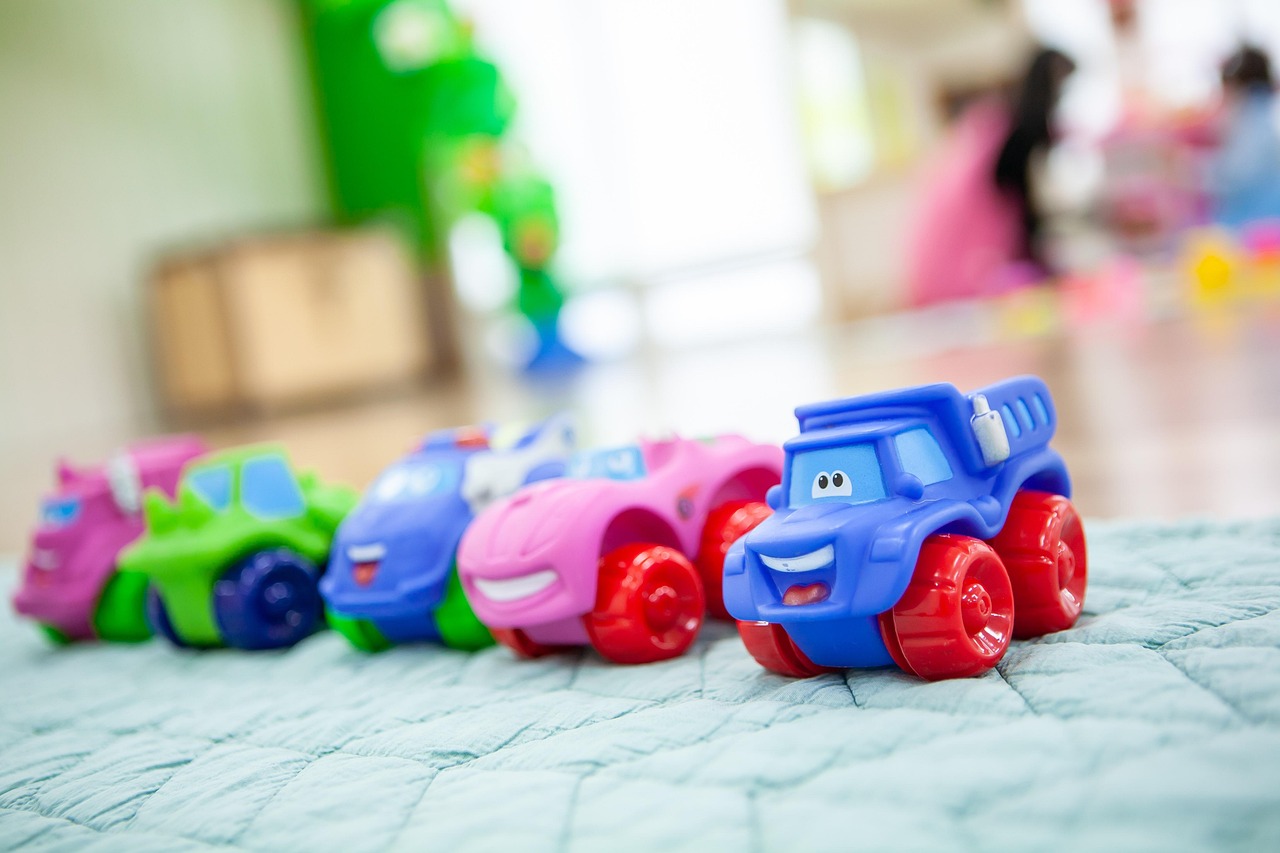
Start with the floor, because kids spend a lot of time there. A storage setup should leave a clear path from the door to the bed, sofa, or play mat. Ride-on toys, balls, and scooters need a fixed parking spot, not a random place near stairs or hallway corners. Tiny bricks belong in shallow trays instead of deep bins, because children often dig with both hands and throw pieces behind them. It sounds like a small thing, but a clear floor helps protect bare feet and adults walking through in a hurry.
Faster Cleanup at Bedtime
Bedtime goes better when cleanup has fewer steps. The CDC notes that toddlers need 11 to 14 hours of sleep, preschool children need 10 to 13 hours, and school-age children need 9 to 12 hours in a 24-hour period. A tidy room will not make a child fall asleep by itself, but it can make the nightly routine feel less like another job. Use one basket for stuffed animals, one tray for books, and one bin for the day’s loose toys. When the setup is that clear, even a sleepy four-year-old can help. (cdc.gov)
Better Product Visibility Before You Buy More
Many homes do not have too few toys. They have too many toys hidden in the wrong places. When storage lets parents see what is already there, duplicate buying slows down. A front-facing shelf shows puzzles, and clear or labeled bins show blocks, cars, dolls, and craft supplies. For retailers and import buyers, this matters as well. Parents often choose storage that promises order, but they keep using the version that makes daily life easier.
What Type of Kids Toy Storage Works Best for Your Room?
The right storage depends on the room, the child’s age, and how much clutter the family can accept. A living room may need closed storage that looks neat. A playroom can use more open shelves. A bedroom needs quieter choices, because toys near the bed can keep children busy when they should be slowing down. Instead of chasing a full matching set, look at the route a toy takes from hand to floor to its home.
Open Shelves That Children Can Reach
Open shelves work well because children can see toys and put them back without asking for help. The American Academy of Pediatrics, through HealthyChildren.org, advises open shelves when possible so children can reach toys easily. That advice fits real homes. Low shelves reduce dumping, because a child can take one basket instead of emptying a whole chest. Keep heavier items low, lighter items higher, and leave some open space. Overfilled shelves stop working quickly. (healthychildren.org)
Soft Bins for Mixed Small Toys
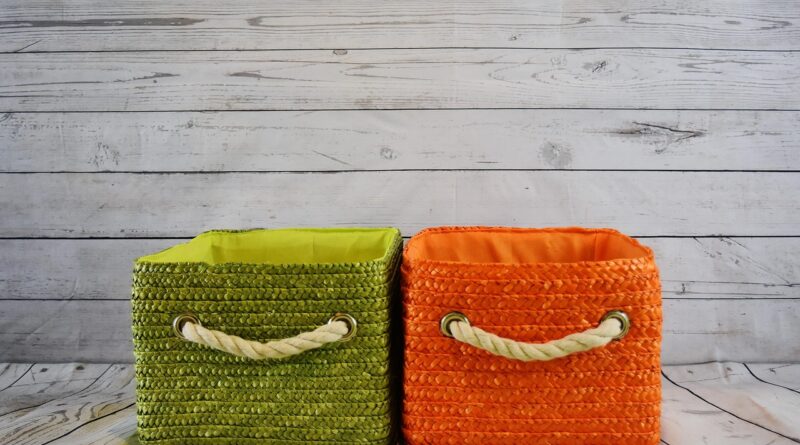
Soft bins are useful for plush toys, dress-up clothes, chunky blocks, and toddler-safe pretend food. They are gentle when children bump into them, and they can slide into cube units or sit beside a sofa. Choose bins with handles that small hands can pull without trouble. Fabric bins do collect lint and crumbs, because that is normal in a family home, so washable or wipeable materials are worth the extra cost.
Closed Cabinets for Visual Calm
Closed cabinets help shared rooms feel less like a playroom after 8 p.m. They work well for art supplies, board games, seasonal toys, and items that need adult help. The tradeoff is clear: hidden toys are easier to forget. Use closed storage for categories, not mixed piles. A cabinet labeled puzzles, craft, and pretend play works better than one big door hiding everything.
How Should You Store Toys for Different Ages?
Age changes the whole storage plan. A baby’s toy basket, a toddler’s bin shelf, and a seven-year-old’s building station should not be set up the same way. Good kids toy storage follows the child’s hands, height, and habits. The American Academy of Pediatrics says toy safety depends on the toy’s features, how it might be used or misused, and how much supervision is needed. Storage should follow that same thinking. (healthychildren.org)
Babies Need Low Visual Noise
Babies do not need a wall full of choices. A small basket with soft books, teethers, rattles, and a few washable plush toys is enough for daily rotation. Keep anything with small parts, cords, button batteries, or magnets far outside reach. For nurseries, storage should also be quiet to use. A soft basket dropped on a rug is better than a loud plastic lid snapping shut during nap time.
Toddlers Need Simple One-Step Sorting
Toddlers often like to help when the task is easy to understand. One-step sorting means blocks go in one bin, animals in another, and cars in a third. Do not ask a toddler to sort by brand, color shade, or small subcategory. That kind of system may look nice online, but it usually fails by Friday. Picture labels can help, especially before reading starts. A photo of blocks on the bin is clearer than a fancy script label.
School-Age Kids Need Zones for Hobbies
Older children often have toys mixed with hobbies, such as sports gear, science kits, craft supplies, trading cards, books, and building sets. Give each hobby its own zone so the child knows where things go. A rolling cart can hold art supplies. A lidded box can hold collectible pieces. A low drawer by the door can hold sports accessories. This setup teaches care without making the room feel like a stockroom.
How Can You Make Toy Storage Safer?
Storage should make play safer, not add another risk. Check lids, corners, wall stability, and small parts before looking at style. A cute chest is not a good buy if fingers get trapped or the lid falls fast. A tall shelf is not right for a family room if it tips when a child climbs. These are not unusual worries. They are normal home checks that matter.
Lids Need Careful Checks
Heavy hinged lids need extra caution. HealthyChildren.org warns that toy boxes can be dangerous if a child becomes trapped inside or if a lid falls on a child’s head or body. If you use a toy chest, choose no lid, a lightweight removable lid, sliding panels, ventilation gaps, and no latch. Rounded or padded corners also make sense. For high-turnover retail products, these details should be clear in product photos and packaging notes. (healthychildren.org)
Tall Units Need Wall Anchoring
Any tall shelf, bookcase, or drawer unit in a child’s room should be checked for tip risk. CPSC’s Anchor It campaign exists because furniture and TV tip-overs can injure or kill children, and CPSC materials advise anchoring chests, dressers, TV stands, bookcases, and entertainment units to the wall or floor. The same common sense applies to toy storage. If a child might climb it, anchor it. (cpsc.gov)
Small Parts Need Higher Homes
Small parts should stay above toddler reach, even if older siblings use them every day. That includes mini building pieces, marbles, craft beads, button batteries, magnets, and tiny accessories from play sets. Use a high cabinet, a parent-only box, or a drawer with a child-resistant latch. Mixed-age homes need this most. The six-year-old may be ready for detailed building toys, but the two-year-old is not. See also: Buying Guides.
How Do You Keep Toys from Taking Over?
A storage system only works when it fits the family’s real week. Big weekend cleanouts feel good, then Tuesday comes with snacks, homework, laundry, and one missing dinosaur. A smaller repeatable plan works better. IKEA’s 2024 Life at Home Report found that around one in three people say a clean and tidy home helps maintain physical and mental wellbeing. That is a useful reminder: tidy storage is not just about looks, it can support daily comfort. (lifeathome.ikea.com)
A Small Rotation Basket
Toy rotation does not need a spreadsheet. Keep one small basket in a closet and swap a few toys every week or two. The visible play area feels fresh without adding more products. If a toy is ignored through several rotations, it may be ready to donate, resell, or store for a younger sibling. Fewer choices often lead to longer play, especially for toddlers who lose focus when too many toys are out at once.
Labels That Match Real Life
Labels should sound like the words used at home. Use cars, blocks, dolls, animals, books, craft, and dress-up. Skip perfect categories that nobody remembers. For younger kids, pair words with pictures. For shared family rooms, label the inside edge of a shelf or bin so the area still looks clean. It is also fine if one bin says random favorites. Every home has that bin.
A Weekly Ten-Minute Reset
A short reset is easier than a large monthly cleanup. Pick one repeatable time, such as Sunday after lunch or Friday before movie night. Set a timer and put toys back by category. Do not rebuild every set or search for every missing piece. Just return the room to a usable baseline.
- Throw broken packaging and dried craft scraps away.
- Move outgrown toys to a donate or storage bag.
- Return small parts to high storage.
- Leave one empty bin for new or temporary items.
What Should Brands and Buyers Look for in Wholesale Toy Storage?
For importers, retailers, and household goods buyers, kids toy storage is a practical category because it answers a daily parent problem. The stronger products are safe, easy to ship, and simple to explain on a shelf or product page. Parents usually do not need a complicated promise. They need a bin, shelf, cart, or cabinet that handles real mess and still looks acceptable in the room.
Durable Materials and Rounded Details
Look for sturdy plastic, coated metal, smooth wood, washable fabric, and rounded corners. Edges should feel safe for small hands. Handles should not pinch. Lightweight products should still feel stable when full. If a product is meant for children under 12, buyers also need to check applicable market rules, testing needs, and age grading before placing volume orders.
Packable Designs for Cross-Border Shipping
Storage products can be bulky, so packing matters in cross-border orders. Foldable bins, nested baskets, flat-packed shelves, and modular sets can reduce wasted carton space. Clear assembly steps also cut complaints after delivery. A parent may forgive one missing sticker. They will not forgive a confusing shelf that takes two hours and three cups of coffee to build.
Neutral Styles That Fit More Homes
Bright colors can sell well for playrooms, but neutral storage often fits more nurseries, bedrooms, living rooms, and daycare spaces. White, beige, gray, soft green, and natural wood tones match more furniture styles. For fast-moving baby and kids categories, a balanced range usually works best. Offer a few playful colors for children, several calm options for parents, and sizes that fit common cube shelves.
FAQ
Q1: What Is the Best Kids Toy Storage for a Small Room? A: Low open shelves with a few labeled bins usually work best. They use vertical space, keep toys visible, and make cleanup easier for children.
Q2: How Many Toy Bins Does a Child Really Need? A: Most rooms can start with four to six bins: blocks, vehicles, dolls or figures, books, soft toys, and craft or puzzle items. Add more only when a real category needs it.
Q3: Are Toy Chests Safe for Toddlers? A: They can be safe if they have no heavy hinged lid, no latch, ventilation gaps, and rounded corners. Open bins or shelves are often easier and safer for toddlers.
Q4: How Often Should You Rotate Toys? A: Every one to two weeks is enough for many families. The point is not a strict schedule, but keeping the visible toy count manageable.
Q5: What Should Wholesale Buyers Check First? A: Check safety details, material durability, carton size, cleaning instructions, age grading, and whether the design is simple enough for parents to use every day.