
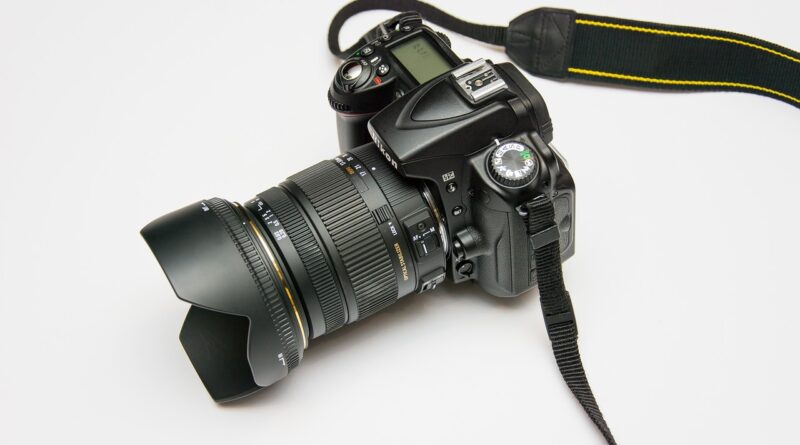
Buying your first camera without paying for the wrong features
Start with the photos you actually want to make
Buying your first camera should start with a practical question: what will you photograph most often in the next 12 months? A beginner who wants travel photos, family moments and better low-light images usually needs a different setup from someone planning wildlife, sports, studio product shots or long-form video. For most first-time buyers, the safest choice is not the most expensive body. It is a comfortable camera with dependable autofocus, a useful lens, a simple control layout and enough budget left for a memory card, spare battery and time to learn.
The current camera market also makes system choice more important than any single body specification. CIPA, the Camera & Imaging Products Association, continued publishing digital camera and interchangeable lens shipment updates in 2026, and new development remains strongly centered on mirrorless systems. That does not make a used DSLR automatically wrong, but it does mean lens availability, future upgrades and video features deserve close attention.
If you want more practical purchase frameworks like this one, browse the Buying Guides section for related consumer product checklists.
Choose the right camera type before comparing specs
The first decision is whether you want a compact camera, an interchangeable-lens mirrorless camera or a used DSLR. Each can be a reasonable first camera, but they solve different problems.
| Camera type | Why it can make sense | Main trade-off | Good first-camera fit |
|---|---|---|---|
| Compact camera | Small, fixed lens, easy to carry, no lens decisions | Limited upgrade path and fewer affordable new models | Travel, daily carry, casual photography, simple vlogging |
| Mirrorless camera | Modern autofocus, electronic preview, strong video options and interchangeable lenses | Body price can rise quickly, and extra lenses add cost | Learning photography, family, travel, video, products, portraits |
| Used DSLR | Often affordable, optical viewfinder, large used lens market | Bulkier bodies, fewer new releases and weaker video in many older models | Budget still photography, school projects, manual learning |
A compact camera is attractive if you know you will not carry extra lenses. It can also be a better purchase than a larger camera that stays at home. However, many smartphones already handle casual wide-angle photography well, so a compact should offer something your phone does not: a larger sensor, optical zoom, physical controls, a viewfinder or simply a shooting experience you enjoy.
Mirrorless cameras are the most flexible choice for many new buyers because they let you start with one lens and expand later. They also show exposure and color preview through the electronic viewfinder or rear screen, which helps beginners understand settings faster. DSLRs still have value on the used market, especially for still images, but they are less future-facing if you want modern subject detection autofocus, compact bodies or strong hybrid photo and video performance.
Budget for the whole kit, not just the camera body
A common first-camera mistake is spending nearly the entire budget on the body and then living with a weak lens, a slow memory card or no spare battery. The body matters, but the lens shapes the look of the image, the card affects video reliability, and small accessories determine whether the camera is ready when you need it.
A realistic beginner budget should include:
- Camera body and starter lens: Often the largest cost, but not the only one.
- One fast or flexible lens: A small prime lens can help with portraits and low light; a travel zoom can reduce lens changes.
- Memory cards: For 4K video, look for the speed class recommended in the camera manual. SD Association classes such as V30, V60 and V90 refer to sustained video write performance, not just peak marketing speed.
- Spare battery or USB-C power plan: Mirrorless cameras use electronic displays, so battery life can matter on travel days.
- Protection: A padded insert, strap, blower and lens cloth are inexpensive compared with replacing damaged gear.
- Storage and backup: Photos and video files add up quickly, so include a hard drive or cloud backup if you shoot often.
As a practical rule, avoid choosing a body that leaves no money for the first lens you really need. A modest body with a strong lens often teaches more and produces more satisfying images than an advanced body paired only with the cheapest kit lens. The exception is when a kit lens is exactly what you need for travel, daylight family photos or learning composition. In that case, start simple and upgrade only after you know what is limiting you.
Understand the specifications that matter most
Camera marketing can make every feature sound urgent. For a first purchase, focus on the specifications that change real use: sensor size, lens system, autofocus, stabilization, handling and video limits.
Sensor size and image quality
Sensor size affects low-light performance, depth of field, camera size and lens cost. Full-frame sensors are about the size of a 35mm film frame and can be excellent in low light, but full-frame lenses are usually larger and more expensive. APS-C sensors are smaller, commonly around 24 x 16mm, and often provide a strong balance of image quality, price and portability. Micro Four Thirds sensors are smaller again and can support compact lenses with useful reach for travel and wildlife.
Do not buy only by megapixel count. A 20 to 26 megapixel camera is already enough for large prints, social media, web content and most family or travel work. More megapixels can help with cropping and commercial detail, but they also create larger files and may require better lenses and more storage.
Lens system and upgrade path
When you buy an interchangeable-lens camera, you are entering a lens system. Before choosing a body, check whether the system has affordable lenses for your likely subjects. Portrait beginners may want a small 35mm or 50mm equivalent lens. Travel shooters may prefer a compact zoom. Wildlife and sports users need longer telephoto options, and those lenses can cost more than the body.
Also check third-party lens support. A system with several affordable native and third-party lenses can be friendlier for a beginner than a technically impressive body with limited lens choices at entry-level prices.
Autofocus and stabilization
Modern autofocus is one of the strongest reasons to consider mirrorless. Face, eye and subject detection can help with children, pets, street scenes and casual video. Still, performance varies by model, lens and lighting. Read review tests that show real tracking behavior rather than relying only on product pages.
Image stabilization is also worth considering. In-body image stabilization helps reduce hand shake with many lenses, while lens stabilization can be effective for telephoto shooting. Stabilization does not freeze a moving subject, but it can help with handheld low-light scenes and smoother video.
Handling and controls
The camera you enjoy holding is the camera you will practice with. Before buying, look at grip size, viewfinder quality, button layout, menu clarity, touchscreen behavior and weight with the lens attached. A small body is not always more comfortable if the grip is cramped or the lens makes it front-heavy. See also: baby&kids.
Match features to your main use case
The right first camera depends less on brand reputation and more on the job you need it to do. Use these use-case priorities to avoid paying for features that will not improve your photos.
- Travel and everyday carry: Prioritize low weight, USB-C charging, weather awareness, a flexible zoom range and a body you will actually pack.
- Family, pets and events: Prioritize reliable face and eye autofocus, good high-ISO performance, comfortable handling and a lens with a bright aperture for indoor light.
- Sports and wildlife: Prioritize autofocus tracking, burst shooting, buffer depth and affordable telephoto lenses. The lens ecosystem is especially important here.
- Video and vlogging: Prioritize uncropped or lightly cropped 4K, dependable continuous autofocus, a microphone input, a screen that faces forward, stabilization and heat limits for longer clips.
- Product, food or content photography: Prioritize lens sharpness, close-focusing options, manual control, accurate color and compatibility with lights or a tripod. A modest camera with good lighting can outperform a costly body used in poor light.
- Learning manual photography: Prioritize clear dials, a good viewfinder, exposure preview and easy access to aperture, shutter speed and ISO.
This use-case method also helps you ignore features that sound impressive but may not matter. Very high burst rates are useful for action, for example, but irrelevant for still product photos. Advanced log video profiles help editors who color grade footage, but they add complexity if you mainly post quick clips. Weather sealing is helpful outdoors, but it is not a license to use the camera carelessly in heavy rain.
Decide whether new, refurbished or used makes sense
New cameras offer a warranty, current batteries, updated firmware and fewer unknowns. Refurbished cameras from reputable retailers or manufacturers can reduce cost while preserving some buyer protection. Used gear can stretch a beginner budget, but it needs inspection.
For a used camera body, check the shutter count if available, sensor condition, viewfinder, rear screen, card slots, ports, battery door, control dials and autofocus behavior. Test the camera with a memory card and your intended lens if possible. Look for corrosion in the battery compartment and signs of impact around the lens mount.
For used lenses, inspect the glass with a light, but do not panic over tiny dust particles; they are common and often harmless. More important problems include fungus, haze, sticky aperture blades, grinding focus motors, damaged filter threads and weak zoom tension. If a lens has stabilization, test it. If buying online, prefer sellers with clear return policies and actual photos of the item.
Used DSLRs can be excellent learning tools, especially when paired with inexpensive prime lenses. The caution is long-term direction: if you expect to build a kit for several years, make sure you are comfortable buying into a system where many future releases may be mirrorless rather than DSLR.
A practical first-camera checklist
Before you buy, run through this checklist and answer each item in writing. If you cannot answer one, pause the purchase instead of letting a discount decide for you.
- What will I shoot most: travel, family, action, video, products or learning?
- Will I carry this camera with the lens attached for a full day?
- Does the system offer the next two lenses I might realistically buy?
- Does the camera have the autofocus features my subjects require?
- Do the video modes have the frame rate, crop, recording limit and audio options I need?
- Can I afford at least one suitable memory card, a spare battery and basic protection?
- Have I handled the camera or watched a detailed handling review?
- If used, can I return it if the body or lens has a hidden fault?
If two cameras appear similar, choose the one that removes friction. A clearer menu, better grip, lighter lens or easier charging setup can matter more over time than a small specification advantage. The goal of a first camera is not to buy the last camera you will ever need. It is to buy a dependable tool that helps you practice, learn your preferences and create images you could not easily make with your phone.
Frequently asked questions
Is a mirrorless camera better than a DSLR for a beginner?
For many beginners, mirrorless is easier to recommend because it offers electronic preview, modern autofocus and stronger video options in current systems. A used DSLR can still be a smart low-cost choice for still photography, especially if you find a clean body and affordable lenses.
How much should I spend on my first camera?
Spend enough to get a reliable body, a suitable lens and essential accessories, but avoid using the full budget on the body alone. The right amount depends on your subject, but the better question is whether the complete kit supports what you plan to shoot.
Should I buy the kit lens?
A kit lens is useful for learning, travel and general daylight photography. It may feel limiting indoors or for portraits because many kit lenses have modest maximum apertures. If you already know you want portraits, low-light scenes or product detail, consider budgeting for one additional lens.
Do I need full frame as my first camera?
Usually no. Full frame can be valuable for low light, shallow depth of field and demanding professional work, but APS-C and Micro Four Thirds cameras can be lighter, less expensive and more practical for learning. Lens cost should be part of the comparison.
What is the biggest mistake when buying a first camera?
The biggest mistake is choosing by headline specs instead of real use. A camera with more megapixels or advanced video modes is not helpful if it is uncomfortable, too expensive to build around or missing the lens you need.