Fast food open near me searches now depend on hours, apps and drive-thru access
What people really mean when they search for fast food open near me
A search for fast food open near me is usually urgent and practical. The diner wants to know which nearby restaurant can serve them now, whether the drive-thru is operating, whether mobile ordering is still available, and whether the trip or delivery fee makes sense for the meal they want.
The safest answer is rarely a single open-or-closed label. Diners often need to compare map hours, the restaurant app, delivery status, recent local reviews and, for late-night or holiday visits, the store page or a quick phone call. For food and beverage brands, the same query shows how local visibility, accurate hours and off-premises execution have become part of the fast-food product itself.
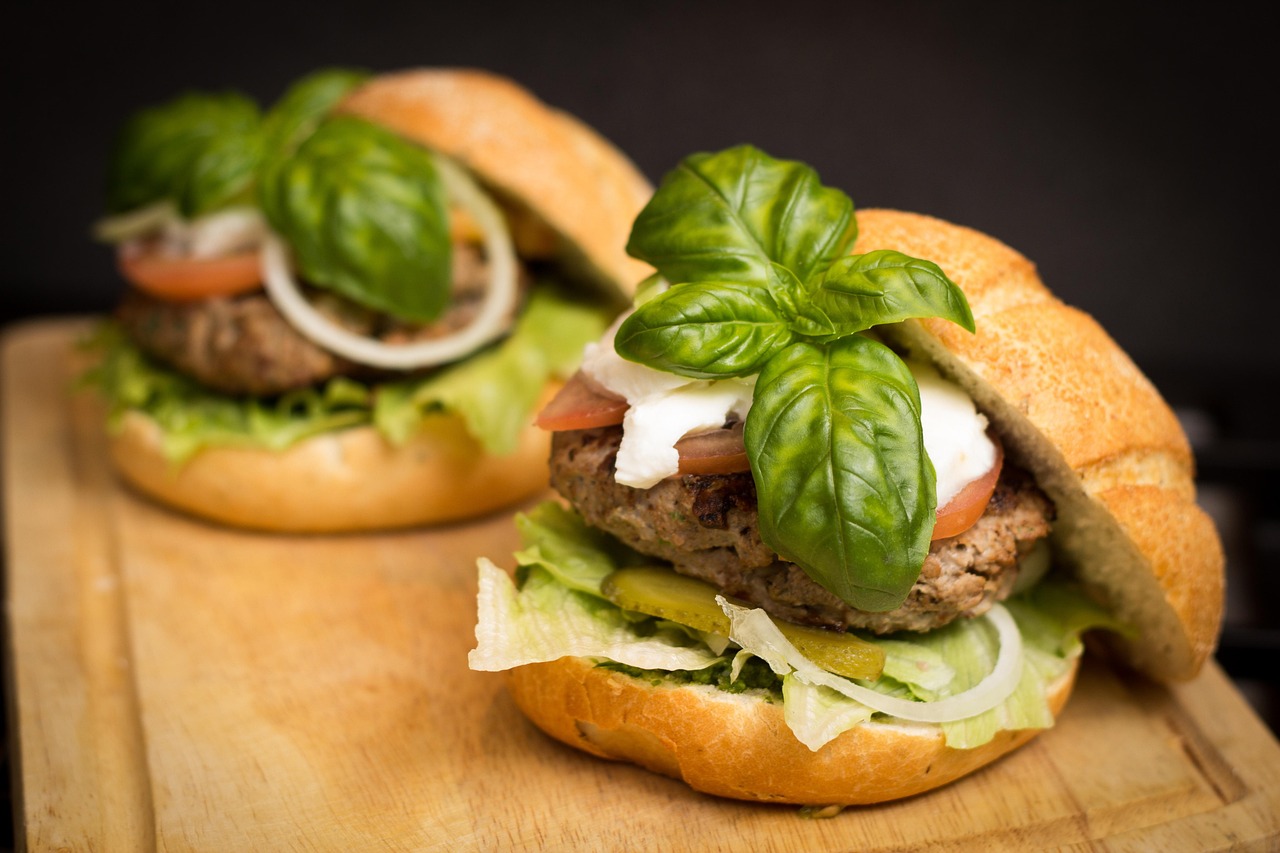
Fast food is no longer only a counter-service format. In many U.S. markets, the same location may serve guests through a dining room, drive-thru lane, curbside pickup, brand app, third-party delivery marketplace and loyalty promotion. Each channel can have its own hours, pricing and menu availability.
For more foodservice and consumer goods analysis, visit the Food & Beverages section.
Why local fast-food hours are less simple than they look
Restaurant hours used to be easier to read: a location was open or closed. Today, the better question is open for what? A fast-food unit may close its dining room while keeping the drive-thru open. It may pause delivery while still serving walk-in customers. It may stop mobile pickup orders before the posted closing time. Holiday schedules can also differ from the regular weekly schedule.
Google Business Profile Help tells business owners to confirm holiday hours even when those hours match regular hours, and notes that special hours appear to customers only for the designated dates. For fast food, that detail matters because holiday traffic, late-night demand, staffing limits and mall or travel-center operating rules can all affect whether a location is actually available to a customer.
The gap between posted hours and operating reality becomes most visible late at night. A map result may show a restaurant open until midnight, while a specific channel stops earlier because of kitchen capacity, cleaning schedules, delivery-driver availability or local labor constraints. Diners experience this as a failed trip. Operators experience it as a data accuracy issue, a staffing challenge and a brand trust problem.
How to verify whether a nearby fast-food restaurant is actually open
The most reliable approach is to combine signals rather than trust one result. A map listing is a useful starting point, but it may lag behind a location’s real-time decision. Restaurant apps and delivery apps can show whether ordering is enabled, but they may not fully reflect in-store or drive-thru access. Recent reviews can reveal patterns such as early lobby closures, although reviews may be outdated or tied to a one-off disruption.
| Signal to check | What it can confirm | Key limitation |
|---|---|---|
| Map listing | Location, regular hours, directions and busy periods | Hours may not reflect sudden closures or channel-specific cutoffs |
| Brand app | Mobile ordering, loyalty offers, pickup options and menu availability | Only covers that brand and may disable ordering before the restaurant closes |
| Delivery app | Delivery availability, delivery fees and estimated arrival time | Delivery can be unavailable even when the restaurant is open |
| Recent reviews | Local patterns such as lobby closures or long drive-thru waits | Reviews can be subjective or no longer current |
| Phone call | Best check for holidays, late-night visits or long drives | Staff may not answer during peak periods |
For a quick decision, start with the map, open the restaurant’s own app or store page, compare delivery status if delivery matters, and call only when the trip is inconvenient or the hour is unusual. This is especially useful around holidays, severe weather, major local events and overnight periods.
Drive-thru, pickup and delivery have changed the meaning of open
The National Restaurant Association’s 2025 Off-Premises Restaurant Trends report found that weekly off-premises behavior is now common: 47% of adults reported picking up takeout at least once a week, 42% reported using the drive-thru weekly, and 37% reported ordering delivery weekly. Its 2026 State of the Restaurant Industry materials also describe takeout, delivery and drive-thru as playing a larger role than they did before the pandemic.
That shift explains why open status has become channel-specific. A fast-food restaurant is not only competing on proximity. It is competing on whether the guest can receive food in the preferred format at the preferred moment. A parent in a car may choose the restaurant with the clearest drive-thru access. A night-shift worker may choose the location still accepting mobile pickup. A traveler may care less about the dining room and more about restroom access, parking and order speed.
For operators, this creates a direct content and operations challenge. If the dining room closes at 10 p.m. but the drive-thru runs until midnight, the listing should make that distinction clear wherever possible. If mobile ordering stops 15 minutes before the posted closing time, the app experience should explain the cutoff before the customer starts building a basket. In local fast food, uncertainty reduces conversion.
Value deals influence which open restaurant wins the visit
When several nearby restaurants are open, price and perceived value often decide the visit. The fast-food consumer may compare loyalty rewards, bundle deals, breakfast offers, delivery fees and app-only promotions before choosing where to order. Circana reported in 2025 that value-menu traffic grew across foodservice in the quarter ending June 2025, while Technomic’s 2026 U.S. and Canada menu commentary highlighted limited-time offers and value as important tools for operators trying to appeal to consumer demand.
Value is not only a low sticker price. It can include speed, portion size, order accuracy, freshness, convenience, reward points and ease of access. A slightly more expensive order may still feel like better value if the drive-thru is faster, the app is reliable and the location is clearly open. See also: baby&kids.
This is why the local search result increasingly works like a small marketplace. A diner may see five open restaurants within a few miles, but the final choice is shaped by distance, wait time, channel availability and the offer visible at that moment. For food and beverage businesses, accurate hours are the baseline; clear value communication is the next competitive layer.
What restaurants can learn from near me behavior
The phrase fast food open near me points to several operational lessons. First, consumers expect real-time accuracy. They are less forgiving when a listing says open but the door is locked, the drive-thru is closed or mobile ordering fails at checkout. Second, channel details matter. A single set of hours may not be enough if the dining room, drive-thru and delivery marketplace operate differently. Third, convenience is part of the product, not an add-on.
Restaurants and franchise groups can improve the experience by treating local information as a core operating asset. That means reviewing regular and holiday hours, confirming special hours before major holidays, checking how each store appears in maps, keeping brand-app store pages aligned with actual operations, and training teams to communicate temporary closures clearly.
There is also a content opportunity. Store pages, local listings and app screens should answer practical questions before the customer has to ask them. Is the drive-thru open late? Is breakfast available now? Does this location accept mobile pickup? Are delivery prices different from in-store prices? Is the dining room closed while the drive-thru remains open? These details may look small, but they match the urgency behind local fast-food searches.
A practical checklist for diners
For consumers, the goal is simple: avoid wasted trips and get the best available meal for the moment. Use this checklist when searching during late-night, early-morning, holiday or bad-weather periods.
- Check the map result for open status, distance and estimated travel time.
- Look for separate notes about drive-thru, dine-in, pickup and delivery hours.
- Open the restaurant’s own app when loyalty deals or mobile pickup matter.
- Compare delivery apps only if you need delivery, because fees and availability can change the real cost.
- Scan recent reviews for repeated local issues such as early lobby closure or long overnight lines.
- Call the location if the trip is long, the time is late, or the date is a major holiday.
This process may take one or two extra minutes, but it can prevent the most common local-search disappointment: arriving at a restaurant that looked open online but is unavailable in the way you needed.
Frequently asked questions
Why does a restaurant show as open but not accept mobile orders?
Mobile ordering can have a separate cutoff time. A location may stop app orders before closing to manage kitchen capacity, cashout procedures, cleaning or staffing. The restaurant may still serve drive-thru or walk-in guests for a short period after mobile ordering ends.
Are drive-thru hours always the same as dining room hours?
No. Many fast-food locations operate different hours by channel. The drive-thru may stay open later than the dining room, especially in suburban, highway or late-night markets. The opposite can also happen if equipment, staffing or local rules limit drive-thru service.
Why do delivery apps show fewer open restaurants than maps?
Delivery availability depends on more than restaurant hours. It can be affected by driver supply, delivery radius, marketplace settings, weather, order volume and the restaurant’s decision to pause delivery. A location can be open for pickup while unavailable for delivery.
What is the best way to find fast food open near me on a holiday?
Start with map listings, then check the restaurant’s store page or app for special hours. Because holiday schedules can change by franchise location, call the restaurant if you are traveling far or need a late-night meal.
What should fast-food operators prioritize for local searches?
Operators should prioritize accurate regular hours, confirmed holiday hours, clear channel-specific availability, updated store pages and consistent app information. For customers searching with immediate intent, accuracy can matter as much as advertising.