

How Can You Protect Mental Health Every Day Without Overcomplicating Life?
Why Does Mental Health Matter in Daily Wellness?
Mental health is no longer a side issue. It affects how people sleep, work, shop, eat, talk with family, and deal with a Tuesday when several problems arrive at the same time. In everyday wellness, the demand is clear: people want simple habits that fit real life, not hard programs that take over the day. For more practical wellness topics, visit the Health & Wellness section.
Public data gives this topic real weight. The World Health Organization reported in its 2025 mental disorders fact sheet that nearly 1 in 7 people worldwide lived with a mental disorder in 2021, about 1.1 billion people. In the United States, the National Institute of Mental Health reported that 59.3 million adults, or 23.1% of the adult population, lived with any mental illness in 2022. These figures point to the same issue: mental health is common, personal, and closely linked to daily routine.
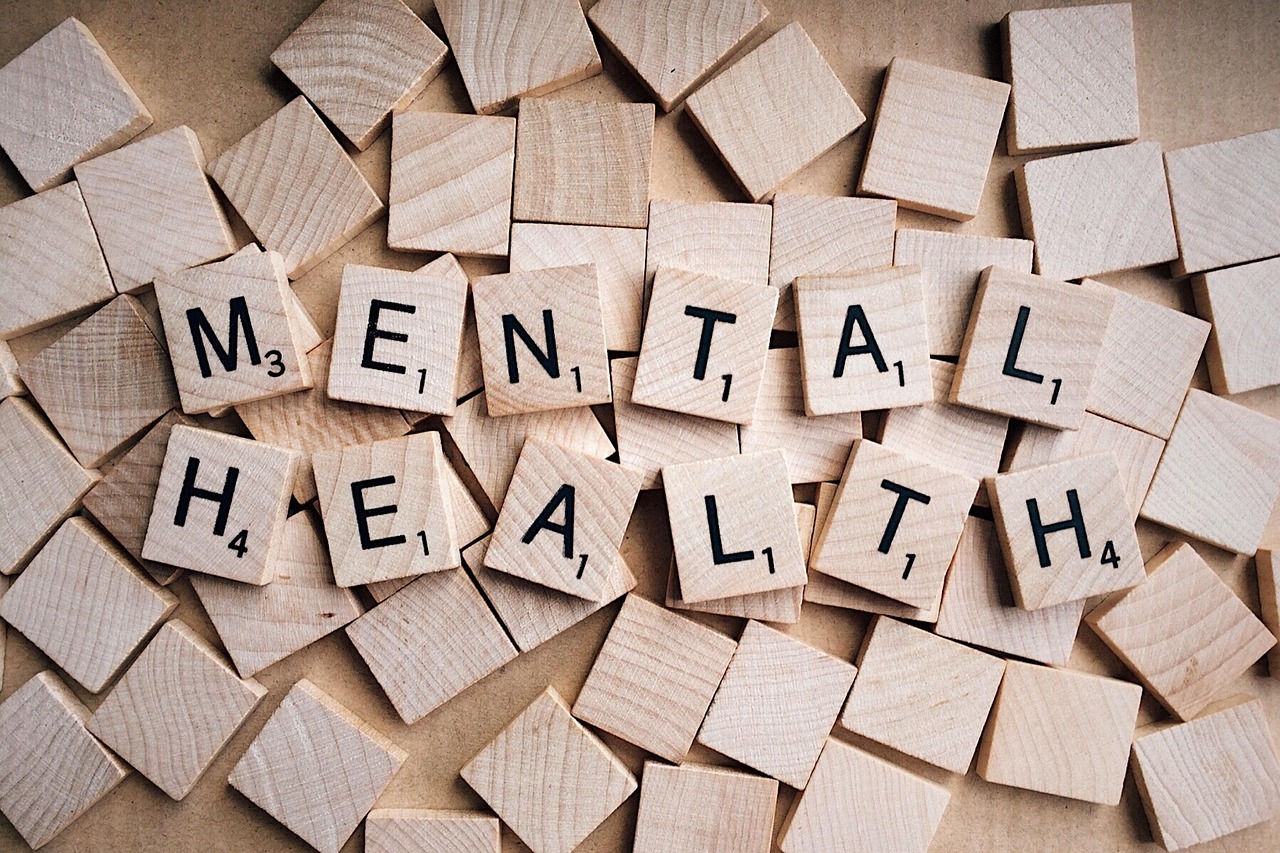
Mental Health Shapes Daily Choices
When your mind feels steady, basic decisions are easier to handle. You can choose a balanced breakfast, reply to messages, keep plans, or step away from an argument that is not worth it.
When stress builds up, even small choices can feel heavier than they should. That is why daily wellness products and habits have a place in normal life. A water bottle on your desk, a calming tea at night, a tidy bedside table, or a snack that does not push your energy up and down can make the day run with less friction. These items do not replace care, but they can make good choices easier to repeat.
Common Struggles Are Not Character Flaws
Anxiety, low mood, burnout, and poor sleep are often treated as if they come from weak discipline. They do not. Mental strain can come from biology, work pressure, money worries, illness, grief, social isolation, and too many alerts on one screen.
The CDC’s National Center for Health Statistics reported in 2025 that depression prevalence among U.S. adolescents and adults increased 60% over the past decade, based on NHANES data from August 2021 to August 2023. That is not just a small lifestyle shift. It is a public health signal that affects homes, schools, workplaces, and consumer routines.
Small Habits Can Lower Daily Load
The most useful mental wellness habits are often plain and easy to repeat. They are not impressive, but they still work because people can return to them after a rough week.
You do not need a perfect morning routine with seven steps and a color-coded journal. A more realistic plan may be 10 minutes outside, regular meals, less late-night scrolling, and one honest conversation with someone safe. Simple does not mean weak. It means the habit has a chance of staying in your day.
How Can You Spot Early Signs Before Stress Takes Over?
Stress rarely arrives with a clear label. It often shows up as a short temper, a messy room, skipped meals, headaches, or that tired but wired feeling that is hard to explain. Spotting early signs helps you act before your body makes you stop. This is useful for shoppers, parents, students, and workers who keep moving until their energy is gone.
Changes in Sleep and Energy
Sleep is often one of the first places mental strain appears. You may fall asleep late, wake at 3 a.m., sleep too much, or feel unrested after a full night.
The CDC says adults generally need at least 7 hours of sleep in a 24-hour period. Its 2024 National Health Interview Survey report found that more than one-quarter of American adults slept less than 7 hours. If your sleep changes for more than two weeks, pay attention. The body is sending a clear message, not making a fuss.
Shifts in Appetite and Focus
Some people lose interest in food when they are under stress. Others snack all day because the brain is looking for fast comfort.
Focus can shift at the same time. You may read the same email three times, forget why you opened the fridge, or move between tasks without finishing them. A practical step is to add steadier cues into the day: keep water visible, choose protein-rich snacks when possible, and plan one screen-free meal. These are not miracle fixes. They are basic anchors that help the day feel less scattered.
Pulling Away from People
Social withdrawal can feel useful at first. You cancel plans, delay calls, and tell yourself you are only tired.
Sometimes rest is the right choice. But if isolation becomes your main way to cope, your mood may drop further. Try something low pressure: send one text, take a short walk with a neighbor, or sit near people in a café without forcing a long conversation. Human contact can be small and still count.
What Daily Habits Support Better Mental Health?
Daily habits work best when they fit your real schedule. A parent with two kids, a warehouse worker, a remote employee, and a college student will not use the same routine. The aim is not to copy another person’s wellness plan. The aim is to build a few repeatable actions that support mood, energy, and attention.
Consistent Sleep Cues
Your brain responds to patterns. A regular bedtime, dimmer lights, and a short wind-down routine can help signal that it is time to rest.
Keep the phone away from the pillow if you can. If that feels too hard, start with a smaller rule: no stressful news in the last 20 minutes before sleep. A clean pillowcase, comfortable sleepwear, and a cool room also matter more than people often admit. Mental wellness can be practical and ordinary.
Movement That Feels Possible
Movement does not need to look like a gym ad. The World Health Organization states that physical activity can reduce symptoms of depression and anxiety and improve overall well-being.
That can mean walking during lunch, stretching after work, dancing while cleaning, or taking stairs when your knees allow it. If you feel low, start very small. Five minutes is still better than waiting for a perfect 45-minute session that never happens.
Food and Hydration Routines
Food will not solve every mental health concern. Still, skipped meals can make stress worse and make the body feel more on edge.
A simple eating rhythm helps steady energy: breakfast with protein, a lunch that is not only caffeine, and water within reach. In fast-moving consumer goods, this is where smart everyday products can help: portable oatmeal, unsweetened drinks, nut mixes, electrolyte options for active days, and ready-to-eat fruit cups with no fuss. The best product is the one people actually use again.
How Do Work, Money, and Home Pressure Affect Your Mind?
Mental health advice can sound thin when it ignores real pressure. People are not stressed only because they forgot to meditate. Rent, debt, caregiving, layoffs, long shifts, and constant digital demands all affect the nervous system. A useful wellness plan should respect that reality.
Workload and Burnout Signals
WHO’s mental health at work fact sheet says depression and anxiety are linked to an estimated 12 billion lost working days every year, costing the global economy about US$1 trillion in lost productivity. That number is large, but the day-to-day effect is easy to see.
Stress changes how people show up at work and at home. Burnout may look like cynicism, slow recovery after weekends, more mistakes, or feeling numb during tasks you used to manage well.
Financial Stress and Decision Fatigue
Money pressure can reduce mental space fast. When every purchase needs calculation, even grocery shopping can become tiring. See also: baby&kids.
You may choose cheaper ultra-processed foods, delay medical care, or skip rest because another shift helps cover the bill. No wellness article should act as if budgeting fixes everything. Still, small planning can reduce some strain: keep a basic pantry list, buy repeat staples, compare unit prices, and avoid shopping when hungry if possible. It is not exciting, but it is useful.
Home Environment and Sensory Load
Your surroundings can calm you down or wear you out. Harsh lighting, cluttered counters, loud notifications, and a bedroom full of work items keep the brain alert.
Try one small change per week instead of fixing the whole home at once. Clear the nightstand. Put cleaning wipes where mess starts. Use a softer lamp. Prepare tomorrow’s bag before bed. These small environmental cues can make home feel less like another inbox.
When Should You Seek Professional Help?
Daily habits help many people feel steadier, but they do not replace professional care when symptoms are strong, long-lasting, or risky. Getting help early can keep a hard season from becoming a crisis. You do not have to wait until life falls apart.
Symptoms That Last More Than Two Weeks
Consider speaking with a licensed health professional if sadness, anxiety, irritability, sleep problems, panic, or loss of interest lasts more than two weeks and affects daily life. The same applies if work, school, parenting, or relationships become much harder.
A primary care doctor can also check physical causes. Thyroid issues, medication effects, pain, and sleep disorders can all affect mood and energy, so it is worth looking at the full picture.
Safety Concerns Need Fast Support
If you might harm yourself or someone else, treat it as urgent. In the United States, the 988 Suicide & Crisis Lifeline is available by calling or texting 988, according to SAMHSA and the CDC in 2026 guidance.
If immediate danger is present, contact emergency services or go to the nearest emergency department. This is not about causing fear. It is about staying alive long enough for help to work.
Therapy and Medical Care Can Work Together
Support may include therapy, medication, peer support, lifestyle changes, or a mix. Different people need different tools, and that is normal.
Some benefit from cognitive behavioral therapy. Some need grief counseling. Some need medication for a season or longer. It is also normal to try one provider and then look for a better fit. Good care should feel respectful, clear, and practical.
What Simple Wellness Products Can Fit a Mental Health Routine?
Consumer products are not treatments for mental illness, and they should never be marketed that way. Still, everyday items can make healthy choices easier. The right product reduces steps, saves time, or creates a cue people can repeat. That matters when energy is low.
Sleep-Friendly Evening Basics
A calming evening kit can stay simple: caffeine-free tea, a reusable water cup, soft tissues, a notebook, and a low-light lamp. These items are easy to keep near the bed and do not require a full routine.
Some people like lavender-scented products, though scent is personal and can bother others. Keep the routine short. If it takes 40 minutes and special equipment, it may become another chore instead of a support.
On-the-Go Stress Supports
For work bags and travel, keep the focus practical: a protein snack, gum or mints, hand sanitizer, a small moisturizer, and headphones. These items do not remove the source of stress, but they can make a rough day feel less chaotic.
A person stuck in traffic after a long shift may not need a lecture on resilience. They may need water, food, and five quiet minutes before walking through the front door.
Home Organization for Easier Mornings
Mornings are often where stress starts. Place daily items in one visible spot: keys, wallet, medication if prescribed, lunch bag, and water bottle.
Use baskets, labels, or simple trays if they help. The goal is not a perfect home. The goal is fewer frantic searches before the day even begins. A calmer morning can protect the mood for hours.
FAQ
Q1: What Is the Fastest Way to Support Mental Health Today? A: Start with one basic body need: drink water, eat a real meal, step outside for a few minutes, or sleep earlier tonight. Small physical resets often make emotional coping easier.
Q2: Can Daily Products Improve Mental Health? A: They can support routines, but they do not treat mental illness. Sleep items, healthy snacks, hydration tools, and simple organizers can reduce daily friction and help you repeat good habits.
Q3: How Much Sleep Do Adults Need for Better Mental Wellness? A: The CDC says most adults need at least 7 hours of sleep in a 24-hour period. If you often sleep less and feel anxious, low, or unfocused, improving sleep is a smart first step.
Q4: Is Exercise Really Helpful for Mood? A: Yes, for many people. WHO reports that physical activity can reduce symptoms of depression and anxiety. Gentle movement counts, especially if intense workouts feel unrealistic.
Q5: When Is It Time to Get Help? A: Seek professional support if symptoms last more than two weeks, disrupt daily life, or include thoughts of self-harm. In the United States, call or text 988 for urgent crisis support.